5 Step Thanksgiving Butter with Garlic and Herbs

- Effort/Time: 15 minutes prep / Zero cooking.
- Flavor Hook: Smoked paprika meets forest-fresh rosemary and bright citrus.
- Perfect for: Dry-brined turkey, roasted root vegetables, or warm sourdough rolls.
- The Culinary Physics of Fat and Volatile Aromatic Infusion
- Achieving Precision in Your Holiday Kitchen Logistics
- The Material Science of Grass-Fed Dairy and Resinous Herbs
- Technical Tools for Achieving Microplaned Precision and Texture
- Executing the 5 Step Thanksgiving Butter with Garlic and Herbs
- Solving Structural Integrity and Flavor Imbalance Hurdles
- Evolving Your Flavor Profile Through Dynamic Substitutions
- The Geometry of Holiday Multiplication (Scaling Physics)
- Debunking Kitchen Folklore
- Preserving Aromatic Potency and Zero-Waste Culinary Transformations
- Architectural Plating and Aesthetic Flourishes for the Modern Table
- Addressing Complex Holiday Hosting Logistics and Expert Queries
- Common Questions
- 📝 Recipe Card
Imagine the kitchen at 4:00 PM on Thanksgiving: the air is thick with the scent of woodsmoke and roasting poultry. The secret to that shattering, golden brown skin and the velvety meat beneath isn't a complex brine or an expensive gadget; it is the art of the fat.
Get ready for an easy, delicious Thanksgiving upgrade with this 5 Step Thanksgiving Butter with Garlic and Herbs recipe. I remember my first year hosting, panicking over a dry bird until I realized that a herb infused lipid barrier is the ultimate insurance policy for flavor.
We aren't just mixing ingredients; we are architecting a flavor delivery system. This blend creates a joyful transformation of the simplest ingredients butter, garlic, and garden herbs into a professional grade culinary tool.
The contrast between the rich, creamy base and the bright, acidic punch of lemon zest creates a sensory profile that dances across the palate. Whether you are tucking this under the skin of a turkey or melting it over a pile of steaming mashed potatoes, the result is pure holiday magic.
The beauty of this 5 Step Thanksgiving Butter with Garlic and Herbs lies in its simplicity and its versatility. We are moving beyond the basic "butter and salt" routine to embrace a more sophisticated, layered approach.
By using fresh sage and rosemary, we ground the dish in traditional autumn notes, while the smoked paprika adds a surprising mahogany depth to the finished roast. Let's explore the science and the soul behind this seasonal essential.
The Culinary Physics of Fat and Volatile Aromatic Infusion
Butter acts as a powerful non-polar solvent, meaning it is uniquely qualified to capture and hold the essential oils found in resinous herbs like rosemary and sage. When you mix these aromatics into a lipid base, the flavor compounds dissolve into the fat rather than evaporating into the air.
This ensures that every drop of moisture that hits your turkey carries a concentrated dose of herbal essence directly into the protein fibers.
On top of that,, the addition of lemon zest introduces citric acid and limonene, which act as a bright counterpoint to the heavy fats. This acid doesn't just provide flavor; it subtly weakens the surface proteins of the meat, allowing for better penetration of the garlic and salt.
This 5 Step Thanksgiving Butter with Garlic and Herbs relies on the principle of "Fat-Soluble Flavor Migration," where the aromatics are protected by the butter’s structure until they hit the high heat of the oven, at which point they are released in a controlled, fragrant sizzle.
Achieving the Protective Barrier
When applied under the skin of a turkey, this butter creates a physical shield. As the water within the meat attempts to evaporate, the fat layer pushes back, effectively "frying" the underside of the skin while steaming the meat in its own juices.
This dual action thermodynamic process is why the skin becomes exceptionally flaky and translucent.
Mastering the Maillard Reaction
The smoked paprika in this recipe isn't just for heat; it’s a catalyst for color. The sugars and trace proteins in the butter, combined with the fine particles of paprika, accelerate the Maillard reaction.
This chemical bridge building between amino acids and reducing sugars results in a deep, mahogany crust that smells like a campfire and tastes like pure umami.
Achieving Precision in Your Holiday Kitchen Logistics
Success in the holiday kitchen depends on understanding your timeline and the physical state of your ingredients. This recipe requires exactly 15 minutes of active labor, but its impact lasts throughout the entire meal.
By preparing this 5 Step Thanksgiving Butter with Garlic and Herbs in advance, you eliminate one of the most stressful "day-of" variables.
| Metric | Value |
|---|---|
| Total Preparation Time | 15 minutes |
| Active Cook Time | 0 minutes |
| Yield | 16 Servings (Approx. 1 tbsp each) |
| Ideal Serving Temperature | 65°F (Room Temperature) |
Precision Checkpoints
- Softness Test: Butter should yield to a gentle thumb press without feeling oily or "slumping." This usually occurs at exactly 68°F (20°C).
- Mince Consistency: Garlic must be microplaned into a translucent paste. Large chunks will burn in the oven, turning bitter and acrid.
- Herb Integration: Use a folding motion with a flexible spatula to ensure 100% distribution; look for a uniform "speckled" appearance with no yellow butter streaks remaining.
The Material Science of Grass Fed Dairy and Resinous Herbs
The quality of your 5 Step Thanksgiving Butter with Garlic and Herbs is a direct reflection of your starting elements. We opt for grass fed butter because it contains a higher concentration of beta carotene and omega-3 fatty acids, which translate to a deeper golden color and a more complex, nutty flavor profile.
Using a high fat butter (at least 82% butterfat) like Kerrygold Pure Irish Butter ensures a lower water content, preventing the "splatter" effect during roasting.
| Ingredient | Chemical/Physical Role (Science) | The Pro Secret (Why This Matters) |
|---|---|---|
| Unsalted Butter | Lipid based flavor carrier and moisture barrier | Unsalted allows total control over the osmotic pressure on the meat's surface. |
| Microplaned Garlic | Releases allicin through cellular wall rupture | A paste distributes flavor 10x more effectively than chopped cloves. |
| Fresh Rosemary | Contains rosmarinic acid for antioxidant stability | Pine like aromatics survive high heat without turning "dusty." |
| Smoked Paprika | Provides phenolic compounds for "smoky" notes | Acts as a natural dye for that iconic Thanksgiving "mahogany" glow. |
Component Analysis: Selecting Your Elements
- 1 cup (225g) Grass fed Unsalted Butter: Why this? Higher fat-to-water ratio ensures a crispier skin and richer mouthfeel.
- 4 cloves Garlic: Why this? Provides the aromatic backbone; sulfured compounds intensify during the roasting process.
- 1 tbsp Fresh Sage: Why this? Essential for that "classic" Thanksgiving profile; sage contains cineole, which cuts through heavy fats.
- 1 tsp Lemon Zest: Why this? The oils in the peel (limonene) provide a bright, high note finish to balance the earthy herbs.
- 1/2 tsp Sea Salt: We recommend Maldon Sea Salt for its flaky texture and clean, mineral finish.
Technical Tools for Achieving Microplaned Precision and Texture
To transform these raw ingredients into a professional compound butter, you need tools that respect the delicate nature of the aromatics. Avoid using a food processor if possible; the high speed blades generate friction heat that can partially melt the butter and bruise the herbs, leading to a "grassy" rather than "fresh" aroma.
- Microplane Classic Series Zester: Essential for turning the garlic into a fine slurry and the lemon zest into ethereal wisps.
- Lodge 10.25 Inch Cast Iron Skillet: (If using for immediate roasting) The thermal mass helps distribute the butter evenly.
- Flexible Silicone Spatula: Allows you to scrape every bit of herb laden butter from the bowl, ensuring zero waste.
- Parchment Paper: For rolling the butter into a log if you are preparing it ahead of time for clean slicing.
Executing the 5 Step Thanksgiving Butter with Garlic and Herbs
Follow these steps with surgical precision to ensure the aromatics are perfectly suspended within the lipid matrix. This process is about gentle emulsification rather than aggressive mixing.
- Temper the butter. Place 1 cup (225g) unsalted butter on the counter for 45 minutes until it yields easily to a thumb press but remains matte in appearance.Note: Over softening leads to oil separation.
- Mince the resinous herbs. Finely chop 1 tbsp rosemary and 1 tbsp sage until they resemble green sand with no large needle like pieces.Note: Large rosemary needles can be physically unpleasant in the final bite.
- Strip the thyme. Pull 1 tbsp thyme leaves from the woody stems until you have a pile of small, tender teardrop shapes.Note: Thyme stems do not soften and must be discarded.
- Create the garlic slurry. Use a microplane to grate 4 garlic cloves until they form a translucent, pungent paste.Note: This maximizes the release of allicin for a deeper flavor.
- Harvest the citrus. Zest 1 tsp lemon directly over the butter until the yellow flavedo is removed but the bitter white pith remains untouched.Note: Pith adds unwanted bitterness.
- Add the dry spices. Sprinkle 1 tsp smoked paprika, 1/2 tsp sea salt, and 1/2 tsp cracked black pepper over the butter until the surface is evenly coated in red and black speckles.
- Fold the mixture. Using a spatula, fold the aromatics into the butter until no streaks of plain yellow remain and the mixture is a uniform pale orange.
- Whip for aeration. Use a fork to briskly beat the mixture for 30 seconds until it looks slightly lightened and feels velvety.
- Shape for storage. Transfer the mixture to parchment paper and roll into a cylinder until firm and air-bubble free.
- Chill for infusion. Refrigerate for at least 2 hours until the butter is solid and the flavors have fully migrated from the herbs into the fat.
Chef's Tip: Freeze your butter for 10 minutes before grating it if you are in a rush. Grating cold butter creates "snow" that softens to room temperature in mere minutes, allowing for instant mixing.
Solving Structural Integrity and Flavor Imbalance Hurdles
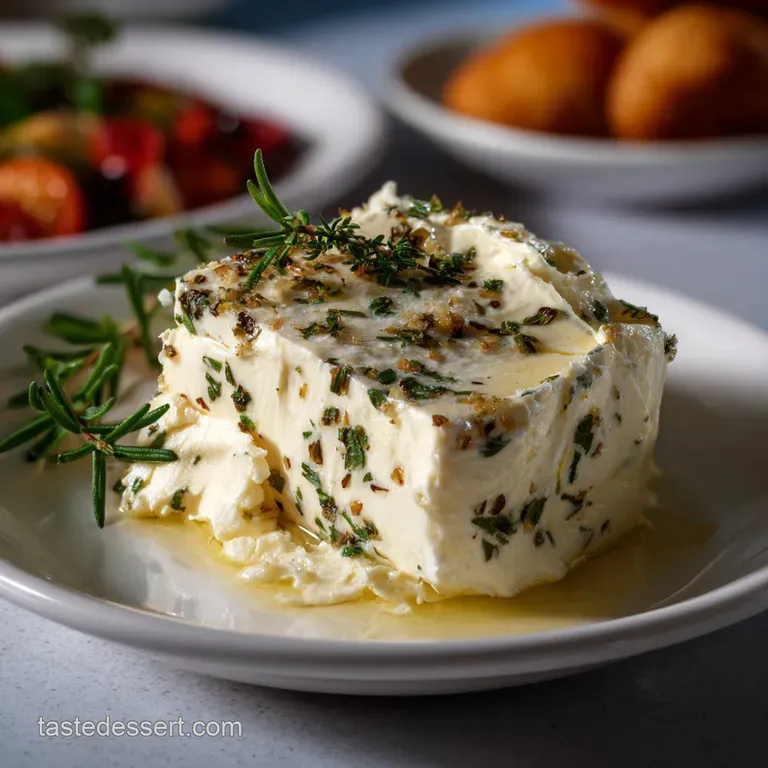
Even a simple 5 Step Thanksgiving Butter with Garlic and Herbs can face technical difficulties during the high pressure holiday rush. Most issues stem from temperature control or aromatic ratios.
Why Your Compound Butter is Separating
When butter is microwaved or left in a hot kitchen, the emulsion of water-in-fat breaks. The milk solids sink to the bottom while the liquid gold (clarified fat) rises. If you try to mix herbs into melted butter, they will simply clump at the bottom.
| Problem | Root Cause | The Fix | Pro Protocol |
|---|---|---|---|
| Grainy Texture | Butter was too cold when mixing | Let sit at room temp for 20 mins, then re-whip. | Use a warm bowl (rinsed in hot water/dried) to gently soften. |
| Bitter Aftertaste | Burnt garlic or pith included | Balance with a pinch of sugar or more lemon zest. | Always microplane garlic to prevent large, burn prone pieces. |
| Butter "Runs Off" Meat | Applied to wet skin | Pat the turkey completely dry with paper towels. | Salt the skin 24 hours early (dry brine) to tighten the surface. |
Evolving Your Flavor Profile Through Dynamic Substitutions
While the garlic and herb profile is a "Maritime Classic," you can adapt this recipe to suit different dietary needs or flavor preferences without sacrificing the chemical benefits of the lipid barrier.
| Original Ingredient | Substitute | Why It Works |
|---|---|---|
| Unsalted Butter | Refined Coconut Oil | Solid at room temp, high smoke point. Note: Lacks Maillard enhancing milk solids. |
| Fresh Sage/Rosemary | Dried Poultry Seasoning | Concentrated flavor. Note: Use 1/3 the amount; can taste slightly "dusty." |
| Smoked Paprika | Ancho Chili Powder | Provides similar color with a darker, raisiny sweetness. |
- If you want a deeper umami punch, add 1 tsp of anchovy paste. The salt and glutamate will melt into the background, making the turkey taste "meatier."
- If you want a brighter finish, double the lemon zest and add 1/2 tsp of finely minced fresh parsley just before serving.
- If you want a spicy kick, swap the smoked paprika for cayenne pepper or red pepper flakes.
The Geometry of Holiday Multiplication (Scaling Physics)
When doubling this recipe for a 20lb turkey plus sides, remember that flavor compounds accumulate non-linearly.
- The Spice Threshold: When doubling to 2 cups of butter, only use 1.5x the salt and paprika. Over seasoning a large batch is easy; you can always add a pinch more to the gravy later.
- The Thermal Mass Effect: A large 2 cup bowl of butter will take significantly longer to soften than a single cup. Do not attempt to speed this up with heat; instead, cut the butter into 1 inch cubes to increase surface area and speed up the tempering process.
- Batch Processing: If making enough for multiple homes, use a KitchenAid stand mixer with the paddle attachment. This ensures a consistent emulsion that manual folding cannot achieve at scale.
Debunking Kitchen Folklore
- Myth: You must use salted butter for compound butter.
- Truth: Unsalted butter is preferred because different brands have wildly different salt concentrations. Using unsalted allows you to control the osmotic pressure, ensuring you don't accidentally draw too much moisture out of the meat.
- Myth: Dried herbs are just as good as fresh in compound butter.
- Truth: Dried herbs are "dormant." In a 15 minute prep, they won't have time to rehydrate and release their oils into the fat. Fresh herbs provide immediate volatile aromatics.
Preserving Aromatic Potency and Zero Waste Culinary Transformations
This 5 Step Thanksgiving Butter with Garlic and Herbs is a treasure that shouldn't be wasted. Proper storage ensures that the "bright" notes of the lemon and "earthy" notes of the sage don't turn stale.
Fridge: 7 days in an airtight container or tightly wrapped in parchment. Freeze: 3 months. Slice into "coins" before freezing so you can grab exactly what you need for a quick steak sear or pasta toss.
Zero Waste Philosophy
- Herb Stems: Don't discard the rosemary and thyme stems. Transform: Toss them into the bottom of your roasting pan or simmer them in your turkey stock. Science: They still contain lignin and trace oils that provide deep, woodsy bass notes to liquids.
- Butter Wrappers: Don't throw them away. Transform: Fold them and keep them in the fridge to grease your baking pans for rolls. Science: There is often 1 2 grams of high-quality fat still clinging to the paper.
- Lemon Husks: Once zested, the lemon still has juice. Transform: Squeeze it over the finished turkey or into the cranberry sauce. Science: Citric acid brightens heavy, savory flavors by stimulating saliva production.
Architectural Plating and Aesthetic Flourishes for the Modern Table
Presentation is the final step in the "joy" of creation. If you aren't using all the butter under the turkey skin, serve the remainder as a side for rolls.
- The Quenelle: Use two warm spoons to shape the softened butter into smooth, football shaped ovals.
- The Botanical Garnish: Press a single, small sage leaf onto the top of the butter log before it chills. It looks like a fossil preserved in amber.
- The Dusting: A final, tiny pinch of smoked paprika over the serving dish provides a professional "pop" of color against the white ceramic.
This butter pairs beautifully with our Cheesy Garlic Fingers Breadsticks recipe for a pre-dinner snack, or even alongside Greek Turkey Meatballs for a non-traditional holiday twist.
Addressing Complex Holiday Hosting Logistics and Expert Queries
Preparation is the antidote to holiday stress. When managing a complex menu, the 5 Step Thanksgiving Butter with Garlic and Herbs acts as a versatile "mother sauce" base. It can be used to sauté green beans, finish a gravy, or simply coat the Thanksgiving rolls.
One common concern is whether the garlic in the butter will become too pungent if made several days in advance. In reality, the fat in the butter acts as an insulator, slowing the enzymatic reaction of the garlic.
While the flavor will deepen and mellow (losing its "sharp" bite and becoming more "savory"), it will not become overwhelming. Another pro-tip: if you find your butter is too hard to spread on the big day, do not microwave it.
Instead, hold the bowl over the steam of your simmering gravy for 30 seconds to gently soften the outer layer.
By mastering this simple lipid infusion, you aren't just making a condiment; you are mastering a fundamental technique of the professional kitchen. The joy comes from seeing your guests' faces as they taste the shattering, herb crusted skin of a perfectly roasted bird a transformation made possible by 15 minutes of prep and the power of high-quality fats.
Keep your herbs fresh, your butter tempered, and your holiday spirit joyful.
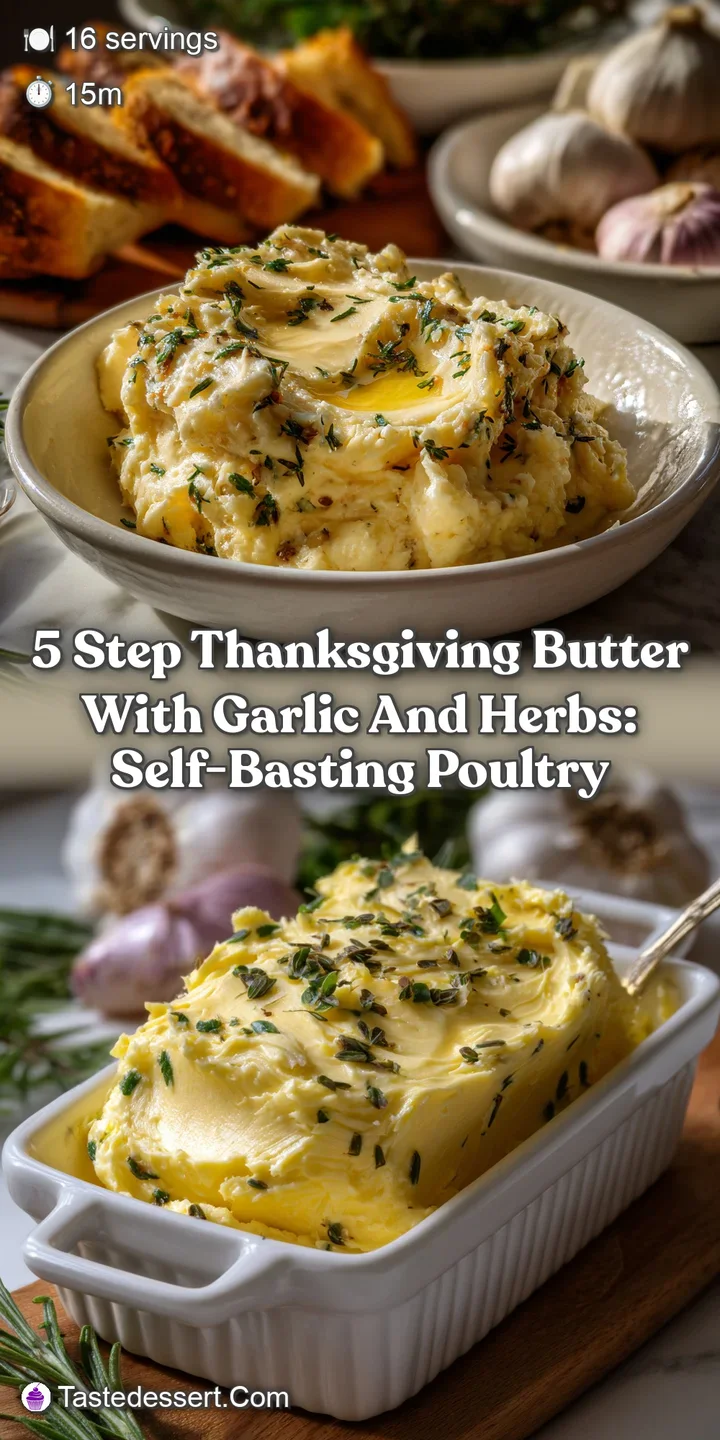
Common Questions
Can I use salted butter instead of unsalted?
Unsalted butter for precision control. Salted brands vary (80-200mg sodium per tbsp), making standardization impossible. Unsalted lets you adjust salt based on cheese/bacon content.
What is the minimum chill time required before use?
Two hours minimum for flavor integration. Flavor migration requires sufficient lipid saturation time at cold temperatures to fully infuse the butter.
Why is my butter runny and separating during mixing?
Butter temperature exceeded 70°F, causing the emulsion to break. Fat structure destabilizes above 70°F (21°C), causing liquid fats to separate from the milk solids and water content.
- Return butter to a cooler location
- Use a metal bowl over an ice bath
- Gently fold with a spatula, avoiding aggressive whipping
Is this butter necessary if I am brining the turkey?
Yes, brining addresses moisture, not skin texture. Brining primarily controls internal moisture retention, but this butter drives flavor migration under the skin and ensures browning via the Maillard reaction.
Can I substitute fresh herbs with dried versions?
No, dried herbs lack sufficient volatile oils for infusion. Dried herbs require heat and moisture to bloom, which this no-cook recipe does not provide, resulting in a dull flavor profile.
How long can I safely make this ahead of Thanksgiving?
It keeps well for one week refrigerated or three months frozen. Freezing locks the volatile oils in place; just ensure it is tightly wrapped to prevent freezer burn from surface oxidation.
Myth: I can use my food processor to speed up the mixing.
Myth: Using a processor creates too much friction heat. Reality: Friction heat partially melts the butter, destroying the intended stable emulsion structure, leading to a greasy texture.
5 Step Thanksgiving Butter
Ingredients:
Instructions:
Nutrition Facts:
| Calories | 103 kcal |
|---|---|
| Protein | 0.1 g |
| Fat | 11.4 g |
| Carbs | 0.3 g |
| Fiber | 0.1 g |
| Sugar | 0.1 g |
| Sodium | 72 mg |
