Alton Browns Turkey Brine: the Ultimate Recipe for Ultra-Succulent Results
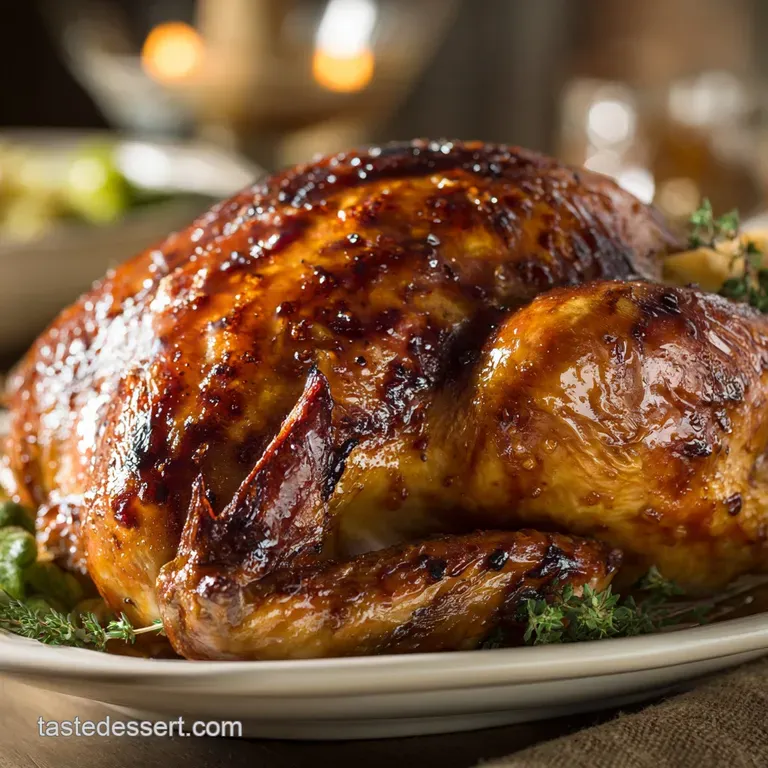
- The Definitive Guide to Alton Browns Turkey Brine Success
- Why This Brine Science Ensures the Juiciest Turkey
- Required Ingredients for Alton Brown's Signature Brine Solution
- The Step and by-Step Method: Preparing Your Turkey Brine Concentrate
- Expert Tips for Perfecting Your Alton Browns Turkey Brine
- Logistics and Storage: Managing the Brining Process
- Pairing Perfection: What to Serve Alongside a Brined Turkey
- Recipe FAQs
- 📝 Recipe Card
The Definitive Guide to Alton Browns Turkey Brine Success
Remember that moment when you slice into a turkey and it actually weeps juice, pooling beautifully on the board? That, my friend, is the transformative power of the proper Alton Browns Turkey Brine .
The kitchen smells incredible while the aromatics ginger, thyme, bright orange zest do their slow, deep work. It's truly magic; honestly, it’s one of the best things you can do for your holiday dinner preparation.
I used to sweat bullets every Thanksgiving, terrified of serving a flavorless, tough, or sadly dry bird. That stops right now, forever. This specific recipe, straight from the Good Eats playbook, is incredibly easy to execute, provided you nail the critical cooling and timing steps.
This brine is the secret weapon that delivers consistently succulent meat without fail, turning a bland bird into the star of the show.
It’s not just about dunking a turkey in salty water and hoping for the best, although that is the basic concept. We are going to dive deep into the specific science of the perfect Alton Brown Turkey Brine solution.
Trust me, understanding the logic guarantees you the juiciest, most flavorful holiday bird of your life. Let’s crack on!
Why This Brine Science Ensures the Juiciest Turkey
Escaping the Curse of the Dry Holiday Turkey
The secret to a great turkey isn't necessarily how you cook it, but how you prep it. Most people overcook turkey because they are trying to reach a high internal temperature in the legs, which in turn dries out the delicate breast meat.
Brining allows the meat to hold onto dramatically more moisture, acting as a safeguard against accidental overcooking. It builds a beautiful foundation of flavor.
What Makes This Brine Truly Superior?
This specific combination of salt, brown sugar, and robust aromatics like ginger is brilliant. The salt ensures the moisture retention, and the sugar aids in balancing the savory notes while promoting that deep, gorgeous mahogany colour on the skin during roasting. While I love a simple salt and water ratio (if you’re looking for a simpler version, check out Turkey Brine: The Classic Herbaceous Recipe for a Juicy Bird ), the complexity added by the citrus and spice here is unbeatable.
Understanding Osmosis: The Science of the Soak
Brining works via osmosis and diffusion. Essentially, you create a solution far saltier than the internal fluid of the turkey cells. The cells desperately try to equalize the concentration by absorbing the salty water.
But here’s the kicker: the salt also slightly unwinds the muscle proteins in the turkey meat. This chemical change allows the proteins to permanently trap and hold onto that new water they’ve absorbed.
The Role of Salt and Sugar in Cellular Moisture Retention
The salt does the heavy lifting, changing the protein structure for maximum water absorption. The sugar plays a secondary but crucial role. Not only does it counter the intense saltiness, giving the turkey a lovely sweet and savory profile, but it also contains carbohydrates.
These carby compounds caramelize beautifully under high heat, providing a much richer, darker, and more appealing roasted skin than a simple salt brine alone.
Required Ingredients for Alton Brown's Signature Brine Solution
This recipe requires specific measurements, especially for the salt. Always measure your kosher salt by weight if possible, or use Diamond Crystal for volume accuracy.
Salt and Sugar Ratios: Getting the Balance Right
For this brine to be effective, we use a powerful concentration of two cups of Kosher salt to one cup of brown sugar dissolved in one gallon of water, which is then diluted with a second gallon of cold water. This concentration is designed for rapid absorption over a short time period.
If your final solution tastes too salty, you’ve probably used the wrong kind of salt!
Essential Aromatics: Ginger, Citrus, and Peppercorns
The ginger and orange are what make this recipe instantly recognizable and superior to basic brines. The slight bitterness of the orange rind and the zing of the ginger infuse into the meat beautifully. I once forgot the ginger entirely, and the flavor profile felt flat and slightly boring; don't skip it!
We also include whole black peppercorns, allspice, rosemary, thyme, and bay leaves for that traditional holiday aroma.
Water Volume and Preparation Notes
You must use a full two gallons of water total. One gallon is boiled to create the super and concentrate and dissolve the solids. The second gallon is added cold to instantly cool the solution down to a safe temperature before the turkey is added.
Ingredient Swaps and Allergy Adjustments
Life happens, and sometimes you don't have exactly what the recipe calls for. Don’t panic.
| Ingredient Needed | Viable Substitute (Must Adjust Volume) | Key Note/Warning |
|---|---|---|
| Kosher Salt (Diamond Crystal) | Table Salt (reduce volume to 1.5 cups) | Table salt is much denser, so use less or your bird will be inedibly salty. |
| Light Brown Sugar | Maple Syrup (use 3/4 cup) | Honey or maple syrup work great, adding depth and colour. |
| Fresh Ginger | Ground Ginger (use 1/2 tablespoon) | Ground ginger provides heat but lacks the fresh brightness; adjust to taste. |
| Fresh Oranges | Lemons or Limes (use 3 medium) | Citrus acidity is key, so any sour fruit rind will provide the required note. |
Chef’s Note: The only ingredient that is absolutely non and negotiable is the precise amount of salt (by weight). If you mess up the salt, the entire process fails.
The Step and by-Step Method: Preparing Your Turkey Brine Concentrate
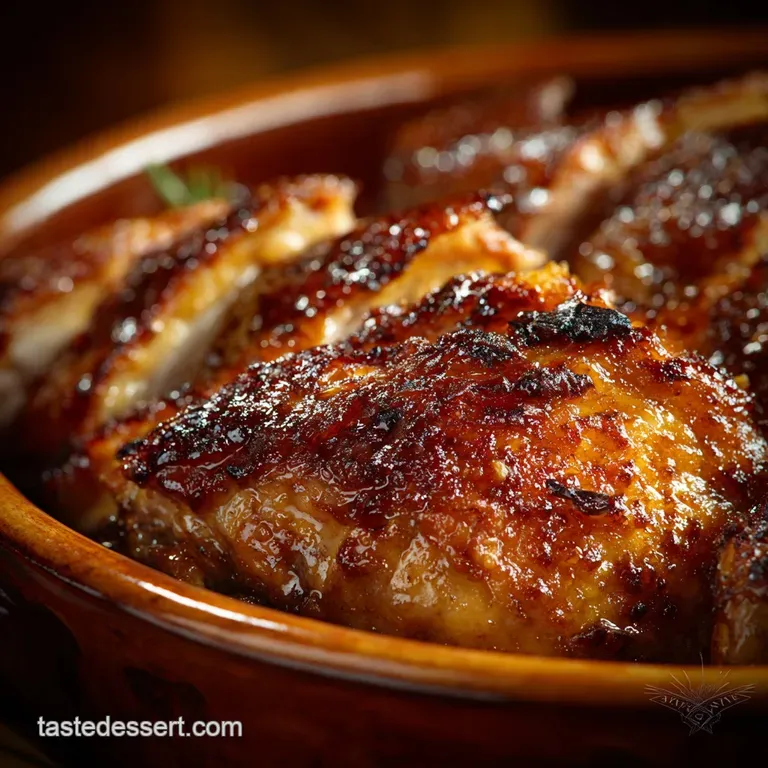
Initializing the Brine: Blooming the Aromatics and Spices
First, grab your giant stockpot. Combine 1 gallon of water with your salt and brown sugar, bringing this mixture to a rapid boil. Stir constantly until the solution is crystal clear this means the solids have completely dissolved. Remove it immediately from the heat.
Now, toss in your sliced ginger, all the herbs, peppercorns, and the quartered oranges. Cover the pot and let it steep for 10 to 15 minutes. This brief period is crucial for blooming the flavors!
Cooling the Solution to Safety Temperatures
Strain the hot brine through a large sieve into your final brining vessel, discarding all the spent aromatics. This is the moment to add your second gallon of water, which should be ice and cold, or even partially ice cubes. You must use a digital thermometer here.
The brine is ready only when the temperature reads below 40°F (4° C) . If it’s too warm, you risk turning your turkey into a science experiment for the wrong reasons.
Preparing the Turkey for Submersion (No Rinsing Required Yet)
Remove the turkey from its plastic wrapper and make sure you’ve dug out the giblets and neck from both cavities. Check the label again; if the bird is pre and brined or "Kosher," stop immediately! We only brine raw, untreated birds. Place the bird, breast side down, into the perfectly chilled brine solution.
Ensure it is fully submerged.
The Critical Timing: How Long to Brine by Bird Weight
This is where people make the most spectacular mistakes. The general rule is about 1 hour of brining time per 3 pounds of turkey.
- A 12 lb turkey needs 4 hours.
- A 15 lb turkey needs 5 hours.
- A 18 lb turkey needs 6 hours.
CRITICAL WARNING: Do not exceed 12 hours under any circumstance. Over and brining will result in a rubbery texture and a metallic, overly salty flavor that nobody wants. You are aiming for succulent, not "hammy."
Expert Tips for Perfecting Your Alton Browns Turkey Brine
Safety First: Maintaining the Chill Factor
Brining must happen in a refrigerated environment or a very cold spot (like a properly chilled cooler). The turkey and the brine must stay below 40°F (4°C) throughout the entire process. If you can’t manage that, don't risk it.
Troubleshooting: When Is My Brine Too Salty?
If you taste the cold, finished brine (yes, taste it!), and it’s unbearably salty, you likely used too much table salt or mis and measured the Kosher salt. Unfortunately, at this point, you can't really pull the salt back out of the solution.
You can, however, dilute the brine further with an extra quart of cold water and slightly reduce the total brining time.
The Crucial Post and Brine Rinse and Pat Dry
When the timer goes off, yank that turkey out! Discard the used brine immediately . Rinse the turkey thoroughly under cold running water I mean, truly rinse it, inside and out to remove any excess surface salt.
Then, the most important step for crispy skin: Pat the turkey absolutely bone and dry using paper towels.
Brining Vessel Options for Large Birds
Need something huge? Forget trying to fit a 20 pounder in your biggest stockpot. Use a clean, new 5 gallon food and grade bucket (sold at home improvement stores), or line an ice chest (cooler) with heavy and duty brining bags. Just make sure the vessel is food and safe and non and reactive.
Can I Freeze Leftover Brine Solution?
Since this brine solution has been in contact with raw poultry, you must discard it immediately after use. Never reuse or attempt to save brine that has held a raw turkey.
Complementary Gravy Strategies (Avoiding Over and Seasoning)
Since your turkey will be well and seasoned internally, you need to be cautious about adding too much salt to the accompanying components. I strongly advise making your gravy using unsalted homemade turkey stock. Use the concentrated pan drippings for flavor and color, but only add salt at the very end.
The drippings will likely be intensely savory already!
Logistics and Storage: Managing the Brining Process
After the crucial rinse and dry stage, I recommend placing the turkey back in the refrigerator, uncovered, for at least 4 hours or, ideally, overnight. This air and drying step is non and negotiable if you want truly crispy, golden skin when you roast it.
The cold air pulls even more moisture from the skin's surface.
Pairing Perfection: What to Serve Alongside a Brined Turkey
Because your bird will be intensely juicy and full of bright, complex flavor (thanks, ginger and orange!), you want sides that offer texture and complementary richness.
- For Crispy Skin: Once brined and air and dried, follow this simple over high heat method for maximum crispiness: Roast Turkey: The Chefs Herb and Butter Method for Moist, Golden Skin . The combination of this brine and that technique is killer.
- Hearty Sides: Pair the turkey with a classic sage dressing and maybe my recipe for Sweet Potato Hash Browns Guaranteed Crispy with Smoked Paprika . The sweetness from the potato plays perfectly against the savory, salty bird.
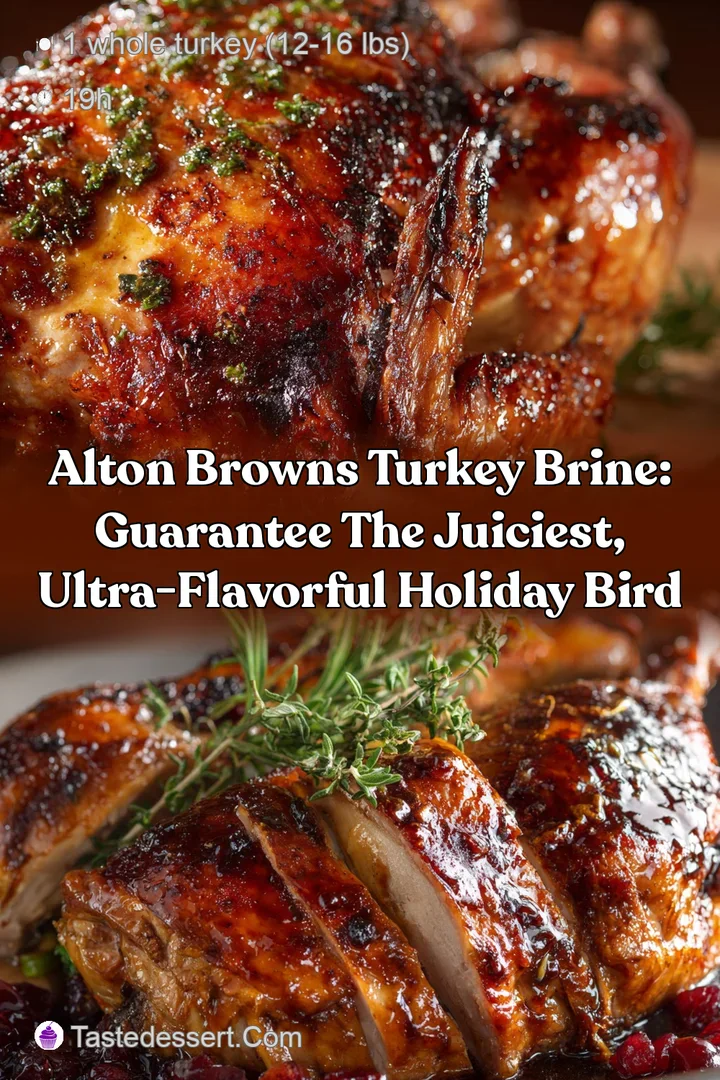
Recipe FAQs
How long should I brine the turkey, and can I over brine it?
A standard 12-16 lb turkey should brine for 12 to 16 hours, ensuring the salt solution fully penetrates the meat without adverse effects. While brining is beneficial, never exceed 24 hours, as extended exposure can break down muscle proteins, resulting in an unpleasantly spongy texture and excessively salty flavor.
Do I need to rinse the turkey after brining, and what should I do about drying the skin?
Yes, rinsing is a crucial step to remove any excess surface salt, which helps prevent the final cooked skin from being overpoweringly salty. Immediately after a quick rinse, the turkey must be thoroughly patted dry with paper towels, or even air-dried in the refrigerator for a few hours, to achieve crispy, golden brown skin during roasting.
Can I use kosher salt instead of the specified table salt, and does the ratio change?
You can certainly substitute kosher salt, but you must increase the volume because kosher salt crystals are much larger and therefore less dense than fine table salt. A general rule is to use 1.5 to 2 times the volume of kosher salt specified in the original recipe to achieve the correct salinity concentration.
Ensure the salt is fully dissolved before adding the turkey.
How do I handle the brining process if my turkey is too large for my refrigerator?
If refrigeration space is a concern, use a food safe brining bag placed inside a large, insulated cooler, which allows the turkey to be fully submerged with less liquid. To maintain safe temperatures below 40°F (4°C), fill the remaining cooler space with ice or frozen gallon jugs of water, checking the temperature often to ensure consistency.
What is the purpose of the sugar in this brine, and can I omit it for dietary reasons?
The sugar (or maple syrup/molasses) in the brine serves two functions: it balances the harshness of the salt and it aids in the caramelization process during roasting, promoting better browning.
While you can omit it, be aware that the final roasted skin may be slightly lighter, and the overall flavor profile will lean more sharply toward salt and herbs.
Can I use a previously frozen turkey, and does it need to be fully thawed before brining?
Yes, you can use a previously frozen turkey, but it must be entirely thawed before it enters the brine solution. A partially frozen bird will not absorb the brine evenly, leading to uneven seasoning and potentially mushy spots where the brine concentrated.
Ensure the turkey is fully thawed in the refrigerator before starting the brine bath.
After I remove the turkey, can I reuse the brine for another purpose?
No, the brine must be discarded immediately after use because it is considered contaminated with raw poultry juices (cross contamination). Due to the high risk of foodborne illness, the liquid cannot be boiled down, reused for a second bird, or incorporated into pan drippings or gravy.
Alton Browns Ultimate Turkey Brine
Ingredients:
Instructions:
Nutrition Facts:
| Calories | 209 kcal |
|---|---|
| Protein | 0.5 g |
| Fat | 0.2 g |
| Carbs | 52.8 g |
