Amish Friendship Bread: the Ultimate Cinnamon Swirl Loaf
- Unwrapping the Tradition: The Magic of Amish Friendship Bread
- The Science of Swirl: Why This Loaf is Exceptionally Moist
- Essential Pantry Staples for Your Cinnamon Swirl Loaves
- Baking Day Mastery: A Step-by-Step Guide to Preparation
- Troubleshooting Your Loaf: Expert Tips for a Perfect Bake
- Maximizing Freshness: Storing Your Homemade Friendship Bread
- Beyond the Slice: Elevated Serving Ideas for Amish Friendship Bread
- Managing the Magic: The Amish Friendship Bread Starter Cycle
- Recipe FAQs
- 📝 Recipe Card
Unwrapping the Tradition: The Magic of Amish Friendship Bread
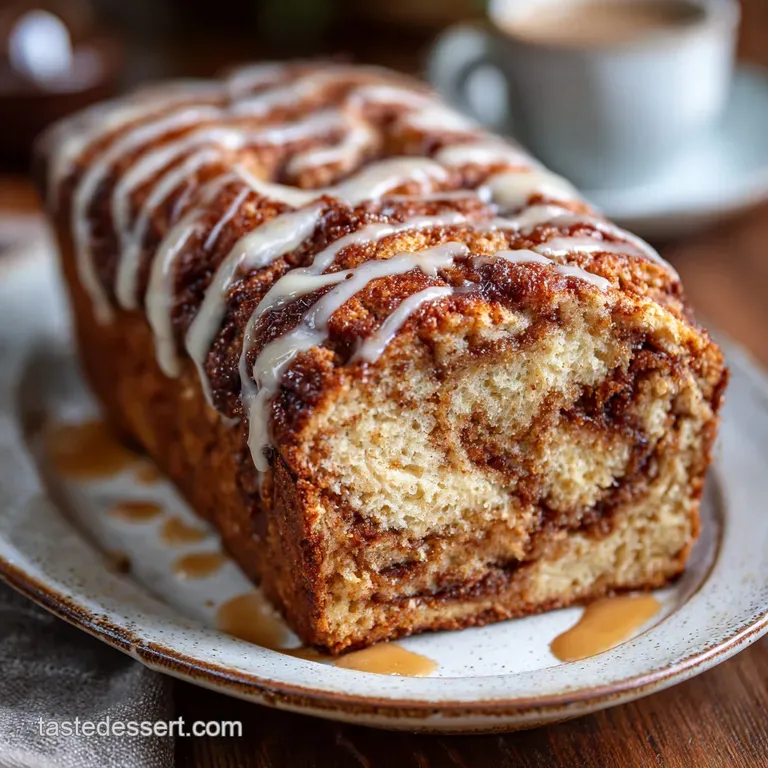
Imagine walking into your kitchen, and the air just smells hugged . That’s the aroma of fresh Amish Friendship Bread baking: a heady, warm blend of vanilla, sweet dairy tang, and enough fiery cinnamon to make your eyes water a little in the best way possible.
The texture is what really hooks you, though; it’s dense, moist, and almost cake like, with that perfect sugary crust giving way to a velvety, spiced crumb.
This quick bread is genuinely a lifesaver when you need a stunning treat without hours of kneading or proofing, perfect for sharing. Forget complex artisan loaves; this is comforting, simple baking at its absolute finest, yielding two big, beautiful loaves ready for gifting or, let's be honest, keeping entirely for yourself.
It’s also incredibly economical, turning a simple starter into something extraordinary.
I’m thrilled you’ve landed here, hopefully with a bag of bubbly starter in hand, ready for baking day! We’re going to run through the essential Amish Friendship Bread instructions and ditch the old, confusing internet advice.
Trust me, these tips will deliver the most flavorful, moist, and perfectly swirled loaf you’ve ever made.
The Science of Swirl: Why This Loaf is Exceptionally Moist
The Story Behind the Starter: Community and Sweet Gifting
The beautiful thing about the Amish Friendship Bread Starter is the tradition of sharing. It’s a literal gift that keeps giving, often passed from cook to cook in a Ziploc bag, fostering a connection through baking. It’s not just a recipe; it’s a commitment to community.
When you decide to bake, you are using the starter portion that is ready on Day 10, when the yeasty, fermented tang is at its peak.
Defining the Delicious: What Makes a Quick Bread Unique?
Unlike classic bread recipes that rely on yeast and time like my favourite Quick No Knead Bread: Artisan Loaf Ready in Under 3 Hours — this is a quick bread. That means we rely on chemical leaveners like baking powder and soda, reacting with the acid in the starter and milk to achieve lift. This allows the bread to bake up in under an hour, providing that wonderfully tender texture we crave.
A Cinnamon Swirl Masterpiece: Flavor Profile Breakdown
What separates this Amish Friendship Bread Recipe from standard coffee cake is the unique flavor complexity provided by the starter. It provides a subtle sour note a lovely tang that balances the overwhelming sweetness of the sugar and the robust spice of the cinnamon.
When baked, the sweet, buttery notes combine flawlessly with the sharp tang of the fermented culture.
Acid vs. Oil: Achieving the Ultimate Tender Crumb
The key to preventing dry quick bread is the fat source, and here, we use neutral oil, not melted butter. Oil remains liquid at room temperature, which guarantees a profoundly moist, tender crumb that stays soft for days.
The small amount of acid contributed by the starter activates the baking soda, further ensuring a beautiful lift without relying solely on the baking powder.
Optimizing the Starter pH for Maximum Rise
We use the starter on its final day Day 10 because that is when the pH level is perfectly optimized. The starter is most active and slightly acidic right after its final feeding, providing the necessary kick to react fully with the baking soda we add.
If you use a starter that has been sitting too long, the loaf might not rise as nicely, resulting in a denser, slightly flat result.
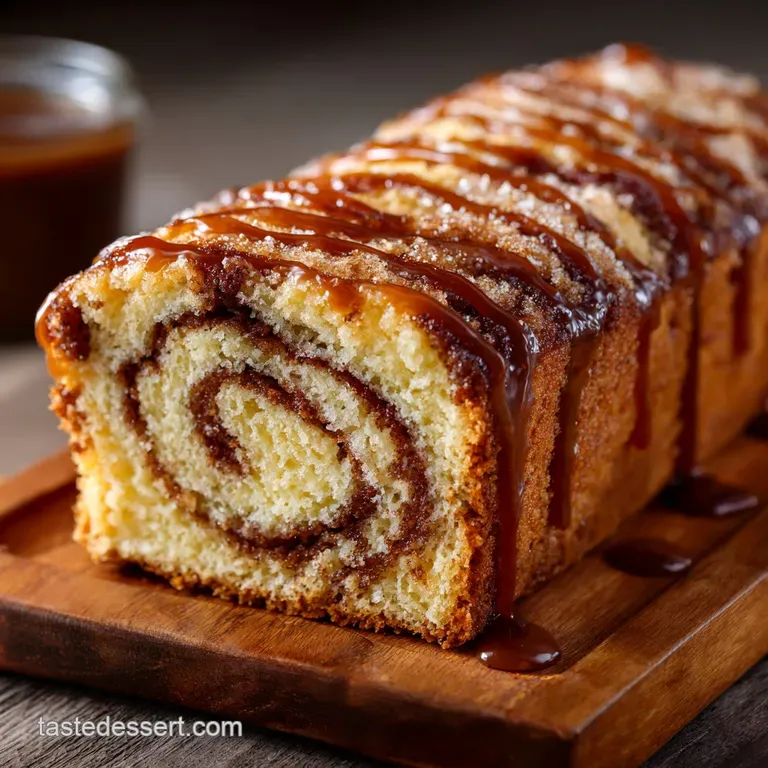
Perfecting the Cinnamon Ribbon: Preventing Sinkage and Seepage
Years ago, I used to just pour half the batter, dump all the cinnamon sugar on top, and then cover it. Bad idea! The sugar sinks right through, leaving a hard, gooey layer at the bottom. The secret is creating two distinct layers of batter and splitting the cinnamon mixture between them.
This technique creates that perfect, vibrant ribbon of spice right in the middle, and a lovely crisp layer on top.
Essential Pantry Staples for Your Cinnamon Swirl Loaves
Sourcing the Starter: Fresh or Frozen Amish Friendship Bread Starter?
Obviously, you need the starter itself. If you've just received a bag of Amish Bread Starter Recipes from a friend, great! Make sure it’s active and room temperature.
If you need to make your own from scratch, there are tons of reliable methods online, but the principle remains the same: flour, sugar, and yeast/milk allowed to ferment over 10 days.
Flour, Fat, and Sweetener: Key Ingredient Roles and Ratios
The main players are all-purpose flour, granulated sugar, and neutral oil. The flour provides structure, the sugar provides sweetness and aids in browning, and the oil guarantees that signature moisture. Stick strictly to the oil measurement; it’s not the time to be frugal!
The Secret Swirl Mix: Ratios for a Bold Cinnamon Layer
For the swirl, we use a generous amount of cinnamon. It’s important to use slightly more cinnamon in the swirl mix (1 tablespoon per 1/2 cup sugar) than in the main batter (1 teaspoon per 2 cups flour). This strong ratio ensures the spice doesn’t get lost in the dense, sweet batter.
Dairy Alternatives and gluten-free Swaps That Maintain Texture
Need to make adjustments? I’ve got you. Here are some reliable substitutions that won’t ruin your loaf:
| Ingredient | Viable Substitute | Notes |
|---|---|---|
| Whole Milk | Oat Milk or Buttermilk | Oat milk works beautifully for richness; if using buttermilk, omit the baking soda as the extra acid may over activate the rise. |
| All-Purpose Flour | 1:1 gluten-free Baking Blend | Ensure the blend contains xanthan gum for structure. |
| Neutral Oil | Melted Coconut Oil (Cooled) | Must be tasteless. Do not use standard olive oil; the flavour is too strong. |
| Vanilla Extract | Almond Extract (1/2 tsp) | Use less, as almond extract is highly potent, providing a lovely nutty depth. |
Baking Day Mastery: A step-by-step Guide to Preparation
Preparing the Wet and Dry Components (The Initial Mix)
Start with your oven preheated to 325°F (160°C). First, combine the wet ingredients: eggs, oil, milk, and vanilla. Make sure they are all room temperature this is vital for proper mixing. In a separate bowl, whisk your dry components: flour, sugar, salt, baking soda, and baking powder.
Creating the Signature Cinnamon Sugar Swirl Layer
This is the fun part! Once the batter is just combined don’t overmix it, please pour half into your prepared pans. Sprinkle half of the dedicated cinnamon sugar mixture right over that first layer of batter.
Then, gently spoon the remaining batter on top, spreading carefully so you don't drag the bottom layer upward. Finish by sprinkling the rest of the cinnamon sugar mix right on top.
The Pan Prep and Oven Setup for Uniform Baking
Did you see my tip in the recipe card about coating the pans? After greasing the pans with soft butter, dust them with that small mix of sugar and cinnamon. This trick ensures a gorgeous, lightly spiced crust and prevents sticking better than flour alone.
Place the pans on the center rack; this provides the most even, consistent heat penetration for these dense loaves.
Testing for Doneness: Achieving the Ideal Golden Crust
Since we are baking these at a slightly lower temperature (325°F) for a longer period, they develop a fantastic golden crust without burning. Start testing at 50 minutes. The sides should pull away slightly from the pan.
Chef's Note: The center is the last place to cook through on this specific quick bread. Always use a long wooden skewer or toothpick and insert it deeply into the thickest part. If it comes out with moist crumbs attached, you are done. If it comes out wet, give it five more minutes.
Troubleshooting Your Loaf: Expert Tips for a Perfect Bake
The difference between a perfect Cinnamon Swirl Bread Recipe and a disaster often comes down to just a few minutes of mixing or a few degrees of oven heat. People often struggle with the middle sinking or the loaf turning out too dry. Let's fix that now.
The Toothpick Test: Ensuring the Center is Cooked Through
If you are consistently struggling with a gooey middle, your oven might be too hot, causing the outside to set too quickly. Use that internal temperature check frequently. If the top is browning too fast before the center is cooked, lightly tent the loaves with aluminum foil for the last 15 minutes of baking.
Why Your Loaf Might Be Sinking (And How to Prevent It)
The two biggest causes for sinking are overmixing and opening the oven door too soon . When you overmix the batter, you develop too much gluten.
This creates air bubbles that expand rapidly in the oven but lack the support structure to hold their shape once cooled, causing them to collapse. Resist the urge to peek during the first 40 minutes!
Temperature Control: Avoiding a Dry or Crumbly Texture
Remember that rule about oil being better than butter for long lasting moisture? You also need to pull the loaf exactly when the center is just done. Overbaking quick breads by even five minutes can turn a moist treat into a dry, crumbly disappointment. If you want an incredibly moist autumn loaf, you might also love my Pumpkin Banana Bread Recipe: Ultimate Moist and Spiced Autumn Loaf — it uses similar oil-based techniques.
Maximizing Freshness: Storing Your Homemade Friendship Bread
Short Term Storage: Counter vs. Refrigerator Guidelines
This bread is so moist due to the oil and starter that it stores wonderfully on the counter for up to four days. Once cooled completely, wrap the loaf tightly in plastic wrap, then place it in an airtight container.
If you live in a very humid environment, storing it in the fridge might extend its life slightly, though it can dry it out faster.
Freezing the Loaves: Best Practices for Long Term Preservation
But does it freeze well? You bet! Allow the loaves to cool entirely first. Double wrap them tightly in plastic wrap, then wrap them again in aluminum foil or place them in a freezer bag. Label clearly with the date. They will keep beautifully for up to three months.
To thaw, just let them sit on the counter overnight, still wrapped.
Reviving Day-Old Bread: Warming and Refreshing Methods
If you want that fresh baked warmth and softness back, slice the day-old bread thickly. You can pop the slice in the microwave for 10 seconds, or my favorite method: toast it lightly in a toaster oven. A little bit of warmth and a brush of melted butter or a slice of sweet cream cheese makes it taste brand new.
Beyond the Slice: Elevated Serving Ideas for Amish Friendship Bread
This loaf is divine on its own, but we can make it an event, can't we? This dense, cake like texture makes it versatile for more than just snacking.
- Breakfast Bread Pudding: Cubed and soaked in a custard base, this bread makes an unbelievably rich and spiced bread pudding.
- A Simple Glaze: Whisk together 1 cup of powdered sugar with 2 3 tablespoons of milk or lemon juice for a quick, elegant glaze poured over the Amish Bread Recipes .
- The Brunch Spread: Serve slices alongside fresh fruit, yogurt, and a small pot of homemade Pumpkin Butterscotch Bars: Gooey Autumn Spice Shortbread Dessert for an epic morning spread.
Managing the Magic: The Amish Friendship Bread Starter Cycle
Remember that you only used 1 cup of starter for this entire recipe. If you want to keep the cycle going which is the whole point of Friendship Bread —you need to feed the remaining starter immediately.
Add 1 cup each of flour, sugar, and milk to the existing bag, mush it gently, and start the 10 day process over again. Don’t wait too long, or the poor thing will starve!

Recipe FAQs
What if I don't have an established Amish Friendship Bread starter?
This bread requires an active, fermented starter to provide its signature moisture and subtle tang, so a direct substitution with regular ingredients is not possible. You must either obtain one from a friend or create one from scratch using flour, sugar, yeast, and milk.
Plan ahead, as the starter takes 10 days to properly develop before you can use it for baking the final bread.
My bread seems dry or crumbly. What might have gone wrong?
A dry texture usually indicates overbaking or using a starter that was too thick. Ensure your oven temperature is accurate and check for doneness strictly at the minimum bake time using the skewer test, as even five minutes too long can dry out the loaves.
If your starter looked excessively dense, you may need to add a tablespoon or two of milk to the final batter mixture for adequate hydration.
Can I substitute the vegetable oil in the recipe with butter?
While butter adds a nice depth of flavor, vegetable oil is highly recommended for this recipe because it contributes significantly to the signature moist, tender crumb structure essential for quick breads.
If you substitute, use an equal amount of melted butter but be aware that the resulting texture may be slightly denser and prone to drying out faster. For best results, stick to a neutral oil.
How should I properly store and freeze Amish Friendship Bread?
Once the loaves have cooled completely, store the bread tightly wrapped in plastic wrap at room temperature for up to 3 days, or in the refrigerator for up to a week. For long term storage, wrap the cooled loaves tightly in aluminum foil followed by placement in a heavy duty freezer bag, where they will maintain quality for up to three months.
Thaw overnight at room temperature before serving.
How do I know when the loaf is fully baked, given the moist cinnamon swirl?
Due to the depth of the loaf and the dense, moist swirl, careful monitoring is necessary. Insert a long wooden skewer or toothpick deep into the center of the loaf; it should come out clean or with only moist, sticky crumbs attached, not wet batter.
For precision, the internal temperature, ideally measured near the center of the loaf, should register between 200 210°F (93 99°C).
I want to add different mix-ins, like dried fruit or nuts. When should I incorporate them?
Mix-ins are a wonderful way to vary the flavor! Gently fold up to 1 cup total of additions such as chopped nuts, chocolate chips, or raisins into the batter right before you divide and pour it into the prepared loaf pans.
Be careful not to over mix at this stage, as excessive stirring can activate the gluten and lead to a tough final bread.
Can I make this recipe dairy-free or gluten-free?
Making this bread dairy-free is straightforward: simply substitute the milk required for the starter and the final batter with a neutral plant based milk alternative like almond, soy, or oat milk.
Achieving a truly gluten-free result is more challenging due to the starter's reliance on specific wheat starches, but specialized gluten-free starter mixes may be attempted with varying success.
Amish Friendship Cinnamon Swirl Loaf
Ingredients:
Instructions:
Nutrition Facts:
| Calories | 478 kcal |
|---|---|
| Protein | 18.1 g |
| Fat | 21.9 g |
| Carbs | 52.0 g |
