Asian Edamame Fried Rice: Emerald Isle Recipe for a Speedy Dinner
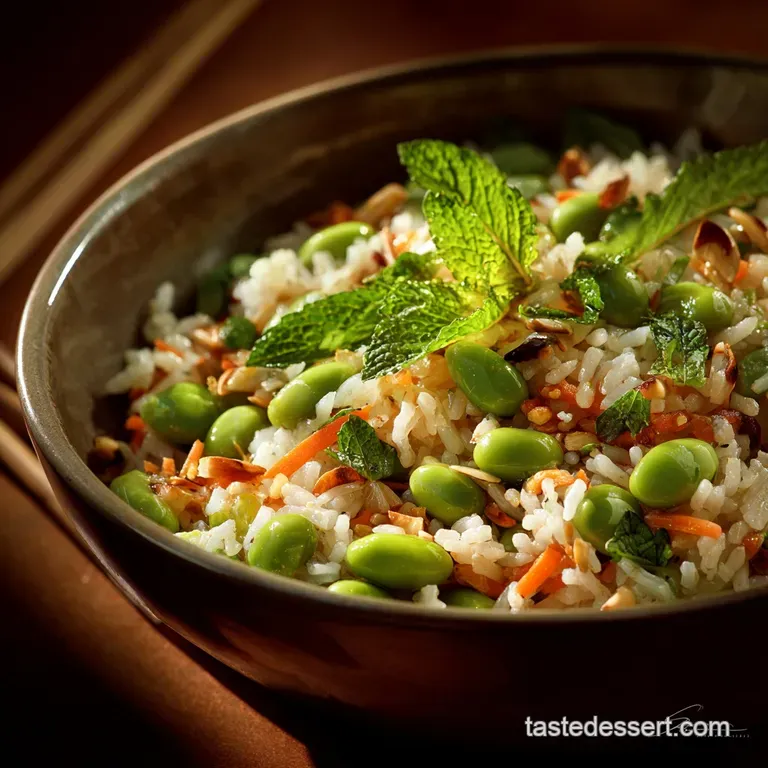
- The Perfect Weeknight Meal: Introducing Asian Edamame Fried Rice
- Essential Ingredients and Swaps for Asian Edamame Fried Rice
- Achieving Wok Hei Flavor at Home: The Science of Texture
- Step-by-Step: How to Make Emerald Isle Fried Rice
- Chef's Corner: Tips for Perfect Fried Rice Every Time
- Prep Ahead and Storage: Keeping Your Fried Rice Fresh
- What to Serve Alongside Your Emerald Isle Fried Rice
- Recipe FAQs
- 📝 Recipe Card
The Perfect Weeknight Meal: Introducing Asian Edamame Fried Rice
Honestly, is there anything more comforting than a hot bowl of fried rice? The aroma of sizzling sesame oil and sharp garlic hits you first, then comes the texture that slightly dry, perfectly separated rice grain combined with the sweet, protein packed pop of edamame.
This isn’t the gloopy, greasy stuff you sometimes get at subpar takeouts; this recipe is vibrant, fresh, and deeply savory.
This Edamame Fried Rice is my absolute go-to lifesaver when the fridge looks empty and I have zero patience for complex cooking. It literally uses up leftover rice, requires minimal chopping, and thanks to the edamame, it feels substantial and healthy enough to be a full meal.
You can have a restaurant quality dinner ready faster than the delivery driver could even get out of the car.
We are diving deep today, because I want you to master that elusive crispy texture that makes fried rice truly spectacular. Forget everything you think you know about using low heat. We’re turning the dial all the way up, baby.
What Makes "Emerald Isle" Fried Rice Unique?
The secret to this recipe is the speed, the heat, and the edamame. We call it "Emerald Isle" fried rice because those bright green soybean gems are the star, adding tons of fiber and protein that traditional fried rice often lacks.
Because edamame is a slightly tougher vegetable than, say, peas, it holds up beautifully to the intense heat and doesn't turn mushy. We toss the vegetables separately and quickly , ensuring they remain crisp tender, not steamed and soggy.
This controlled chaos is the entire reason this dish works so well.
Fried Rice Faux Pas: The Mistakes We Avoid
My friends, I have made every mistake in the fried rice book, mainly involving wet ingredients. The number one sin is using freshly cooked rice; it’s too damp, steaming the dish rather than frying it, resulting in wallpaper paste rice. You must use day-old, chilled rice.
The second major mistake is overcrowding the pan. When you jam too much stuff into your wok, the temperature immediately plummets, and everything starts boiling instead of searing. If you are cooking for more than four people, please cook the rice in two batches.
Is This Speedy Meal Actually Easy to Master?
Yes, it really is easy, provided you nail the preparation. I promise the actual cook time is under ten minutes, making this incredibly rapid. Success here hinges entirely on your mise en place (having all your ingredients prepped and ready to toss). Once the wok is smoking hot, you literally have seconds between adding the aromatics and scorching them. Just chop everything first, measure the sauces, and then you can cook like a true professional. For another weeknight champion, you might check out my Spicy Shrimp Fried Rice Quick Umami Recipe for Weeknights .
Essential Ingredients and Swaps for Asian Edamame Fried Rice
I always encourage flexibility in the kitchen, especially for fast weeknight dinners. Here are the core building blocks for this dish, and what you can use if you are missing something crucial.
| Ingredient | Why We Use It | Substitution Suggestion |
|---|---|---|
| Day-Old Rice | Starch structure is dry and separated. | Fresh rice frozen for 30 minutes, then broken up. |
| Shelled Edamame | Protein, texture, and color pop. | Frozen green peas or shelled fava beans. |
| Oyster Sauce | Provides essential, deep umami flavor. | Vegetarian mushroom sauce (perfect for vegan swap). |
| White Pepper | Classic, subtle Asian spice profile. | Black pepper (use half the amount), or skip it entirely. |
| Jasmine Rice | Aromatic and the perfect texture. | Basmati or another long grain white rice. |
Achieving Wok Hei Flavor at Home: The Science of Texture
"Wok hei," or the breath of the wok, is that beautiful, slightly smoky char you get from professional cooking at impossibly high temperatures. We can replicate this at home by focusing on three things: extreme heat, minimal liquid, and constant movement. If your oil is smoking, you are doing it right.
Selecting and Preparing Your Edamame (Fresh vs. Frozen)
Look, unless you live next door to a soybean farm, stick with frozen shelled edamame. It's already blanched, which means it only needs to be reheated, not cooked from scratch. Just make sure you thaw it fully before you throw it into the pan.
Dry Edamame is happy Edamame , meaning excess moisture will kill the frying process.
The Core Flavor Base: Soy Sauce, Sesame Oil, and Aromatics
We use a mix of soy sauce for salt and color, and oyster sauce (or the vegetarian version) for a rich, almost caramelized depth. Don't add the toasted sesame oil until the absolute end; it burns easily under high heat, losing its delicate flavor.
We also rely on fresh ginger, garlic, and the white parts of the scallions to build a foundation of flavor before the rice even hits the pan.
The Role of Day-Old Rice: Starch Structure Explained
I know I sound like a broken record, but this is non-negotiable! When rice cools in the refrigerator, the starch molecules crystallize. This process, called retrogradation, hardens and dries out the grains.
If you use freshly cooked, hot rice, the moisture immediately turns to steam when it hits the hot pan, giving you a mushy, sticky mess. Cold rice will truly fry and toast, which is exactly what we want.
Making It gluten-free or Vegan: Simple Ingredient Swaps
It's ridiculously easy to customize this. To make it gluten-free , simply swap out the standard soy sauce for Tamari or coconut aminos. Check your oyster sauce label, or better yet, use a GF-certified brand.
For a delicious Vegan alternative, omit the eggs entirely, and swap the oyster sauce for a good quality vegetarian mushroom sauce (it provides that same deep umami richness). You won't miss a thing, I promise.
step-by-step: How to Make Emerald Isle Fried Rice
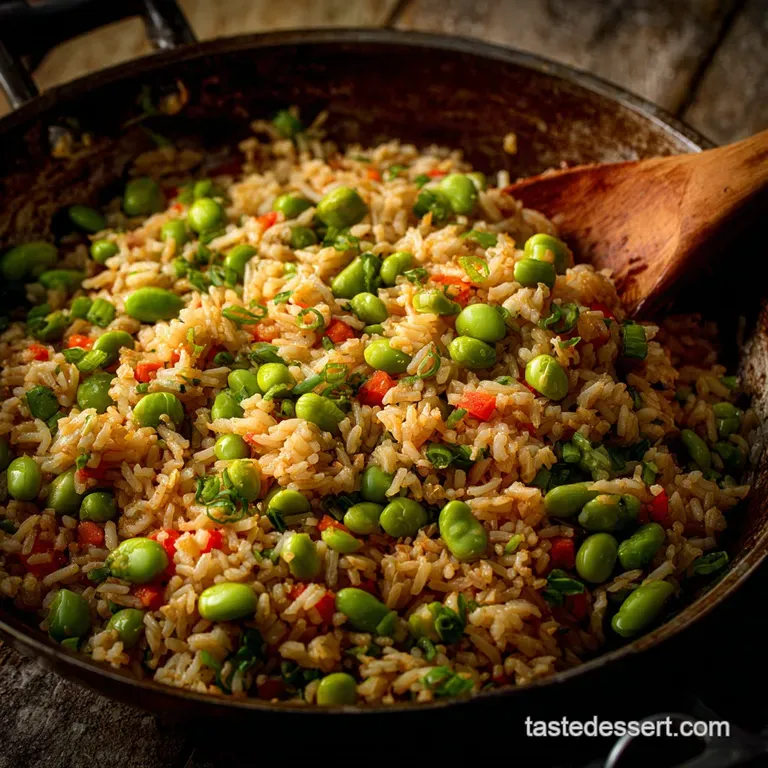
Prep First: The Mise en Place for Speed and Success
- Prep the Sauce: Whisk together the soy sauce, oyster sauce, and white pepper in a small bowl. Set aside.
- Prep the Eggs: Lightly whisk the three eggs with a pinch of salt. Have your chopped carrots, minced garlic, ginger, and separated scallions ready to go.
- Prep the Rice: Take the cold rice and gently break up any large clumps with your hands. This step is non-negotiable for separate grains.
High Heat, Quick Toss: Mastering the Umami Crust
- Cook the Eggs: Heat 1 tablespoon of oil over medium high heat. Pour in the eggs and gently scramble them until they are just set but still slightly soft (about 45 seconds). Remove immediately and chop into small pieces.
- Sauté Aromatics: Add the remaining oil to the wok and crank the heat to HIGH until the oil is shimmering or starting to smoke slightly. Add the white parts of the scallions, garlic, and ginger. Stir fry rapidly for 30 seconds until intensely fragrant don't let the garlic brown!
- Add Carrots: Toss in the diced carrots. Cook for 1 minute until they soften just enough to lose their raw edge, but still have a nice bite.
The Edamame and Rice Integration Technique
- Add Rice: Dump the cold, pre-separated rice into the wok. Use the back of your spatula to press the rice against the pan surface, giving it maximum heat contact. Stir fry aggressively for 3– 5 minutes. You are trying to dry the rice out further and achieve a toasted flavor.
- Introduce Edamame: Add the thawed edamame to the rice mixture and stir fry for 1 minute just to heat them through thoroughly.
Finishing Touches and Plating
- Sauce and Egg: Push the rice mixture to one side of the wok. Pour the prepared sauce directly onto the clear space of the pan (where the heat is highest) and let it bubble for two seconds. Quickly incorporate the rice into the sauce and return the cooked egg pieces.
- Toss Vigorously: Stir and toss constantly until the rice is uniformly coated in the sauce and has a beautiful, rich color (about 1 minute).
- Finish: Remove the wok from the heat immediately. Stir in the toasted sesame oil and the green parts of the spring onions. Serve immediately while it's piping hot.
Chef's Corner: Tips for Perfect Fried Rice Every Time
Crucial Tip: Never, ever add water or stock to fried rice to make it "juicier." The resulting steam will turn your perfect grains into glue. The only liquid that goes in is the small amount of sauce, and that needs to happen fast.
The key to great fried rice is getting maximum heat and minimum moisture. If your stovetop can handle it, heat your wok until it’s almost glowing before adding the oil. If you notice your pan temperature dropping dramatically when you add the rice, remove some of the rice and fry it in smaller batches.
That high, fierce heat is what prevents steaming and encourages that beautiful wok hei .
Prep Ahead and Storage: Keeping Your Fried Rice Fresh
The Secret to Non-Soggy Fried Rice
The primary enemy of good fried rice is moisture. You must drain your cooked eggs and any other added liquids before returning them to the wok. If you are using frozen edamame, make sure it’s completely thawed and patted dry with a paper towel. Dry ingredients lead to crispy rice.
Troubleshooting: Why is My Rice Sticking?
If your rice is sticking to the pan, one of two things is happening: either your heat isn't high enough, or you didn't use enough oil. Don't be shy with the neutral oil; it's essential for carrying the heat and preventing sticking.
If you're using a stainless steel pan, make sure it's fully hot before adding the oil, and the oil is fully hot before adding the rice.
Reheating Best Practices (Maintaining texture)
Microwaving turns fried rice dry and tough. I strongly recommend reheating fried rice in a skillet or wok over medium high heat. Add a tiny splash of oil and toss constantly for 3– 4 minutes until piping hot. This revives the crispiness beautifully.
How Long Does Homemade Asian Edamame Fried Rice Last?
Because of the rice, you need to be cautious. Store leftovers in an airtight container in the refrigerator for up to 3 or 4 days. While you can freeze fried rice (spread it flat in a freezer bag), the texture is never quite the same when thawed.
If you must freeze it, reheat it thoroughly in a very hot wok.
What to Serve Alongside Your Emerald Isle Fried Rice
This Edamame Fried Rice is fantastic as a complete meal, thanks to the high protein content. But if you’re trying to build a proper feast, I have a few suggestions that perfectly complement the flavors. It’s always good to mix textures and temperatures.
Simple Side Salads and Pickles (Quick Complements)
A light, vinegar based side dish is perfect for cutting through the richness of the fried rice. Try a quick Asian cucumber salad (cucumber slices tossed with rice vinegar, a pinch of sugar, and a dash of sesame oil).
For those who enjoy big, bold flavors, serving a scoop of kimchi or quick pickled radishes adds a marvelous acidic counterpoint.
Turning Edamame Fried Rice into a Main Course Feast
If you are serving guests or need to stretch the meal, this rice makes an incredible side dish to rich, sticky proteins. It pairs beautifully with something like my Asian Glazed Chicken Drumsticks Ultra Sticky Honey Ginger Glaze , where the sweet glaze complements the savory rice perfectly. Or, if you happen to have a large batch of rice cooked already, try contrasting the flavor profile with something totally different, like a big pot of Spanish Chicken and Rice: Authentic One-Pot Recipe with Chorizo and Saffron .
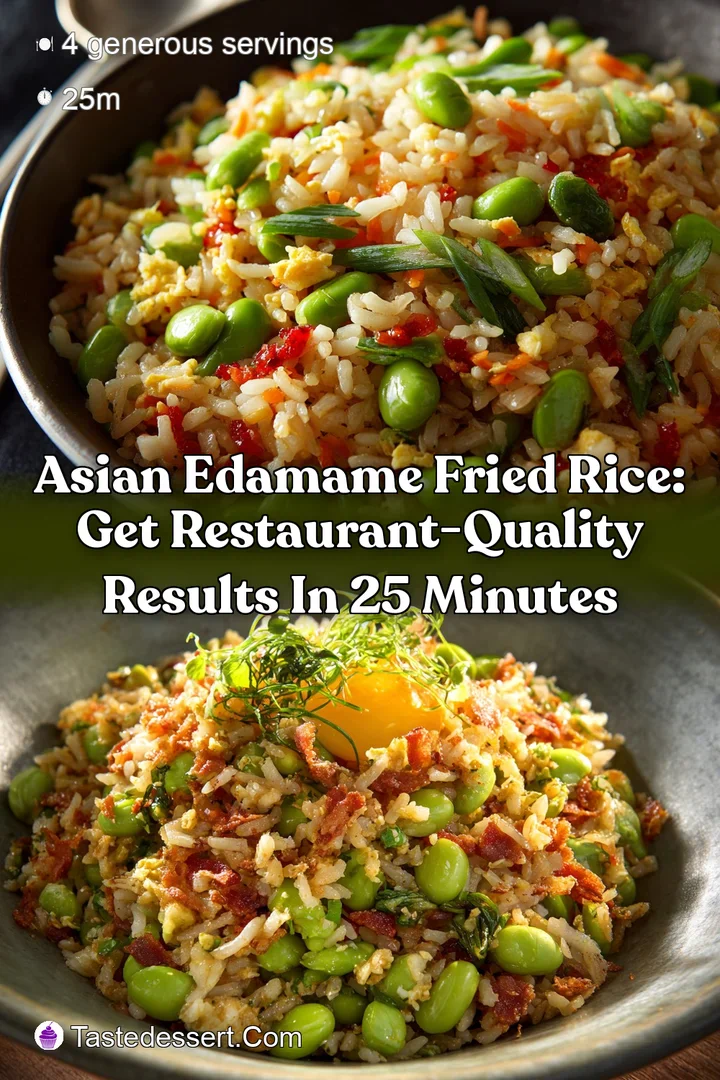
Recipe FAQs
Why is my Edamame Fried Rice turning out wet or soggy?
Sogginess is usually caused by using freshly cooked, warm rice, which releases too much steam into the pan. Always use rice that has been cooked and fully refrigerated (ideally overnight); the cold, dried starches hold their shape better.
I don't have a high powered wok. How can I achieve that "restaurant quality" char?
That smoky flavor, known as Wok Hei, is difficult to replicate on a standard home range. To compensate, ensure your heaviest pan (cast iron is best) is smoking hot before you start, and cook the rice in two smaller batches.
Can I make this Edamame Fried Rice completely vegan or plant based?
Yes, absolutely. If the base recipe includes egg, simply omit it and use a high heat neutral oil (like peanut or grapeseed) instead of butter, if specified. Use mushroom based soy sauce or nutritional yeast to ensure you retain that crucial umami depth.
How crucial is it to use cold, day-old rice?
Using cold rice is the most critical technical element of any successful fried rice recipe. When rice is refrigerated, the starches dry out and solidify, preventing the grains from sticking together and allowing them to crisp up properly when tossed in the high heat wok.
I need a substitute for edamame. What else works well in this recipe?
Excellent substitutes for edamame are firm vegetables that hold their texture and provide a pop of color. The best options are frozen peas, shelled and lightly blanched fava beans, or finely diced, firm green beans.
What is the best way to store and reheat leftover fried rice?
Store leftovers in an airtight container in the refrigerator for up to 3 to 4 days, ensuring they are cooled quickly after cooking. To reheat, stir fry the rice quickly in a hot pan with a small splash of oil, as this retains the crispy texture better than microwaving.
How can I reduce the overall sodium content without losing flavor?
Start by using low-sodium soy sauce as the primary adjustment, which cuts sodium by nearly 40%. You can also replace a portion of the soy sauce with fresh lime juice or rice vinegar, enhancing flavor through fresh aromatics like ginger and garlic.
Asian Edamame Fried Rice Weeknight Meal
Ingredients:
Instructions:
Nutrition Facts:
| Calories | 586 kcal |
|---|---|
| Protein | 21.4 g |
| Fat | 18.6 g |
| Carbs | 76.5 g |
