Asian Glazed Chicken Thighs: Sticky Honey-Ginger Weeknight Dinner
- Welcome to Your New Weeknight Obsession
- The Science of Sticky: Why This Asian Glazed Chicken Thighs Recipe Works
- Essential Components for the Sticky Honey-Ginger Glaze
- Detailed Step-by-Step Instructions for Asian Glazed Chicken Thighs
- Mastering the Glaze: Chef’s Tips and Troubleshooting
- Proper Storage and Reheating for Meal Prep
- What to Serve With Asian Glazed Chicken Thighs
- Recipe FAQs
- 📝 Recipe Card
Welcome to Your New Weeknight Obsession
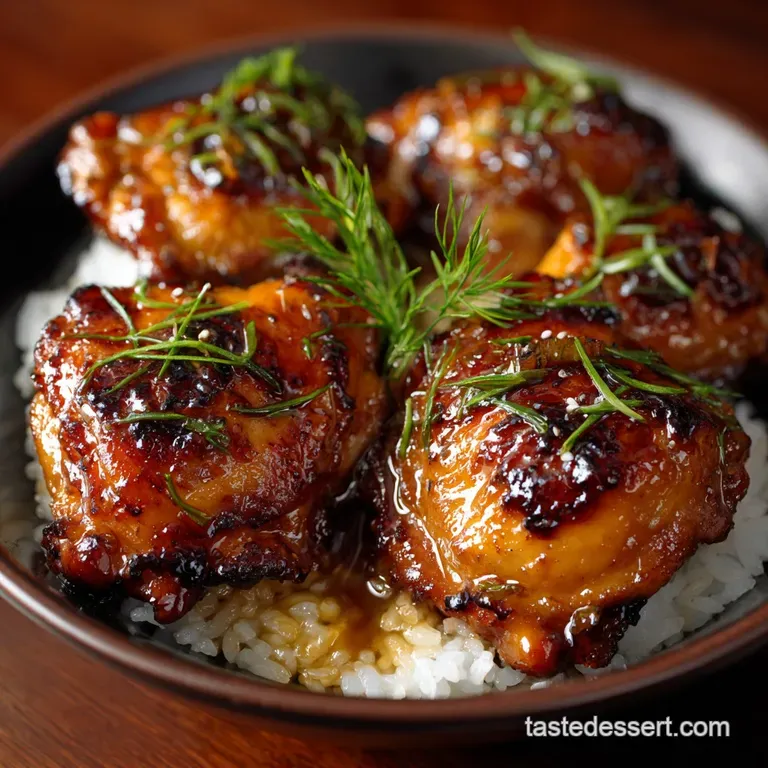
I swear, the scent alone is worth the 40 minutes of total time. It hits you right when the ginger and garlic melt into the hot, sticky sauce, creating this intensely savory and slightly sweet fog that takes over your kitchen.
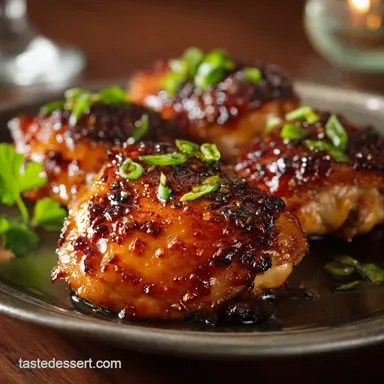
The finished dish delivers that deep, caramelized brown crust you crave, holding a glorious, glossy sheen that looks like pure flavor.
This Asian Glazed Chicken Thighs recipe is truly a lifesaver for those chaotic Tuesday evenings. It relies on humble, inexpensive ingredients you probably already have in the pantry, and the best part?
Chicken thighs are incredibly forgiving, so even if you get distracted by a text or forget them in the oven for an extra minute, they stay juicy. Maximum flavor for minimum effort that’s my kind of cooking.
Forget those dry, bland pieces of poultry that require industrial amounts of dipping sauce to enjoy. We are aiming for sticky, succulent perfection that’s ready for the table faster than you can order takeout. Let's crack on and get this gorgeous, shiny goodness cooking.
The Science of Sticky: Why This Asian Glazed Chicken Thighs Recipe Works
The Magic of Dark Meat: Flavor and Texture
We are using chicken thighs for a reason, my friend. They contain more fat and connective tissue than breasts, which essentially acts as built-in insurance against drying out. This higher fat content absorbs the incredible umami from the soy and sesame oil, delivering a depth of flavor that white meat simply cannot touch.
Oven vs. Stovetop: Choosing Your Cooking Method
This recipe works beautifully with both methods because we combine them! We start with a over high heat sear on the stovetop to build flavor quickly, then finish it either covered on low heat or in a moderately hot oven.
Using an oven safe skillet is the cheat code here , allowing you to transfer seamlessly without losing any of that precious fond stuck to the bottom of the pan.
Prepping Ahead: The Marinating Game Plan
Unlike some dry rubs that need hours, this glaze is acidic thanks to the rice vinegar, meaning you don't want to leave the chicken soaking too long. A simple, 15 minute coat is enough time for the garlic and ginger to start chatting with the meat.
If you really want to prep ahead, just whisk the glaze together and store it separately; toss the thighs in it just before searing.
Achieving the Perfect Umami Balance
Umami is that savory depth that makes Asian Glazed Chicken Thighs so addictive. We achieve this complexity by layering sources: the fermented goodness of soy sauce, the richness of sesame oil, and a balanced shot of savory garlic and sharp ginger.
The Maillard Reaction: Browning for Depth
The Maillard reaction is just the fancy term for browning , and it’s critical. We sear the boneless thighs before adding the sugary glaze. If you introduce the sauce too early, the sugar burns before the meat browns, leaving you with acrid black bits instead of a deep, gorgeous crust.
Balancing Sweetness and Heat in the Glaze
The combination of honey and brown sugar provides the stickiness, but the whole thing would taste like a dessert without balance. That’s where the rice wine vinegar steps in. It provides the crucial acidity needed to cut through the richness and sweetness, making the overall flavor bright, rather than heavy.
Essential Components for the Sticky Honey Ginger Glaze
Selecting the Best Cut: Bone-In or Boneless Thighs?
I prefer boneless, skinless chicken thighs for this specific Sticky Asian Chicken Thighs recipe because they cook quickly and evenly, soaking up the glaze beautifully. If you choose bone-in, budget an extra 10- 15 minutes of cooking time, and always check the internal temperature with a thermometer.
Fresh Aromatics: Ginger, Garlic, and Scallions
Do not, I repeat, do not use dried garlic powder or the kind of ginger paste that comes in a jar. Using freshly grated ginger (a microplane is your best friend!) releases those potent essential oils that make this dish fragrant and vibrant.
Glaze Base Substitutions (Soy Sauce Alternatives)
| Ingredient | Role | Substitute Option |
|---|---|---|
| Low Sodium Soy Sauce | Salty Umami Base | Tamari (gluten-free) or Coconut Aminos (Paleo/Lower Sodium) |
| Honey | Sweetness, Stickiness | Maple Syrup or Agave Nectar |
| Rice Wine Vinegar | Acidity/Balance | Apple Cider Vinegar (Use 3/4 the measurement) |
| Brown Sugar | Deep Caramelization | Granulated Sugar (Will lose a touch of molasses flavor) |
The Sweet Factor: Adjusting the Honey Ratio
We use a combination of honey and brown sugar because honey provides that gorgeous, syrupy stickiness we want, and the molasses in brown sugar adds a deep complexity. If you only have one, feel free to slightly adjust the amount, but know that using pure maple syrup will also give a slightly different, but still delicious, flavor profile.
Detailed step-by-step Instructions for Asian Glazed Chicken Thighs

Step 1: Preparing the Sticky Marinade
First, pat those boneless thighs bone dry this is non-negotiable for a perfect sear. In a large measuring jug, whisk together the soy sauce, water, honey, brown sugar, grated fresh ginger, minced garlic, rice vinegar, and toasted sesame oil.
If you are using cornstarch to guarantee thickness , whisk it into the cold liquid now before adding it to the heat later.
Step 2: Searing the Thighs for Maximum Crust
Get your skillet, preferably cast iron, screaming hot over medium high heat with your cooking oil. Place the dry, seasoned thighs into the pan and leave them alone for 3 to 4 minutes until they have a beautiful, dark golden crust.
Seriously, don't touch them; this focused time builds flavor depth and sets the foundation for a truly delicious finished product.
Step 3: Achieving the Deep, Caramelized Reduction
Flip the thighs, then pour three quarters of the glaze mixture directly over the meat in the hot skillet. Reserve the remaining glaze. If using the stovetop, reduce the heat to medium low and simmer gently for about 15 minutes, allowing the sauce to slowly thicken as the thighs cook through.
For the oven method, transfer the skillet to a 400°F (200°C) oven and bake until the internal temperature reaches 165°F (74°C).
Step 4: The Final Basting and Resting Period
Once the thighs are cooked through, remove them from the pan and let them rest on a cutting board, covered loosely with foil. While they rest, return the skillet to the stovetop on high heat. If the sauce isn't thick enough yet, stir in the remaining reserved glaze and boil vigorously for 2 minutes until it becomes thick and syrupy, like the glaze on my famous Crockpot Sesame Chicken: The Ultimate Sticky, Simple Slow Cooker Recipe . Return the rested thighs to the pan and roll them around until they are fully coated in that glossy, sticky reduction.
Crucial Chef’s Note: The difference between a beautifully sticky sauce and a burned sugar mess is about two minutes of high heat reduction. Don't walk away during the final boil!
Mastering the Glaze: Chef’s Tips and Troubleshooting
Fixing a Glaze That Won't Thicken
If your glaze looks watery after the thighs are cooked, don't panic. The key is separating the liquid from the meat and boiling it down hard on the stovetop. If that fails, mix 1 teaspoon of cornstarch with 1 tablespoon of cold water (a slurry) and whisk it into the boiling sauce.
It should thicken almost instantly, coating the back of your spoon.
The Importance of High Heat Searing
I made the mistake of trying to cook Asian Glazed Chicken Thighs entirely in the oven once, skipping the sear, and the result was sad, pale, flabby meat. The high heat sear not only gives you flavor but also helps render some of the thigh fat, ensuring the final dish isn't greasy.
Preventing the Thighs From Drying Out
Since we are using thighs, drying out is less likely, but it can happen if you cook them uncovered at high heat for too long, especially if they are boneless. Always pull them when the internal temperature hits 165°F (74° C) .
The resting period will carry them to the perfect, juicy finish.
Proper Storage and Reheating for Meal Prep
Refrigeration Lifespan: Storing Cooked Thighs
Cooked Asian Glazed Chicken Thighs store wonderfully, making this an ideal meal prep item. Place the cooled thighs and any remaining sticky sauce in an airtight container in the refrigerator, where they will last safely for 3 to 4 days.
Best Practices for Freezing the Glazed Dish
To freeze, allow the cooked thighs to cool completely, then place them in a freezer safe zip-top bag, removing as much air as possible to prevent freezer burn. They will maintain quality for about 2 months. Thaw overnight in the refrigerator before reheating.
Reheating Without Losing Crispness
If you reheat these in the microwave, they will taste great, but the glaze will be slightly loose. For the best texture, place the thighs on a foil lined baking sheet and reheat them in a toaster oven or regular oven at 350°F (175°C) for about 8 to 10 minutes.
This reactivates the sugars and tightens the glaze back up.
What to Serve With Asian Glazed Chicken Thighs
This sticky, savory main dish demands something fresh and bright to cut through the richness.
- Rice, Always Rice: Serve immediately over fluffy white rice to soak up all that decadent glaze.
- A Bright, Fresh Salad: A simple side salad of cucumber, red bell pepper, and cilantro tossed in a light rice vinegar dressing works wonders. Sometimes I get ambitious and pair it with the flavors in my Grilled Chicken Avocado and Mango Salad: The Sunshine Bowl Recipe for a really vibrant pairing.
- Simple Blistered Greens: Quickly stir fry some broccoli or green beans with a dash of sesame oil and salt until slightly charred. It’s fast, healthy, and provides the necessary green crunch.
- Noodle Bowls: If you want a full Asian dinner experience, consider making a simple coconut broth side, similar to the flavors we use in the Coconut Broth Clams with Lemongrass: Quick Fragrant Asian Steamer .

Recipe FAQs
Why is my Asian glaze thin and runny instead of sticky and thick?
This usually means the glaze hasn't fully reduced or thickened sufficiently during the final cooking stage. If you are cooking on the stovetop, increase the heat slightly to encourage evaporation; if baking, spoon the glaze over the chicken repeatedly during the last 10 minutes.
Can I substitute chicken breasts for the thighs in this recipe?
Yes, chicken breasts work well, but you must monitor the cooking time carefully as they are leaner and prone to drying out. Cook them to an internal temperature of 165°F (74°C), and ensure you baste them frequently to lock in moisture and flavor.
I need this recipe to be gluten-free. How should I adapt the soy sauce?
Simply swap out the standard soy sauce for an equal amount of Tamari, which offers the same rich umami flavor without the wheat. Alternatively, Coconut Aminos provide a slightly sweeter, soy-free option, though you may need to reduce the honey slightly to balance the sweetness.
What is the best way to store and reheat leftover glazed chicken?
Store the leftovers in an airtight container in the refrigerator for up to 3 to 4 days. To reheat, place the chicken thighs on a baking sheet and warm them in a 350°F (175°C) oven until hot throughout; this method prevents the skin from becoming rubbery.
My chicken skin is soggy, not crispy. What could be the cause?
Soggy skin is often the result of overcrowding the pan or tray, which traps steam instead of allowing moisture to evaporate. Always ensure the chicken pieces have ample space around them when cooking, and be sure to pat the skin very dry before seasoning.
How can I adjust the level of spiciness in the glaze?
The simplest way to increase the heat is by adding a pinch of dried chili flakes directly to the glaze mixture while it reduces. For a deeper, fermented heat, incorporate a teaspoon of Sriracha or Gochujang (Korean chili paste) near the end of the cooking process.
Can I prepare the glaze ahead of time?
Yes, the sauce can be mixed and stored in an airtight container in the refrigerator for up to five days. When ready to use, simply warm it gently on the stove and then proceed with the reduction and glazing steps as detailed in the recipe. This is a great way to save time on busy weeknights.
Asian Glazed Chicken Thighs Recipe
Ingredients:
Instructions:
Nutrition Facts:
| Calories | 410 kcal |
|---|---|
| Fat | 16 g |
| Fiber | 0 g |
