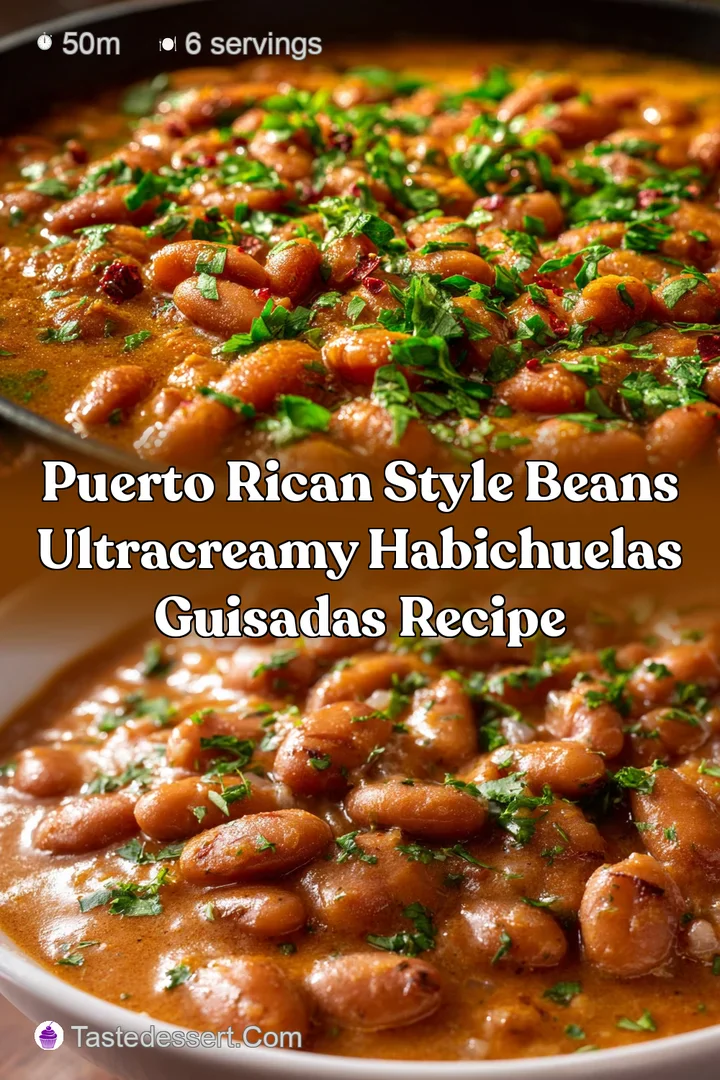
Puerto Rican Style Beans Habichuelas Guisadas the Creamy Authentic Recipe
- The Heart and Soul of Puerto Rican Comfort Cooking
- Unlocking Authentic Puerto Rican Style Beans
- The Essential Toolkit for Flavor Mastery
- Kitchen Gear for Simmering Success
- Step and by-Step: How to Make the Most Flavorful Pot of Beans
- Recipe Notes and Troubleshooting Common Issues
- Recipe FAQs
- 📝 Recipe Card
The Heart and Soul of Puerto Rican Comfort Cooking
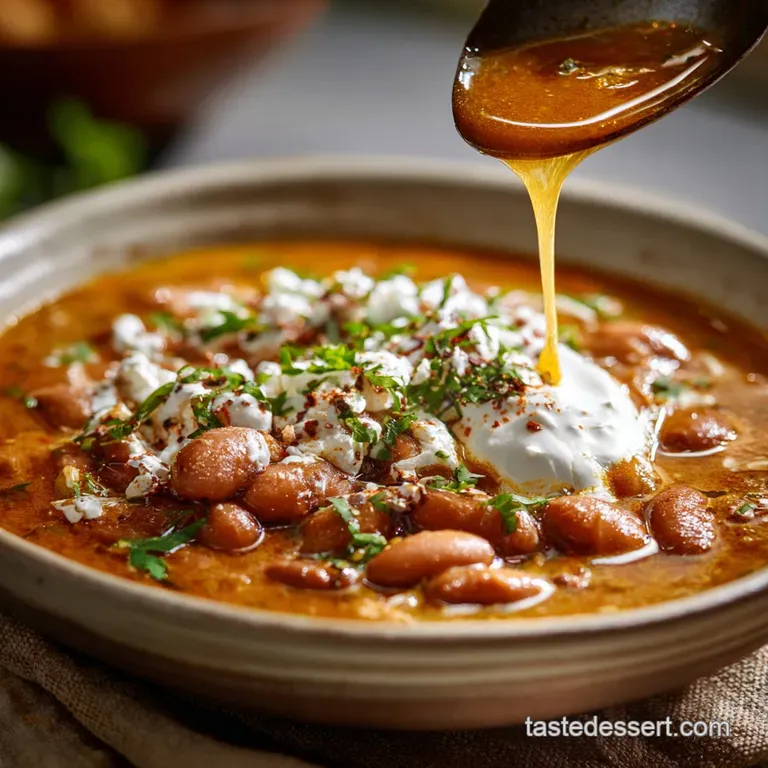
You know those dishes that instantly transport you back to childhood, regardless of where you grew up? For me, that’s a piping hot bowl of Habichuelas Guisadas . These are Puerto Rican Style Beans, baby, and they are the undisputed champions of comfort food. Forget fancy, complicated sauces.
This recipe is pure, honest flavor that sticks to your ribs and makes you want to curl up on the sofa.
I spent years trying to figure out why my first attempts were watery and frankly, a bit sad. They tasted fine, but they didn’t have that deep, velvety texture that guisado richness I craved.
Turns out, there were three tiny tweaks I was missing, and once I nailed those, the recipe became shockingly easy. Seriously, if you can chop an onion and stir a pot, you can master these beans. Stop buying those sad, bland canned versions and let’s make the real deal.
Unlocking Authentic Puerto Rican Style Beans
Habichuelas Guisadas: What Exactly Are We Cooking?
The name literally translates to "stewed beans." But that sounds boring. What we are making is a thick, deeply savory, tomato and based stew surrounding plump pink or red beans. This isn't just a side dish; it’s often the centerpiece of a meal, especially when served over rice.
It’s what you eat when you need a hug in bowl form. The beans should be tender, and the surrounding sauce the guisado —should coat the back of a spoon. If it runs off thin, you did it wrong. But don’t worry, we are going to make sure that doesn't happen.
Decoding the Rich Guisado Flavor Profile
The flavor profile relies on a holy trinity of ingredients that you absolutely cannot skip if you want authentic Puerto Rican Style Beans.
- Sofrito: The aromatic base of onions, peppers, garlic, and cilantro/culantro. It’s the soul of the dish.
- Sazón: A spice blend (often from Goya, with achiote for color) that gives the beans their gorgeous, recognizable reddish and orange hue and savory depth.
- Pork/Fat: Whether it's a cube of salted ham or just the fat rendered from salt pork, you need that smoky, savory umami foundation to anchor the flavor.
The Perfect Marriage: Beans and Arroz Blanco
You cannot, I repeat, cannot make Habichuelas Guisadas without intending to serve them over perfectly cooked, fluffy Arroz Blanco (white rice). Why? Because the richness of the guisado needs something plain and starchy to soak into.
The whole point is to spoon the thick, flavorful sauce over the rice, allowing it to pool and meld. Trust me, it’s not the same served over quinoa or brown rice. Go traditional here.
The Essential Toolkit for Flavor Mastery
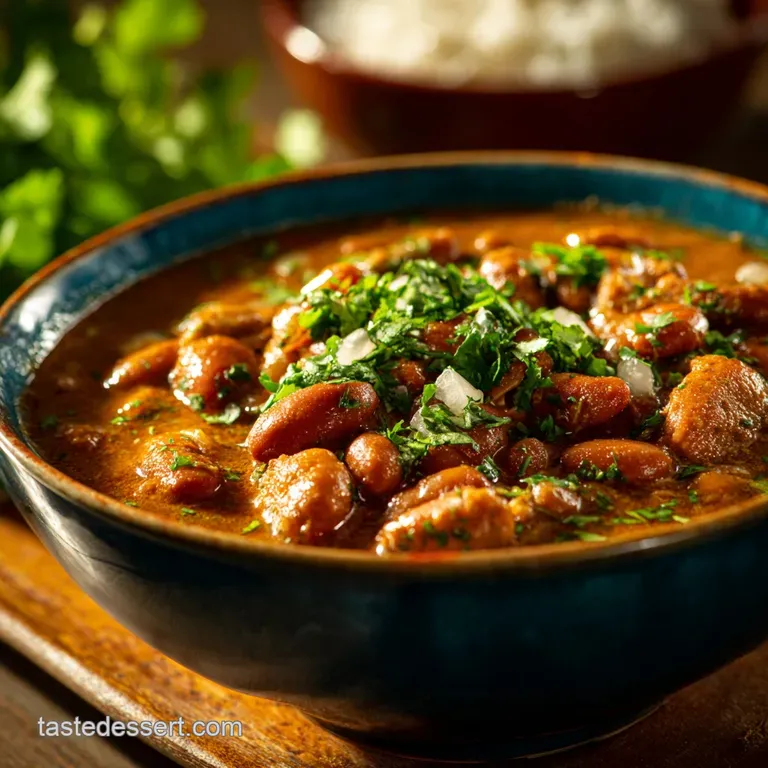
We are aiming for maximum flavor impact with minimum effort. A heavy and bottomed pot is your best friend here. It prevents scorching and helps the ingredients cook evenly and slowly.
Related Recipes Worth Trying
- Soft and Chewy MM Cookies Guaranteed Thick BakeryStyle Treat — These Soft and Chewy MM Cookies deliver on their promise crisp edges and a deeply soft center Learn the secret to the best Homemade Mm Cookie Recipe...
- MM Cookies The Ultimate Chewy BakeryStyle MMs Recipe — MM Cookies deliver true bakerystyle texture every time This Homemade Mms Cookies Recipe guarantees thick centres and chewy edges thanks to a mandatory dough...
- Pumpkin Cream Cheese Muffins BakeryStyle with a Silky Swirl — Our Pumpkin Cream Cheese Muffins are the perfect fall treat Achieve a magnificent dome and a silky Spiced Pumpkin Muffins Cream Cheese Swirl Better than any...
Kitchen Gear for Simmering Success
You really don't need much. A good knife, a cutting board, and a sturdy Dutch oven or heavy pot are the basics. Don't use a thin, cheap saucepan, okay? It will burn the sofrito and ruin the whole vibe.
Prepping Your Homemade Sofrito Foundation
If you have homemade sofrito frozen into cubes, use it. It's brilliant. If you don’t (and let’s be real, who always has time?), a good quality store and bought jar works just fine. The trick is always to sauté the sofrito once you put it in the pan.
Don't just dump it in with the water. Cooking it in the fat for two minutes wakes up all those sleepy flavors.
Selecting the Best Canned Pink or Red Beans
I prefer pink beans ( Habichuelas Rosadas ). They hold their shape nicely but still break down easily enough to thicken the sauce naturally. Small red beans are a close second.
Crucial Tip: When using two cans of beans, drain and rinse ONE of them. The liquid in the second can (the aquafaba/starch) is liquid gold. It is the secret sauce for achieving that desirable creamy texture without adding a flour slurry. Do not throw it away!
Choosing the Right Savory Meat Inclusion
This is optional, but it takes the flavor from "good" to "grandma status." A small chunk of smoked ham hock, or maybe a 1/4 cup of diced salt pork (known as tocino ), adds that irreplaceable smokiness. Cook it first, let the fat render, and use that fat to sauté your aromatics.
If you are going vegetarian, just use a good quality olive oil and vegetable broth, but you will miss that smoky background note.
Stocking the Pantry with Essential Spices (Sazón & Adobo)
You need Sazón, full stop. The one with achiote (annatto) is preferred because it gives that signature yellow and red color. You can’t replicate it with paprika alone. Adobo is usually added directly to any meat you use, but for the beans themselves, Sazón is the star.
| Must and Have Ingredient | Role in the Guisado |
|---|---|
| Sofrito | The fresh, aromatic base (Garlic, Onion, Peppers) |
| Sazón | Color and deep, earthy, savory background flavor |
| Oregano & Cumin | Subtle warmth; use sparingly so it doesn't taste like chili |
Step and by-Step: How to Make the Most Flavorful Pot of Beans
Achieving the Signature Consistency of Puerto Rican Style Beans
This is the big moment. This is what separates the novices from the pros. We want that thick, luxurious consistency, not a thin bean soup. The trick is a combination of starchy components:
- The Un and rinsed Bean Liquid: Already discussed, but worth mentioning again.
- The Squash: The calabaza (or butternut squash) dissolves completely after 30 minutes of simmering, releasing starch and natural sweetness, creating a creamy mouthfeel.
- The Mash: Once the squash is soft, use the back of your spoon and mash about 1/4 of the beans against the side of the pot. This releases internal starches and thickens the guisado instantly.
Building the Base: Sautéing the Sofrito and Pork
Start by getting that fat going. If you use salt pork, dice it small and let it crisp up in the olive oil until it looks like bacon bits. Pull those bits out and set them aside. Then, add your onions and peppers. Once they are soft, add the minced fresh garlic and, critically, the 1/4 cup of prepared sofrito.
Stir and cook this mixture for a solid two minutes. You want to see the color brighten and the aroma fill your kitchen.
Creating the Thick and Creamy Guisado Broth
Next, dump in your 8 ounces of tomato sauce, your Sazón packet, and the dried spices (oregano, cumin, bay leaf). Stir it all together until it looks like a rich, orange and red paste. Let this cook for three minutes it deepens the color and eliminates any raw tomato taste.
Adding the Beans and Bringing to a Controlled Simmer
Now for the main event. Add the can of rinsed beans and the can of un and rinsed beans with their liquid. Add the cup of water (or broth), the diced squash, the olives, and the capers. Bring it up to a rolling bubble, then immediately drop the heat way down to the lowest simmer possible.
You should see just tiny bubbles breaking the surface, not an angry boil.
The Final 15 Minutes: Seasoning and Resting
Simmer for 25 to 30 minutes. The squash should be completely soft. Give the beans that critical mash against the side of the pot. Remove the bay leaf (don't forget this!) and taste it. This is your chance to correct the salt. It will probably need more than you think.
Stir in half the fresh cilantro, then remove the whole pot from the heat and let it rest, uncovered, for five minutes. Those five minutes are magic; the guisado will thicken up perfectly right before serving.
Recipe Notes and Troubleshooting Common Issues
How to Adjust Thickness If the Guisado Is Too Thin
Did you skip the squash? Did you add too much water? No panic!
| Problem | Quick Fix Solution |
|---|---|
| Too Thin (Watery) | Mash more beans aggressively, or quickly whisk 1 tsp cornstarch with 1 Tbsp cold water and stir it in while simmering. |
| Too Thick (Paste and like) | Stir in a splash or two of hot water or chicken broth until the desired consistency is reached. |
Scaling the Recipe for Large Family Gatherings
If you double this recipe, don't necessarily double the liquid or the sazón right away. Double the beans and the sofrito, but only add 1.5 times the water/broth. You can always add more liquid, but it’s hard to take it out.
Taste as you go, particularly with the spices; you don't want the cumin to overwhelm everything.
Converting This Into a Vegetarian/Vegan Dish
It’s completely easy. Skip the salt pork entirely, use vegetable broth instead of water, and ensure your sazón packet doesn't contain hidden ingredients (some cheaper brands do). To replace the depth of the pork, try adding 1/2 teaspoon of smoked paprika when you cook the tomato sauce.
It adds a lovely faux and smokiness.
Safely Storing Leftovers in the Fridge
Let the beans cool completely before sealing them up. They store beautifully in an airtight container for up to 5 days. Honestly, the flavor is often better on day two, once the spices have really had a chance to mingle.
The Best Way to Freeze Cooked Puerto Rican Style Beans
These freeze really well, which is great for batch cooking. Portion them into freezer and safe containers, leaving about an inch of headspace, as liquids expand. They will keep for up to three months. The texture might be slightly less creamy upon thawing, but the flavor remains amazing.
Reheating Without Sacrificing Texture
Always reheat gently on the stovetop. Avoid the microwave if possible, as it can cause the sauce to separate. If the beans look a little thin after thawing or reheating, stir in a tiny splash of water and let it come up to a simmer for about 3 minutes.
The starches will re and activate and the guisado will thicken right back up. If it’s too thick, add a bit of water. Easy peasy!
Recipe FAQs
What makes these Puerto Rican Style Beans different from other beans I've had?
The unique flavour comes from the essential Caribbean trinity: sofrito (an aromatic base of onions, peppers, and herbs), the seasoning blend sazón (for colour and earthiness), and the mandatory savory pork, which together create a depth of flavour that is truly satisfying.
My beans always turn out a bit watery. How do I get that lovely thick gravy (the guisado)?
The secret weapon is the diced squash (calabaza or butternut); it dissolves entirely during simmering, naturally thickening the broth, but you also need to mash about a quarter of the beans with a spoon right before serving to release starches a proper bobby dazzler of a trick!
I don't eat meat; is there a simple way to make this recipe vegetarian?
Good heavens, yes! Simply omit the salt pork and use quality vegetable broth instead of water; you can add diced potatoes or carrots alongside the squash to maintain that desired body and rich, hearty texture.
Can I make a big batch of Habichuelas Guisadas and freeze them for a rainy day?
Absolutely; these beans freeze brilliantly for up to three months, often tasting even better after thawing as the flavours have more time to marry just be sure to cool them completely before popping them in the freezer to maintain texture and quality.
I don’t have Pink Beans (Habichuelas Rosadas). Can I use a different type of bean?
While pink beans are traditional and give the best result, you can easily substitute small red kidney beans or even pinto beans in a pinch, though the final dish might have a slightly different colour and texture.
Authentic Puerto Rican Style Beans
Ingredients:
Instructions:
Nutrition Facts:
| Calories | 300 calories |
|---|---|
| Fat | 10 g |
| Fiber | 11 g |
