Vietnamese Pho: the Perfect Authentic Beef Noodle Soup Recipe
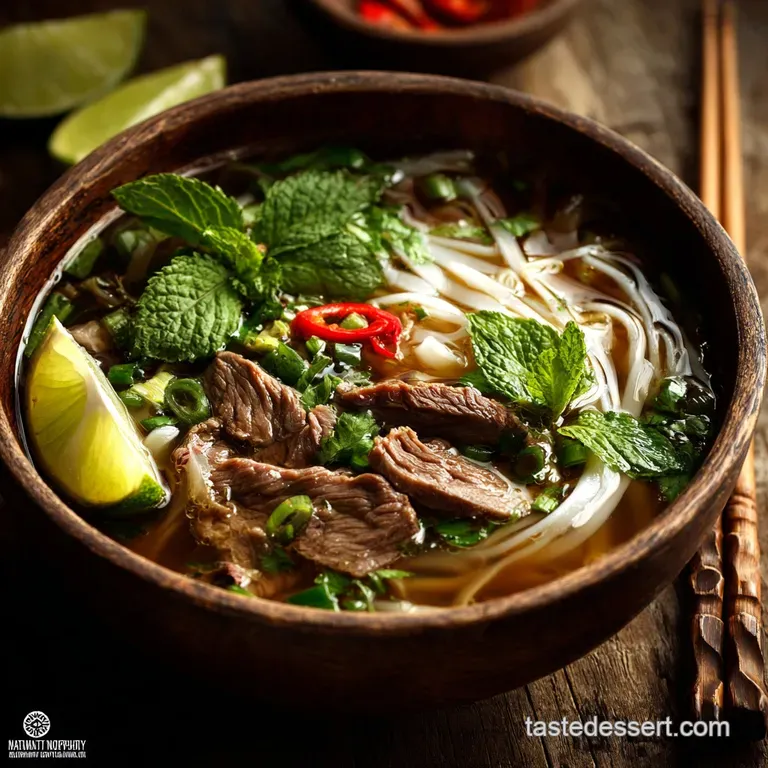
The Soul of Saigon: Mastering Authentic Vietnamese Pho at Home
Walk into a proper Pho shop and you are immediately smacked in the face by the most complex, gorgeous aroma known to man. It’s warm cinnamon, deep savory earthiness, and a touch of sweet spice all mingling together in the steamy air. That smell signals true comfort.
You might think making Authentic Vietnamese Beef Pho Recipe at home is too complicated or too much effort. I thought that for years! But honestly, this Homemade Vietnamese Pho Soup is mostly passive waiting, relying on affordable bones and time to work its magic.
It is the ultimate Sunday project that yields a week's worth of glorious, fragrant nourishment for very little money.
I’m going to skip the complicated traditional techniques that require a charcoal brazier and jump straight to the home kitchen method that actually works for us regular cooks. I promise you, once you taste your own Fragrant Vietnamese Noodle Soup, you’ll never look back.
The Magic of the Broth: Why Time is the Essential Ingredient
The secret to proper Vietnamese Pho is not complexity; it is extraction. We are pulling all the deep, savory goodness from the bones and infusing it with charred aromatics and warming spices. If you rush it, you get beef water. If you take your time, you get liquid gold.
This recipe works because we treat the ingredients with respect at every stage, especially the bones. We eliminate impurities before the cooking begins, ensuring a clear, crisp finish. The goal is not a thick stock; the goal is a perfectly clean, highly aromatic infusion.
Unpacking the Flavor Profile: Sweet, Savoury, and Aromatic Balance
The broth needs to hit all five major flavor notes sweetness from the rock sugar, saltiness from the fish sauce, umami from the long simmered bones, and aromatic depth from the spices. I know the amount of sugar can seem intimidating, but trust me, it’s necessary.
It perfectly counteracts the savory depth of the rendered marrow and the salty, pungent fish sauce.
The Perfect Weekend Project: Setting Aside Time for Excellence
This Easy Beef Pho Recipe needs 4 to 5 hours, minimum. Don't plan to do anything else major while it simmers, except maybe scrolling Pinterest, or perhaps tackling a fun project like learning to make The Original Krispy Kreme Glazed My Glazed Euphoria Doughnuts — though the Pho needs more skimming than those doughnuts need glazing. I often double the batch so I have enough for the freezer, making those 5 hours feel totally worth it.
Essential Components for the Perfect Vietnamese Pho
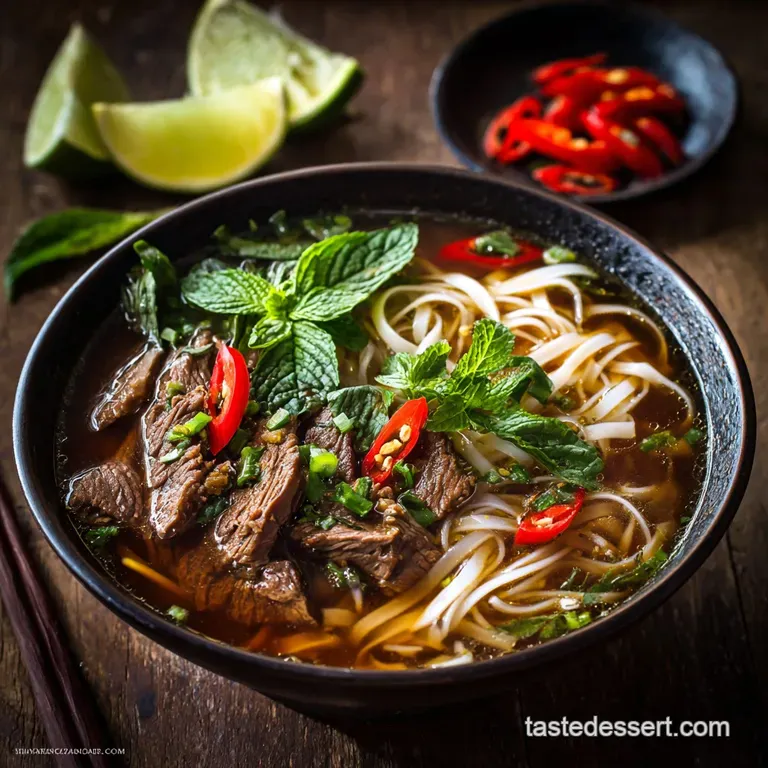
For true Homemade Vietnamese Pho Soup, the quality of the raw ingredients is key. But don't worry, even if you can’t find the specialty items, I have you covered with great substitutes.
The Warming Spices: Star Anise, Cinnamon, and Cardamom Ratios
These spices must be toasted dry before they go into the broth. Toasting wakes them up, releasing those volatile oils that give Pho its signature fragrance. We’re using a high ratio of star anise and cinnamon stick; these are the anchors of the flavor profile, giving it that cozy warmth.
Selecting the Right Bones and Brisket for Rich Beef Stock
You need a mix of bones for this to work right. Marrow bones provide richness and body, while knuckle or leg bones (with connective tissue) give that necessary gelatin. Ask your butcher for beef bones suitable for stock they usually know exactly what you mean.
We use two types of flank steak: one piece for the simmer (for deep flavor) and one very lean piece, sliced raw, for flash cooking in the bowl.
The Finishing Touches: The Essential Herb Platter and Condiments
Don’t skimp on the garnishes! The herbs are non-negotiable for authentic flavor. You simply must have the fresh Thai basil and crunchy bean sprouts. The contrast between the hot, silky noodles and the cool, crisp herbs is pure genius.
| Ingredient | Role in Pho | Substitution |
|---|---|---|
| Beef Marrow/Knuckle Bones | Deep umami base, gelatin | Combination of cheap beef shanks and oxtail |
| Rock Sugar | Sweet balance, clear color | Regular granulated sugar (use 1/2 amount) |
| Black Cardamom | Earthy, smoky depth | A few extra cloves and half a teaspoon of smoked paprika |
| Fish Sauce | Essential salt and umami | Soy sauce mixed with a tiny dash of rice vinegar |
Crafting the Broth: A step-by-step Guide to Vietnamese Pho Mastery
Making the Perfect Beef Pho is a three part process: Cleaning, Infusing, and Finishing. Let's crack on.
Phase I: Preparing the Beef Bones and Parboiling Process
This step is truly non-negotiable if you want a clear broth. Place your bones in your giant stockpot and cover them with cold water. Bring this to a rapid, rolling boil for ten minutes; you’ll see gross grey scum rise to the top. This is why we blanch!
Drain everything immediately, rinse the bones completely clean under cold running water, and wash your pot thoroughly.
Next, char the onion and ginger under the broiler until they are beautifully blackened and fragrant. This process releases complex, smoky compounds that define the character of good Pho. Don't worry if the kitchen gets a little smoky that's flavor in the air!
Phase II: Simmering and Flavor Extraction (The Low and Slow Method)
Return the cleaned bones, the charred aromatics, and the whole piece of simmer steak (if using) to the clean pot, covering everything with the 12 quarts of fresh, cold water. Bring the liquid just up to a lazy simmer. Do not let it boil aggressively, ever.
For the first hour, you must meticulously skim any foam or fat that rises to the surface. Skim, skim, skim for crystal clarity!
Now, add your toasted spices (tied tightly in a cheesecloth bag) along with the rock sugar and initial salt. Turn the heat to the absolute lowest setting. We are going for a gentle diffusion, not a raging boil. Simmer for 3.5 to 4 hours, tasting periodically.
(Remember, if you added the simmer steak, pull it out after 45- 60 minutes, chill it immediately, and slice it thin for later.)
Chef's Note: The difference between good Pho and great Pho is patience during the skimming process. If you stop skimming early, the impurities fall back into the liquid, permanently clouding your broth.
Phase III: Assembling the Pho Bowl and Presentation
Once the broth has simmered, strain it twice through a fine mesh sieve or even better, through a sieve lined with cheesecloth to ensure total clarity. Now, you season the final, strained broth with the fish sauce and adjust the salt until it sings.
Prepare your rice noodles according to package directions. Crucially, slice the raw flank steak while it is semi frozen. This is the secret to getting paper thin pieces of beef (Tai). Arrange the cooked noodles and raw meat in the bowl.
Ladle the broth which must be piping, rolling boil hot over the meat. The sizzling heat instantly cooks the paper thin slices to tender, pink perfection. Serve immediately alongside your pile of fresh garnishes.
Troubleshooting Your Pho Broth: Pro Tips and Avoiding Common Pitfalls
We’ve all made mistakes. I once added the raw spices without toasting them, and the resulting broth tasted like sad, dusty library air. Here are the top ways people mess up their Vietnamese Pho.
How to Fix a Cloudy Broth: The Cold Water Remedy
If you let the pot boil too hard, or if you failed to skim properly, your broth will look murky. If it happens, take the pot completely off the heat. Let it cool slightly, then add a cup of ice-cold water. The cold water encourages the particles to fall to the bottom.
Carefully, without stirring, ladle the clear liquid off the top, discarding the sludge at the bottom.
Ensuring Perfectly Tender Sliced Beef (Tai): The Freezing Trick
Tough beef is a crime in the world of Beef Pho Recipe. If you try to slice room temperature flank steak thinly, it flops and shreds. The solution is simple: wrap the lean flank steak tightly in plastic wrap and stick it in the freezer for about 20 to 30 minutes.
It should be firm but not rock solid. Slice across the grain with a very sharp knife to get those beautiful, translucent pieces that cook instantly in the hot broth.
Storing the Broth: Safe Refrigeration and Freezing Guidelines
The beauty of this long process is the sheer volume of finished product. The strained broth keeps wonderfully in the fridge for up to 4 days. If you want to freeze it, let it cool completely, then store it in sealed containers or heavy duty freezer bags (lying flat for easy stacking).
Frozen Pho broth is good for up to 6 months.
Creative Ways to Repurpose Leftover Brisket (Beyond the Bowl)
If you cooked a large piece of flank or brisket in the broth, you might have leftovers. Slicing it thinly and using it in Vietnamese summer rolls is fantastic, or shredding it and making rich, deeply flavored tacos. If you’re into the noodle soup world, the leftover meat is also wonderful tossed into other light Asian broths, perhaps alongside the flavors featured in my Seafood Symphony Soup Pasta More with Seafood Mix recipe. Reheating the broth itself is easy: thaw overnight and gently bring to a simmer. Do not re-boil rapidly , or you risk dulling the delicate spice notes.

Recipe FAQs
Why is my Pho broth cloudy instead of crystal clear?
Cloudiness usually results from boiling the broth too vigorously. Ensure you keep the pot at a gentle simmer, just barely bubbling, and diligently skim off any impurities (scum) that rise to the surface early on.
Also, avoid stirring the broth once it is simmering, as this can break down the solids and muddy the liquid.
My broth tastes bland or lacks depth. How do I fix it?
Depth comes from proper seasoning and sufficient simmering time. Make sure you haven't skimped on the roasted spices, and try adding a touch more fish sauce and rock sugar towards the end for the perfect savory sweet balance.
If time permits, letting it simmer an extra hour with the lid off can intensify the flavor profile significantly.
Why do I need to char the ginger and onions before adding them to the pot?
Charring the aromatics ginger and onion is crucial for the authentic flavor and color of Pho broth. This process softens their harsh, raw edges, caramelizes the sugars, and lends a subtle smokiness and deepness to the stock.
The charring also helps the broth achieve its characteristic golden hue without tasting burnt.
Can I make this traditional beef Pho recipe vegan or vegetarian?
Absolutely. For a plant based Pho, substitute the beef bones with roasted shiitake mushrooms, daikon radish, and hearty carrot chunks, using high-quality vegetable broth as the base. Omit the fish sauce and instead rely on high-quality soy sauce, tamari, or fermented bean paste for the essential umami flavor.
How should I store leftover broth and prepared meats?
Always store the broth separately from the noodles, herbs, and meats. The broth can be refrigerated for up to 5 days or frozen for 3 months; just ensure it's completely cooled before storage in an airtight container. Cooked or raw sliced beef should be stored separately in the refrigerator for no more than 2-3 days.
What type of rice noodles should I use, and how do I prevent them from clumping?
Use flat, dried rice noodles labeled as Bánh Phở, which are traditional for this dish. To prevent sticking, soak them according to the package directions, but always finish cooking them by dipping them briefly (30-60 seconds) in boiling water just before serving.
Drain immediately and portion them into the bowls while the broth is heating.
I don't like rare beef. Can I use pre-cooked steak or brisket?
Traditional Pho relies on the broth's high temperature to rapidly cook the very thinly sliced raw beef (tái) and achieve an incredibly tender texture. While you can use pre-cooked brisket (nạm), the texture will be less succulent than the traditional method.
If using cooked meat, ensure it is warmed gently in the broth just before serving to prevent it from drying out.
Authentic Vietnamese Pho Broth
Ingredients:
Instructions:
Nutrition Facts:
| Calories | 420 kcal |
|---|---|
| Fat | 10 g |
| Fiber | 2 g |
