Tangy Snickerdoodle Cookies Recipe

- Time: Active 15 minutes, Passive 10 minutes, Total 25 minutes
- Flavor/Texture Hook: Tangy, buttery, and velvety with a cinnamon crunch
- Perfect for: Cozy weekends, holiday tins, or a quick afternoon treat
- Unlocking Chemical Reactions for Pillowy Textures
- Essential Metrics for Baking Success
- Selecting Premium Pantry Essentials Carefully
- Necessary Tools for Professional Results
- Step-by-Step Guide to Golden Perfection
- Fixing Common Texture and Spread Issues
- Creative Variations and Flavor Swaps
- Preserving Softness and Storing Safely
- Styling Your Cookies for Maximum Appeal
- Practical Answers for Better Baking
- Recipe FAQs
- 📝 Recipe Card
The kitchen transforms when the scent of warm cinnamon hits the air. You know that smell, the one that feels like a cozy wool blanket on a rainy Tuesday. It’s the promise of a cookie that isn't just sweet, but has that sophisticated, slightly acidic "zip" that sets it apart from a standard sugar cookie.
Most people struggle with snickerdoodle cookies that turn out like hard pucks or, worse, flat greasy puddles that lose their signature puff.
I’ve spent years chasing the perfect ratio of chew to crunch, and I’ve realized it’s all about the chemistry of the ingredients. We aren't just making a snack; we’re creating a little bit of magic where simple pantry staples become something extraordinary.
If you’ve ever wondered why your cookies don’t have those beautiful, craggy fissures on top, you’re in the right place.
Trust me, once you see how the butter and sugar come together to create that velvety crumb, you’ll never go back to the store-bought stuff. We're going to use real Land O'Lakes unsalted butter and fresh eggs to ensure every bite is pure joy.
Let's get our hands into some flour and make something that will have your neighbors knocking on your door just to catch a whiff.
Unlocking Chemical Reactions for Pillowy Textures
The alchemy of these cookies depends on a few specific interactions that happen the moment the heat hits the tray. It’s not just about mixing; it’s about how the molecules behave under pressure.
- Acidic Activation: Cream of tartar provides the signature "tang" while preventing sugar from crystallizing, which results in a softer, chewier texture.
- Carbon Dioxide Release: When the acidic cream of tartar meets the alkaline baking soda, it creates a rapid release of gas that lifts the dough instantly.
- Sucrose Interference: The high sugar to flour ratio interferes with gluten development, ensuring the cookie remains tender rather than bread like.
- Maillard Reaction: The cinnamon in the coating caramelizes slightly against the granulated sugar, creating a complex, toasted flavor profile.
Acid Induced Chewiness
The defining characteristic of snickerdoodle cookies is that specific bite soft, almost pillowy, yet remarkably sturdy. This is entirely thanks to the cream of tartar. Unlike baking powder, which is a balanced leavener, using cream of tartar separately allows us to control the acidity. This acidity breaks down the protein strands in the flour just enough to keep things tender. It’s the same logic I use when making my Cinnamon Swirl Dream recipe to ensure the topping stays light and airy.
The Sucrose Interference
Sugar does more than just sweeten the deal. In this recipe, the 1.5 cups of granulated sugar act as a liquefier. As the cookies bake, the sugar melts, causing the dough to spread. However, because we use 2.75 cups of all purpose flour, we have enough structure to catch that spread before it goes too far.
This creates the "crackle" effect as the surface dries out and stretches while the middle is still rising.
Immediate Leavening Action
Because we aren't chilling this dough for hours, the leavening happens the second the tray slides into the oven. The reaction is violent and quick, pushing the cookie up. As it cools, it collapses slightly, which is what gives us those beautiful ridges. It’s a faster process than what you’d see in a Foolproof NY Famous recipe, where a long chill time is used to control the spread of a much larger cookie.
Essential Metrics for Baking Success
To get these right every single time, we need to be precise. Baking is a science, after all, and even a few grams can change the outcome from "silky" to "sandy."
| Component | Science Role | Pro Secret |
|---|---|---|
| Unsalted Butter | Fat & Structure | Use 65°F butter for the best emulsion |
| Cream of Tartar | Acidic Leavener | Sift it with the flour to avoid clumps |
| Granulated Sugar | Humectant | Creams with butter to create air pockets |
| Large Eggs | Emulsifier | Room temp eggs bond better with fats |
Chef's Tip: Freeze your butter for exactly 10 minutes before you start creaming it. This ensures it stays cool enough to hold air but soft enough to incorporate smoothly with the sugar.
Selecting Premium Pantry Essentials Carefully
I always say your cookies are only as good as your ingredients. Using a high-quality vanilla like Nielsen Massey can change the entire aromatic profile of the bake.
- 1 cup unsalted butter, softened (225g): Why this? Provides the fat base for a melt in-the mouth texture. (Sub: Salted butter, but reduce added salt to a pinch).
- 1.5 cups granulated sugar (300g): Why this? Essential for the classic crisp edge. (Sub: Cane sugar for a slightly deeper flavor).
- 2 large eggs, room temperature: Why this? Provides moisture and structural integrity. (Sub: 1/2 cup unsweetened applesauce for a denser, vegan friendly option).
- 1 tsp pure vanilla extract (5ml): Why this? Rounds out the sweetness of the cinnamon. (Sub: Vanilla bean paste for speckles of flavor).
- 2.75 cups all purpose flour (345g): Why this? The perfect protein content for a soft crumb. (Sub: Cup for-cup gluten-free blend).
- 2 tsp cream of tartar (7g): Why this? The non negotiable ingredient for the classic snickerdoodle tang. (Sub: 2 tsp lemon juice, though texture will vary).
- 1 tsp baking soda (6g): Why this? Reacts with the acid to provide lift. (Sub: 3 tsp baking powder, but omit cream of tartar).
- 0.25 tsp kosher salt (1.5g): Why this? Sharpens the other flavors. (Sub: Fine sea salt).
- 3 tbsp granulated sugar (38g): Why this? Creates the outer crunch. (Sub: Turbinado sugar for extra sparkle).
- 2 tsp ground cinnamon (5g): Why this? The primary aromatic component. (Sub: Pumpkin pie spice for a seasonal twist).
Necessary Tools for Professional Results
You don't need a kitchen full of gadgets, but a few specific items make a world of difference. I personally swear by my KitchenAid stand mixer for getting that butter and sugar perfectly aerated.
- KitchenAid Stand Mixer: Using the paddle attachment is the best way to incorporate air without overworking the dough.
- Silpat Silicone Mat: This prevents the bottoms from browning too quickly, ensuring the cookies stay soft.
- #40 Cookie Scoop: This ensures every single cookie is the exact same size, which means they all finish baking at the same time.
- Lodge Cast Iron Skillet (Optional): If you want one giant, shareable cookie, you can press the dough into a seasoned skillet instead.
step-by-step Guide to Golden Perfection
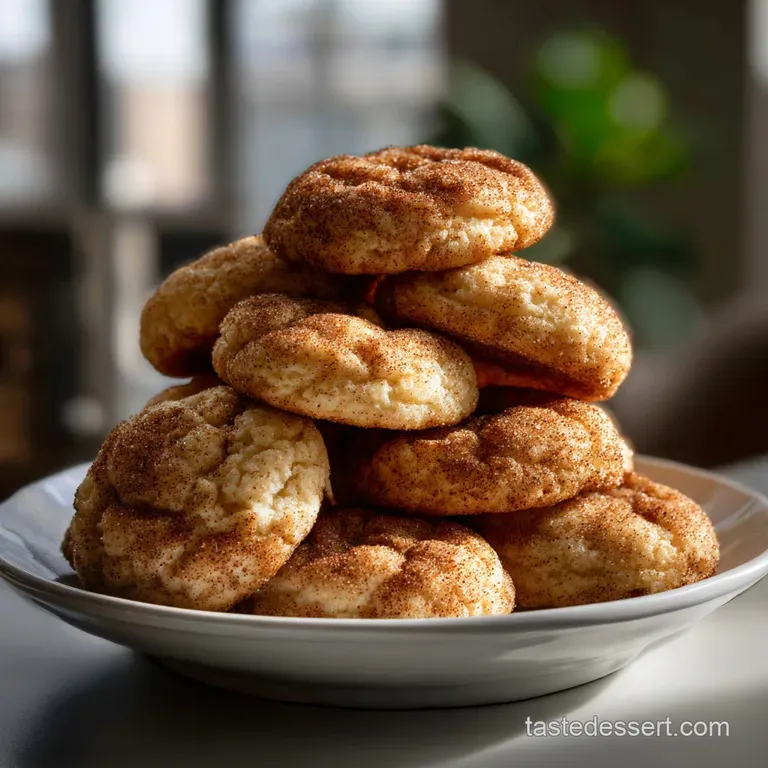
Right then, let's crack on. This process is quick, so make sure your oven is preheated to 400°F before you even start mixing.
- Cream the butter. Beat the 1 cup of softened butter and 1.5 cups of sugar in your KitchenAid for 3 minutes. Note: It should look pale and fluffy, not yellow and dense.
- Add the eggs. Incorporate the eggs one at a time, followed by the 1 tsp of vanilla. Note: Scraping the bowl ensures no pockets of butter are left behind.
- Sift dry ingredients. In a separate bowl, whisk together the 2.75 cups of flour, 2 tsp cream of tartar, 1 tsp baking soda, and 0.25 tsp salt.
- Combine the mixtures. Slowly add the dry ingredients to the wet. Note: Stop the mixer the second you see no more white streaks of flour.
- Prepare the coating. In a small shallow bowl, mix the 3 tbsp sugar and 2 tsp cinnamon.
- Scoop the dough. Roll the dough into 1.25 inch balls (about 2 tablespoons each).
- The Rolling Ritual. Roll each ball thoroughly in the cinnamon sugar mixture until it's heavily coated.
- The over High heat Flash Bake. Place balls 2 inches apart on a Silpat lined sheet. Bake for 8 to 10 minutes.
- Monitor the crackle. Remove from the oven until the edges are set but the centers look slightly underbaked. They will firm up as they cool.
- Cool on the tray. Let them sit for 5 minutes before moving to a wire rack. This prevents them from breaking while they are still velvety and soft.
Fixing Common Texture and Spread Issues
Even the best of us have a bad baking day. If your cookies didn't turn out like the pictures, don't panic. It's usually a small fix.
Why Your Cookies Spread Too Much
If you ended up with one giant "mega cookie" on your tray, your butter was likely too warm. When butter is near its melting point before it even enters the oven, it can't hold the air bubbles we whipped into it.
Next time, try the "finger dent" test: the butter should be cool to the touch and hold an indentation without being greasy.
The Mystery of the Missing Tang
If your snickerdoodle cookies taste just like plain sugar cookies, check the expiration date on your cream of tartar. This ingredient is shelf stable but can lose its potency over several years. Without that acidic kick, the baking soda won't react properly, leaving you with a flat flavor profile.
My Cookies Are Hard as Rocks
You probably overbaked them! These cookies continue to cook on the hot baking sheet once you take them out. You want to pull them when the centers still look a bit "wet" or puffed. If you wait until the whole cookie looks dry, it's already overdone.
| Problem | Cause | Fix | Pro Tip |
|---|---|---|---|
| Flat Cookies | Butter too warm | Chill dough 15 mins | Use butter at 65°F exactly |
| Tough Texture | Overmixing flour | Mix until just combined | Fold in the last bits by hand |
| No Cracks | Oven too cool | Calibrate with thermometer | Bake at a true 400°F |
Creative Variations and Flavor Swaps
Once you've mastered the classic, it's time to have a bit of fun. I love experimenting with different spice blends or even stuffing the centers. If you're a fan of rich fillings, you might find the technique used in this Fudgy Peanut Butter recipe useful for adding a chocolate center to your snickerdoodles.
- gluten-free Snickerdoodle Cookies: Swap the all purpose flour for King Arthur Measure for Measure. The texture is remarkably similar, though the cookies may not spread quite as much.
- Snickerdoodle Cookies with Cream Cheese: Add 2 oz of softened cream cheese to the butter during the creaming stage. This creates an even softer, almost cake like interior.
- The Disney Snickerdoodle Cookies Recipe Clone: To get that famous park style cookie, use a larger scoop (about 1/4 cup of dough) and bake at 375°F for 12 minutes. The lower temp allows the larger cookie to bake through without burning the edges.
- Pumpkin Pie Spice Snickerdoodle Cookies: Replace the cinnamon in the coating with pumpkin pie spice. It adds a lovely warmth of nutmeg and cloves that feels very autumnal.
Decision Shortcut
- If you want extra chewy cookies: Use one extra egg yolk and reduce the flour by 2 tablespoons.
- If you want a "snap" to your cookie: Increase the baking time by 2 minutes and use all white sugar.
- If you want a deeper flavor: Replace half of the granulated sugar in the dough with light brown sugar.
Preserving Softness and Storing Safely
Storing these correctly is the difference between a three day treat and a one day wonder. Honestly, don't even bother with the fridge; it dries them out far too quickly.
Storage: Keep your cooled cookies in an airtight container at room temperature for up to 4 days. To keep them extra soft, toss a slice of plain white bread into the container. The cookies will absorb the moisture from the bread, staying "bakery fresh" for longer.
Freezing: You can freeze the baked cookies for up to 3 months. Just make sure they are completely cool before stacking them with parchment paper in between. You can also freeze the raw dough balls (after rolling them in cinnamon sugar).
Bake them straight from the freezer, adding 2 minutes to the total cook time.
Zero Waste: If you have a few cookies that have gone stale, don't throw them away! Pulse them in a food processor to make "snickerdoodle crumbs." Use these as a base for a cheesecake crust or sprinkle them over vanilla bean ice cream for an instant upgrade.
Styling Your Cookies for Maximum Appeal
We eat with our eyes first, and a beautiful snickerdoodle is a work of art. The key is the contrast between the dark cinnamon and the pale cracks of the dough.
The "Cinnamon Dust" Finish
For a truly "aesthetic" look, give the cookies a second dusting of cinnamon sugar immediately after they come out of the oven. While the surface is still hot and slightly tacky, the extra sugar will stick, creating a sparkling, textured finish.
The Perfect Pairing
There is nothing quite like a warm snickerdoodle and a cold glass of whole milk. If you're hosting a brunch, serve these alongside a hot chai latte. The spices in the tea mirror the cinnamon in the cookie, creating a beautiful flavor bridge.
For a more decadent dessert, sandwich a scoop of salted caramel ice cream between two cookies. The saltiness of the caramel plays perfectly against the tangy cream of tartar.
Practical Answers for Better Baking
Can I make these if I don’t have a stand mixer?
Absolutely! You can use a hand mixer or even a sturdy wooden spoon and some elbow grease. Just make sure you beat the butter and sugar until you can't feel the individual grains of sugar anymore. It might take about 5-7 minutes by hand, but the results will be just as velvety.
Can I use baking powder instead of cream of tartar?
You can, but it won't be a true snickerdoodle. Baking powder is a mix of baking soda and an acid (usually cream of tartar). If you use it, you'll lose that specific tangy flavor and the cookies will have a different, more rounded rise.
If you’re in a pinch, use 3 teaspoons of baking powder and skip the baking soda and cream of tartar.
How do I know when they are actually done?
Look for the "puff and crack." The cookies should look inflated and have distinct cracks across the surface. The edges should be a light golden brown, but the center should still look a little soft. If you touch the edge and it feels firm to the light touch, get them out of there!
Overbaking is the number one enemy of the chewy snickerdoodle.
Why is my cinnamon sugar coating falling off?
This usually happens if the dough balls were too dry on the outside. If you find the sugar isn't sticking, lightly dampen your palms with a tiny bit of water before rolling the dough balls.
This creates just enough moisture for the cinnamon sugar mixture to create a thick, even crust that "shatters" beautifully when bitten into.
What is the best way to reheat these?
If you want that "just out of the oven" experience, pop a cookie in the microwave for exactly 8 seconds. Any longer and the sugar will melt and make it tough. This briefly softens the butter and makes the center gooey again. It's the ultimate midnight snack hack!
Comparison: Fresh vs. Shortcut
| Feature | From Scratch (This Recipe) | store-bought Mix |
|---|---|---|
| Texture | Velvety and pillowy | Often crunchy or sandy |
| Flavor | Bright, tangy, and buttery | Mostly just sweet/vanilla |
| Aroma | Intense fresh cinnamon | Faint artificial spice |
Making these snickerdoodle cookies from scratch is a small act of love that yields massive rewards. There's a certain joy in watching a simple ball of dough transform into a crinkled, golden disk of spice scented heaven.
Whether you're making them for a bake sale or just a quiet night in, remember that the best ingredient you can add is a bit of patience during the creaming stage. Enjoy every bite of that tangy, buttery goodness!

Recipe FAQs
how to make snickerdoodle cookies?
Cream butter and sugar, mix wet/dry separately, roll dough balls in cinnamon sugar, and bake hot and fast. The signature texture comes from the reaction between baking soda and the essential cream of tartar, which yields a soft interior and a crackled surface.
how to make snickerdoodle cookies from scratch?
Yes, use butter, granulated sugar, eggs, flour, baking soda, and most importantly, cream of tartar. You will cream the fats and sugars, slowly incorporate the dry ingredients, scoop, roll in a cinnamon sugar coating, and bake until the edges are set.
how to make snickerdoodle cookies without cream of tartar?
No, it fundamentally changes the cookie, but you can substitute. To mimic the acidity, use 2 teaspoons of lemon juice, though the distinct tang and crackled appearance will be less pronounced. If you enjoyed controlling the tenderness created by this acid, see how the same principle helps create a lighter texture in our The Ultimate Chewy BrownButter Chocolate Chip Cookies.
how to make snickerdoodle cookies with sugar cookie mix?
Yes, but you must add the signature acid. Mix the dry contents of the sugar cookie mix according to the package directions, but then whisk in 1 teaspoon of cream of tartar and 1/2 teaspoon of extra baking soda.
You will still need to roll the resulting dough in a separate cinnamon sugar topping before baking.
how to make snickerdoodle cookies with cake mix?
It is possible, but the texture will be very cakey, not traditional. Use one box of white or yellow cake mix, 2 eggs, and 1/2 cup of melted butter. Mix until just combined, then roll in cinnamon sugar.
These cookies rely heavily on the cake mix's stabilizers and leaveners, leading to a softer result, similar to a whoopie pie texture.
What is the secret to preventing snickerdoodles from spreading too flat?
Ensure your butter is properly cooled, around 65°F, and your oven is hot enough (400°F). Warm butter melts too quickly upon entering the oven, causing immediate spread before the structure can set. If you master temperature control here, it transfers well to getting perfect results in The Ultimate Fudgy Chocolate Crinkle Cookies Recipe.
Should I chill the snickerdoodle dough before baking?
No, chilling is generally not recommended for classic snickerdoodles. This recipe relies on the quick, aggressive leavening action when the dough hits the hot oven to create those signature cracks and puffiness. Chilling would retard this reaction, resulting in a denser, flatter cookie.
Best Snickerdoodle Cookies Recipe
Ingredients:
Instructions:
Nutrition Facts:
| Calories | 181 kcal |
|---|---|
| Protein | 2.0 g |
| Fat | 8.1 g |
| Carbs | 25.2 g |
| Fiber | 0.5 g |
| Sugar | 14.1 g |
| Sodium | 73 mg |
