Broccoli and Cheese Twice Baked Potatoes: the Ultimate Creamy, Cheesy Comfort Food
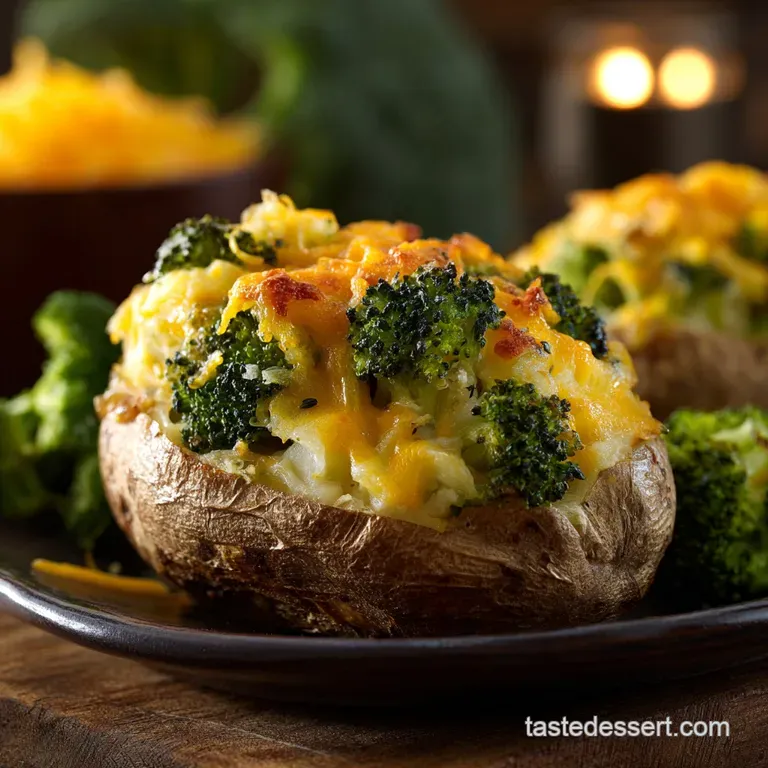
- The Comfort Classic: Broccoli and Cheese Twice Baked Potatoes
- The Culinary Science of the Perfect Twice-Baked Potato
- Essential Ingredients and Smart Substitutions
- Mastering the Method: Step-by-Step Broccoli and Cheese Twice Baked Potatoes
- Troubleshooting and Expert Chef's Tips
- Perfect Pairings: What to Serve Alongside
- Recipe FAQs
- 📝 Recipe Card
The Comfort Classic: Broccoli and Cheese Twice Baked Potatoes
Can we just talk for a second about that moment when you slice into a piping hot, golden brown twice baked potato? The aroma of melted sharp Cheddar mixed with the earthy steam from perfectly cooked broccoli is just pure comfort, instantly transforming a grumpy Tuesday into something special.
You get this incredible textural contrast: the rugged, salty, crisp potato skin giving way to a cloud like, impossibly creamy filling that doesn't feel heavy, only deeply satisfying.
This recipe is the ultimate weeknight lifesaver, especially when you need something robust and budget friendly that still feels like a culinary achievement. It takes a humble ingredient the simple baking potato and turns it into a hearty meal, or a spectacular side dish if you happen to be preparing something like our Baked Lump Crab Cakes with Red Pepper Chipotle Lim Moist Healthy . It’s fast enough for busy evenings, yet elegant enough for company.
Forget those dry, cardboard like baked potatoes you might have suffered through in the past, because we are using every trick in the book to guarantee flavor and an ethereal texture inside.
Let’s crack on and master the art of the perfect Broccoli and Cheese Twice Baked Potato, because trust me, you are going to want to nail this one.
The Culinary Science of the Perfect Twice Baked Potato
From Humble Jacket Spud to Culinary Star
The secret to why these are so darn good lies in how we handle the fat and starch. When you mash a potato, you release starch, and if you beat it too long or mix it with cold ingredients, that starch turns gluey and dense, which nobody wants.
By mixing hot potato flesh immediately with room temperature butter and full fat dairy, we incorporate the necessary moisture and richness while the starch is still malleable.
Why the "Twice Baked" Method Makes All the Difference
The first bake is all about drying out the potato flesh and crisping the skin, essentially creating a perfect boat. The second bake, however, is the real magic; it reheats the creamy filling until the cheese is molten and gives those delicious, mounded peaks a golden crust.
This ensures the filling is light, fluffy, and evenly heated throughout it guarantees an experience far superior to just stuffing a plain baked potato.
Prep Time and Yield Overview
Honestly, the majority of the time here is hands off baking, which means you can totally tackle the dishes or help the kids with homework while the oven does the heavy lifting. Active prep time is only about 25 minutes, and this recipe yields four generously sized, completely stuffed potatoes, which is perfect for four hungry people.
The Optimal Potato: Starch Content and Texture
You need a starchy potato for this job, plain and simple. High starch varieties like Russets (or Idaho potatoes, if you’re Stateside) bake up dry and fluffy, which is exactly what we need when we scoop out the flesh to make our creamy mash.
Waxy potatoes hold too much moisture, giving you a wet, heavy filling that simply won’t reach that gorgeous cloud like texture we are aiming for.
Achieving the Crispy Skin and Fluffy Interior (First Bake)
Never, ever wrap a baking potato in foil if you want crispy skin. This is non-negotiable. Rubbing the skin with olive oil and then showering it with coarse sea salt draws out moisture from the skin's surface and helps the fat fry it, giving you that wonderfully crunchy shell.
Baking directly on the rack also allows for 360 degree convection heat.
The Role of Mature Cheddar in Creaminess and Flavor
We aren't messing around with mild cheese here; we want sharp, mature Cheddar. The robust flavor stands up beautifully against the potato and the slight bitterness of the broccoli. Using freshly grated cheese melts better than pre-shredded (which often contain anti caking agents) and contributes hugely to that silky, luxurious texture. If you’re a real cheese fiend, you might be interested in creating a perfect spread with my guide to the Charcuterie and Cheese Board: The Easiest Guide to Effortless Entertaining .
Essential Ingredients and Smart Substitutions
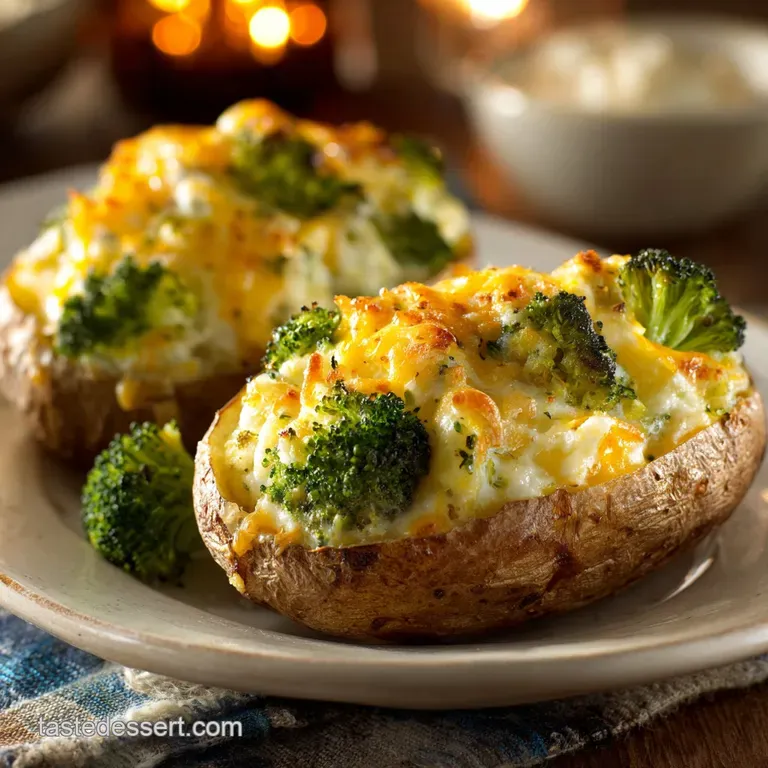
Selecting the Best Russets (or Baking Potatoes)
Look for potatoes that are roughly the same size so they bake evenly. You want them to be firm, free of blemishes, and definitely on the large side, as they are the main course here, not just a side component. Remember, consistency in size means consistency in cooking.
Dairy Choices: Enhancing the Filling's Creaminess
I absolutely love using full fat sour cream or crème fraîche because the high fat content creates an incredibly rich and stable emulsion with the mashed potato. We need that bit of tang to cut through the richness of the butter and cheese.
A splash of warmed whole milk helps achieve the perfect fluffy consistency without making the filling soupy.
| Ingredient | Viable Substitute | Notes |
|---|---|---|
| Sour Cream / Crème Fraîche | Softened Full Fat Cream Cheese | Use slightly less cream cheese, as it is much denser. |
| Sharp Cheddar | Gruyère or Monterey Jack | Gruyère offers a nutty complexity; Monterey Jack is milder but melts like a dream. |
| Whole Milk | Half & Half or Heavy Cream | These add more richness, so adjust the quantity downwards slightly. |
Preparation Notes for the Broccoli Florets
The broccoli is best steamed until it is tender crisp, not mushy. It should still have a lovely, vibrant green color and a slight bite. A crucial tip: make sure you chop the florets into very small pieces after cooking them.
Giant chunks of broccoli make scooping and mixing harder and disrupt the creamy texture of the filling.
Alternative Seasonings and Flavor Boosters
Garlic and onion powder provide a background savory depth that is necessary when working with such high fat ingredients. If you want to kick the flavor up a notch, consider adding smoked paprika for earthiness, or a dash of cayenne for a subtle heat.
You can also mix in a teaspoon of Dijon mustard for an extra layer of savory tang.
Mastering the Method: step-by-step Broccoli and Cheese Twice Baked Potatoes
Step 1: Preparing and Baking the Potato Shells
Preheat your oven to a robust 400°F (200°C). Scrub those potatoes until they sparkle, then pierce them several times this allows steam to escape, preventing dangerous potato explosions.
Rub them liberally with olive oil and roll them in coarse salt before baking them directly on the oven rack until fork tender and the skin is deeply bronzed, usually 50– 70 minutes.
Step 2: Scooping, Mashing, and Flavoring the Filling
Let the baked potatoes cool just enough to handle; working with them while they are still hot is key to the fluffiest filling. Slice them lengthwise and gently scoop the flesh into a bowl, leaving a 1/4 inch border so your potato boats don’t collapse.
Add the soft butter immediately to the hot flesh, then mash quickly until smooth. Mix in the room temperature dairy and seasonings, beating until the mixture is light and aerated.
Chef’s Note: Once you’ve added the dairy and butter, gently fold in the cheese and broccoli. Overmixing past this point is the number one cause of gluey, dense potato filling. Be gentle, we want air pockets!
Step 3: Piping/Mounding the Filling for the Second Bake
If you want those beautiful, bakery style swoops, spoon the filling into a large piping bag fitted with a star tip and pipe it back into the shells. If you're like me and prefer minimal fuss (or hate washing piping bags), just use a spoon to mound the mixture high into the shells.
Don't be shy; overstuffing them looks fantastic.
Step 4: The Final Golden Finish
Sprinkle the reserved Cheddar cheese over the tops of the mounded filling. Pop them back into the 400°F (200°C) oven for about 20– 30 minutes.
You’re looking for a bubbling cheese crust and those peaks to turn a lovely golden brown, signaling the interior is perfectly hot and ready to eat.
Troubleshooting and Expert Chef's Tips
How to Prevent a Soggy Potato Base
My biggest mistake when I started making these was putting the oiled potatoes on a baking sheet lined with foil; this traps moisture and steams the underside. The solution is simple: bake them directly on the oven rack .
Place a lined sheet on the shelf below to catch any drips, but let the air circulate around the potato shells for maximum crunch.
Ensuring the Filling Isn't Too Dry or Gummy
This is all about heat control. If your mashed potato mixture seems dry, it’s probably because you added cold dairy that seized the starch. Fix: Gently warm another tablespoon of milk or cream and beat it into the filling, one tiny spoonful at a time, until the texture loosens up.
Getting Maximum Crispy Skin Texture
Before the second bake, if the skins look slightly dry or soft, give the empty potato boats a quick brush with melted butter or olive oil. This extra layer of fat ensures they crisp up beautifully again in the high heat of the final bake.
Time Saving Hack: Pre-Cooking the Broccoli
You can absolutely steam and chop the broccoli florets up to 24 hours ahead of time. Keep them in an airtight container in the fridge. This small step cuts 10 minutes off your active prep time, which is a major win on a chaotic weekday.
Can I Assemble Broccoli and Cheese Twice Baked Potatoes Ahead of Time?
Yes, absolutely! They are wonderful for prepping ahead. Follow the instructions all the way through Step 3 (mounding the filling into the shells and topping with cheese). Instead of baking, cover them tightly and refrigerate for up to 2 days.
When ready to serve, simply add 10– 15 minutes to the final bake time since they are going in cold.
Safe Refrigeration and Reheating Instructions
If you have leftovers (a rare occurrence!), store them tightly covered in the refrigerator for 3 to 4 days. To reheat, the microwave is okay, but it softens the skin. For best results, place them on a baking sheet and reheat in an oven at 350°F (175°C) for 15– 20 minutes, until piping hot throughout.
They also freeze beautifully! Once frozen, wrap each potato individually in foil and store for up to 3 months; reheat directly from frozen (unwrapped) at 400°F (200°C) for about 40– 50 minutes.
Perfect Pairings: What to Serve Alongside
These cheesy spuds are substantial enough to be the main event, especially when served with a bright, crisp salad. They pair perfectly with anything grilled or roasted.
For a comforting winter meal that maximizes the broccoli cheese combination, serving these alongside a cup of Macaroni and Cheese Soup with Broccoli: The Ultimate Creamy Winter Warmer is a serious next level move. If you need a lighter contrast, a simple vinaigrette dressed mixed green salad is ideal, or consider pairing them with a fresh, acidic slaw to cut through the richness.

Recipe FAQs
Why does my twice baked potato filling seem dry and crumbly?
This usually happens if the potatoes were overcooked during the initial bake, causing excessive moisture loss, or if you skimped on the necessary cream, butter, or sour cream binder.
Ensure you measure the dairy fats accurately and stop mixing the filling immediately once it's smooth to prevent the starch from becoming gummy.
Can I use potatoes other than Russets for this recipe?
Russet potatoes (or large baking potatoes) are highly recommended because their high starch content results in the fluffiest mash, and their thick skins create durable shells. While Yukon Golds can be used, their thinner skins make them harder to stuff and the resulting filling will be slightly denser and less airy.
What is the secret to ensuring the potato skins are truly crispy?
After washing, pierce the potatoes, rub them lightly with oil (such as olive or grapeseed), and season generously with coarse salt before the initial bake. Baking them directly on the oven rack, rather than on a sheet pan, allows for better air circulation, which is key to achieving maximum crispiness.
I don't have sharp Cheddar. What other cheeses work well in this filling?
Excellent substitutions include Monterey Jack, smoked Gouda, or a high-quality Gruyère, which melts beautifully and adds a subtle, nutty complexity. For a sharper flavor profile, you could also combine mild Cheddar with a small amount of freshly grated Parmesan cheese.
Can these twice baked potatoes be frozen for meal prepping?
Yes, they freeze exceptionally well. Prepare the potatoes through the filling and stuffing stage, but skip the second bake entirely. Flash freeze them until solid, then wrap each potato tightly in foil; they keep for up to 3 months.
When ready to serve, bake them directly from frozen at 400°F (200°C) for 45 to 60 minutes.
How far in advance can I prepare the twice baked potatoes?
You can complete the first bake, prepare the filling, and stuff the shells up to 24 hours ahead of time. Cover them loosely with plastic wrap or foil and keep them refrigerated until the second bake. Be sure to add an extra 5 to 10 minutes to the final bake time since they will be going into the oven chilled.
How should I store and reheat leftover twice baked potatoes?
Store completely cooled leftovers in an airtight container in the refrigerator for up to 3 days. To reheat, baking them in an oven or a toaster oven at 350°F (175°C) is best, as it helps re-crisp the skins and maintains a better texture than microwaving.
Reheat until the internal temperature is 165°F (74°C).
Broccoli And Cheese Twice Baked Potatoes Recipe
Ingredients:
Instructions:
Nutrition Facts:
| Calories | 844 kcal |
|---|---|
| Protein | 28.5 g |
| Fat | 50.4 g |
| Carbs | 61.7 g |
