Broccoli and Cheddar Twice Baked Potato

- Time: Active 20 minutes, Passive 1 hours 15 mins, Total 1 hours 35 mins
- Flavor/Texture Hook: Shatter crisp salty skin with a velvety, cheesy interior
- Perfect for: Cozy weekend dinners or a show stopping holiday side dish
- Crafting the Perfect Broccoli and Cheddar Twice Baked Potato
- Essential Technical Specs for Your Twice Baked Spuds
- Selecting Quality Ingredients for Loaded Stuffed Baked Potatoes
- The Science of Why it Works
- Essential Tools for Carving and Whipping Potato Filling
- Mastering the Technique for Filling and Final Baking
- Professional Troubleshooting Guide for Common Potato Issues
- Creative Ways to Customize Your Twice Baked Potatoes
- Long Term Storage and Proper Reheating Methods
- Ideal Side Dishes to Serve With Loaded Potatoes
- Debunking Traditional Potato Lore
- High in Sodium
- Recipe FAQs
- 📝 Recipe Card
Crafting the Perfect Broccoli and Cheddar Twice Baked Potato
Imagine the scent of earth and salt as a hot potato leaves the oven, its skin crackling under the slightest pressure from your thumb. You slice it open, and a plume of steam carries the aroma of toasted starch and minerals.
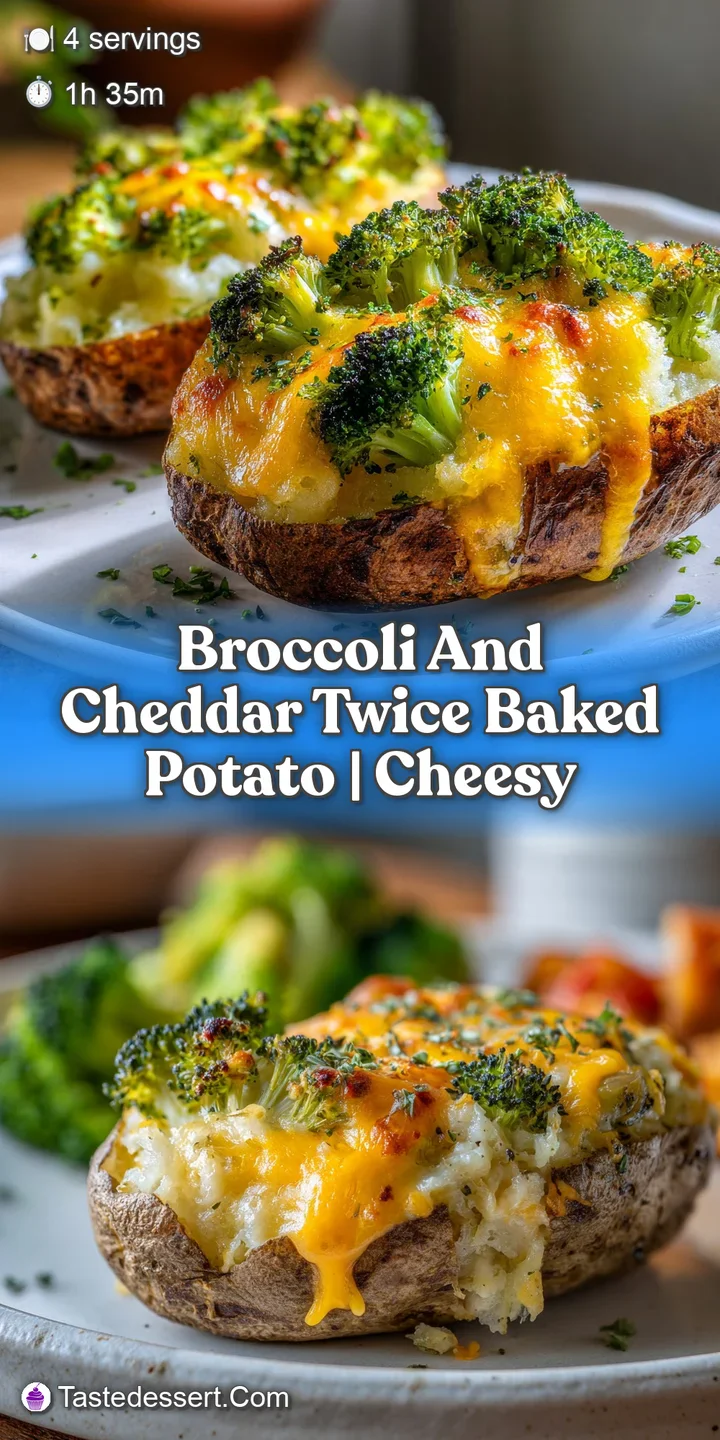
This Broccoli and Cheddar Twice Baked Potato recipe from Baker by Nature is comfort food perfection. It is not just a side dish; it is a labor of love that turns a basic pantry staple into a texture rich masterpiece that feels like a warm hug on a plate.
I used to think a baked potato was just a vehicle for a pat of butter, but then I discovered the magic of the second bake. By scooping out the fluffy interior and whipping it with chilled butter and tangy sour cream, we create a filling that is light, airy, and impossibly smooth.
When you fold in those tiny, vibrant green broccoli trees and a generous mountain of sharp cheddar, you get a contrast that is purely addictive.
We are going for a specific contrast here: the outer skin should shatter like parchment paper, while the inside remains as soft as a cloud. If you've ever struggled with soggy skins or a gummy, glue like filling, don't worry.
I have made every mistake possible from over processing the mash to under salting the shells so you don't have to. Right then, let's get into the details of how we make this happen.
Essential Technical Specs for Your Twice Baked Spuds
Before we grab our aprons, let's look at the blueprint for success. This isn't a "toss it in and hope" kind of meal; it’s about precision in temperatures and timing to ensure that every bite is consistent. We want that potato skin to act as a sturdy vessel, almost like a bread bowl made of gold.
To get that restaurant quality finish, we need to focus on the moisture levels. Russet potatoes are about 80% water, and our goal during the first hour is to evaporate as much of that as possible without burning the outside.
This leaves behind the starch granules, which we then lubricate with fats like butter and sour cream. It’s a delicate dance of dehydration and rehydration.
| Feature | Specification | Why it Matters |
|---|---|---|
| Potato Type | Russet (approx. 400g each) | High starch content ensures a fluffy, non waxy mash |
| Initial Oven Temp | 200°C (400°F) | High heat triggers the Maillard reaction on the skin |
| Internal Doneness | 96°C (205°F) | Ensures starches are fully gelatinized for easy scooping |
Selecting Quality Ingredients for Loaded Stuffed Baked Potatoes
The magic starts with the potato itself. You want "Burbank" Russets if you can find them. They are the ones with the thick, dusty brown skins and plenty of eyes. Their high starch to moisture ratio is what creates that signature flaky texture.
If you try this with a Red Bliss or a Yukon Gold, you'll end up with something much denser more like a heavy mash than a light fluff.
Freshness counts for the greens too. I always advocate for fresh broccoli florets over frozen ones for this specific dish. Frozen broccoli can leach too much water into your carefully whipped filling, which leads to a "weeping" potato.
We want those florets to be tiny enough to distribute evenly, providing a little snap of freshness in every cheesy forkful.
The Cheese and Toppings
- 2 large Russet potatoes (approx. 400g each): Why this? Essential for a high starch to water ratio and thick, durable skins. (Substitute: King Edward potatoes)
- 1 tbsp neutral oil (avocado or grapeseed): Why this? High smoke point allows the skin to crisp without tasting burnt. (Substitute: Refined olive oil)
- 1 tsp fine sea salt: Why this? Draws moisture out of the skin via osmosis for extra crunch. (Substitute: Kosher salt)
- 1.5 cups fresh broccoli florets, chopped: Why this? Provides texture and a grassy contrast to the rich dairy. (Substitute: Steamed cauliflower)
- 4 tbsp unsalted butter, cubed and chilled: Why this? Chilled butter incorporates more slowly, creating a lighter emulsion. (Substitute: Ghee)
- 1/2 cup full fat sour cream: Why this? Adds essential acidity to cut through the heavy starch. (Substitute: Plain Greek yogurt)
- 1/4 cup whole milk: Why this? Adjusts the viscosity of the mash for a velvety finish. (Substitute: Heavy cream)
- 1 tsp garlic powder: Why this? Provides a consistent, savory undertone without the bite of raw garlic. (Substitute: Onion powder)
- 1/2 tsp smoked paprika: Why this? Adds a subtle wood fired aroma that complements the roasted skin. (Substitute: Sweet paprika)
- 1.5 cups sharp cheddar cheese, freshly grated: Why this? Pre shredded cheese has cellulose coating that prevents a smooth melt. (Substitute: Gruyère)
- 2 tbsp fresh chives, finely minced: Why this? Delivers a bright, oniony pop of color and flavor. (Substitute: Scallion greens)
- Salt and black pepper: Why this? Vital for layering seasoning at every stage of the process. (Substitute: White pepper)
The Science of Why it Works
The secret lies in starch gelatinization, where heat causes the potato's starch granules to swell and burst, creating a soft texture. Simultaneously, the Maillard reaction browns the skin, developing deep, savory flavor compounds that contrast with the creamy interior.
The Osmosis Technique for Crunch
When we rub the potato skins with sea salt before the first bake, we aren't just seasoning them. Salt is hygroscopic, meaning it pulls moisture from the potato's surface to the outside. This allows the skin to dehydrate rapidly in the hot oven, resulting in a shell that is firm enough to hold a pound of filling but brittle enough to crackle when bitten. This is the same logic I use when prepping my Crispy Baked Baby recipe to get that gold standard exterior.
The Emulsion Method for Filling
Mixing the hot potato flesh with chilled butter creates a stable emulsion. If the butter is melted and oily, it can separate, leaving you with a greasy filling. By using cubed, cold butter, we allow it to melt slowly as you mash, coating the starch molecules in fat before the milk and sour cream are added.
This prevents the starches from linking together too tightly, which is exactly how you avoid a gummy texture.
| Ingredient | Science Role | Pro Secret |
|---|---|---|
| Russet Potato | Starch Structure | Scrub vigorously to remove excess dirt but keep the skin intact |
| Sour Cream | Acidic Tenderizer | Use room temperature cream to prevent the mash from cooling too fast |
| Sharp Cheddar | Fat & Protein | Grate it yourself to avoid anti caking agents that ruin the melt |
Essential Tools for Carving and Whipping Potato Filling
You don't need a high tech kitchen to pull this off, but a few specific items make the job much cleaner. First and foremost, throw away the idea of using a food processor for the filling. The rapid blades will shear the starch cells, releasing a sticky mess that no amount of cheese can save.
Instead, reach for a sturdy hand masher or, even better, a potato ricer. A ricer forces the potato through tiny holes, creating the lightest, fluffiest base imaginable. It’s the difference between a dense block of potato and a savory mousse.
You’ll also want a small, sharp paring knife for clean cuts and a metal spoon for scooping.
Chef's Tip: Freeze your butter for 10 minutes before cubing it. This ensures it stays solid until the very moment it hits the hot potato, leading to a much fluffier, more aerated filling.
Mastering the Technique for Filling and Final Baking
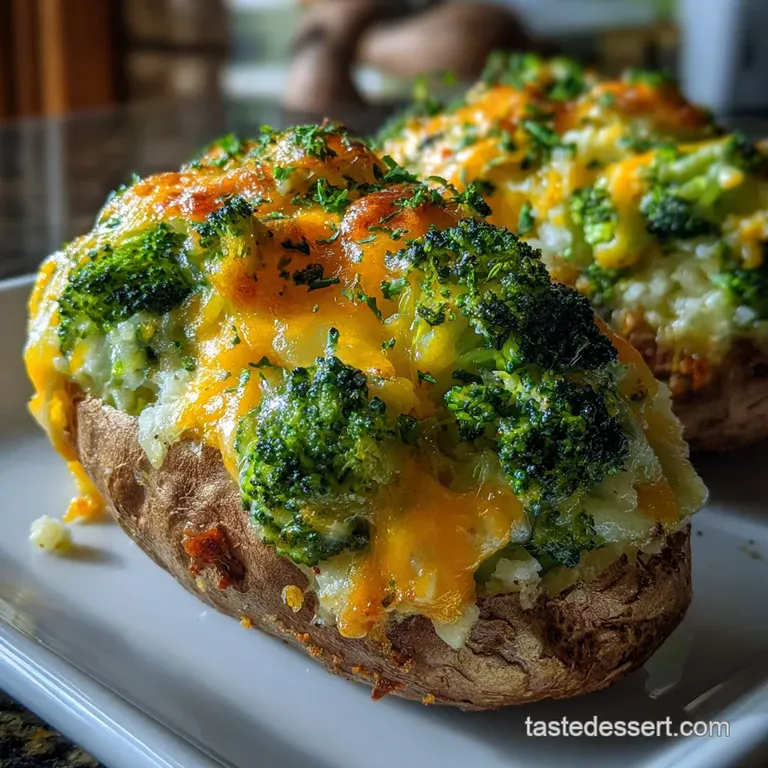
- Prep the vessels. Scrub the Russet potatoes under cold water. Poke them 5-6 times with a fork to allow steam to escape. Note: If you don't poke them, the internal pressure can cause the potato to explode.
- The first bake. Rub the skins with the neutral oil and fine sea salt. Place them directly on the oven rack at 200°C. Bake 1 hours until the skin is crisp and a knife slides in effortlessly.
- Steam the greens. While the potatoes bake, steam your 1.5 cups of chopped broccoli for 3-4 minutes. Stop when they are vibrant green and fork tender.
- Slice and scoop. Once the potatoes are cool enough to handle (about 5-10 minutes), slice them in half lengthwise. Use a spoon to scoop out the flesh, leaving a 1/4 inch border. Note: This border provides the structural integrity needed for the second bake.
- Create the mash. Place the hot potato flesh in a bowl. Add the 4 tbsp of chilled butter and mash immediately. Mix until the butter is fully incorporated and the texture looks shaggy.
- Add the creamy elements. Fold in the 1/2 cup sour cream, 1/4 cup whole milk, garlic powder, and smoked paprika. Whisk by hand until the mixture is velvety and smooth.
- Fold and season. Stir in the steamed broccoli and 1 cup of the sharp cheddar. Add the chives, salt, and black pepper. Note: Taste the filling now; it should be highly seasoned as the potato skin is neutral.
- Stuff the shells. Spoon the mixture back into the potato skins, piling it high. Ensure the filling is packed loosely to keep it airy.
- The final melt. Sprinkle the remaining 1/2 cup of cheddar over the tops. Return to the oven for 15 minutes until the cheese is bubbling and starting to brown at the edges.
- Garnish and serve. Remove from the oven and let them rest for 2 minutes. Add an extra pinch of chives before serving.
The contrast here is what makes it. If you love this kind of texture play, you'll definitely appreciate the technique in my Three Cheese Zucchini recipe where the crust and custard meet in perfect harmony.
Professional Troubleshooting Guide for Common Potato Issues
One of the most frequent complaints I hear is about "soggy bottoms." This happens when the potato sits in its own steam on a baking sheet. By placing the potatoes directly on the oven rack, or on a wire rack set over a tray, you allow air to circulate 360 degrees around the skin.
This ensures every millimeter of that shell is as crispy as possible.
Another issue is the filling becoming too liquid. This usually happens if the broccoli wasn't drained well or if you used low-fat dairy. Always go for full fat sour cream and whole milk. The fat provides the body needed to hold the broccoli in suspension.
To Avoid Gummy Texture
If your filling feels like glue, you likely over mixed it. Starch is sensitive. Once you add the liquid, move to a folding motion with a spatula rather than a vigorous stir. If you've already hit the gummy stage, you can sometimes save it by adding a bit more cheese and baking it a few minutes longer to firm up the proteins.
| Problem | Root Cause | Solution |
|---|---|---|
| Skin is soft/leathery | Trapped steam or too much oil | Bake directly on the rack and use exactly 1 tbsp of oil |
| Filling is bland | Under seasoning the mash | Add more salt and paprika; the potato absorbs a lot of salt |
| Shell collapses | Scooped too much flesh out | Leave at least 1/4 inch of potato attached to the skin |
If you find yourself with leftover potato interiors or skins that didn't make the cut, don't throw them out! They are the perfect base for a quick Irish Potato Soup recipe which thrives on those same starchy Russet qualities.
Creative Ways to Customize Your Twice Baked Potatoes
While the Broccoli and Cheddar Twice Baked Potato is a classic, you can treat the potato skin as a blank canvas. If you want to lean into a more "umami" profile, try adding a teaspoon of Worcestershire sauce or a dab of Dijon mustard to the mash.
It deepens the flavor without being identifiable as a specific ingredient.
For those who want a bit of heat, folding in some diced pickled jalapeños or a dash of cayenne pepper works wonders. The creaminess of the sour cream and the fat from the cheddar will buffer the spice, leaving you with a pleasant tingle rather than a burn.
For Restaurant Quality Flavor (The Umami Boost)
- The Crunch Factor: Add a tablespoon of panko breadcrumbs mixed with melted butter to the top of the cheese before the second bake.
- The Meat Lover: Fold in 1/4 cup of crispy bacon bits along with the broccoli.
- The Herb Garden: Use a mix of parsley, dill, and chives for a more complex, fresh aroma.
Decision Shortcut
- If you want extra crispy skin, rub the potatoes with oil only during the last 20 minutes of the first bake.
- If you want the fluffiest filling, use a ricer and ensure your butter is ice cold.
- If you want a meal prep version, fill the potatoes but don't do the second bake; refrigerate and bake fresh when ready.
Long Term Storage and Proper Reheating Methods
These potatoes are surprisingly resilient. You can store them in the fridge for up to 4 days. When you’re ready to eat, don't use the microwave if you can avoid it it will turn that beautiful crispy skin into a rubbery mess.
Instead, pop them back into a 180°C oven for about 15 minutes. This will re crisp the skin and melt the cheese through to the center.
Freezing: Yes, you can freeze these! Wrap each stuffed (but not yet second baked) potato tightly in plastic wrap and then foil. They will stay good for up to 3 months.
To cook from frozen, remove the plastic, wrap in foil, and bake at 190°C for 40 minutes, uncovering for the last 10 minutes to brown the cheese.
Zero Waste: Don't throw away those broccoli stems! Peel the woody outer layer, dice the tender core, and sauté it with some garlic. It’s delicious on its own or tossed into a salad.
If you have extra potato mash that won't fit in the shells, fry it up into little potato cakes the next morning for breakfast.
Ideal Side Dishes to Serve With Loaded Potatoes
Because this Broccoli and Cheddar Twice Baked Potato is so rich and hearty, it often acts as the star of the show. However, it pairs beautifully with lean proteins. Think of a simple lemon herb grilled chicken breast or a seared steak.
The acidity of a vinaigrette based side salad also helps to cut through the richness of the cheddar and sour cream.
If you are serving this as part of a larger feast, consider the balance of your table. Since the potato is soft and creamy, you want something with a bit of bite. A side of roasted carrots or a crunchy slaw would be perfect.
| Fresh Ingredients | Shortcut Version | Outcome Trade off |
|---|---|---|
| Fresh Broccoli | Frozen Florets | Frozen is softer and adds more moisture/water |
| Freshly Grated Cheddar | Pre shredded Bag | Bagged cheese has cornstarch; won't be as velvety |
| Fresh Chives | Dried Chives | Dried lacks the "bright" onion pop; more muted |
Debunking Traditional Potato Lore
One common myth is that you should wrap potatoes in foil to bake them. Please, I beg you, don't do this. Wrapping them in foil steams the potato rather than roasting it. You’ll end up with a wet, pale skin that has no structural integrity. The skin needs direct contact with the hot air to dehydrate and crisp up.
Another misconception is that "any potato works." I’ve seen people try this with waxy red potatoes. While they are great for potato salad because they hold their shape, they make for a terrible twice baked filling.
They don't break down into that fluffy, cloud like texture we need; instead, they stay chunky and heavy. Stick to the Russet!
Finally,, searing the skin does not "seal in" the juices of the potato. Moisture loss is actually what we want it’s how the flavors concentrate and the texture becomes light. The oil and salt are there for texture and flavor, not as a barrier.
Trust the process, keep the foil in the drawer, and let the oven do its work. Happy baking!
High in Sodium
875 mg mg of sodium per serving (38% % of daily value)
The American Heart Association recommends limiting sodium intake to no more than 2,300mg per day for most adults.
Tips to Reduce Sodium in Your Loaded Baked Potato
-
Lower Sodium Cheese-15%
Replace the 1.5 cups of sharp cheddar cheese with a lower sodium cheese like Swiss or Monterey Jack. This can significantly cut down on the sodium content.
-
Reduce Added Salt-25%
Reduce the amount of added salt. Start by eliminating the 1 tsp of fine sea salt initially added to the potatoes and only add salt to taste at the end if absolutely necessary.
-
Unsalted Butter Boost-10%
Make sure the butter used is unsalted. Using unsalted butter will remove a significant amount of sodium from the recipe.
-
Spice It Up!
Enhance flavor with fresh herbs and spices instead of relying on salt. Increase the amount of garlic powder, smoked paprika, and chives to boost the flavor profile.
Recipe FAQs
Can I use frozen broccoli instead of fresh for this recipe?
No, it's best to stick with fresh broccoli. Frozen broccoli releases too much moisture when cooked, which can make the potato filling watery and less cohesive.
How do I prevent the potato skin from getting soggy?
Bake the potatoes directly on the oven rack. This allows air to circulate all around the potato, ensuring the skin dries out and crisps up properly.
What is the best type of potato to use for twice baked potatoes?
Russet potatoes are ideal. Their high starch content creates a fluffy interior when mashed, and their thick skins hold up well to the double baking process.
Why should I grate my own cheddar cheese?
Pre-shredded cheese contains anti caking agents. These agents can prevent the cheese from melting smoothly into the filling, resulting in a less velvety texture.
Can I make these ahead of time?
Yes, you can prepare them up to the point of the second bake. Store the filled potato shells in the refrigerator, then bake as directed when ready to serve.
How should I reheat leftovers?
Reheat in the oven at 180°C (350°F). Microwaving can make the potato skin rubbery; oven reheating helps restore crispness.
What are some good side dishes for Broccoli and Cheddar Twice Baked Potatoes?
This dish is quite rich, so it pairs well with lighter options. Consider a simple grilled chicken or a fresh green salad to balance the flavors. For a comforting meal, it's also delightful alongside something like Paula Deens Corn Casserole: The Creamy Dreamy Southern Classic.
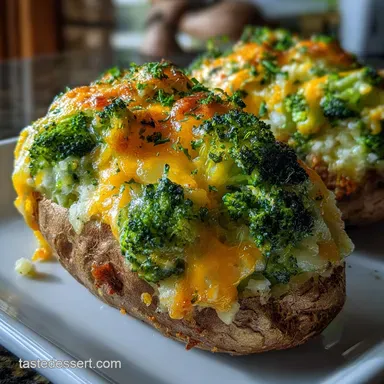
Broccoli Cheddar Twice Baked Potato
Ingredients:
Instructions:
Nutrition Facts:
| Calories | 537 kcal |
|---|---|
| Protein | 17.0 g |
| Fat | 35.4 g |
| Carbs | 39.1 g |
| Fiber | 5.4 g |
| Sugar | 3.2 g |
| Sodium | 875 mg |
