Spaghetti with Butternut Squash Leek Parmesan Sauc: Velvety Autumn Gold
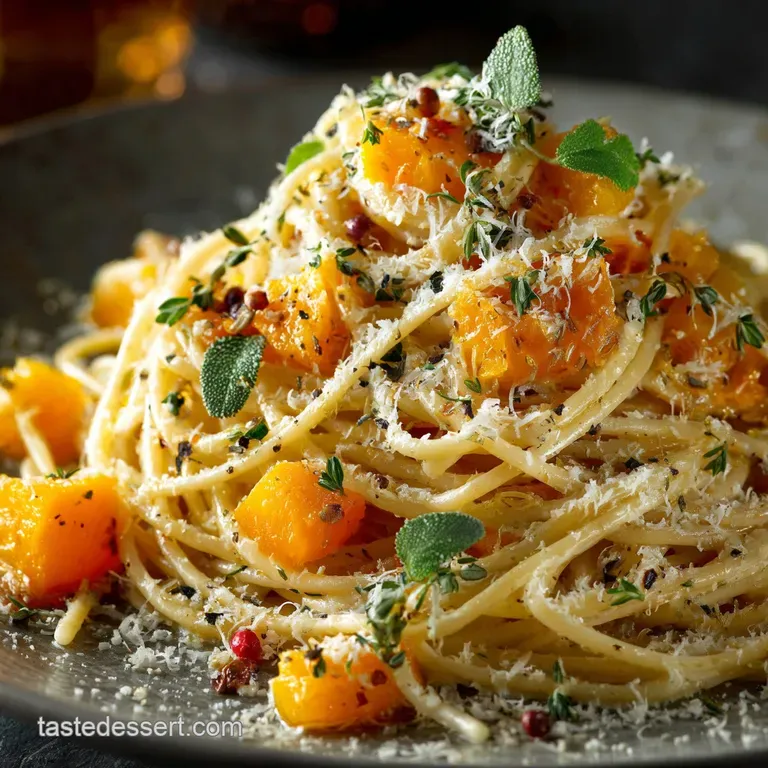
- The Ultimate Autumn Comfort: Spaghetti with Butternut Squash Leek Parmesan Sauc
- Decoding the Decadence: The Science Behind the Silky Sauce
- Essential Components for the Golden Pasta Dish (Ingredients & Notes)
- Mastering the Method: How to Cook Spaghetti with Butternut Squash Leek Parmesan Sauc
- Pro Tips and Troubleshooting for the Perfect Butternut Sauce
- Leftovers and Longevity: Storing Your Butternut Squash Pasta
- Complete the Meal: Ideal Pairings for Spaghetti with Butternut Squash Leek Parmesan Sauc
- Recipe FAQs
- 📝 Recipe Card
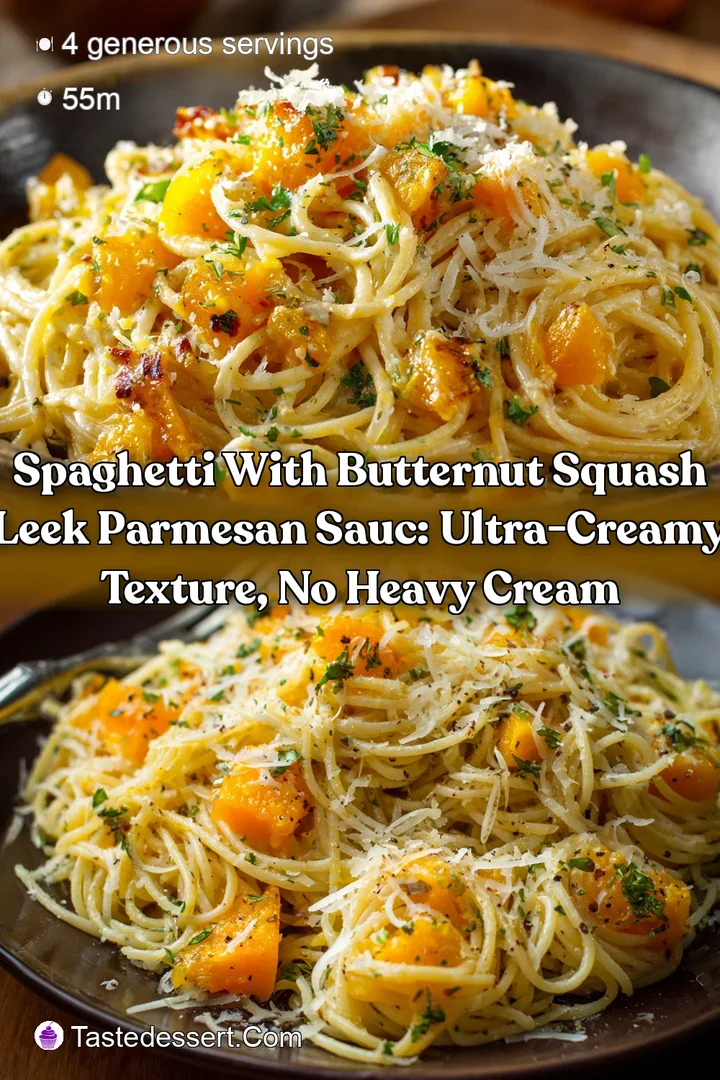
The Ultimate Autumn Comfort: Spaghetti with Butternut Squash Leek Parmesan Sauc
Stop what you are doing and take a deep breath; the moment this golden sauce hits your hot spaghetti, the kitchen smells like pure autumn magic. It’s a gorgeous mix of sweet roasted squash, earthy leeks sautéed gently in butter, and that unmistakable sharp hit of high-quality Parmesan.
The resulting texture is unbelievably creamy, yet there isn't a single drop of actual heavy cream in the entire recipe.
This recipe is my emergency button for elegant weeknight meals because it is deceivingly simple to execute. It requires minimal active cooking time, it uses incredibly inexpensive seasonal ingredients, and it somehow tricks everyone into thinking you spent hours perfecting a fancy Italian reduction.
I promise this wholesome Butternut Squash Pasta is genuinely a lifesaver when you need serious comfort food fast.
Ready to trade your jarred sauce for something that tastes like a velvet hug? Grab your sturdiest knife for that tough squash exterior, and let's get this golden, comforting Spaghetti with Butternut Squash Leek Parmesan Sauc going.
Decoding the Decadence: The Science Behind the Silky Sauce
Introducing the Velvety, Cream Free Sauce Base
We achieve this impossible, ultra smooth texture because we are relying entirely on the beautiful, starchy structure of the roasted butternut squash. When you roast the squash until it’s truly fork tender and lightly caramelized, those vegetable fibers break down perfectly.
Blended with a bit of stock and milk, the squash transforms into a naturally thick, rich purée that coats the spaghetti perfectly.
Why This Recipe Defines Cozy Autumnal Cooking
This Butternut Squash Pasta is, simply put, the very essence of fall on a plate. The deep caramelization we achieve from roasting the squash concentrates all of its natural sugars, giving us a beautiful, comforting sweetness.
That rich sweetness is then perfectly balanced by the sharp, salty, savoury edge of the aged Parmigiano Reggiano we stir in at the end.
A Nutrient Rich Take on Decadent Pasta
I absolutely love how surprisingly wholesome this recipe feels, yet it sacrifices zero flavor or luxury. It is naturally packed with fiber and high in Vitamin A thanks to the squash, and the leeks add important delicate aromatics. This dish is pure indulgence you can actually feel good about.
You will be tempted to have seconds (which you absolutely should).
The Magic of Roasted Butternut Squash Starch Gelatinization
When winter squash is cooked at a high heat, the starch granules absorb water and swell significantly, a process chefs call gelatinization. This critical process creates the primary body and structure of our sauce base, meaning we never need to reach for flour or heavy cream to thicken it up.
Roasting is key here: boiling the squash will often make it watery and flavorless, but roasting concentrates the flavor and texture perfectly for blending.
Balancing Sweetness and Umami: Leeks Meet Parmigiano Reggiano
The leeks are actually the secret weapon in this particular Butternut Squash Leek Parmesan Sauce; their delicate, slightly sweet onion flavor is much milder and more refined than a standard yellow onion.
Sautéing them gently in butter builds a deeply savory aromatic base that complements the squash's inherent sweetness beautifully. The powerful Parmigiano Reggiano then swoops in with salt and major umami depth, tying everything together in one flawless, creamy knot.
Emulsification Secrets: Using Reserved Pasta Water Effectively
I once made the mistake of dumping my pasta water, resulting in an oily, separated sauce that made me want to cry. Never again! The true secret to achieving that coveted, glossy, unified sauce is the reserved starchy pasta water.
The starch molecules released during cooking act as a crucial emulsifier, binding the fat (from the butter and Parmesan) to the liquid. This essential step ensures the sauce clings beautifully to every strand of spaghetti, rather than pooling sadly at the bottom of the plate.
Essential Components for the Golden Pasta Dish (Ingredients & Notes)
You need to start with high-quality ingredients if you want a high-quality result, especially when the recipe is this simple. Here are the must know tips and the best substitutions in case your fridge is looking sparse.
Choosing the Right Squash: Butternut vs. Other Winter Varieties
Butternut squash is ideal here because of its beautiful color and high starch content, which blends out incredibly smoothly. Make sure you cut it into even, 1 inch cubes so it roasts consistently. If you cannot find butternut, don't worry!
| Ingredient | Viable Substitution | Key Difference |
|---|---|---|
| Butternut Squash | Kabocha or Sugar Pie Pumpkin | Kabocha has drier flesh; you may need a little extra stock. |
| Leeks | Shallots or Yellow Onion (less delicate) | Shallots are a close second for mildness. |
| Parmesan | Pecorino Romano | Pecorino is much saltier; use 1/4 less and taste before seasoning. |
| Spaghetti | Fettuccine or Rigatoni | Any hearty pasta works, but spaghetti coats wonderfully. |
Prepping the Leeks: Rinsing and Sautéing for Delicate Flavor
I learned the hard way that leeks trap soil and grit like nobody's business, which is disgusting if you miss it. Slice the white and light green parts of the leeks first, then place them in a bowl of cold water and swish them around aggressively.
The dirt will sink right to the bottom, leaving you with perfectly clean slices for your buttery sauté.
The Role of Quality Cheese: Real Parmigiano Reggiano is Non-Negotiable
This is not the time to cheap out on cheese, trust me. Using pre-grated plastic parmesan often contains anti caking agents that can leave your sauce grainy or slightly clumpy. For the best, silkiest sauce, you must buy a wedge of authentic Parmigiano Reggiano and grate it finely yourself.
The flavor profile is also dramatically better, providing that essential salty, nutty kick.
Pasta Choices: Beyond Traditional Spaghetti
While I love the way the rich Butternut Squash Leek Parmesan Sauc clings to spaghetti, you definitely have options. Tube shapes like Penne or Rigatoni are fantastic because they cup the sauce beautifully, letting you scoop up little pockets of gold with every bite.
If you prefer a flatter noodle, Linguine or even Tagliatelle would work wonderfully as well.
Mastering the Method: How to Cook Spaghetti with Butternut Squash Leek Parmesan Sauc
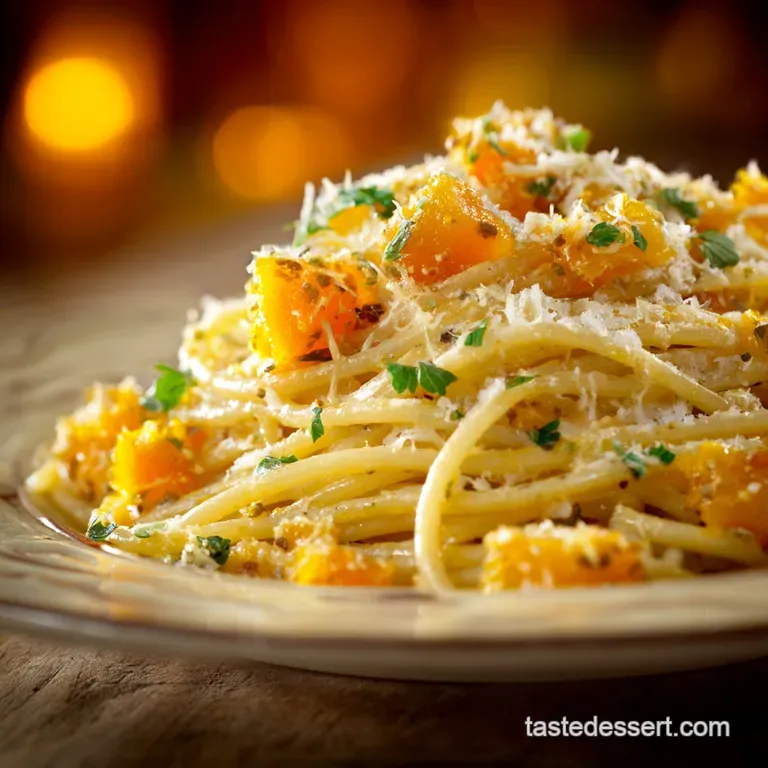
This looks like a multi step project, but the good news is that Phase 1 (roasting) is mostly passive time.
Phase 1: Roasting the Butternut Squash to Perfection
Preheat your oven to 400°F (200°C) and cube your prepared squash into 1 inch pieces. Toss them lightly on a rimmed baking sheet with olive oil, salt, and pepper. Roast this until the squash is very tender it should be easily squashed with a fork, meaning about 35 to 40 minutes, turning once halfway through.
Phase 2: Building the Aromatic Base (Sautéing the Leeks)
While the squash is roasting, start your pasta water and get your aromatics sorted. Melt the butter in your largest skillet over medium heat, then add your thoroughly cleaned, sliced leeks.
Sauté these gently for a good 8 to 10 minutes, stirring often, until they are totally soft and translucent but critically, not browned. Now stir in the minced garlic and nutmeg and cook for just 60 seconds until the mixture is beautifully fragrant.
Chef's Note: Start cooking your spaghetti about 10 minutes after you start the leeks, aiming for al dente —1 or 2 minutes less than the box suggests. Do not forget to reserve 1 1/2 cups of the starchy pasta water before you drain the noodles!
Phase 3: Blending, Simmering, and Achieving Velvety Texture
Transfer the roasted, slightly cooled squash and the sautéed leek mixture to your blender (or use an immersion blender right in a deep bowl). Add 1 cup of the vegetable stock and the milk or cream. Blend this whole mess until it is perfectly smooth and creamy seriously, aim for baby food consistency.
Pour the sauce back into your empty skillet and heat it gently over low heat, adding the grated Parmesan and the lemon juice.
Phase 4: Tossing and Finishing the Pasta
Once the cheese is melted, and the sauce is perfectly uniform, it's time to toss. Drain the al dente spaghetti and immediately transfer it into the skillet containing your sauce. Toss everything vigorously for about 1 to 2 minutes, ensuring every strand is fully coated in the luxurious golden sauce.
If the sauce looks too tight or dry during the toss, splash in a little more reserved pasta water until it reaches that beautiful, glossy coating consistency. Serve it up immediately, dusted with more Parmesan and black pepper.
Pro Tips and Troubleshooting for the Perfect Butternut Sauce
Preventing a Gummy Sauce: The Importance of Liquid Ratio
A sauce often turns gummy when you use too much starch (i.e., too much pasta water) relative to the fat and liquid. The key here is gradual addition. Start with the stock and milk, and only add the pasta water in small splashes after the sauce is blended and the Parmesan is incorporated.
You want a thick coating, not a sticky paste.
Reviving a Sauce That Is Too Thick or Dry
If you blend the sauce and it looks like a brick, don't panic! This usually means your squash was particularly dry, or you skimped on the liquid. Simply stir in another splash of stock, milk, or (best option) hot reserved pasta water, 1/4 cup at a time.
Whisk vigorously until the sauce relaxes and loosens back into a beautiful, silky consistency.
Maximizing the Flavor of the Leeks (Avoid Burning)
Leeks contain a lot of sugar, so they burn and blacken much faster than standard onions. To maximize their delicate, sweet flavor, you must sauté them low and slow, using medium or even medium low heat.
If they start to crisp up or brown too fast, immediately turn the heat down and add a tiny splash of water or stock to deglaze the pan and slow the cooking process.
Leftovers and Longevity: Storing Your Butternut Squash Pasta
Refrigeration Guidelines for Cooked Pasta
Cooked Spaghetti with Butternut Squash Leek Parmesan Sauc keeps surprisingly well in the fridge. Transfer any leftovers to an airtight container and refrigerate them for up to 3 or 4 days. Note that the sauce will thicken considerably as it cools, but we can easily fix that during reheating.
Can You Freeze the Butternut Squash Sauce Base?
Yes, absolutely! The puréed butternut squash sauce base freezes beautifully before you add the pasta, cheese, or milk. Let the blended squash, leek, and stock base cool completely, then store it in a freezer safe bag or container for up to 3 months.
When you are ready to use it, thaw it overnight and then proceed with Phase 3 (adding milk/stock, cheese, and lemon) as instructed. Freezing the whole cooked pasta dish is generally not recommended, as the noodles can become mushy.
Best Practices for Reheating Spaghetti Without Drying It Out
Never microwave this pasta straight from the fridge; it will turn into a dry, sad block. To properly reheat leftovers, place the desired portion in a skillet over medium low heat. Add 1 to 2 tablespoons of vegetable stock or milk per serving.
Stir gently until the liquid heats up and the sauce re-emulsifies, becoming creamy and smooth again.
Complete the Meal: Ideal Pairings for Spaghetti with Butternut Squash Leek Parmesan Sauc
This rich, comforting pasta is a meal in itself, but the right accompaniment can really complete the experience.
We need something crisp to cut through the richness of the Parmesan and the sweetness of the squash. A simple, large green salad tossed with a sharp vinaigrette (I love one made with apple cider vinegar and Dijon mustard) is perfect. For a heavier side, especially on a chilly night, sometimes I opt for something robust before diving into dessert, like my properly structured Salisbury Steak with Mushroom Gravy: Rich, Deep Dish Gravy .
For dessert, stick with the autumnal theme. Nothing complements a warm Butternut Squash dinner quite like a slice of creamy pumpkin goodness. I always make a batch of the Classic Pumpkin Roll: Best Vintage Recipe with Cream Cheese Swirl every time squash is in season.
Recipe FAQs
Why is my Butternut Squash sauce too thick or dry?
If your sauce appears overly thick after blending or mixing, the key solution is the reserved pasta water. Incorporate more pasta water, one tablespoon at a time, until the desired velvety silkiness is achieved, ensuring it lightly coats the spaghetti.
Remember that the starch in the cooking water is essential for emulsifying the sauce, helping it adhere perfectly to the noodles.
Can I make this recipe vegan or dairy-free?
Yes, to make this dish vegan, substitute the Parmigiano Reggiano with nutritional yeast (about 1/4 cup) for a cheesy, savory flavour, or use a high-quality vegan Parmesan alternative.
Ensure you use vegetable stock instead of chicken stock, and adding a splash of blended, soaked cashews or coconut cream will further boost the creamy richness.
How should I store leftovers, and can I freeze the sauce?
Leftovers store well in an airtight container in the refrigerator for up to 3 days, though the pasta will likely absorb most of the sauce overnight, requiring a splash of water or milk when reheating.
Freezing is generally not recommended once the sauce is mixed with the pasta and Parmesan, as the dairy components tend to separate upon thawing, resulting in a grainy texture.
What is the best way to substitute the butternut squash?
You can successfully substitute butternut squash with almost any sturdy winter squash, such as honeynut, acorn, or even roasted sweet potato. The goal is to choose a high starch vegetable that roasts down into a tender, blendable texture to ensure that luxurious base for the sauce.
Remember to adjust seasoning slightly, as sweet potato may require less sweetener.
How do I properly clean leeks to avoid grit in the sauce?
Leeks often trap grit and soil between their layers, so they must be thoroughly washed after slicing or chopping. Slice the leeks first, then place them in a large bowl of cold water, swirling vigorously; the grit will settle to the bottom of the bowl, allowing you to scoop the clean leeks off the top.
Always use only the white and pale green parts, discarding the dark green ends.
Can I add protein to this dish?
Absolutely; cubed, seared chicken breast, Italian sausage (cased or uncased), or crispy pancetta are excellent additions to this dish. For best results, brown your protein separately and stir it in during the final stage of combining the pasta and sauce.
This ensures the protein is cooked perfectly and doesn't affect the sauce blending process.
How can I boost the savory, umami flavor without adding more cheese?
A small amount of white miso paste (about half a teaspoon dissolved into the stock) works wonders to deepen the savory notes without relying solely on salt or cheese. Alternatively, incorporating a tablespoon of sun-dried tomato paste or a touch of caramelized shallots during the leek sauté stage will provide sophisticated, complex flavor layers.
Butternut Squash Leek Parmesan Spaghetti
Ingredients:
Instructions:
Nutrition Facts:
| Calories | 772 kcal |
|---|---|
| Protein | 26.2 g |
| Fat | 18.8 g |
| Carbs | 108.4 g |
