High Protein Caprese Cottage Cheese Bowls with Warm Burst Tomatoes
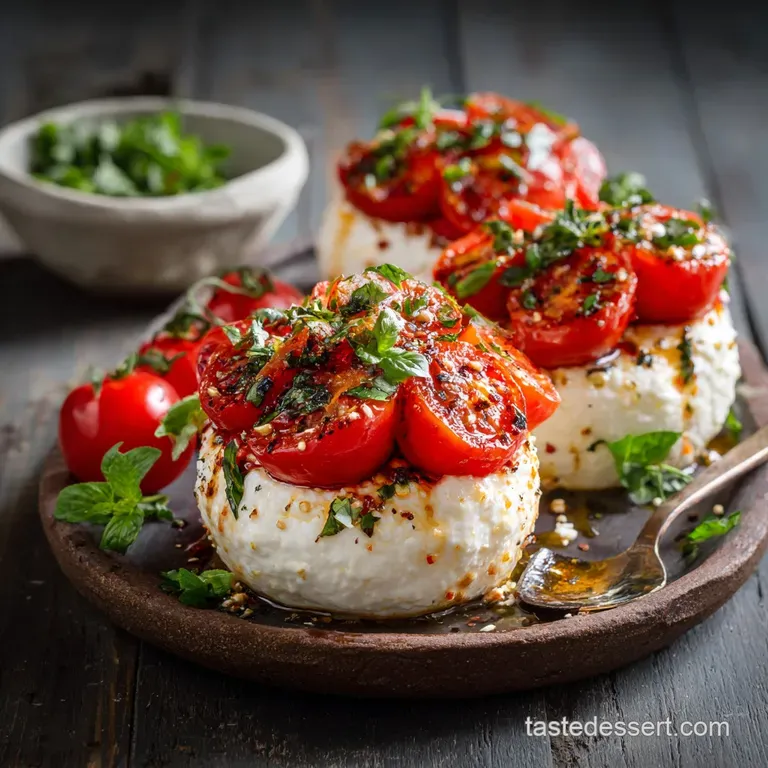
- The Mediterranean Power Bowl: Introducing High Protein Caprese Cottage Cheese Bowls
- Essential Ingredients for the Perfect Caprese Cottage Cheese Bowl
- Method Mastery: How to Assemble Your High Protein Caprese Cottage Cheese Bowls
- Unpacking the Magic: Why This Caprese Bowl Is a Nutritional Game-Changer
- Pro Tips and Flavor Enhancements for Your Caprese Bowl
- Preparing Ahead: Storage and Meal Prep Guidelines
- Creative Ways to Serve Your High Protein Caprese Cottage Cheese Bowls
- Recipe FAQs
- 📝 Recipe Card
The Mediterranean Power Bowl: Introducing High Protein Caprese Cottage Cheese Bowls
The moment those little cherry tomatoes hit the hot olive oil, sizzling and popping, your kitchen is going to smell like pure Italian summer. It’s that magical blend of caramelized sugar from the tomato, savory garlic, and the bright, intoxicating aroma of fresh basil.
This isn't just a recipe; it’s an experience delivered in under 20 minutes.
If your lunch routine has devolved into stale sandwiches or sadness desk eating, I hear you. This High Protein Caprese Cottage Cheese Bowl is the ultimate lifesaver for busy weeknights or speedy, low-carb lunch ideas.
It’s ridiculously high in protein, budget friendly, and frankly, far more interesting than just eating cottage cheese out of the tub.
We're going to take the simple elegance of a Caprese salad and turn it into a powerhouse meal by maximizing the flavor intensity of every single element. Are you ready to dive into the cottage cheese comeback? Trust me, this is one bowl you’ll be making constantly.
The Cottage Cheese Comeback: Protein and Texture
Cottage cheese is back, baby, and it’s not just for diet plates anymore. Using cottage cheese as the base gives you a creamy, satisfying foundation that packs a massive protein punch; we are talking 25 30 grams per serving easily.
Don't use low-fat or fat-free here , unless you absolutely must. The full fat (4%) or even a quality small curd cottage cheese holds up beautifully against the warm tomatoes and provides a luxurious, incredibly creamy mouthfeel.
Speed Meets Sophistication: Why This Recipe is Your New Favorite Lunch
The true genius of this recipe lies in the contrast of temperatures and textures. You have the cool, firm, creamy cottage cheese straight from the fridge. Then you have the warm, slightly sticky, intensely sweet burst tomatoes and their garlicky pan juices.
This hot-meets cold strategy ensures every bite is dynamic, interesting, and stops the whole bowl from tasting flat and one-note.
Chef’s Note: The key is to embrace the full fat ingredients. A little fat helps you feel satiated longer, making this High Protein Caprese Cottage Cheese Bowl a truly satisfying healthy lunch recipe.
Defining 'Burst Tomatoes': The Secret to Intense Caprese Flavor
"Bursting" the tomatoes is non-negotiable for max flavor impact. This simple sautéing technique gently softens the tomato skins and makes them split open, releasing their inner juices and sugars into the olive oil and garlic.
It transforms them from firm, acidic, raw spheres into concentrated, sweet, glossy flavor bombs that cling perfectly to the basil and cheese.
Essential Ingredients for the Perfect Caprese Cottage Cheese Bowl
This ingredient list is short, sweet, and focused on quality. If you swap something out, the substitution needs to hold up its end of the flavor bargain.
| Ingredient | Role | Substitution Tip |
|---|---|---|
| Cottage Cheese | Creamy, high protein base | Greek yogurt (thicker variety) or high protein ricotta. |
| Cherry/Grape Tomatoes | Sweetness, acidity, texture | Halved Roma tomatoes (cook slightly longer) or sun-dried tomatoes (use less). |
| Fresh Mozzarella Pearls | Creaminess, Italian authenticity | Cubed fresh Feta cheese for a saltier bite. |
| Balsamic Glaze | Necessary tang and sweetness | Aged, thick balsamic vinegar, or a splash of reduced fig jam. |
Choosing Your Cottage Cheese Base: Curd Size Matters
I prefer a smaller curd cottage cheese for this application because it creates a denser, more uniform creaminess. Large curd varieties can feel a bit chunky, which is fine, but sometimes they break down messily when the warm tomatoes are spooned over them.
Try to find a high-quality brand that focuses on texture it really makes a difference.
The Best Tomatoes for Bursting: Cherry vs. Grape
Cherry tomatoes tend to be sweeter and burst more dramatically, while grape tomatoes are slightly firmer and hold their shape better. I usually grab whatever looks best at the market that day, but always cut them in half .
Leaving them whole means it takes longer for the juices to release, and we are aiming for a quick healthy lunch here.
Fresh Mozzarella Pearls vs. Shredded: Which to Use?
Always choose fresh mozzarella pearls (bocconcini). Shredded mozzarella is engineered to melt and contains anti caking agents that ruin the desired texture. The little fresh pearls, drained thoroughly, provide perfect little pockets of soft, mild cheese that complement the sharpness of the cottage cheese.
Plus, they look so pretty, don't they?
Essential Pantry Drizzles (Olive Oil & Balsamic Glaze)
You need two kinds of olive oil here. Use a standard, reliable Extra Virgin Olive Oil for cooking the tomatoes it’s getting heated up, so save your money. Then, use your absolute best quality, robust finishing oil for the drizzle at the end.
That fragrant, green oil adds a huge boost of grassy, peppery flavor. The balsamic glaze adds crucial acidity and sticky sweetness; don't skip it, or the bowl will feel incomplete.
Method Mastery: How to Assemble Your High Protein Caprese Cottage Cheese Bowls
Step 1: The Burst Tomato Technique (Sautéing for Maximum Flavor)
Get that pan hot over medium high heat with your cooking olive oil until it shimmers slightly. Add the minced garlic and sauté for maybe 30 seconds until you can smell that glorious, nutty aroma. Do not let the garlic brown or burn; that’s bitter tragedy.
Immediately throw in your halved tomatoes, salt, and pepper. Let them cook, stirring only occasionally, for 5 to 7 minutes until their skins wrinkle and they start to pop open.
Step 2: Preparing the Creamy Cottage Cheese Foundation
While your tomatoes are doing their thing, grab a small bowl and combine the cottage cheese, drained mozzarella pearls, and a tiny pinch of salt and pepper. We want the base seasoned slightly, not just relying on the topping. Divide this cold, creamy mixture evenly into your two serving bowls.
Step 3: Layering and Garnishing for Optimal Presentation
Remove the hot, burst tomatoes and their pan sauce from the heat immediately. Spoon the warm mixture generously over the cool cottage cheese foundation. The sizzling contrast is what we are after here! Now, the fun part: drizzle lavishly with the thick balsamic glaze and that beautiful finishing olive oil.
Finish with a shower of torn fresh basil.
Unpacking the Magic: Why This Caprese Bowl Is a Nutritional Game Changer
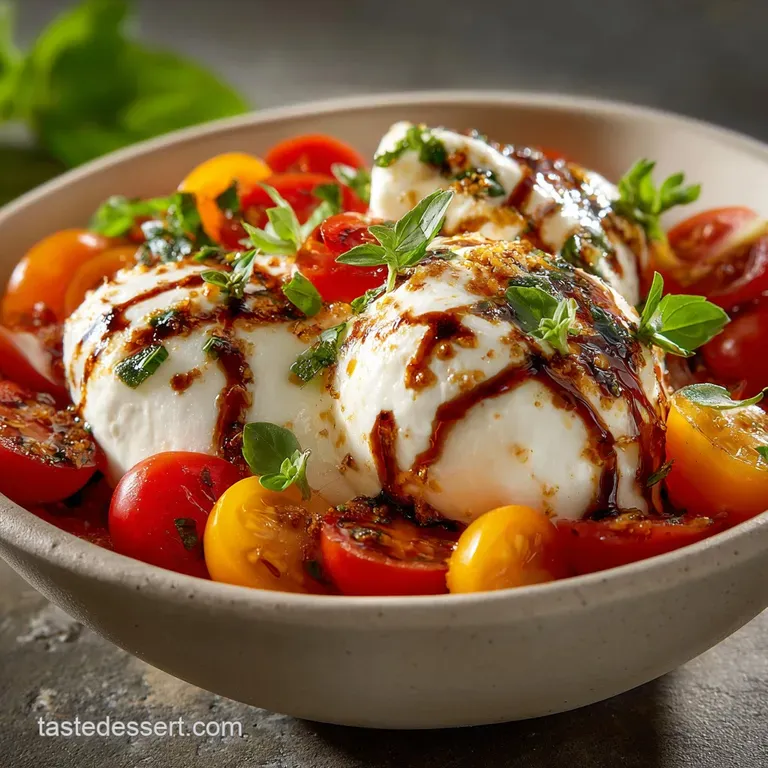
When you look at this dish, it seems so simple, but it’s a nutritional powerhouse, making it one of the best High Protein Cottage Cheese Recipes out there. The combination of protein and fat from the dairy keeps you incredibly full, making it a stellar low carb lunch idea.
Unlike many quick meals that are carb heavy, this bowl minimizes refined ingredients and maximizes nutrient density, keeping your energy stable all afternoon.
Pro Tips and Flavor Enhancements for Your Caprese Bowl
Balancing Textures: Warm Burst Tomatoes vs. Cool, Creamy Cheese
This might sound like a minor detail, but serve the cottage cheese straight from the fridge. If you let the cottage cheese sit on the counter while you cook the tomatoes, it becomes tepid, and you lose that spectacular hot/cold textural joy.
The cold temperature also helps the cottage cheese maintain its structure when the warm sauce is poured over it.
The Science of Umami: How Garlic and Cooked Tomatoes Intensify Flavor
The quick cooking of the tomatoes and garlic does two things scientifically. First, the heat releases the L-glutamate (umami) compounds in the tomatoes, concentrating that savory flavor. Second, the light sautéing of the garlic removes its harshness, leaving behind a mellow, sweet flavor.
This is why the cooked tomatoes taste intensely better than raw ones in this specific application.
Decoding the Macro Breakdown (Focusing on Protein Density)
If you are tracking macros, focus on choosing a cottage cheese brand that boasts higher protein per serving. Look for brands that list 15+ grams per half cup. Because the Caprese ingredients (tomatoes, mozzarella, oil) are relatively low in carbs, this dish is naturally a fantastic choice for those following Protein Foods or looking for simple, quick healthy lunch options.
How to Prevent Your Basil from Wilting
Never, ever chop basil finely or cook it in the pan! Basil oxidizes and wilts instantly when bruised or subjected to heat. Instead, tear the leaves gently just before serving and scatter them on top.
The residual heat from the tomatoes is just enough to release the oils, giving you that perfect burst of herbal freshness without the sad, dark wilted appearance.
Troubleshooting Too Runny Cottage Cheese
If your cottage cheese looks watery in the bowl, that usually means the container had excess liquid (whey). A quick fix: spoon the cottage cheese into a fine mesh sieve set over a bowl for 5– 10 minutes before assembling.
Draining off that extra liquid ensures your base stays thick and creamy, not sloppy.
The Difference Between Balsamic Vinegar and Balsamic Glaze
Balsamic vinegar is thin, acidic, and runny. Balsamic glaze (or reduction) is thickened, either by cooking it down slowly until syrupy or by adding stabilizers. You want the glaze because it coats the tomatoes and cheese beautifully and gives a richer, sweeter flavor that contrasts the savory base better than thin vinegar. It’s absolutely essential for that pop of flavor, much like the zing you get from my Cranberry Jalapeno Cream Cheese Dip: Easy 15 Minute Holiday Appetizer .
Preparing Ahead: Storage and Meal Prep Guidelines
Listen, this dish is best served immediately, mainly due to the temperature contrast. However, you can absolutely prep the components separately.
- Fridge Shelf Life: The prepared, seasoned cottage cheese base can be stored tightly covered in the fridge for up to 3 days. The cooked, burst tomatoes can be stored separately for 2 days.
- The Assembly Rule: Keep them apart until serving! Spoon the reheated tomatoes over the cold cheese just before eating.
- Reheating: Only reheat the tomatoes in the pan or microwave until warm. Do not try to reheat the cottage cheese, as it separates and becomes rubbery.
- Freezing Warning: Do not attempt to freeze cottage cheese. The texture will become mealy and grainy upon thawing; it is a serious tragedy, trust me.
Creative Ways to Serve Your High Protein Caprese Cottage Cheese Bowls
This bowl is amazing on its own, but it also welcomes a few additions. It's truly one of the most versatile gluten-free recipes for lunch or a light dinner.
- Bread Component: If you aren’t concerned about keeping it strictly low-carb, serve this alongside a big hunk of crusty artisan bread. It's perfect for dipping into the glossy tomato juices.
- Extra Crunch: A few toasted pine nuts or sliced almonds sprinkled on top add a lovely textural element and healthy fats.
- Arugula Bed: Serve the whole mixture over a small bed of fresh arugula (rocket) or baby spinach. The peppery greens add another layer of flavor and volume.
- Serving as an Appetizer: Spread the cottage cheese mixture on small toasted crostini and top with the burst tomatoes for a fun, deconstructed bruschetta. This is a great alternative if you’re looking for lighter, fresh starters instead of heavier holiday fare like Caramel Apple Cheesecake Bars: Decadent Shortbread Squares .
Recipe FAQs
Can I use a different type of cheese if I don't like cottage cheese?
While cottage cheese is utilized here specifically for its exceptional protein content, you can certainly substitute it with ricotta cheese or strained Greek yogurt for a similar creamy base. If you use ricotta, opt for whole milk varieties for better texture and richness.
Be aware that these substitutions may slightly alter the total protein count of the finished bowl.
How do I ensure my burst tomatoes don't become too watery or mushy?
The key to perfect "burst" tomatoes is using medium high heat and ensuring you do not overcrowd the pan; this allows the tomatoes to blister and caramelize rather than steam. A few minutes of gentle sautéing should soften them perfectly, releasing some internal juices which should then quickly reduce to a concentrated sauce.
If they appear too watery, increase the heat briefly to evaporate the excess liquid before removing them from the stove.
Can I prepare the components of this dish ahead of time?
Yes, the burst Caprese tomato mixture is excellent for meal prepping and can be stored separately in an airtight container for up to 3 days in the refrigerator. However, the dish is best assembled just before serving to maintain the textural contrast between the cool, fresh cottage cheese and the warm tomatoes.
Do not mix the full dish ahead of time, as the warm oil and tomatoes will change the texture of the cheese.
I need a completely dairy-free or vegan version. How should I adjust the recipe?
To make this dish vegan, you can substitute the cottage cheese with a cultured cashew or almond ricotta alternative, which mimics the creamy texture nicely. Alternatively, crumbled firm tofu seasoned with lemon juice, salt, and nutritional yeast works well to provide a savory, protein rich base.
Just ensure your balsamic glaze and any optional pesto are certified vegan.
What is the best way to turn this bowl into a heartier dinner meal?
To increase the satiety of this dish, consider serving the Caprese mixture over a base of whole grains like cooked quinoa, farro, or brown rice. You can also incorporate additional protein by stirring in grilled chicken strips, canned white beans, or chickpeas directly into the warm tomato mixture before serving.
A slice of toasted sourdough bread is also a fantastic addition.
Does the quality of the olive oil and balsamic glaze truly matter for this simple recipe?
Absolutely, because the ingredient list is so minimal, the quality of the oil and glaze significantly impacts the final flavor. Use a high-quality extra virgin olive oil (EVOO) for its robust, fruity flavor and health benefits.
For the balsamic, a true aged balsamic glaze provides the necessary syrupy texture and sweet tart complexity that balances the acidity of the tomatoes.
Are there any alternative herbs I can use instead of basil?
While fresh basil provides the quintessential Caprese flavor, you can certainly experiment with other Mediterranean herbs. Fresh oregano adds a savory, earthy dimension, or you could try incorporating some fresh thyme and a touch of rosemary for a deeper, more rustic taste profile.
Just ensure the herbs are added right at the end to maximize their fresh aroma.
Caprese High Protein Cottage Cheese Bowls
Ingredients:
Instructions:
Nutrition Facts:
| Calories | 540 kcal |
|---|---|
| Protein | 40.9 g |
| Fat | 36.5 g |
| Carbs | 13.2 g |
