Cheesesteak Recipe: Tender & Flavorful
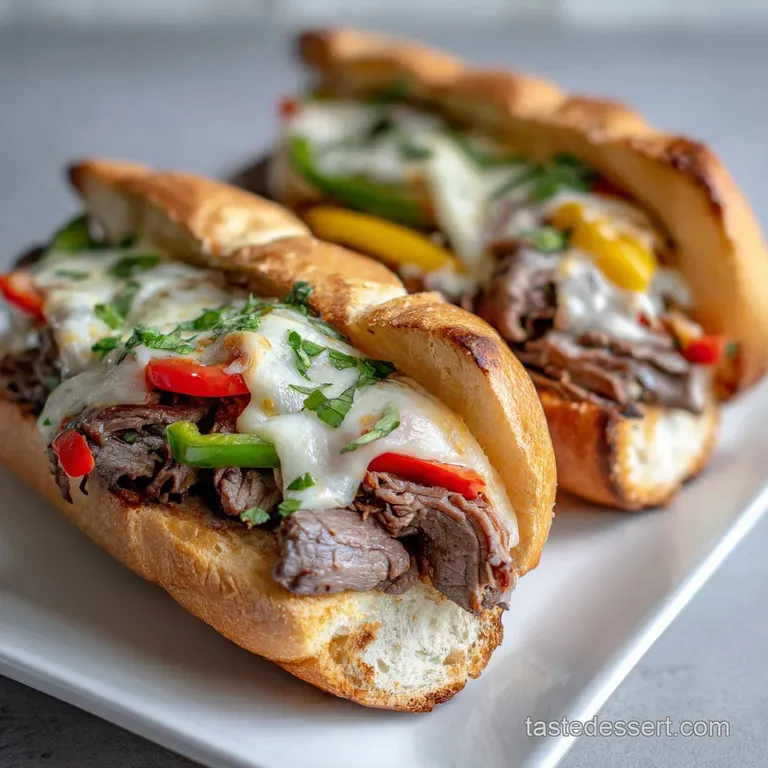
- Time: Active 20 minutes, Passive 15 minutes, Total 35 minutes
- Flavor/Texture Hook: Velvety, melted provolone over crispy, salt seared ribeye
- Perfect for: High energy weekend lunches or a quick weeknight "wow" meal
- The Science of Seared Beef
- Precise Timings and Servings
- Core Ingredients for Umami Flavor
- Necessary Tools for Sizzling Success
- Step-By-Step Griddle Technique
- Common Fixes for Better Results
- Adjusting the Recipe Volume
- Creative Topping and Meat Alternatives
- Meat Preparation Shortcuts
- Myths About the Griddle
- Storage and Reheating Guidelines
- Flavorful Side Dish Pairings
- Very High in Sodium
- Recipe FAQs
- 📝 Recipe Card
The Science of Seared Beef
The Maillard reaction is our best friend here; it creates that deep, savory crust on the beef by rearranging amino acids and sugars under high heat. To prevent the meat from drying out during this process, we use the cheese blanket method to trap escaping steam, which keeps the fibers hydrated while the cheese emulsifies with the beef juices.
- High Smoke Searing: Using oils like avocado oil allows for temperatures above 400°F (204°C), which triggers rapid browning before the interior proteins can overcook and turn leathery.
- Cryo Slicing: Par freezing the meat makes the water molecules within the cells rigid, allowing the knife to shear through the fibers cleanly without "smushing" the grain.
- Starch Softening: Placing the bread directly over the steaming meat uses the residual moisture to soften the crust, ensuring the roll yields to the bite rather than tearing the roof of your mouth.
- Myoglobin Retention: Keeping the salt away from the meat until the very last second of searing prevents the salt from drawing out moisture prematurely, keeping the beef juicy.
| Thickness | Internal Temp | Rest Time | Visual Cue |
|---|---|---|---|
| Paper Thin (1/8") | 145°F (63°C) | 0 mins | Translucent pink disappears |
| Standard (1/4") | 150°F (65°C) | 2 mins | Edges begin to curl slightly |
| Ground Beef | 160°F (71°C) | 1 min | No visible pink, fat runs clear |
Getting the meat thickness right is the difference between a sandwich that melts in your mouth and one that requires a jaw workout. If you are using a sharp knife at home, aim for that paper thin shave where you can almost see the blade through the meat.
Precise Timings and Servings
Understanding the trade offs between different preparation methods can help you decide how much time you want to invest in your kitchen today. While the authentic way involves more knife work, there are shortcuts that still produce a delightful result for a busy weeknight.
| Method | Preparation Time | Texture Result | Skill Level |
|---|---|---|---|
| Fresh Shaved Ribeye | 20 minutes | Silky and tender | Intermediate |
| Pre Packaged "Steak Strips" | 5 minutes | Chewy and dense | Beginner |
| Ground Beef Shortcut | 2 minutes | Crumbly and soft | Easy |
For a standard meal, I usually estimate about 170g (6 oz) of meat per person. This fills a 6 inch hoagie roll perfectly without making it impossible to eat. If you are serving a larger crowd, it is much easier to cook the onions and mushrooms in one big batch first, then sear the meat in smaller, individual portions.
Core Ingredients for Umami Flavor
Selecting the right components is the foundation of this authentic cheesesteak recipe. We are looking for high fat content in the beef and a cheese that has a low melting point but enough personality to stand up to the onions.
| Ingredient | Science Role | Pro Secret |
|---|---|---|
| Ribeye Steak | High intramuscular fat | Freeze for 45 mins before slicing for paper thin results. |
| Provolone Cheese | Elasticity and creaminess | Use "mild" provolone; sharp provolone doesn't melt as smoothly. |
| White Onion | Sugars for caramelization | Dice them small so they integrate into the meat fibers. |
- 1.5 lbs Ribeye Steak: Shaved paper thin. Why this? Ribeye has the perfect fat to lean ratio for over high heat griddling. (Substitute: Top Round, though it is leaner and drier).
- 2 tbsp Grapeseed or Avocado oil: High smoke point. Why this? Prevents the oil from burning and tasting bitter at high temps. (Substitute: Vegetable oil).
- 1 large white onion: Finely diced. Why this? White onions have a sharper bite that cuts through the fatty beef. (Substitute: Yellow onion).
- 8 oz cremini mushrooms: Thinly sliced. Why this? Adds a deep earthy umami that complements the beef. (Substitute: White button mushrooms).
- 1 green bell pepper: Thinly sliced. Why this? Provides a crisp, bitter contrast to the rich cheese. (Substitute: Italian long hots for spice).
- 0.5 tsp Kosher salt & coarse black pepper: Essential seasoning.
- 8 slices Provolone cheese: The glue of the sandwich. (Substitute: White American cheese for a creamier, saltier finish).
- 4 hoagie rolls: Sturdy but soft. (Substitute: Sub rolls or French bread).
- 2 tbsp unsalted butter: Softened for toasting.
Chef Tip: Avoid pre shredded cheese at all costs. It’s coated in potato starch to prevent clumping in the bag, which also prevents it from melting into that velvety, glossy blanket we need for a proper cheesesteak.
Necessary Tools for Sizzling Success
You don't need a professional kitchen, but a few specific tools make the process much smoother. A heavy bottomed pan is non negotiable because it retains the heat needed to sear the beef quickly without steaming it in its own juices.
- Cast Iron Griddle or Skillet: A large surface area (like a Blackstone or a Lodge skillet) is vital. It holds heat better than stainless steel.
- Two Sturdy Spatulas: These are for the "chopping" motion. Metal spatulas with a sharp edge allow you to break up the meat as it cooks.
- A Sharp Chef's Knife: For that paper thin ribeye. If your knife is dull, the meat will tear rather than slice.
- A Large Lid (Optional): If you aren't using the bread steam method, a lid can help melt the cheese faster.
step-by-step Griddle Technique
Partial freezing for precision
Put your 1.5 lbs of ribeye in the freezer for about 45 minutes. Note: This firms up the fat and muscle fibers, making it much easier to shave into thin ribbons.
Beef and vegetable prep
Shave the cold steak against the grain into the thinnest possible slices. Finely dice your white onion and thinly slice the 8 oz of mushrooms and green bell pepper.
Assembling the sandwich elements
Slice your 4 hoagie rolls lengthwise but don't cut all the way through. Spread the 2 tbsp of softened butter on the insides.
Heat and meat preparation
Preheat your griddle or skillet over medium high heat until a drop of water dances and evaporates instantly. Add 1 tbsp of the oil.
Sautéing the aromatics
Toss the onions, mushrooms, and peppers onto the hot surface. Sauté until the onions are translucent and the mushrooms have browned, which usually takes about 6 to 8 minutes. Move them to the cool side of the grill.
Searing the shaved beef
Add the remaining 1 tbsp of oil to the hottest part of the pan and lay the beef down in a thin layer. Let it sit undisturbed for 2 minutes until a dark brown crust forms on the bottom.
Integrating the flavors
Use your spatulas to "chop" the meat into smaller bits, then mix in the sautéed vegetables. Season with the 0.5 tsp of salt and pepper.
Melting and steaming phase
Divide the meat mixture into four long mounds roughly the size of your rolls. Top each mound with 2 slices of provolone cheese.
The flip and serving
Place the buttered side of the roll directly on top of the cheese covered meat. Wait 1 minute until the cheese is bubbling and the bread feels soft. Slide a spatula under the meat and "flip" the whole thing into the roll.
If you are looking for another way to use these savory skills, my Italian Bread Crumbs recipe is a fantastic way to utilize any leftover rolls that might have gone a bit stale.
Common Fixes for Better Results
Avoiding tough chewy meat
If your meat feels like rubber, you likely cut it with the grain or it wasn't thin enough. When the fibers are long, they contract and toughen. Always slice across the grain, and if you can't get it thin enough with a knife, ask your butcher to run it through their electric slicer.
Preventing a dry sandwich
A dry cheesesteak is usually the result of overcooking the meat or not using enough cheese. The ribeye needs to be pulled off the heat the second the pink is gone. If it's already too late, a little trick is to whisk a spoonful of beef broth with the cheese as it melts to create a makeshift sauce. This reminds me of the moisture control I talk about in my Proper Homemade Gravy recipe.
| Problem | Root Cause | Solution |
|---|---|---|
| Meat is gray, not brown | Pan wasn't hot enough | Increase heat until oil wisps smoke before adding meat. |
| Bread is soggy | Vegetables were too wet | Sauté vegetables longer to evaporate their internal water. |
| Cheese didn't melt | Slices were too thick | Use thinner slices or use the "bread steam" method. |
Common Mistakes Checklist
- ✓ Never crowd the pan; if the meat is piled high, it will boil instead of sear.
- ✓ Don't skip the butter on the roll; it creates a fat barrier that prevents sogginess.
- ✓ Avoid seasoning the meat too early; salt it right before the cheese goes on.
- ✓ Always use a high smoke point oil; butter will burn before the meat is seared.
- ✓ Don't over chop; you want ribbons of meat, not a meat paste.
Adjusting the Recipe Volume
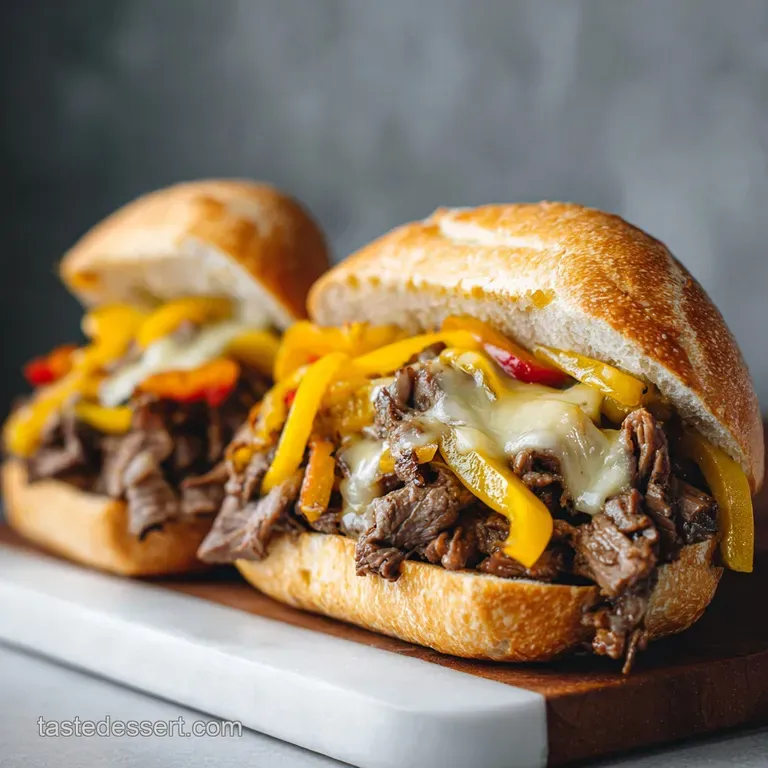
When you are scaling this dish, the most important factor is pan space. If you double the recipe, you cannot double the meat in one pan unless you have a giant outdoor griddle.
Scaling Down (1-2 people) This is easy. Use half the ingredients and a smaller skillet. Since you’ll have more room in the pan, the meat will cook even faster, so keep a close eye on it.
Scaling Up (8+ people) Work in batches. Cook all the vegetables first and keep them warm in a low oven. Then, sear the meat in two or three rounds. If you try to do 3 lbs of meat at once in a standard skillet, the temperature will drop, the meat will release its juices, and you'll end up with "gray" boiled beef instead of a crusty sear.
Baking Batch Method For a party, you can sear the meat and veggies, then pile them into rolls in a baking dish. Top with cheese and bake at 350°F (175°C) for 10 minutes.
It changes the texture slightly (more like a toasted sub), but it's a huge time saver.
Creative Topping and Meat Alternatives
While the traditionalists might argue, I love transforming this recipe to fit what I have in the fridge. The "If you want X, do Y" rule is great for experimenting.
- If you want a spicy kick, add chopped cherry peppers or "long hots" during the sauté phase.
- If you want a richer finish, swap the provolone for a homemade cheddar sauce.
- If you want a lighter version, use shaved chicken breast and increase the oil by 1 tbsp to compensate for the lack of fat.
Regional sandwich variations
In Philly, you'll find the "Cheez Whiz" version everywhere. It provides a specific salty, processed tang that some people swear by. Then there's the "Pizza Steak," which adds marinara and mozzarella.
Personally, I think the provolone/mushroom combo is the peak of homemade cheesesteak recipe perfection, but don't be afraid to try the "Whiz" if you want that true street food experience.
| Premium Option | Budget Alternative | Flavor Impact |
|---|---|---|
| Center cut Ribeye | Ground Beef (80/20) | Ground beef is softer but lacks the "shaved" texture. |
| Aged Provolone | White American Cheese | American is much saltier and melts faster. |
| Fresh Bakery Rolls | store-bought Hot Dog Buns | Buns are much softer and might fall apart under the weight. |
Meat Preparation Shortcuts
If you are in a rush and can't wait for the meat to freeze, look for "shaved beef" or "carpaccio" in the meat department. Many grocery stores now carry pre shaved ribeye specifically for this purpose.
Myths About the Griddle
Myth 1: You need a professional flattop to get the right sear. Truth: A heavy cast iron skillet can actually get hotter and hold heat better than many residential electric griddles. The key is preheating.
Myth 2: Searing meat "locks in" the juices. Truth: Searing is strictly for flavor (Maillard reaction). Moisture is actually lost during the sear. The juiciness comes from the high fat content of the ribeye and the cheese blanket that prevents further evaporation.
Myth 3: Authentic Philly steaks never have green peppers. Truth: This is a regional debate. While some shops don't include them by default, many locals love "the works," which includes peppers and mushrooms. Your kitchen, your rules!
Storage and Reheating Guidelines
Storage: You can keep the cooked meat and vegetable mixture in the fridge for up to 3 days. I don't recommend storing the fully assembled sandwich, as the bread will turn into a sponge overnight. Keep the components separate until you are ready to eat.
Freezing: The cooked meat freezes surprisingly well. Place it in a freezer safe bag for up to 2 months. To reheat, thaw in the fridge and flash fry it in a pan with a teaspoon of water to restore the moisture.
Zero Waste Tip: Don't throw away those mushroom stems or onion peels! Keep a "stock bag" in your freezer. Once it's full, boil them down with some water and beef bones for a delightful homemade broth that you can use the next time you make a sandwich.
Flavorful Side Dish Pairings
A cheesesteak is a heavy hitter, so I usually pair it with something that has a bit of acidity. A simple vinegar based coleslaw or some pickled peppers on the side helps cleanse the palate between those rich, cheesy bites.
If you are doing a full "pub style" dinner, thick cut fries seasoned with smoked paprika are the classic choice. But honestly, sometimes just a cold soda and a handful of potato chips are all you need to let the sandwich be the star. The goal is to keep it simple so you can focus on that beautiful, sizzling beef.
Very High in Sodium
1245 mg mg of sodium per serving (54% of daily value)
The American Heart Association recommends limiting sodium intake to about 2,300mg per day for optimal health.
Sodium Reduction Tips for Your Philly Cheesesteak
-
Reduce Cheese Sodium-15%
Provolone is a significant source of sodium. Use low-sodium provolone, or substitute with a lower sodium cheese like fresh mozzarella, which has significantly less sodium.
-
Control the Salt-25%
The recipe calls for 0.5 tsp of Kosher salt. Reduce this amount by half, or even eliminate it entirely, and taste before adding more. You can also try using a salt substitute.
-
Choose Low Sodium Rolls-10%
Many hoagie rolls contain added sodium. Seek out low-sodium or sodium free versions, or explore making your own from scratch to control the ingredients.
-
Consider Uncured Steak-5%
While fresh steak isn't typically high in sodium, ensure it isn't pre-seasoned or cured with added salt. Always check the label or ask your butcher.
-
Spice it Up Naturally!
Enhance the flavor with fresh or dried herbs and spices like garlic powder, onion powder, oregano, or red pepper flakes. These add flavor without adding sodium. Experiment with different combinations.
Recipe FAQs
What is the secret to a good Philly cheesesteak?
Cryo slicing and high smoke point searing are key. Freezing the ribeye briefly makes it easy to slice paper thin, and searing quickly over high heat with oils like avocado oil ensures a good crust without overcooking. This technique helps keep the meat tender and flavorful, similar to the precision needed for achieving perfect texture in dishes like our How to Make Grandbaby Cakes Pizza: Moist Turkey.
What is the secret ingredient in Philly cheesesteak?
There isn't one single "secret" ingredient, but rather a combination of factors. The high fat content of ribeye, finely diced white onions for sweetness, and a good melting cheese like provolone or Cheez Whiz all contribute significantly to the umami flavor.
What ingredients are in a Philly cheesesteak?
Typically, it's thinly sliced ribeye steak, white onions, and provolone cheese on a hoagie roll. Mushrooms and green bell peppers are common additions, especially in homemade versions. A high smoke point oil like grapeseed or avocado oil is used for searing.
Should I marinate the meat for Philly cheesesteaks?
No, marinating is generally not traditional or recommended. Marinating can add moisture and alter the texture, which isn't desired for the quick, high heat sear that creates the signature crust. The focus is on the natural flavor of good quality ribeye.
How do I get my cheesesteak meat tender?
Slice the meat paper thin against the grain and cook it quickly over high heat. Partially freezing the ribeye for about 45 minutes makes it easier to achieve those thin slices, which cook rapidly and stay tender.
If your meat turns out tough, it's usually from cutting with the grain or cooking for too long.
What's the best cheese for a Philly cheesesteak?
Provolone cheese is the classic choice for its balance of flavor and meltability. White American cheese is a popular alternative if you prefer a creamier, saltier, and faster melting option. Cheez Whiz offers a distinct salty tang that's a signature of many street style cheesesteaks.
Can I use pre-sliced steak for cheesesteaks?
Yes, you can use pre-sliced steak, but slice it even thinner if possible. Look for "shaved beef" or "carpaccio" at your grocery store, which is often already suitable for cheesesteaks. For the best texture, try to get it as thin as you can before cooking.
Cheesesteak Recipe
Ingredients:
Instructions:
Nutrition Facts:
| Calories | 1088 kcal |
|---|---|
| Protein | 56.3 g |
| Fat | 67.8 g |
| Carbs | 58.4 g |
| Fiber | 3.8 g |
| Sugar | 6.2 g |
| Sodium | 1245 mg |
