Cheesy Turkey Meatball Skillet: Our Favorite One-Pan Weeknight Dinner
- Mastering the One-Pan Cheesy Turkey Meatball Skillet
- Achieving Perfection: The Science Behind Tender Turkey Meatballs
- Essential Ingredients for Your Skillet Success
- Step-by-Step Guide to Cooking Your Skillet Meatballs
- (Insert standard recipe card here, containing the information from Section 6 and detailed instructions from Section 8.)
- Troubleshooting Your Turkey Meatball Skillet: Chef’s Essential Tips
- Making Ahead and Storing the Cheesy Turkey Meatball Skillet
- What to Serve Alongside Your Hearty Skillet
- Recipe FAQs
- 📝 Recipe Card
Mastering the One-Pan Cheesy Turkey Meatball Skillet
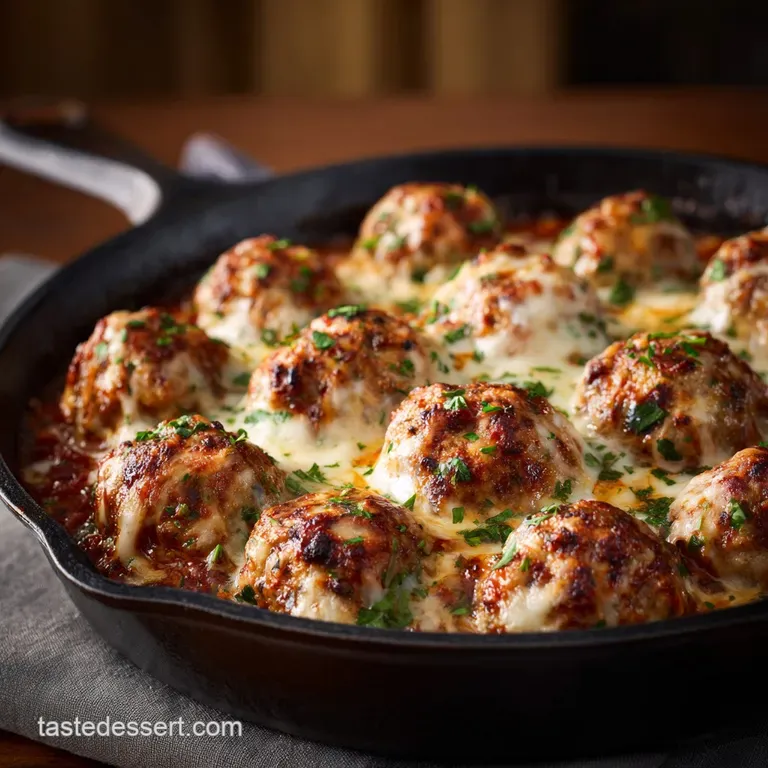
The moment the crushed tomatoes hit the hot pan and start to bubble, filling your kitchen with that deep, savory Italian aroma, you know dinner is saved. Then, you pull that skillet from the oven, see that impossibly gooey, golden brown blanket of mozzarella, and realize you’ve created pure magic.
It’s hearty, it’s comforting, and the texture of these lean turkey meatballs is absolutely divine.
This isn't some complicated weekend project; this Cheesy Turkey Meatball Skillet is a midweek marvel, ready in about 40 minutes flat. It delivers maximum flavor while demanding minimum effort, which is essential when life gets crazy. Plus, the one-pan rule means cleanup is almost nonexistent, and that is a total win in my book.
I have spent years perfecting ground turkey recipes it’s tricky stuff! I’ve made all the dry, sad mistakes so you don't have to. We are going to nail those tender meatballs and that perfect, rich sauce today. Get your cast iron skillet ready; let's crack on.
Achieving Perfection: The Science Behind Tender Turkey Meatballs
The Appeal of Turkey Meatballs: Lean and Flavorful
I love cooking with ground turkey because it's so lean, but that leanness is also its weakness if you aren't careful. It absolutely requires the right binders and aromatics to keep it moist and flavorful. We aren't just seasoning; we are injecting flavor deeply into the core of the meatball.
The combination of finely grated onion and fresh Parmesan is what transforms the turkey from bland to brilliant.
Why the Skillet Method Saves Your Evening
Using a single, oven safe skillet is a game changer for dishes like this. Everything builds upon itself: you sear the meatballs first, using the pan as the flavor foundation, then you build the sauce right in the same skillet.
This process ensures every bit of browned turkey goodness (that lovely fond ) gets scraped up and incorporated into your final tomato sauce.
Flavor Profile Snapshot: Rich Tomato and Melted Mozzarella
The key here is balance. We want a sauce that is simple, letting the freshness of the crushed tomatoes and basil shine through. The slightly spicy red pepper flakes cut the richness of the turkey, creating a complex, well rounded flavor.
The final layer of gooey, melted mozzarella and sharp Parmesan provides that essential saltiness and stretchy, comforting texture we crave.
Maximizing Flavor: Searing the Meatballs vs. Baking
You must sear those meatballs first; trust me on this one. Searing achieves the Maillard reaction, developing deep, nutty, savory crusts that baking alone can never provide.
Once they have that beautiful brown exterior, they hold their shape better when they simmer, and they taste 100 times better too. If you just dump them straight into the sauce, they tend to turn gray and mushy.
The Role of Mozzarella and Parmesan in Texture
We use a two-pronged cheese attack here. Parmesan goes inside the meatball mixture, acting as a salty seasoning and a slight binder that melts down nicely. The mozzarella, however, is reserved for the glorious topping. For the best melt, always use low-moisture, part skim mozzarella.
It melts cleanly without releasing excessive water, giving you that iconic cheesy pull right from the pan.
Building the Foundation: A Simple, Rich Tomato Sauce
My best advice for tomato sauce is to keep it simple and high-quality. Start with good olive oil, bloom your aromatics (onions and garlic), and then use really nice crushed tomatoes. Don't drown the meatballs in water or thin liquids; they need a rich, viscous sauce to snuggle into.
This method allows the meatballs to finish cooking slowly, absorbing all that tomato flavor without drying out.
Essential Ingredients for Your Skillet Success
Turkey Meatball Components: Binder and Seasoning Deep Dive
We use Panko breadcrumbs because they absorb moisture well without making the mixture pasty. The grated onion is my secret weapon; grating it releases a ton of moisture and flavor without adding chunky bits that fall apart.
Always mix gently, mixing ground turkey too hard means a dense and chewy result we are going for tender here.
The Best Type of Tomato Product for Skillet Dishes
Canned crushed tomatoes are superior for this recipe because they already have a thick consistency and break down easily, creating a hearty sauce quickly. Passata is too smooth for this rustic dish. Diced tomatoes take too long to break down completely; we need that immediate rich body, pronto.
Cheese Choices: Mozzarella, Parmesan, and Beyond
Freshly grated Parmesan is non-negotiable for flavor in the meatballs. For the topping, use shredded mozzarella or even thinly sliced fresh mozzarella just remember to pat the fresh kind dry first! You could also easily swap out the mozzarella for shredded provolone if you like a slightly sharper flavor.
Ingredient Swaps for Dietary Needs
Making quick weeknight meals versatile is crucial, right? If you need a substitute, don't worry, there are plenty of options that work great in this recipe.
| Ingredient | Viable Substitute | Notes |
|---|---|---|
| Ground Turkey | Ground Chicken | Same cook time, similar lean profile. |
| Panko Breadcrumbs | Almond Flour or GF Oats | Use slightly less, ensuring the mixture holds together. |
| Parmesan | Nutritional Yeast (in sauce) | Use about 1 Tbsp to boost the umami/cheesy notes. |
| Crushed Tomatoes | Tomato Passata/Puree | Will result in a smoother sauce, but still tasty. |
step-by-step Guide to Cooking Your Skillet Meatballs
Phase 1: Preparing and Forming the Turkey Meatballs
Start by combining all your meatball ingredients turkey, panko, egg, grated onion, garlic, parsley, Parmesan, and seasonings in a large bowl. Don't squish it to death; just fold it until everything is incorporated, taking care not to overmix.
I once overmixed a batch and they bounced when they hit the floor, seriously. Form them into uniform, small balls, roughly 1.5 inches wide, and set them aside.
Phase 2: Skillet Searing and Sauce Integration
Heat that olive oil over medium high heat until it shimmers. Place the meatballs carefully into the hot pan, searing them in batches if necessary so you don't drop the pan temperature.
Cook for 3– 4 minutes, turning them gently to get a nice brown crust all over, then remove them and reserve them on a plate. Now, reduce the heat, sauté your chopped onion and garlic, and scrape up all those lovely browned bits that’s pure flavor unlocked!
Phase 3: The Cheesy Finale: Melting the Mozzarella
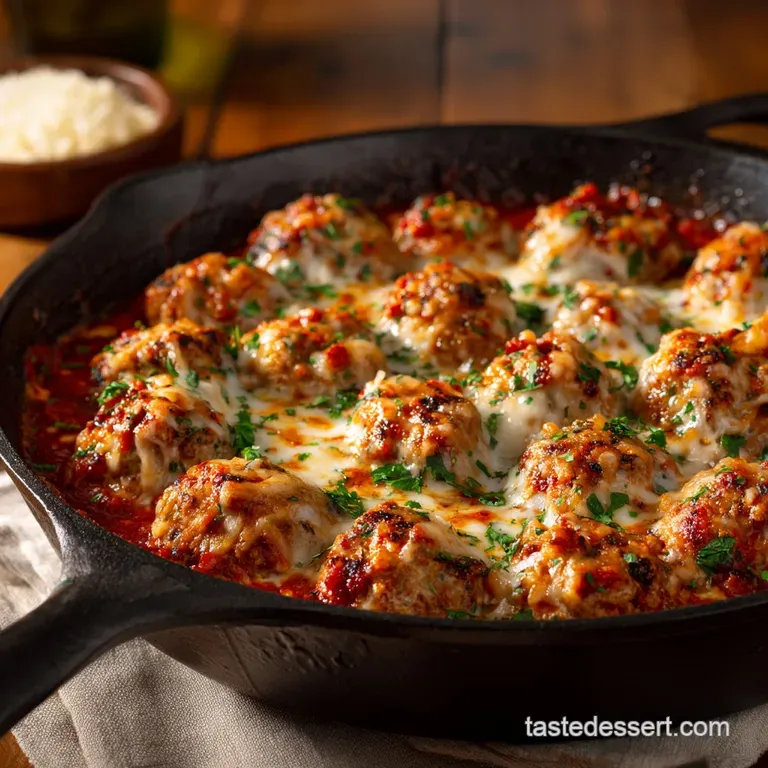
Pour in the crushed tomatoes, basil, and seasonings, bringing everything to a gentle simmer. Now, nestle those partially cooked meatballs back into the sauce, cover the pan, and let them simmer for about 15 minutes until fully cooked through.
Once they are done, scatter your mozzarella and a little extra Parmesan over the top. Pop the whole skillet under a preheated grill (broiler) for 2– 4 minutes until the cheese is gloriously bubbly and browned.
Keep a close eye on it, though, because broiler burners are unpredictable devils!
Recipe Card: Full Ingredient List and Measurements
(Insert standard recipe card here, containing the information from Section 6 and detailed instructions from Section 8.)
Troubleshooting Your Turkey Meatball Skillet: Chef’s Essential Tips
Preventing Dryness: The Secret to Moist Turkey Meatballs
The biggest culprit for dry turkey meatballs is overmixing and overcooking. Use the Panko and the grated onion to provide necessary moisture and texture, and make sure you pull them from the heat once they hit 165°F (74°C) internally. Remember, they will continue to cook slightly once resting in the hot sauce.
Avoiding a Broken Sauce: Temperature Control
If your sauce separates or looks oily, it’s usually because you hit it with too high a heat or it was simmering too violently. Keep the heat low and steady once the meatballs are in the pan.
A gentle simmer is all we need to finish cooking the meatballs and allow them to absorb the sauce; furious boiling will absolutely ruin the texture.
Skillet Selection: Cast Iron vs. Non-Stick
I will always recommend a good 12 inch cast iron skillet for this. It holds heat beautifully, giving you that amazing sear, and transitions seamlessly from stovetop to broiler. Non-stick pans are great for eggs, but they generally cannot handle the high heat required for a proper sear, and most aren't broiler safe. A well seasoned cast iron pan is a kitchen essential for dishes like this OneSkillet Mexican Shrimp Diablo Dinner: Spicy Weeknight Recipe Ready in 33 Minutes .
Making Ahead and Storing the Cheesy Turkey Meatball Skillet
Best Practices for Refrigerating Leftovers
Once the dish has fully cooled, transfer the entire contents (sauce, meatballs, and cheese) to an airtight container. It keeps beautifully in the refrigerator for up to 4 days. The sauce actually gets better overnight as the flavors really meld together.
Freezing Meatballs vs. Freezing the Finished Dish
You can definitely freeze this, but I prefer to freeze the raw meatballs or the fully cooked meatballs without the sauce and cheese. If you freeze the whole finished skillet, the mozzarella topping often gets grainy when thawed and reheated. For freezing, place the raw meatballs on a parchment lined tray until solid, then transfer them to a freezer bag for up to 3 months. If you love freezing prepared foods, check out my tips for making big batches of Slow Cooker Teriyaki Meatballs: Sticky, Easy Weeknight Dinner .
Reheating for Optimal Texture
To reheat, the microwave is fine for speed, but if you want to maintain that tender texture, reheat gently on the stovetop. Put the leftovers back into a skillet, cover them loosely, and heat over medium low heat until warmed through, about 10– 15 minutes.
If it seems too dry, just add a splash of water or extra tomato sauce.
What to Serve Alongside Your Hearty Skillet
This dish is super rich, so you have options! You can serve it over pasta, polenta, or even rice, but I often opt for something lighter. A big green salad with a sharp vinaigrette is the perfect counterpoint.
You could also lighten it up even further and serve the meatballs inside hollowed out bell peppers kind of like a speedy version of my popular Turkey Stuffed Peppers: Healthy Lean Weeknight Comfort Food recipe. Don't forget the crusty bread; that sauce needs mopping!
Chef's Note: Always let the finished skillet rest for five minutes after broiling. This lets the sauce settle and prevents the cheese from sliding right off the meatballs when you serve it. Patience is key to a perfect presentation!

Recipe FAQs
Why are my turkey meatballs turning out dry and crumbly?
Turkey is naturally leaner than beef, so the key is to avoid overmixing the meatball mixture, which tightens the proteins. Ensure you include an appropriate binder, such as breadcrumbs soaked in milk or egg, to lock in essential moisture during the cooking process.
Also, ensure you do not cook the meatballs past the internal temperature of 165°F (74°C).
Can I use ground beef or Italian sausage instead of ground turkey?
Absolutely. Ground beef (80/20 mix) or mild Italian sausage works perfectly and will add a richer, deeper flavour to the skillet. If you opt for sausage, we recommend slightly reducing the amount of added salt and Italian seasoning, as commercial sausage is usually highly seasoned already.
What is the best way to store and freeze leftover Cheesy Meatball Skillet?
Allow the skillet to cool completely, then transfer the contents to an airtight, freezer safe container. This dish freezes exceptionally well for up to 3 months; thaw it overnight in the refrigerator before reheating gently on the stovetop or in the oven until the sauce is fully bubbling.
My tomato sauce is too watery after simmering the meatballs. How can I fix this?
Watery sauce often occurs when moisture from the turkey releases into the sauce during the simmer. To rectify this, remove the meatballs temporarily and allow the sauce to simmer uncovered for an extra 5 to 10 minutes to reduce it significantly.
For a quick fix, stir in one teaspoon of cornstarch mixed with cold water (a slurry) right before adding the cheese.
Is browning the meatballs before simmering in the sauce necessary?
While technically you can skip it, browning is highly recommended as it achieves the Maillard reaction, developing a deeper, richer flavour profile on the exterior of the meatball. This quick sear also ensures the meatballs hold their shape better and do not crumble while simmering in the sauce.
I need to avoid dairy. What is a good non-dairy alternative for the cheese topping?
You can successfully use a high-quality vegan mozzarella or Parmesan replacement that is formulated to melt well, though the flavour will differ slightly from the original recipe. If skipping the cheese entirely, top the dish with toasted, herb infused breadcrumbs mixed with olive oil for textural contrast.
Can I prepare the meatballs ahead of time?
Yes, you can prepare the meatball mixture, roll them, and store them uncooked in an airtight container in the refrigerator for up to 24 hours. For longer storage, freeze them first on a baking sheet until solid, then transfer them to a freezer bag for up to 3 months before cooking directly in the sauce.
Cheesy Turkey Meatball Skillet Recipe
Ingredients:
Instructions:
Nutrition Facts:
| Calories | 747 kcal |
|---|---|
| Protein | 41.8 g |
| Fat | 43.7 g |
| Carbs | 46.6 g |
