Pasta with Italian Chicken Sausage Escarole and Be: the One-Pan Weeknight Job
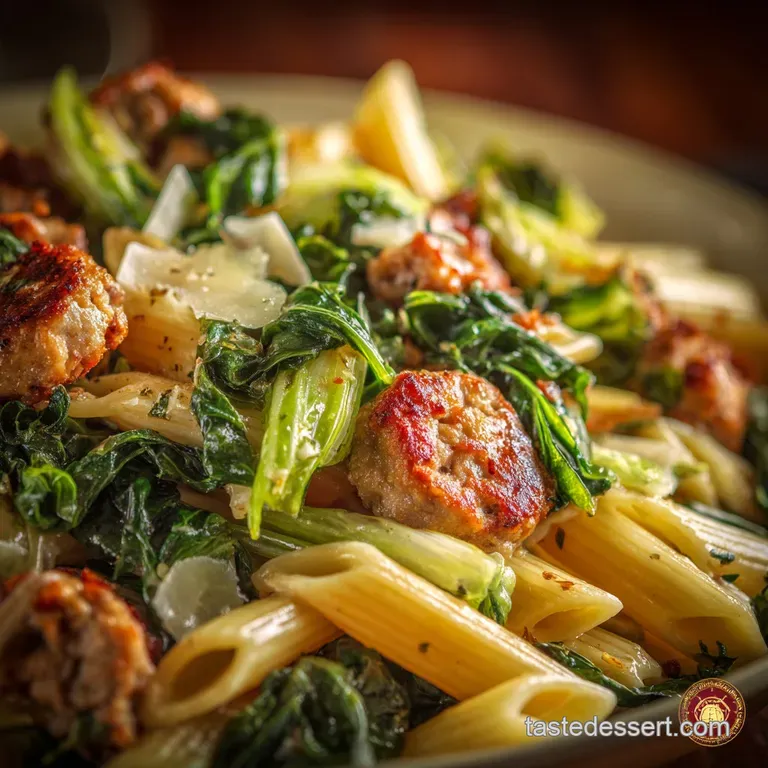
- The Italian Job: Mastering Rigatoni with Chicken Sausage, Hearty Escarole, and White Beans
- Essential Components for Pasta with Italian Chicken Sausage Escarole and Be
- The Method: Cooking Pasta with Italian Chicken Sausage Escarole and Be, Step-by-Step
- Flavour Science: Why Chicken Sausage, Escarole, and Beans Are a Culinary Trifecta
- Insider Secrets: Chef's Tips for Elevating Your Sausage and Escarole Pasta
- Practical Guide to Storing and Reheating Pasta with Italian Chicken Sausage Escarole and Be
- Perfect Pairings: What to Serve Alongside This Robust Pasta Dish
- Recipe FAQs
- 📝 Recipe Card
The Italian Job: Mastering Rigatoni with Chicken Sausage, Hearty Escarole, and White Beans
When that pan hits the heat and the garlic starts sizzling with the Italian chicken sausage, the whole kitchen smells like a tiny trattoria in Tuscany. It's an instant mood booster, seriously.
The secret to this dish— Pasta with Italian Chicken Sausage Escarole and Beans —is that perfect contrast: spicy, savory meat against the mild, creamy cannellini beans and that wonderful, necessary edge of bitterness from the escarole.
I am obsessed with weeknight meals that taste like they took all day, but only steal 40 minutes of my life. This specific preparation, focusing on the simple, earthy elements, is exactly that kind of culinary wizardry.
You get maximum flavour impact for minimal effort, making it the perfect post work reward that is truly satisfying.
We’ve messed around with the ratios and techniques over the years too much broth, too little seasoning, dry pasta but I’ve finally nailed the absolute best method.
Let's dive into the details and learn how to make this northern Italian classic shine, ensuring every bite is perfectly balanced and deeply flavourful.
Why This Northern Italian Comfort Dish Is Perfect for a Weeknight
This recipe is simple to master, which is why it's a keeper. We utilize fat rendering from the sausage to build a deep fondo (flavour base) right in the pan before the garlic even goes in.
A Medium Easy Recipe for Maximum Authentic Italian Flavor
The key technique here involves emulsification . We aren't making a heavy cream sauce; we are creating a glossy coating by combining starchy pasta water, melted butter, rendered sausage fat, and finely grated Pecorino Romano. This method is authentic, lighter, and tastes profoundly better.
It feels complex but is fundamentally simple.
Decoding the Perfect Harmony of Bitter Greens, Sweet Sausage, and Creamy Beans
It's all about intentional contrast. The subtle bitterness of the escarole perfectly cuts the richness of the seasoned Italian chicken sausage. Meanwhile, the cannellini beans which practically melt into the sauce provide essential body and creaminess, making the final dish feel hearty and complete.
This trifecta is why you won’t miss heavy cream or thick sauces; the dish achieves natural depth.
Essential Components for Pasta with Italian Chicken Sausage Escarole and Be
Why Rigatoni (or Orecchiette) Is the Best Match for this Hearty Sauce
You need a sturdy pasta shape, full stop. The rigatoni is perfect because its ridged tubes grab and hold onto those little nooks of crumbled sausage and bean puree.
Chef's Note: Smaller, ear-shaped Orecchiette is also fantastic for scooping up the chunky sauce mixture. Don't use thin shapes like spaghetti; they get overwhelmed by the hearty ingredients.
Selecting and Preparing the Hearty Italian Greens: Escarole Deep Dive
Escarole is a fantastic Italian green, part of the chicory family, offering that crucial mild bitterness that separates this dish from boring pasta recipes. You must wash it meticulously.
Dirt loves to hide deep inside the ruffly layers near the core, so soak it in cold water, shake it dry, and chop it roughly.
Choosing Quality Italian Chicken Sausage (Mild vs. Hot Options)
Since this is the star flavour, buy the best quality Italian chicken sausage you can find. I almost always opt for mild because I prefer to control the heat level with red pepper flakes (peperoncino). If you love heat, grab the hot version!
Alternative White Beans if Cannellini Aren't Available
Cannellini beans are my favorite for this Pasta with Italian Chicken Sausage Escarole and Beans because of how buttery and tender they become, almost thickening the sauce naturally. If they aren't available, Great Northern Beans or even firm, small Navy Beans work beautifully. Always remember to rinse them well, regardless of the variety. Need more bean inspiration? Check out my guide to making the most amazing 15 Bean Soup: Ultimate Hearty Recipe with Smoked Ham Hocks .
| Ingredient | Substitution Tip | Rationale |
|---|---|---|
| Escarole | Broccoli Rabe or Curly Kale | Provides a similar bitter counterpoint (blanch kale first). |
| Chicken Sausage | Mild or Hot Italian Pork Sausage | Maintains flavor profile but adds more fat. |
| Cannellini Beans | Great Northern Beans or Chickpeas | Similar creamy texture and mild flavour. |
The Method: Cooking Pasta with Italian Chicken Sausage Escarole and Be, step-by-step
Sautéing the Aromatics and Browning the Sausage Base
This step is where we build the entire foundation of the dish. Heat your olive oil in a wide, deep skillet. Add the chicken sausage (casings removed!) and break it up vigorously with your spoon, letting it get deeply caramelized and crisp. Do not stir constantly; let a crust form.
Remove the sausage, leaving all that glorious rendered fat and browned bits (the fond ) behind for the next stage.
Deglazing the Pan and Wilting the Escarole and Beans
Lower the heat slightly. Add the remaining olive oil, the sliced garlic, and the red pepper flakes. Sauté for about 60 to 90 seconds until fragrant and just starting to turn blonde garlic burns fast!
Pour in the dry white wine and scrape up all those browned bits from the pan bottom; that's liquid gold flavour. Then, pile in the washed escarole. It looks like a huge mountain, I know, but stir it continuously and watch it wilt down remarkably fast in about three minutes.
Stir in the rinsed cannellini beans and return the sausage to the pan.
The Critical Step of Tossing the Pasta with Reserved Water
You should start the pasta in salted water when you begin wilting the escarole. Cook it two minutes less than the package directs; we want it very al dente . Do not drain the pasta water! Use a spider strainer or tongs to transfer the pasta directly into the sauce.
This avoids losing starch and brings the necessary structure to the final dish.
Achieving the Ideal Sauce Consistency (A Quick Guide to Emulsification)
Once the pasta is in the sauce, add half a cup of the reserved, starchy cooking water, the tablespoon of butter, and the grated cheese. Crank the heat to medium and toss, toss, toss! The starch, fat, and cheese will bind together, creating a beautiful, glossy sauce that coats every piece of rigatoni.
Add more reserved water, a splash at a time, until it looks shiny and beautiful, never dry.
Flavour Science: Why Chicken Sausage, Escarole, and Beans Are a Culinary Trifecta
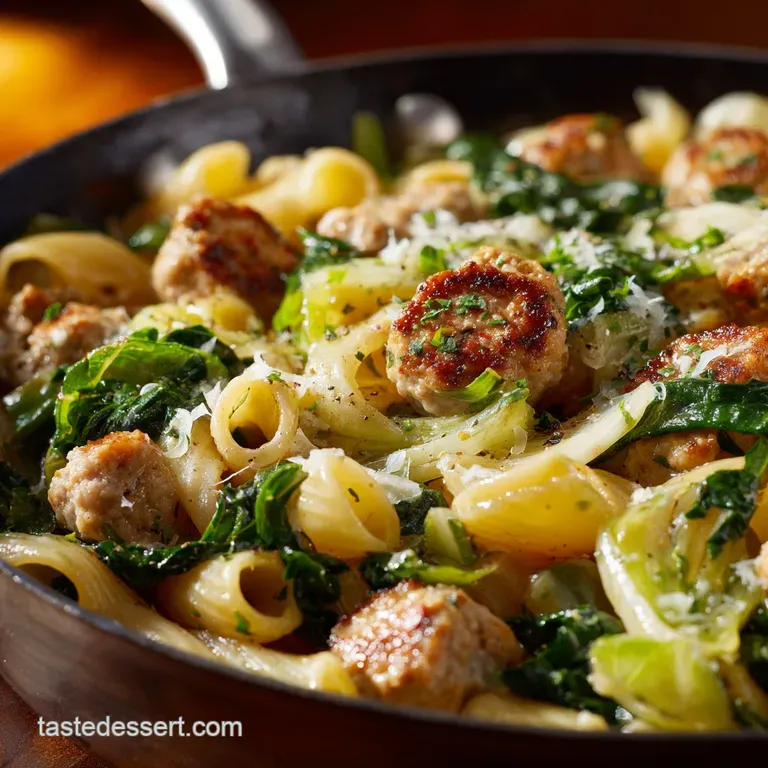
We are achieving maximum flavour impact through simple, rustic ingredients. This isn't fussy cooking, it's smart cooking.
Rendering the Sausage: Building the Essential Flavor Foundation (Fondo)
The rendered fat from the Italian chicken sausage acts as the initial fat base, carrying the flavour of the garlic and chili flakes deep into the sauce. This depth is what makes the final sauce taste rich and complex, not watered down.
Taming the Bitterness: How Escarole Contributes Depth, Not Dominance
Escarole's bitterness is its superpower! When cooked quickly and combined with the savory, fatty sausage, the bitterness mellows, transforming into a savory, deep counterpoint. If you feel it’s too strong, just a small squeeze of lemon or a pinch of sugar at the end fixes it instantly.
The Essential Role of Cannellini Beans for Creaminess and Body
The cannellini beans are the quiet MVP. Not only do they add protein and fibre, but when they cook down, they release a tiny bit of starch and volume, thickening the sauce just enough. They make the dish feel luxurious without adding actual cream, similar to the method used in my favorite Lemon Chicken Orzo Soup: Classic Avgolemono Style (Velvety Smooth) .
Insider Secrets: Chef's Tips for Elevating Your Sausage and Escarole Pasta
Avoiding a Dry Sauce: Maximizing Pasta Water Emulsification
This is my biggest piece of advice, learned through too many disappointing, dry pasta dinners. Always reserve at least 1.5 cups of the starchy water. If your finished sauce looks dry or doesn't cling properly, just add a splash of that starchy gold while tossing vigorously.
The Garlic Rule: Preventing Burnt Aromatics and Maintaining Sweetness
Garlic should be fragrant, golden, and sweet, never brown or acrid. If you see the garlic starting to take on deep colour, immediately deglaze with the wine or stock. Burnt garlic will ruin the entire dish trust me, I learned that the hard way once!
Boosting Umami: Adding Parmesan Rind During the Simmer
If you have a leftover rind from a block of Parmesan or Pecorino, drop it into the sauce during the wilting and simmering stage. It melts subtly, infusing the sauce with incredible, deep umami. Remove it right before tossing the pasta.
Practical Guide to Storing and Reheating Pasta with Italian Chicken Sausage Escarole and Be
Pasta dishes like this Rigatoni with Chicken Sausage and Beans hold up reasonably well, but they are always best fresh. Store leftovers in an airtight glass container in the fridge for up to 3 days.
When reheating, be cautious: pasta absorbs liquid quickly. Reheat slowly in a skillet over low-medium heat, adding a splash of water or stock to prevent drying out. If you microwave it, add a tablespoon of water before covering the dish. Do not attempt to freeze this dish.
The pasta structure and the delicate escarole will turn mushy and sad upon thawing.
Perfect Pairings: What to Serve Alongside This Robust Pasta Dish
Because this pasta is already quite hearty and robust, you want sides that offer contrast crispness, acidity, and freshness.
- Bread: Crusty, warm Italian bread is mandatory for soaking up the residual sauce on your plate (the beautiful act of fare la scarpetta ).
- Green Salad: A simple side salad of peppery arugula dressed with just olive oil and lemon is the perfect acidic foil.
- Dessert: Something light and fruity works wonderfully after a rich meal. Consider pairing it with a simple fruit based finish, like my Fruit Salad Recipe: Easy Summer Garden Salad with Elderflower Drizzle .
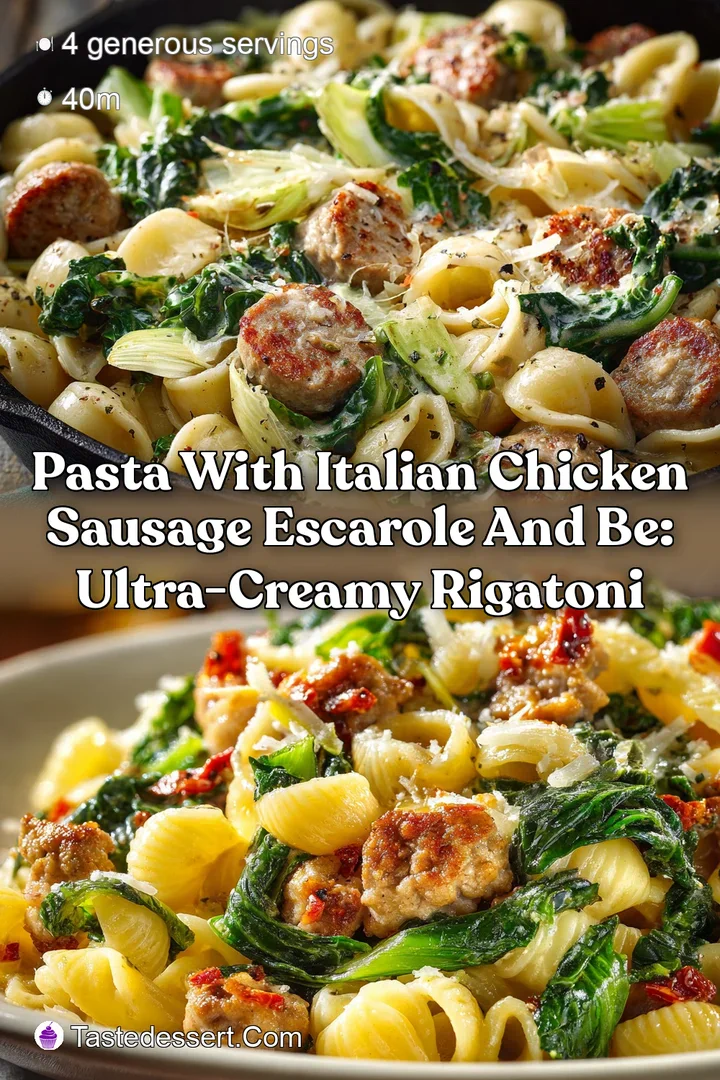
Recipe FAQs
Why is my sauce too dry or not coating the pasta properly?
The secret to a luscious sauce is proper emulsification using the starchy pasta water. If the sauce looks too dry when you combine the ingredients, gradually add 1/4 to 1/2 cup of reserved pasta water until the sauce clings beautifully to the rigatoni.
This ensures a silky, luxurious texture that ties the whole dish together.
Can I use a different green if I don't have escarole?
Yes, while escarole provides a unique, slightly bitter counterpoint, you can substitute it with other hearty greens. Curly kale or Swiss chard work well, but you may need to cook them slightly longer than the escarole to tenderize them. If using spinach, add it right at the end of cooking as it wilts almost instantly.
Can I substitute the chicken sausage for pork sausage or a vegetarian alternative?
Absolutely. Hot Italian pork sausage provides a richer flavor base and renders more fat, which will enhance the sauce's depth. For a vegetarian option, replace the sausage with sautéed cremini mushrooms or sun-dried tomatoes, and increase the amount of garlic and red pepper flake for punch.
How should I store leftovers, and can I freeze this dish?
This pasta dish stores well in an airtight container in the refrigerator for 3 to 4 days. While technically possible, freezing is not recommended as the pasta can become mushy and the cannellini beans may break down upon thawing. It is best enjoyed fresh or within a couple of days.
Escarole can sometimes be bitter. How do I mitigate this?
Escarole’s slight bitterness is intentional and serves to balance the richness of the savory sausage. To minimize strong bitterness, ensure you wash the escarole thoroughly to remove any dirt or grit trapped in the leaves.
Alternatively, blanching the escarole for 30 seconds before sautéing will temper the flavor significantly.
What is the best substitution for cannellini beans?
Cannellini beans are ideal for their large size and wonderfully creamy texture, which adds body to the sauce. If you don't have them on hand, Great Northern beans or Navy beans are excellent substitutes. Ensure the beans are fully drained and rinsed before adding them to maintain the proper sauce consistency.
How can I make this recipe gluten-free or dairy-free?
The dish is already naturally dairy-free unless you choose to finish it with optional grated Parmesan cheese. To make it gluten-free, simply use a high-quality gluten-free rigatoni or similar short pasta, ensuring you adjust the cooking time as necessary for the specific brand.
The rest of the ingredients are naturally GF.
Chicken Sausage Escarole And Beans Pasta
Ingredients:
Instructions:
Nutrition Facts:
| Calories | 349 kcal |
|---|---|
| Protein | 33.1 g |
| Fat | 13.8 g |
| Carbs | 21.4 g |
