Classic Scottish Shortbread the Threeingredient Marvel
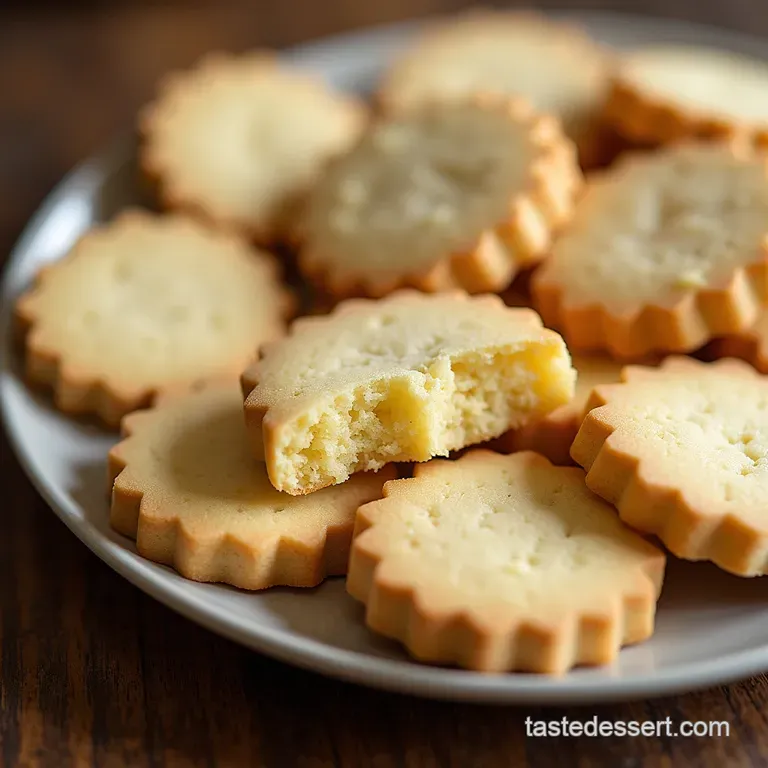
- Unlocking the Secret to Truly Sandy Scottish Shortbread Cookies
- Why This Simple Recipe Becomes Your New Baking Benchmark
- Curating the Essential Trio: Butter, Flour, and Sugar
- Tool Checklist: What You Need for Flawless Execution
- The Method: Transforming Raw Materials into Golden Perfection
- Troubleshooting Common Shortbread Setbacks
- Elevating and Adapting Your Classic Shortbread
- Recipe FAQs
- 📝 Recipe Card
Unlocking the Secret to Truly Sandy Scottish Shortbread Cookies
Ah, the venerable shortbread. Hailing from the windswept hills of Scotland, this cookie is the epitome of minimalist baking genius. It relies on the quality of its three core ingredients butter, sugar, and flour to deliver a melt-in-your mouth experience that is rich, buttery, and satisfyingly crisp.
Forget bells and whistles; this is pure, unadulterated indulgence. This particular shortbread cookies recipe focuses on achieving that coveted "sandy" texture, the hallmark of a truly authentic biscuit that crumbles perfectly on the tongue without being dry.
We aim for perfection using the simplest means possible, ensuring this becomes your go-to guide for the best shortbread recipe .
Why This Simple Recipe Becomes Your New Baking Benchmark
What makes this easy shortbread cookies recipe so enduring? It’s the sheer confidence in simplicity. This is a biscuit that doesn't rely on chemical leaveners like baking powder; its rise, or rather, its texture, is entirely dependent on technique.
Difficulty is listed as Easy, but mastery lies in the details namely, temperature control and mixing duration. This blueprint delivers deeply buttery shortbread cookies every time.
A Testament to Minimalist Baking Mastery
When you commit to only three primary components flour, butter, and sugar each element must shine. This transparency in ingredients means there is no hiding inferior product.
The ratio is crucial; adhering closely to the classic proportions ensures the structure holds while the fat content remains high enough to create that signature tenderness. This is where simple shortbread cookies truly earn their reputation.
Dispelling the Myth: Achieving That Perfect Crumbly Texture
The secret to sandy shortbread isn't complex mixing; it's about not mixing too much once the flour enters the equation. We are not aiming to incorporate air, as you would in a cake or even many American style cookies. Instead, we want the butter to coat the flour particles minimally.
This prevents gluten development, which is what leads to toughness. When you finish mixing, the dough should look slightly shaggy but hold together when pressed this is the precise moment to stop.
Navigating the Heritage of the Original Biscuit
Historically, shortbread was an expensive treat, reserved for special occasions, primarily because refined white sugar and high-quality butter were costly luxuries in Scotland. Its very name hints at its composition: "short" refers to the high proportion of fat, which "shortens" the gluten strands in the flour, resulting in a tender, crumbly bite rather than a chewy one.
Understanding this heritage informs our approach: treat the butter with respect, and the results will speak for themselves.
Curating the Essential Trio: Butter, Flour, and Sugar
For this Classic Scottish Shortbread, we call for 2 cups (250g) of All-Purpose Flour, 1 cup (227g) of Unsalted Butter, and 1/2 cup (100g) of Granulated Sugar, plus a quarter teaspoon of fine sea salt to enhance that buttery depth. The key here is selection.
Because there are so few components in these shortbread cookie recipes , the quality of the butter drastically affects the final product. If you use flavourful, high fat European style butter, the flavour payoff will be extraordinary.
The sugar provides the necessary sweetness and a little bit of structural integrity, while the flour provides the backbone.
Related Recipes Worth Trying
- The Best Chocolate Chunk Cookies with Chewy Centres — Tired of flat biscuits This Gooey Chocolate Chunk Cookies Recipe uses brown butter for deep flavour Foolproof method for perfect cookies every time
- Chewy Ruby Chocolate and Pistachio Cookies Recipe — Discover the definitive recipe for stunning Ruby Chocolate and Pistachio Cookies These aesthetic bakes feature a delightful tartness and crunch Get the...
- The Ultimate Chewy Maple Brown Sugar Cookies Recipe — Ditch the dry biscuits These Maple Brown Sugar Cookies are packed with deep molasses flavour and pure maple sweetness for that perfect gooey centre Try this...
Tool Checklist: What You Need for Flawless Execution
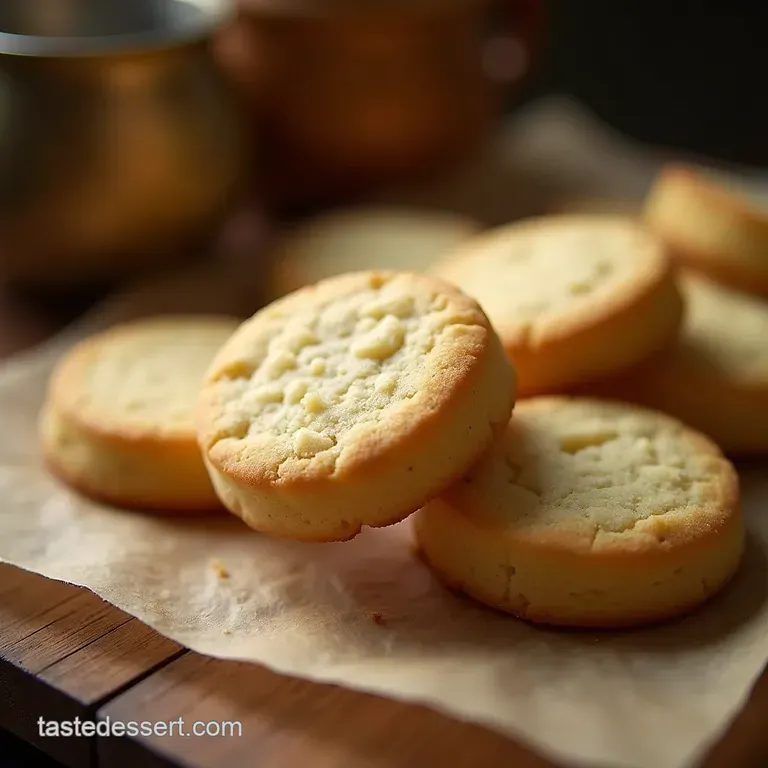
While this recipe is simple, the right equipment ensures precision. You will require a large mixing bowl or a stand mixer equipped with a paddle attachment. A rubber spatula is essential for scraping down the sides to ensure everything incorporates evenly.
If you plan on making cut-out shapes, cookie cutters are your friend; otherwise, a 9x9 inch baking pan works perfectly for the traditional slice and-bake wedge method.
The Crucial Role of high-quality, Unsalted Butter
Unsalted butter is specified because it allows us to control the salt content precisely, preventing over seasoning. More importantly, the butter must be very cold, cut into cubes. This is paramount for the texture we are chasing.
Cold butter resists fully binding with the sugar immediately, allowing it to create those small pockets of fat that yield the "sandy" result once baked and then melted away.
Precision Measurement: Why Grams Trump Cups Here
While the recipe provides cup measurements for convenience, for baked goods that rely so heavily on ratios, like buttery shortbread cookies , weighing ingredients in grams is always recommended.
Flour settles differently in every measuring cup, leading to potential flour overload the number one cause of tough cookies. Aiming for 250g of flour guarantees consistency across batches.
Optional Additions for Flavor Elevation (Beyond the Basics)
While purists stick to the three ingredients, sometimes a small lift is welcome. We include an optional teaspoon of vanilla extract, which rounds out the flavour profile beautifully without overpowering the butter.
For more adventurous bakers looking to create variations like shortbread cookies with icing , ensuring the base is perfect is the first step.
The Method: Transforming Raw Materials into Golden Perfection
The entire process hinges on managing the temperature of the ingredients and the duration of mixing. The active preparation time is wonderfully short only about 20 minutes. The real work happens in the oven and during the subsequent chill time.
The Creaming Technique: Mastering the Initial Mix
In a large bowl, combine the very cold, cubed butter with the granulated sugar. If using a stand mixer, use the paddle attachment on low speed. We are not creaming until light and fluffy; we are mixing only until the sugar granules have started to incorporate into the butter, creating a coarse, sandy paste.
This step should take no more than two minutes. Over beating here is detrimental to the final texture of your shortbread cookies .
Chilling Protocols: Why Patience Pays Off Before Baking
Once the dry flour mixture is added to the butter sugar base and mixed just until a dough forms, immediately wrap the dough tightly either as a flat disc if rolling, or formed into a log if slicing. This dough must chill for a minimum of 45 minutes, preferably an hour.
Chilling solidifies the butter again, allowing you to handle the dough without it becoming greasy or sticky, which is essential for clean cuts.
Scoring and Cutting: Achieving Uniformity in Your Shortbread Cookies
If you are using cut-outs, roll the chilled dough out to a uniform 1/4 inch thickness before cutting. If you are pressing the dough into a baking pan (a common technique for simple shortbread cookies ), press it firmly and evenly into the base.
Whether using cutters or pressing into a pan, now is the time to prick the surface all over with a fork this is called docking, and it prevents large bubbles from forming. If cutting wedges from a pan, score the lines lightly before baking.
Watchful Eyes: Recognizing the Ideal Pale Golden Hue
Preheat your oven to 325° F ( 160° C). Bake the cookies for 15 to 20 minutes. This is perhaps the most critical visual cue in the entire recipe. True shortbread should not brown deeply.
They are done when the edges just begin to show the slightest hint of pale gold, and the surface remains mostly pale. Remove them promptly; they will continue to firm up significantly as they cool.
Troubleshooting Common Shortbread Setbacks
If your shortbread cookies came out tough, the culprit is almost always over mixing after the flour was added, developing too much gluten. If they crumbled apart entirely before you could even move them to the rack, your butter might have been too warm when you were cutting or shaping them, or you may have used too little butter relative to the flour.
If they spread excessively, again, the butter was too warm or the dough wasn't chilled sufficiently before baking.
Elevating and Adapting Your Classic Shortbread
While the foundational recipe is stellar, these simple biscuits offer endless opportunities for creativity, perfect for those looking to make shortbread cookies with jam nestled in the centre or those seeking more intricate decorating ideas like shortbread cookies with icing .
Storage Secrets: Keeping That Fresh Buttery Taste Intact
Because shortbread contains no moisture retaining ingredients like eggs or much liquid, it stores remarkably well. Keep your cooled cookies in a truly airtight container at room temperature. They maintain peak freshness for up to a week, and often taste even better on day two as the flavours meld slightly.
Flavor Twists: Infusions, Zests, and Sprinkles
To move beyond the classic, consider infusing your butter first. Gently warm the butter with a vanilla bean or a strip of lemon zest, let it cool completely until solid again, and then proceed with the recipe. Alternatively, roll your cut-outs lightly in fine sugar mixed with cinnamon or cardamom before baking.
For the decorated varieties, once cooled, these make excellent canvases for thin royal icing or simply a drizzle of high-quality melted chocolate think shortbread cookies with chocolate drizzled across the top.
Nutritional Snapshot and Serving Suggestions
These rich biscuits are naturally high in fat, reflecting their indulgent nature. Expect approximately 150 165 calories per standard cookie, primarily derived from the butter content. This is a treat, not a health food!
Post Baking Navigation: What to Serve Alongside These Treats
The best accompaniment to this richness is often something tart or hot. A strong cup of black tea is the traditional pairing. Alternatively, serve them alongside a bowl of tart raspberries or a small dollop of homemade lemon curd.
For truly special occasions, consider using these as the base for shortbread cookies with jam sandwiched together a sweet fruit preserve cuts through the intense buttery flavour perfectly.

Recipe FAQs
Why are my Shortbread Cookies coming out tough instead of crumbly?
That's a classic baking blunder, usually caused by overworking the dough once the flour is added. For that lovely sandy texture, you need minimal mixing; stop as soon as the flour disappears. Think of it as gently persuading the dough together, not beating it into submission!
Can I skip chilling the dough? My impatience is getting the better of me!
Honestly, hold your horses chilling is crucial, especially for shortbread! Chilling firms up that high proportion of cold butter, which stops the cookies from spreading all over the baking sheet like a puddle. A good 45 minutes in the fridge ensures sharp edges and that desired short, crumbly snap.
What's the secret to getting that perfect, traditional pale colour?
Shortbread is meant to be pale, not golden brown like a digestive biscuit. Keep your oven temperature sensible 325°F (160°C) is spot on and keep a keen eye on them.
They are done when the edges look dry and are just beginning to show the faintest hint of colour; they'll firm up beautifully on the cooling rack.
How should I store leftover Shortbread Cookies to keep them fresh?
Since they are essentially pure butter and flour, shortbread keeps remarkably well! Store them in an airtight container at room temperature you don't need the fridge unless your kitchen is unusually warm. They'll happily last a week, though honestly, they rarely hang around that long!
My recipe only uses three ingredients. Can I substitute the sugar for something healthier?
While you can technically swap granulated sugar for a product like xylitol or erythritol, it’s tricky because sugar does more than just sweeten; it affects the texture and spread.
If you must substitute, use superfine (caster) sugar for the best melt, but be aware that texture and crispness might vary significantly.
Classic Buttery Shortbread Recipe
Ingredients:
Instructions:
Nutrition Facts:
| Calories | 43 kcal |
|---|---|
| Protein | 0.5 g |
| Fat | 3.5 g |
| Carbs | 7.9 g |
| Fiber | 0.0 g |
| Sodium | 1668 mg |
