Classic Meatloaf Recipe
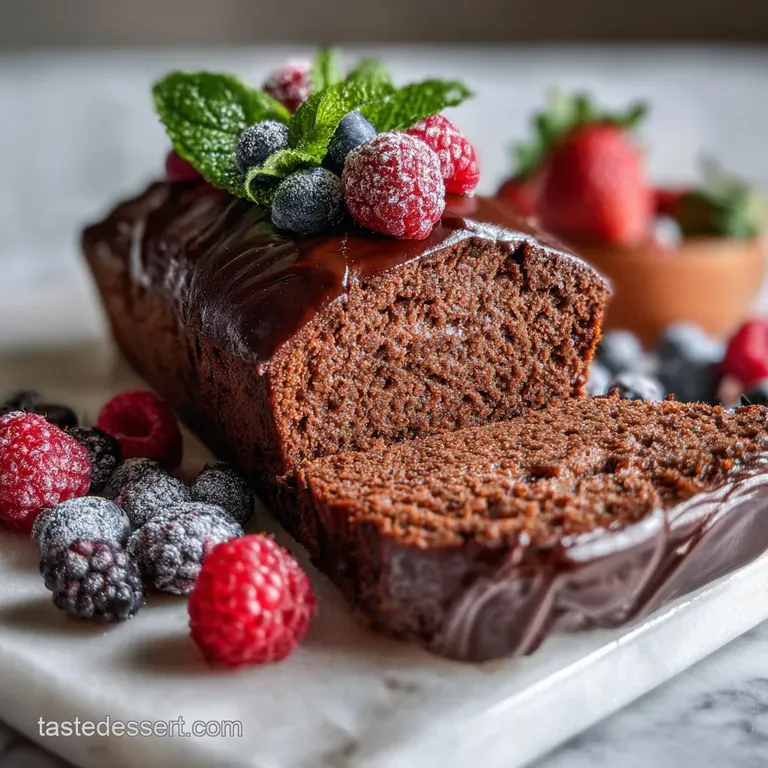
- Time: Active 15 minutes, Passive 60 minutes, Total 1 hour 15 minutes
- Flavor/Texture Hook: A velvety, savory interior with a tacky, caramelized glaze
- Perfect for: Nostalgic Sunday family dinners and simple meal prep
- Creating the Best Meatloaf Recipe Ever
- Critical Stats for Perfect Results
- Selecting the Best Quality Base Elements
- Reliable Tools for a Juicy Finish
- Preparing Your Tender Beef Loaf
- Correcting Texture and Baking Issues
- Variations for Personalized Family Meals
- Kitchen Myths Debunked
- Maintaining Freshness and Zero Waste
- Ideal Sides for Comfort Dinners
- High in Sodium
- Recipe FAQs
- 📝 Recipe Card
Creating the Best Meatloaf Recipe Ever
Do you ever get that specific craving for something that smells like a Sunday afternoon at your grandma's house? I'm talking about that heavy, savory perfume of onions, garlic, and roasting beef that fills every corner of the hallway.
For the longest time, I struggled with meatloaf that turned out more like a dry, flavorless brick than the comforting meal I remembered. I've realized that the secret isn't just in the meat, but in how we treat the binders and aromatics.
This meatloaf recipe is my absolute labor of love, perfected after years of trial, error, and a few soggy disasters. We are going for a texture that is firm enough to slice but soft enough to yield to a fork with almost no resistance.
It's about building layers of umami that make you want to go back for seconds before you've even finished your first slice.
Trust me on this, once you nail the moisture balance, you'll never look at a "basic" meatloaf the same way again. We aren't just making dinner, we are reviving a timeless classic that deserves a permanent spot in your rotation. Right then, let's get into what actually makes this work so well every single time.
Critical Stats for Perfect Results
The Science of Why it Works: This recipe relies on protein denaturation inhibition where the milk soaked breadcrumbs act as physical barriers between meat fibers, preventing them from shrinking into a tough mass.
Plus,, the Maillard reaction on the surface is boosted by the sugar in the glaze, creating deep, complex flavor profiles.
| Cooking Method | Cook Time | Texture Profile | Best For |
|---|---|---|---|
| Standard Oven | 60 minutes | Even browning, juicy center | Traditional family dinner |
| Stovetop (Patties) | 12 minutes | Crispy edges, very fast | Quick weeknight meal |
| Air Fryer | 35 minutes | Super crispy exterior | Small batches for two |
Using an oven provides the most consistent internal temperature, allowing the connective tissues in the 80/20 beef to break down slowly. This ensures the loaf stays succulent rather than steaming in its own juices, which can happen if the heat is too aggressive or uneven.
Selecting the Best Quality Base Elements
| Ingredient | Science Role | Pro Secret |
|---|---|---|
| 80/20 Ground Beef | Fat provides lubrication | Never use lean beef; the fat carries the flavor and prevents a "rubbery" bite. |
| Panko Breadcrumbs | Structural support | Panko has more surface area than fine crumbs, creating a lighter, more aerated crumb. |
| Whole Milk | Hydration agent | The calcium in milk helps tenderize meat proteins during the long bake. |
| Worcestershire Sauce | Umami booster | Adds fermented depth that mimics a long simmered sauce in minutes. |
I've found that the way you prep your aromatics makes or breaks the texture. If you love deep flavors, you might enjoy my Worcester Sauce Meatloaf recipe which highlights these savory notes.
Chef Tip: Grate your yellow onion instead of dicing it. The onion juice blends into the meat, providing incredible moisture without the risk of biting into a crunchy, undercooked onion chunk.
Reliable Tools for a Juicy Finish
To get this right, you really need a large mixing bowl to allow for gentle folding overworking the meat is the enemy of a tender loaf. A standard 9x5 inch (23x13 cm) loaf pan works, but I actually prefer a rimmed baking sheet lined with parchment.
Shaping it by hand on a sheet pan allows the heat to circulate around the entire loaf, giving you more of that delicious, caramelized surface area.
You'll also want a box grater for that onion and a small whisk to get the glaze perfectly smooth. An instant read thermometer is your best friend here. Don't guess the doneness; knowing exactly when you hit that 160°F (71°C) mark is the difference between a velvety slice and a dry disappointment.
Preparing Your Tender Beef Loaf
- Soak the Panko. Combine 1 cup Panko breadcrumbs with 1/2 cup whole milk in a small bowl. Note: This creates a panade that keeps the beef succulent.
- Grate the aromatics. Use a box grater to process 1 medium yellow onion and mince 3 cloves of garlic. The aroma should be sweet and pungent.
- Whisk the binders. In a large bowl, lightly beat 2 large eggs, then stir in 2 tbsp Worcestershire sauce, 1 tsp dried thyme, 1 tsp salt, 1/2 tsp cracked black pepper, and 1/4 cup chopped fresh parsley.
- Combine the base. Add the 2 lbs (900g) of 80/20 ground beef and the soaked Panko to the egg mixture.
- Mix with care. Use your hands to gently fold the ingredients together until just combined. Note: Stop as soon as you don't see streaks of egg or breadcrumbs.
- Shape the loaf. Transfer the mixture to a parchment lined pan and shape into a 9x5 inch rectangle.
- Initial bake. Place in a preheated 350°F (175°C) oven for 40 minutes until the surface looks matte and set.
- Prepare the glaze. Whisk 3/4 cup ketchup, 2 tbsp brown sugar, 1 tsp Dijon mustard, and 1 tbsp apple cider vinegar. It will smell tangy and sharp.
- Apply the finish. Spread the glaze over the meatloaf and bake for another 20 minutes until the glaze is bubbly and tacky.
- The essential rest. Remove from the oven and let it sit for 10 minutes. Note: This allows the juices to redistribute so the loaf doesn't fall apart.
Correcting Texture and Baking Issues
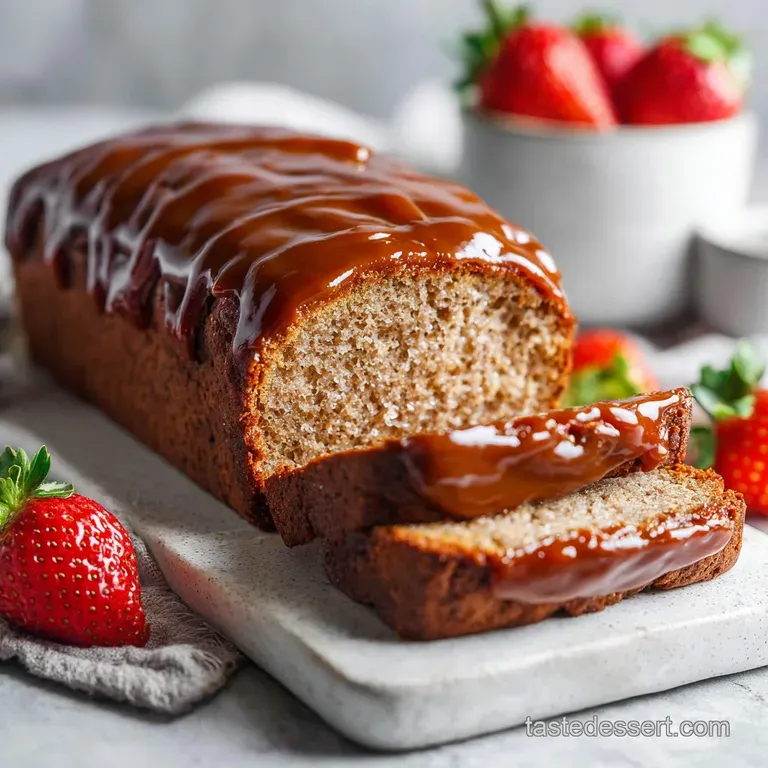
Why Your Meatloaf Falls Apart
If your slices crumble the moment the knife hits them, it's usually a binder issue. Either the breadcrumbs weren't hydrated enough, or the eggs were too small to hold the fat and protein together. Letting the meat rest for at least 10 minutes is non negotiable for structural integrity.
Why Your Meatloaf is Greasy
Using meat with a higher fat content than 80/20 can result in a puddle of oil. If you are using a loaf pan, the meat sits in that fat. Switching to a sheet pan allows the excess fat to drain away, resulting in a cleaner flavor.
| Problem | Root Cause | Solution |
|---|---|---|
| Dense/Tough Texture | Overmixing the meat | Mix by hand until just combined; never use a stand mixer for meatloaf. |
| Soggy Bottom | Loaf pan trap | Bake on a rimmed sheet pan with a rack or parchment to allow drainage. |
| Burnt Glaze | Too much sugar | Apply the glaze only in the last 20 minutes of baking. |
Common Mistakes Checklist
- ✓ Never use "extra lean" beef; the loaf will turn out like cardboard.
- ✓ Don't skip the milk soak for the breadcrumbs; it's the moisture insurance.
- ✓ Avoid dicing onions too large, as they won't soften in time.
- ✓ Stop mixing the moment the ingredients are incorporated to keep it airy.
- ✓ Always use a thermometer to hit 160°F (71°C) exactly.
Variations for Personalized Family Meals
If you need to adjust the size of this meatloaf recipe for a larger crowd, scaling is quite straightforward. For doubling the recipe (using 4 lbs of beef), use a larger baking sheet and shape two separate loaves rather than one giant one. This ensures the center cooks through before the outside burns.
For spices, increase them to 1.5x the original amount rather than doubling them to avoid overwhelming the meat.
For another decadent meal, try this How to Make recipe that uses similar techniques but adds a cheesy, onion heavy twist.
| Servings | Beef Amount | Pan Size | Total Bake Time |
|---|---|---|---|
| 4 People | 1 lb (450g) | 8x4 Loaf | 45 minutes |
| 8 People | 2 lbs (900g) | 9x5 or Sheet | 60 minutes |
| 12 People | 3 lbs (1.3kg) | 2 Small Loaves | 65 minutes |
When scaling down for a small family, reduce the baking time by about 15 minutes. Always check the internal temperature early to prevent overcooking the smaller mass.
Kitchen Myths Debunked
Many people believe that searing the outside of the meatloaf "locks in the juices." In reality, searing is only for flavor via the Maillard reaction; it doesn't actually create a moisture seal. The moisture is kept inside by the panade (the bread and milk mixture), not the crust.
Another common misconception is that you need a loaf pan to keep the shape. While a pan is traditional, it actually steams the sides of the meat. Free forming the loaf on a baking sheet gives you more surface area for that tangy glaze and results in a better texture overall.
Maintaining Freshness and Zero Waste
Storage: You can keep leftover meatloaf in an airtight container in the fridge for up to 4 days. For freezing, slice the cooked loaf and wrap individual pieces in plastic wrap before placing them in a freezer bag; they stay fresh for up to 3 months.
To reheat, I highly recommend searing a slice in a cast iron skillet with a touch of butter it gets the edges crispy and tastes even better than the first day.
Zero Waste: Don't throw away the ends or crumbles. Leftover meatloaf makes the most incredible "shepherd's pie" base. Just crumble it into a pan, add a few peas and carrots, and top with mashed potatoes. You can also use thin slices for the ultimate cold sandwich with extra Dijon mustard.
Ideal Sides for Comfort Dinners
This dish cries out for classic pairings. I always lean toward buttery mashed potatoes to soak up any extra glaze. A side of roasted green beans or honey glazed carrots provides a nice crunch to balance the velvety texture of the beef.
If you are looking for a slightly more sophisticated dinner, you might try this How to Bake recipe which pairs beautifully with a side of garlic roasted root vegetables. The acidity in the glaze also cuts through the richness of a creamy macaroni and cheese, making it a favorite for the kids.

High in Sodium
842 mg mg of sodium per serving (37% % of daily value)
The American Heart Association recommends limiting sodium intake to about 2,300mg per day for overall health.
Tips to Reduce Sodium in Your Meatloaf
-
Reduce Added Salt-25%
Eliminate or significantly reduce the 1 tsp of added salt. Taste the meatloaf mixture before baking and add only a pinch if needed. You can always add salt to individual portions after cooking.
-
Low-Sodium Ketchup-20%
Switch to a low-sodium ketchup. Standard ketchup can be surprisingly high in sodium. Look for options specifically labeled 'low-sodium' or 'no salt added'.
-
Worcestershire Reduction-15%
Reduce the amount of Worcestershire sauce by half (1 tbsp instead of 2 tbsp) or try a low-sodium alternative. This sauce is a significant source of sodium in the recipe.
-
Leaner Ground Beef
Consider using a leaner ground beef option, such as 90/10. While it won't directly reduce sodium, it can improve the overall nutritional profile of the dish.
-
Boost with Herbs & Spices
Enhance the flavor profile with other herbs and spices to compensate for the reduced salt. Consider adding more dried thyme, fresh parsley, garlic powder, or onion powder.
Recipe FAQs
What is the secret to making a good meatloaf?
Don't overmix the meat. Gently combine ingredients until just incorporated to keep the texture tender and prevent it from becoming dense or tough. Overmixing develops gluten in the breadcrumbs and tightens meat fibers.
What are the best ingredients for meatloaf?
Use an 80/20 ground beef blend with a milk soaked panade. The fat in 80/20 beef provides moisture and flavor, while the panade (breadcrumbs soaked in milk) acts as a binder and keeps the loaf incredibly tender. Grated onion adds moisture without crunchy bits.
How long does it take a 2 lb meatloaf to cook at 350 degrees?
Approximately 60 minutes. Bake for 40 minutes, then apply glaze and continue baking for another 20 minutes until the internal temperature reaches 160°F (71°C). Always use a thermometer for accuracy.
What not to put in meatloaf?
Avoid extra lean ground beef or large chunks of onion. Extra lean meat results in a dry, tough loaf, as fat is crucial for moisture. Large onion pieces may not cook through, creating an unpleasant texture. A milk soaked panade and grated onion are far better choices.
Why does my meatloaf fall apart?
Insufficient binders or an incomplete rest. Ensure you're using enough eggs and a well hydrated panade (milk soaked breadcrumbs). Crucially, let the meatloaf rest for at least 10 minutes after baking; this allows the juices to redistribute and the structure to set.
Can I make meatloaf ahead of time?
Yes, the meat mixture can be prepared up to 24 hours in advance. Combine all ingredients except the glaze and refrigerate. Shape and bake as usual, adding a few extra minutes to the initial bake time if the mixture is very cold. The glaze should still only be applied in the last 20 minutes.
What is the best way to serve meatloaf?
Serve with classic comfort sides like mashed potatoes and gravy. The soft texture of mashed potatoes is perfect for soaking up any rich sauce or glaze. For a complete meal, consider sides like roasted green beans or honey glazed carrots. If you enjoyed the savory depth here, you might also like the rich flavor base in Classic Southern Style Black Eyed Peas.
Classic Meatloaf Recipe
Ingredients:
Instructions:
Nutrition Facts:
| Calories | 341 kcal |
|---|---|
| Protein | 23.3 g |
| Fat | 18.9 g |
| Carbs | 18.6 g |
| Fiber | 0.8 g |
| Sugar | 10.5 g |
| Sodium | 842 mg |
