The Creamy Dream Authentic Classic Risotto Milanese Style
- Unlocking the Secrets to Perfectly Wavy ( All’Onda ) Italian Rice
- Why This Recipe Captures the Soul of Traditional Cooking
- Assembling Your Core Components for Rich Flavor Depth
- Essential Equipment for Consistent Creaminess
- The Step-by-Step Technique for Textural Perfection
- Mastering the Crucial Stages of Risotto Construction
- Troubleshooting and Elevating Your Homemade Classic Risotto
- Storing Leftovers: Reviving the Creamy Texture
- Recipe FAQs
- 📝 Recipe Card
Unlocking the Secrets to Perfectly Wavy ( All’Onda ) Italian Rice
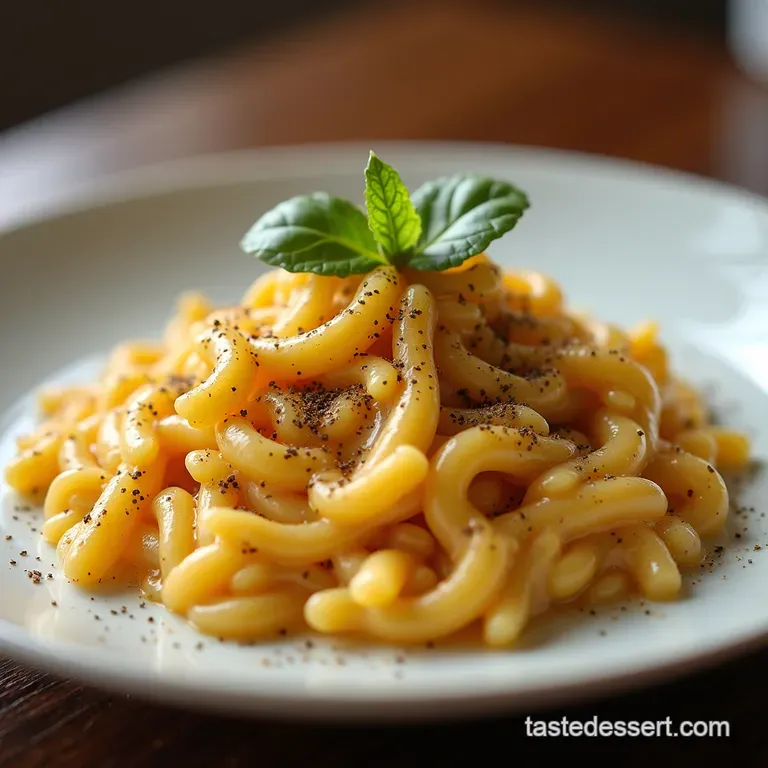
To truly master the Classic Risotto , you must first understand its unique target texture: all’onda , meaning "wavy." This isn't a thick, sticky mound of rice; rather, it’s a creamy, fluid expanse that flows gracefully across the plate when served.
Achieving this signature ripple effect is the ultimate goal of every skilled Italian cook, distinguishing a merely adequate rice dish from a transcendent Classic Risotto Recipe .
It’s a process built on the gradual release of starch through patient, dedicated stirring, transforming humble grains into a culinary velvet.
Why This Recipe Captures the Soul of Traditional Cooking
This journey into How To Make Creamy Parmesan Risotto is about respecting heritage. We are not seeking shortcuts; we are seeking depth. This specific preparation honors the Lombardy tradition, leaning heavily on high-quality, minimal ingredients to let the technique shine.
When you follow this process, you are not just cooking; you are participating in a centuries old culinary ritual.
Beyond the Basics: Understanding the Risotto Philosophy
The core philosophy underpinning exceptional risotto is balance. We need enough liquid to hydrate the exterior of the grain while gently agitating the surface to create that creamy, starchy suspension.
The ingredients are simple a small foundation of aromatic vegetables, good wine, quality rice, and the rich finish of cheese and butter but their interaction is complex.
If you find yourself searching for Easy Risotto Recipes , know that while this recipe simplifies the ingredient list, it demands focus on the method to achieve its authentic result.
The Art of Patience: Why Slow Cooking Matters for Texture
Rushing risotto guarantees failure. The slow introduction of hot stock is not about efficiency; it is about texture control. Each addition of liquid must be almost entirely absorbed, allowing the heat and moisture to penetrate the grain evenly.
This controlled environment encourages the release of amylopectin (the starch responsible for creaminess) slowly, layer by layer, ensuring the grain remains perfectly al dente internally while contributing to the surrounding sauce.
This deliberate pace is what elevates this dish into genuine Risotto Dinner Ideas fare.
A Culinary Journey: Setting the Stage for Your Classic Risotto Triumph
To begin this cooking adventure, we are preparing the Creamy Dream: Authentic Classic Risotto Milanese Style (The Stirring Masterpiece) . This dish requires approximately 40– 45 minutes from start to finish, with about 25– 30 minutes being active cooking time, categorizing it as a Medium difficulty dish primarily due to the required attention span.
We anticipate this will yield 4 generous main course servings. Before we light the stove, preparing all elements is crucial.
Assembling Your Core Components for Rich Flavor Depth
The secret to any memorable risotto lies in the quality of the few components used. Since there are so few elements, each must be top-tier. For our liquid base, we require about 6 cups (approximately 1.4 Litres) of low-sodium chicken or vegetable stock.
Keeping this stock at a constant, gentle simmer throughout the entire cooking period is non-negotiable; cold stock will halt the starch release and sabotage the texture.
For the main body, we need 1 ½ cups (300g) of rice ideally Carnaroli, known as the "King of Rice" for its superior starch retention, though Arborio is a fine substitute. For the foundational flavor, we'll finely dice one small yellow onion.
Finally, the luxurious finish demands high-quality unsalted butter (60g total, divided) and a generous ¾ cup (75g packed) of freshly grated Parmigiano Reggiano, essential for true Risotto Recipes Parmesan flavor.
Essential Equipment for Consistent Creaminess
While you don't need specialized machinery, the right vessel makes a significant difference. The most critical piece of gear is a heavy bottomed, wide saucepan or Dutch oven. Its wide surface area allows for even evaporation and heating, preventing scorching.
You will also need a smaller saucepan dedicated solely to keeping your stock simmering, a sturdy wooden spoon or spatula for stirring, and a ladle for portioning the broth.
Selecting the Superior Starch: Rice Varieties Explained
When aiming for the perfect Classic Risotto , the rice grain is paramount. Carnaroli rice grains are shorter, plumper, and have a higher starch content, making them less likely to break down during the lengthy stirring process.
Arborio rice, the more common alternative, works well but requires slightly more vigilance to prevent it from becoming overly soft. Critically, you must never rinse the rice; those surface starches are the very compounds we are coaxing out to achieve the famous creaminess.
The Golden Trio: Broth, Butter, and Parmesan Standards
The broth must be simmering hot. If you introduce lukewarm liquid, you shock the grains, arresting the starch release that defines great risotto. Next,, the butter used for the final mantecatura must be cold and cubed; this temperature differential aids in the final emulsification process when beating it into the hot rice.
Finally,, using freshly grated Parmigiano Reggiano is vital; pre-shredded cheeses contain anti caking agents that inhibit smooth melting and proper incorporation into the final sauce.
Mise en Place Mastery: Preparing Your Flavor Foundations
Before anything touches the heat, the "mise en place" must be complete. Dice your onion as finely as possible it should almost melt into the final dish. Measure your wine, prepare your stock station, and grate your cheese.
This preparation ensures that when the cooking accelerates, you can react instantly by adding the next ingredient without scrambling.
Related Recipes Worth Trying
- Foolproof Classic Pumpkin Roll Recipe with Cream Cheese Frosting — Master the art of the Classic Pumpkin Roll This easy recipe yields a moist sponge and tangy filling perfect for your Thanksgiving desserts spread Get baking
- Better Than Sunday Dinner Classic Marinara Sauce Recipe — Forget the jarred stuff This vibrant fresh Homemade Marinara Sauce recipe is rich in flavour and ready in just one hour The perfect spaghetti sauce base awaits
- Classic Homemade Éclairs with Silky Vanilla Pastry Cream — Master the art of real French éclairs This easy recipe guides you through crisp pâte à choux and rich custard filling Chocolate Eclairs Recipe perfected
The step-by-step Technique for Textural Perfection
The following technique transforms simple components into that flowing, restaurant quality experience. Pay close attention to the timing between adding liquid and stirring, as this is where the magic happens.
Mastering the Crucial Stages of Risotto Construction
The Sauté: Building the Flavor Base with Soffritto
In your heavy bottomed pan, melt 1 tablespoon of butter with 1 tablespoon of good olive oil over medium low heat. Add the finely diced onion. This is the soffritto .
You are not browning it; you are coaxing it slowly, gently sweating it until it becomes entirely soft and translucent, a process taking 5 to 7 minutes. This gentle cooking ensures the onion dissolves later, leaving only pure sweetness behind.
Tostatura and Deglazing: Awakening the Grains
Increase the heat slightly. Add the 1 ½ cups of dry rice directly into the pan. This step is called tostatura (toasting). Stir constantly for about 2– 3 minutes.
You will notice the grains changing texture; the edges become translucent while the core remains opaque white. This sealing process helps the grains hold their shape. Immediately pour in ½ cup of crisp, dry white wine.
Stir vigorously until the wine has completely evaporated and the sharp alcoholic scent has dissipated.
The Slow Infusion: Ladle by Ladle Stirring Protocol
Now begins the patience phase. Add just one ladleful of your hot stock to the rice. Stir gently but persistently until the liquid is almost entirely absorbed. Only then, when the pan looks nearly dry again, should you add the next ladleful.
Continue this ritual for approximately 18 to 20 minutes. Taste frequently after the 15-minute mark. You are aiming for al dente —tender throughout, yet offering a slight, pleasant resistance at the very center of the grain. You might not use every drop of stock.
Mantecatura: The Final Flourish for Luxurious Body
When the rice is perfectly cooked, remove the entire pan from the heat immediately . This step is perhaps the most vital for achieving the luxurious texture often sought in Risotto Recipes Videos .
Vigorously stir in the remaining 2 tablespoons of cold, cubed butter and the grated Parmesan cheese. Beat the mixture for a full minute. This intense agitation emulsifies the fats and the released starch, creating that beautiful, flowing, creamy wave the all’onda .
Season carefully with salt and freshly ground black pepper to taste. Serve immediately onto shallow, warm bowls.
Troubleshooting and Elevating Your Homemade Classic Risotto
Common Pitfalls and Quick Fixes for an Uncooperative Batch
If your risotto seems too dry or stiff by the end of cooking, it simply needs more hot stock added, one ladle at a time, until the desired flow is achieved. If, conversely, it looks soupy after 20 minutes, turn the heat up slightly for the final minute or two before the mantecatura to encourage evaporation, though adding starch too late will result in mush.
If the rice seems done but hasn't achieved the wave, beat the cold butter and cheese in more vigorously during the mantecatura phase; sometimes, the mechanical action is what forces the final emulsion.
Variations on a Theme: Integrating Seasonal Vegetables
This Classic Risotto forms a perfect blank canvas. For a traditional twist, consider making Classic Risotto Milanese by blooming a generous pinch of saffron threads in a small amount of hot stock before beginning the main ladling process; add this golden liquid along with your second ladle of stock.
Alternatively, sautéing finely diced mushrooms with the onion creates a wonderful earthy base.
Nutrition Spotlight: Deconstructing the Components
While undeniably rich, the nutrition of this dish centers around complex carbohydrates from the rice and significant amounts of fat and protein from the butter and high-quality cheese. This is energy dense food, perfect for a satisfying meal.
Remember that salt content can be managed entirely by using unsalted butter and opting for very low-sodium stock, making it easier to control the final seasoning.
How Long Does This Dish Remain At Its Peak?
Risotto is an immediate pleasure. It waits for no one. Once the mantecatura is complete, the thermal dynamic holding the emulsion together begins to break down. Within five minutes, the rice will continue to absorb the remaining liquid, thickening from that desirable all’onda flow into a firmer, drier mound.
Therefore, ensure all accompaniments and diners are ready precisely when the final stir is complete.
Storing Leftovers: Reviving the Creamy Texture
If you do have leftovers (though unlikely after presenting a perfect dish!), do not simply reheat it straight from the fridge; it will be stiff. To revive it, place the cold risotto in a saucepan with a generous splash of hot stock or water start with about ¼ cup per serving.
Heat very gently over low heat, stirring constantly until the liquid is reabsorbed and the creamy texture returns. This process, sometimes called risottare , allows the rice to rehydrate beautifully, offering a second chance at a creamy texture.
Recipe FAQs
Why is my Classic Risotto soupier than the restaurant version? Am I stirring wrong?
It sounds like you might be missing the final, crucial step called mantecatura. After you take the pan off the heat, you must vigorously beat in the cold butter and Parmesan cheese. This emulsifies the fat with the starch, creating that legendary creamy, flowing texture (all'onda).
Rushing this bit is a classic beginner mistake!
Do I really need to keep the stock simmering hot, or can I just use warm stock?
Keeping the stock simmering hot is absolutely vital don't skimp on this step! Adding cool or lukewarm stock "shocks" the rice grains, halting the release of starch. This prevents the smooth, creamy outer layer from forming, resulting in rice that is cooked on the outside but still chalky in the middle.
Treat the hot stock like a delicate brew; it needs patience!
What's the best rice to use for a truly authentic Classic Risotto?
For the most reliable results, Carnaroli rice is your best bet; it's known as the "King of Rice" because it holds its structure perfectly during long cooking times. Arborio is a decent second choice, but you must watch the time like a hawk to prevent it from turning to mush.
Crucially, never rinse the rice before cooking those surface starches are the secret sauce!
How long can I keep leftover risotto before it turns into a brick?
Risotto is best eaten immediately, as it continues to absorb liquid even after cooling. If you have leftovers, store them in an airtight container in the fridge for up to two days.
To revive it, spread it onto a baking tray, splash with a little stock or milk, cover with foil, and reheat gently in a low oven it makes a brilliant base for fried patties (arancini) the next day, too!
Can I skip the white wine or use something else if I don't want to cook with alcohol?
You can skip the wine, but you'll lose that lovely acidic brightness that balances the richness of the cheese and butter. If avoiding alcohol, substitute the wine with an equal amount of hot stock mixed with a teaspoon of lemon juice. This provides a similar tang to cut through the fat without adding booze.
Classic Parmesan Risotto
Ingredients:
Instructions:
Nutrition Facts:
| Calories | 932 kcal |
|---|---|
| Protein | 15.0 g |
| Fat | 79.0 g |
| Carbs | 37.6 g |
| Fiber | 7.8 g |
| Sodium | 9997 mg |
