Hoppin John: Smoky Black Eyed Peas for Good Fortune
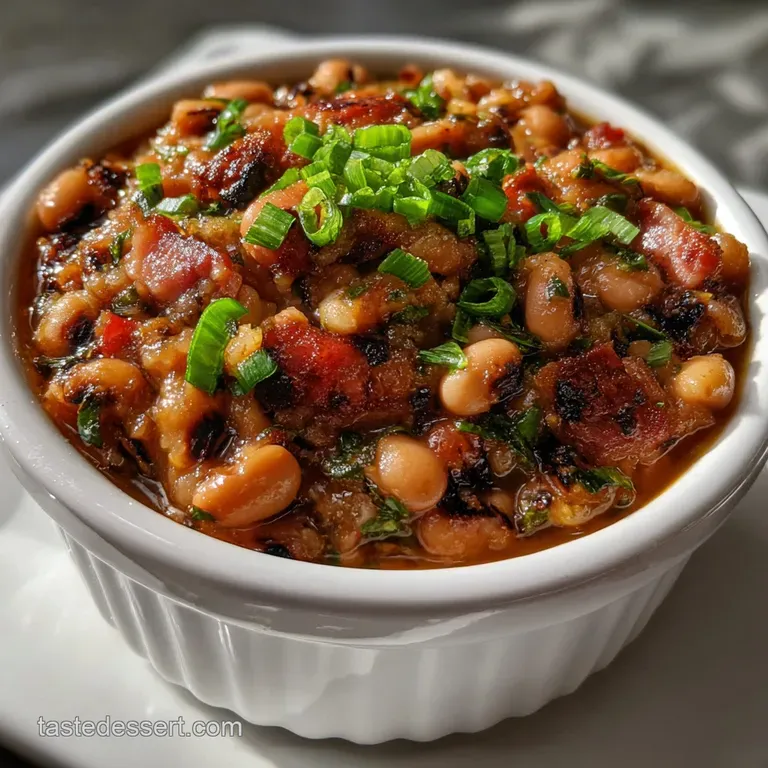
- The Prosperous Pot: Classic Smoky Hoppin' John (A New Year's Essential)
- Recipe Mastery: Why This Specific Hoppin' John Technique Works
- The Method: Step-by-Step Guide to Cooking Classic Hoppin' John
- Chef's Notes and Troubleshooting Common Hoppin' John Errors
- Practical Kitchen Guide: Serving, Storage, and Reheating
- Recipe FAQs
- 📝 Recipe Card
The Prosperous Pot: Classic Smoky Hoppin' John (A New Year's Essential)
You know that deep, comforting smell that promises warmth and good fortune? That's the aroma of perfectly cooked Hoppin John simmering away on the stove. This dish, with its earthy black eyed peas, smoky pork, and fluffy rice, is truly the backbone of Southern holiday cooking.
It’s rich, savory, and instantly transports you to a simpler place.
Honestly, this recipe is a culinary lifesaver, especially after the chaos of the holidays. The ingredients are ridiculously cheap, mostly pantry staples, yet the depth of flavor you achieve makes it feel totally luxurious.
It’s hearty enough to serve a crowd without breaking the bank or requiring three hours of active cooking.
But let’s be real: the biggest challenge is avoiding the dreaded mushy rice sludge. I’ve made that mistake a hundred times, and I finally cracked the code for a perfect, separate grained finish.
Follow these steps, and you’ll master this traditional Hoppin John and start your year off right.
The Culinary Origin Story of Black Eyed Peas in the South
Black eyed peas aren’t just delicious; they carry centuries of history and survival. Originating in West Africa, they became a crucial food source in the South, historically associated with resilience and necessity.
The traditional preparation, incorporating rice and pork, evolved over time, solidifying its place as a cornerstone of Southern cooking. This simple preparation is why Hoppin John has such universal appeal.
Why Hoppin' John is the Ultimate New Year’s Day Meal
Superstition is delicious, right? Serving Hoppin John on January 1st is believed to guarantee prosperity and luck for the entire year ahead. Every region has its slight twist on the tradition, but the core belief remains potent. If you want good fortune, you must eat those peas!
Many people enjoy making a large batch of Hoppin John to share with neighbors; sharing the luck makes it even better.
Interpreting the Ingredients: Luck, Prosperity, and Coins
The symbolism within this dish is quite charming and straightforward. The peas, small and round, represent coins. The rice, which swells as it cooks, represents increasing wealth. And if you serve it with collard or mustard greens? Those represent paper money.
So when you eat a bowl of Hoppin John black eyed peas, you’re literally consuming good luck for the next 365 days.
Recipe Mastery: Why This Specific Hoppin' John Technique Works
The secret to a knockout bowl of Hoppin John is structure and layering. We treat this like a savory risotto, but without all the aggressive stirring. We start by building a smoky fat base, ensuring our aromatics are fully softened, and giving the peas a head start before the rice even enters the pot.
Achieving the Perfect Texture: Tender Peas, Fluffy Rice
The biggest failure when making a Hoppin John recipe is adding the rice too soon. If you add the rice when the peas are still hard, the rice will absorb all the liquid and turn to mush long before the peas soften.
Always cook the peas until they are almost tender (about 80% done) before introducing the rice. And remember to rinse that rice! Starch is the enemy of fluffy grains.
| Ingredient | Why This Step Matters | Substitution Tip |
|---|---|---|
| Dried Peas | Must be soaked for even cooking and easier digestion. | Use canned black eyed peas, but reduce stock by 2 cups and decrease cooking time significantly ( 20 mins total). |
| Stock | Provides deeper savory flavour than plain water. | If using water, boost seasoning with vegetable bouillon powder or extra salt pork. |
| Bacon Fat | Creates the essential smoky, fatty foundation. | Use smoked ham hocks or substitute with olive oil + smoked paprika for vegetarian Hoppin John . |
The Science of Smoke: Layering Flavor Without Overpowering
We use bacon, but we render it first . This pulls out the pure, beautiful pork fat, which we then use to sauté our onions and celery. That fat becomes the vehicle for all the other aromatics. If you just toss everything in at once, the smoke doesn't permeate the vegetables nearly as well.
That initial sizzle and nutty scent is critical for complex flavor in this Southern Hoppin John recipe .
Chef's Note: Don't throw away those crispy bacon bits! Set them aside and use them as a crunchy garnish right before serving. They add a perfect textural contrast to the soft peas and rice.
Balancing Acidity and Richness (The Role of Vinegar)
A great Hoppin John needs a little zing to counteract the smoke and earthiness. This is where a splash of vinegar comes in, usually via hot pepper sauce. Trust me, acidity is not just for salads. A bright counterpoint elevates the entire dish.
Add a tiny splash of apple cider vinegar or a hit of Louisiana style pepper sauce right at the end to make the flavors pop.
The Smoked Pork Foundation: Ham Hocks vs. Bacon
While I love the speed and simplicity of bacon (it's easy to render and dice), a traditional, slow cooked Hoppin John really shines when using a smoked ham hock. The hock needs a longer simmer time to break down, lending a beautiful, gelatinous body to the broth that bacon simply can't achieve.
If you go the hock route, simmer it with the peas and stock until the meat is falling off the bone, then shred the meat back into the pot before adding the rice.
The Method: step-by-step Guide to Cooking Classic Hoppin' John
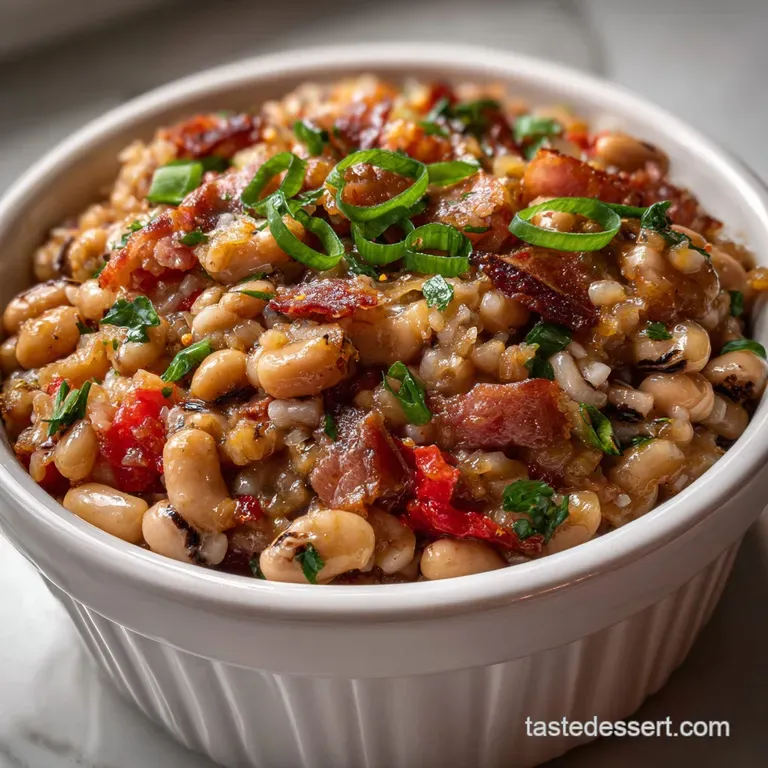
This is exactly how to make Hoppin John that will make your grandmother proud.
Step 1: Sautéing Aromatics and Rendering the Pork Fat
Start by dicing your bacon and tossing it into your Dutch oven over medium heat. You want it to sizzle softly, slowly releasing all that golden fat. Once the bacon is crispy and set aside, add your diced onion and celery.
Sauté them until they are glistening and translucent about 5 minutes. The air should smell sweet and savory. Now, add the minced garlic and thyme, cooking for just one minute more until you get that powerful, nutty aroma.
Step 2: Simmering the Peas for Ideal Tenderness (Pre-Rice)
Pour in your soaked, rinsed black eyed peas along with the stock and water. Bring everything up to a rolling boil, then immediately turn the heat down low, low, low. This is where patience is key. Cover it tightly and let those peas simmer for 30 minutes.
Do not stir frequently ; stirring breaks the peas down and leads to a cloudy, less appealing final texture. After 30 minutes, season aggressively with salt and pepper; remember, this liquid needs to season everything else!
Step 3: Integrating the Rice Without Sacrificing Fluff
Give the pot a very gentle stir, just to check the tenderness of the peas. If they are slightly firm but definitely chewable, they are ready for the rice. Now, stir in your well rinsed long grain white rice. Ensure the liquid level sits about an inch above the peas and rice mixture.
Cover the pot again, ensuring the lid is absolutely snug, and turn the heat to the lowest possible setting. Cook for exactly 15 minutes.
Step 4: The Final Rest and Seasoning Adjustments
This step is arguably the most important when making good Hoppin John . Turn the heat completely off. Do NOT lift the lid. Let the whole glorious pot sit, covered, for 10 minutes.
The residual steam will finish cooking the rice, ensuring every grain is separate and fluffy. When you finally lift that lid, remove the bay leaves, fluff gently with a fork, taste again, and add that crucial splash of hot sauce or vinegar for brightness.
Chef's Notes and Troubleshooting Common Hoppin' John Errors
When you are learning how to make Hoppin John, mistakes happen. I once scorched the bottom because I didn't turn the heat low enough! Here are the common failures and how to fix them.
Preventing Mush: The Danger of Over Stirring
Once the rice is added, think of the pot as a tiny sauna. The steam is necessary for the rice to cook perfectly. Stirring constantly will break up the delicate peas and release too much starch, turning your beautiful Hoppin John into a sticky paste.
Only stir when adding ingredients, and fluff only at the very end.
Flavor Depth: When and How to Add Salt and Pepper
Salt must be added when the peas are simmering (Step 2) because it needs time to penetrate the peas. If you wait until the end, you'll have salty rice and bland peas. Use kosher salt, and err on the side of slightly over salting the liquid initially, as the rice absorbs a ton of seasoning.
Practical Kitchen Guide: Serving, Storage, and Reheating
Perfect Pairings: What to Serve Alongside Your Bowl of Prosperity
For a complete Southern experience, you absolutely must serve this dish with a side of vinegary braised collard greens (representing money!) and a generous wedge of freshly baked, slightly sweet cornbread. The cornbread is wonderful for soaking up any remaining pot liquor. And if you're looking for something that offers a stark, rich contrast, a hearty meat and potato dish, maybe like a simplified version of John Wayne Casserole Recipe: A Tex-Mex Cowboy Classic! , would round out a huge feast.
How Long Does It Last? Storage Guidelines for Cooked Peas and Rice
Like most bean and rice dishes, Hoppin John keeps wonderfully. Store leftovers in an airtight container in the refrigerator for up to 4 days. The flavors actually meld beautifully overnight, making day two sometimes even better than day one!
Best Practices for Freezing and Reheating Leftovers
Yes, you can freeze this! If you anticipate freezing large quantities, try to slightly undercook the rice, as freezing and reheating can sometimes soften the grains further. Cool the mixture completely before sealing it in freezer safe bags or containers. It will last up to 3 months.
To reheat, thaw overnight and gently warm in a saucepan, adding a splash of stock or water to prevent drying out.
Does this dish always need smoked pork?
No, but the smoke is essential for the flavour profile of traditional Hoppin John . If you skip the pork for a vegetarian version, you must compensate with smoked paprika, liquid smoke, or fire roasted tomatoes to maintain that characteristic depth.
What is the traditional acidic accompaniment to this recipe?
Vinegar! Specifically, a dash of vinegar based hot sauce or straight apple cider vinegar right before serving is traditional. It cuts the richness of the pork fat and brightens the earthy peas.
Why is my black eyed pea mixture too thick or too watery?
If your Hoppin John is too thick, you likely simmered it too long without enough liquid, or the rice wasn't rinsed well enough. If it's too watery, you added too much stock, or you lifted the lid too early during the steaming process, which prevented the rice from absorbing the remaining liquid.
Next time, measure your stock precisely and trust the 10 minute resting period!
I hope this traditional Hoppin John recipe brings you all the luck and flavour you could ask for this year! Enjoy!

Recipe FAQs
Why did my Hoppin' John turn out mushy or gluey instead of fluffy?
This usually happens from overmixing the dish or adding the rice too early before the peas are tender. Ensure the water-to-rice ratio is precise, and allow the mixture to simmer undisturbed until the liquid is fully absorbed, which prevents the starch from releasing excessively.
If you suspect overcooking, remove the pot from the heat immediately and let it rest, covered, for 10 minutes before serving.
Can Hoppin' John be prepared completely vegan or vegetarian?
Absolutely. The traditional smoky flavor can be replicated using generous amounts of smoked paprika, a small dash of liquid smoke, or by sautéing finely chopped mushrooms with the aromatics. Instead of cooking the peas in water, use a rich vegetable broth to deepen the overall flavor profile.
What is the best way to store and reheat leftover Hoppin' John?
Store leftovers in an airtight container in the refrigerator for up to 4 days; freezing is possible but the rice texture may suffer slightly upon thawing. When reheating, add a tablespoon or two of water or broth per serving, as the rice absorbs moisture during cooling and this helps prevent it from drying out.
Use the stove top on low heat or the microwave until heated through.
Is it necessary to soak the black eyed peas before cooking them?
While not strictly necessary, soaking the black eyed peas overnight significantly reduces the cooking time, often by about 30 minutes, and helps them cook more evenly. If you skip soaking, ensure you rinse them thoroughly and increase the overall liquid volume slightly during the simmer to compensate for the absorption.
If using canned peas, simply rinse them and reduce the cooking time significantly.
What is the recommended cut of smoked pork for the best authentic flavor?
A smoked ham hock or residual bacon fat provides the most authentic, deep smoky flavor and richness required for traditional Hoppin' John. If those cuts are unavailable, quality thick cut bacon or smoked turkey wings can be substituted effectively.
Always remember to render the fat slowly at the beginning of the cooking process to build the foundational flavor base.
Can I substitute brown rice for white rice in this recipe?
Yes, but you must significantly adjust the cooking time and liquid ratio to accommodate it. Brown rice requires a longer simmering time, typically 45 55 minutes, and usually needs about 1.5 times the amount of liquid compared to standard long grain white rice.
Ensure the peas are nearly done before adding the brown rice to prevent the peas from becoming excessively soft.
What are the traditional accompaniments served alongside Hoppin' John?
Hoppin' John is classically served alongside cooked collard greens, representing paper money, and cornbread, representing gold, both eaten for financial good fortune. A splash of vinegar based hot sauce, like Texas Pete or Tabasco, is also customary and highly recommended for cutting through the richness.
Classic Smoky Hoppin John Recipe
Ingredients:
Instructions:
Nutrition Facts:
| Calories | 459 kcal |
|---|---|
| Protein | 23.4 g |
| Fat | 7.3 g |
| Carbs | 72.9 g |
