The Chefs Classic Glazed Baked Ham Sticky Sweet Festive
Elevating the Holiday Centrepiece: Why This Glazed Ham Stands Apart
A perfectly cooked ham is more than just a roast; it is the cornerstone of holiday gatherings, whether serving as the spectacular Ham For Christmas Dinner or the welcoming main course for the Best Thanksgiving Ham .
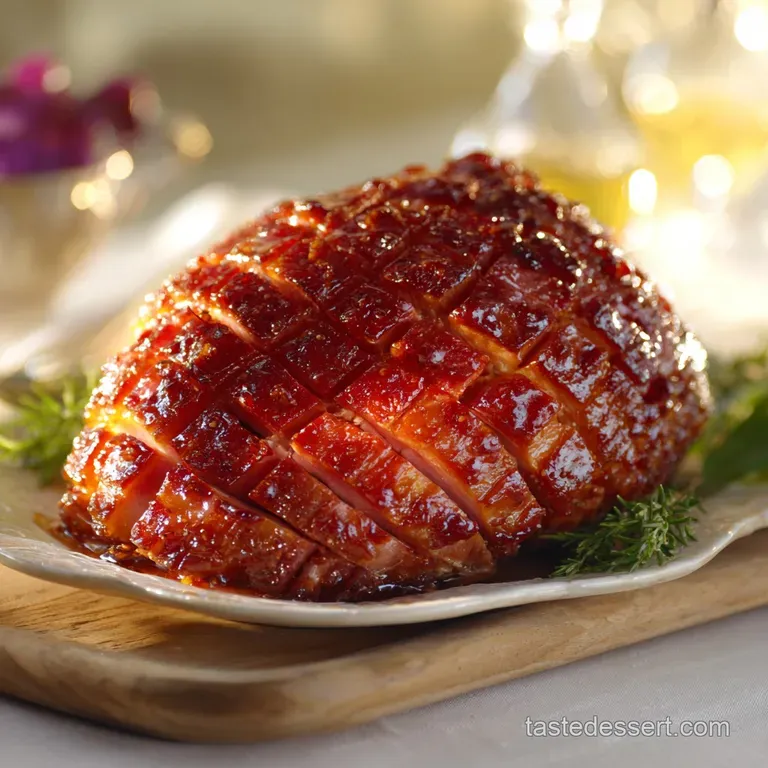
Achieving the pinnacle of this classic dish hinges not on complex technique, but on precision timing and a truly exceptional coating. Our method guarantees a succulent Baked Ham with a crust so glossy and sticky, it transforms the meal from simple Sunday fare into a truly memorable event.
We rely on time tested principles for moisture retention, coupled with an aromatic glaze that balances sweetness with necessary acidity and warmth, ensuring every slice is both moist and profoundly flavorful.
Why This Sticky Glaze is Superior to store-bought Kits
Forget the thin, often overly artificial packets that accompany many store-bought hams. The key to mastering Glazed Ham lies in building layers of deep flavor. Our glaze utilizes the molasses richness of dark brown sugar and the viscous sweetness of runny honey.
These are expertly cut by sharp Dijon mustard and apple cider vinegar, preventing the final product from tasting cloyingly sweet. On top of that,, the slow simmering and reduction process we employ concentrates these aromatics, yielding a thick, sticky coating that caramelizes beautifully without running off the meat during the final bake.
This deep reduction creates a sticky, lacquer like crust that simply cannot be replicated by pre-mixed powders.
Decoding the Labels: Bone-In vs. Boneless Hams (and Which to Choose)
When selecting your meat, you will primarily encounter two options. A bone-in ham which we recommend offers significantly more flavor and better texture retention during the long cooking process. The bone acts as an insulator, resulting in moister meat.
For ease of carving and optimal glaze penetration, a pre-cooked, bone-in, smoked ham weighing around 7 to 8 pounds, ideally spiral cut, is the perfect choice for this recipe. While spiral cut hams are already pre-sliced, they still require the same careful attention to moisture control.
If you opt for a boneless variety, be aware that the cooking time will be slightly shorter, but the risk of dryness increases.
Calculating Portions: How Much Meat Do You Really Need for a Crowd?
Accurately calculating the amount of ham required for your gathering prevents both scarcity and excessive waste. For a bone-in ham, a good rule of thumb is to calculate approximately 1/2 pound (about 225g) of meat per serving.
Our specified 8-pound ham, therefore, comfortably serves 14 to 16 guests, allowing for ample leftovers which are essential for post holiday feasting. If you are opting for a boneless cut, you can reduce this estimate to 1/3 pound per person, as there is no bone weight to factor in.
Crafting the Ultimate Aromatics for Your Baked Ham Glaze
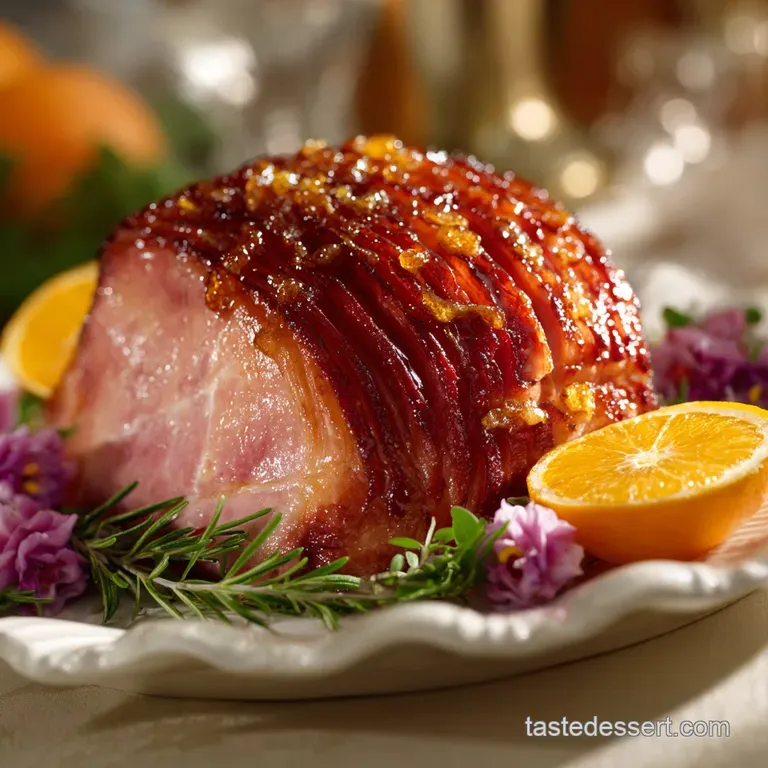
The magic of truly great baked ham recipes lies entirely in the coating. While the ham itself is merely being reheated, the glaze is where we infuse it with festive complexity.
Preparing the aromatics is an active, yet highly rewarding, part of the How To Cook A Ham In The Oven journey.
Pantry Staples and Specialty Items Required for the Coating
Our ginger kissed coating requires a blend of standard pantry items and a few specialty ingredients to create depth. You will need one cup of packed dark brown sugar and half a cup of runny honey (or maple syrup) to establish the sticky base.
The critical balancing agents are a quarter cup of Dijon mustard and two tablespoons of apple cider vinegar, which provide the essential acidity. Finally, a teaspoon of bright orange zest contributes a lift, enhancing the warmth of the fresh ginger.
These ingredients are simmered gently in a small saucepan until they reduce and thicken, concentrating their intense, aromatic profile.
Essential Tools for Scoring and Basting
Having the right tools ensures success and safety. A large roasting pan fitted with a V-rack or standard wire rack is necessary to lift the ham out of its accumulating juices, ensuring the bottom surface can also caramelize slightly.
A sharp chef’s knife is non-negotiable for executing the precise diamond scoring technique. Crucially, a reliable instant read meat thermometer is vital; since the ham is pre-cooked, we are simply heating it to a safe and succulent serving temperature, making accurate internal readings essential for preventing dryness.
Finally,, a sturdy silicone or natural bristle basting brush is required for evenly distributing the glaze.
Ingredient Spotlight: Why Fresh Ginger is a Flavor Game Changer
Many traditional glazes focus solely on molasses and spice (like cinnamon or nutmeg), which can often make the dish feel heavy. The inclusion of one tablespoon of finely grated fresh ginger is an unconventional but inspired choice.
Ginger introduces a clean, slightly pungent heat that cuts through the intense sweetness of the brown sugar and honey, offering unexpected depth. It doesn't overpower the pork; instead, it provides a warm, lingering finish that truly elevates this dish above simple sweet fare.
Related Recipes Worth Trying
- Foolproof Baked Crack Chicken Spaghetti Casserole Ready in 1 Hour — This is the ultimate rich Cheesy Chicken Spaghetti bake Our Crack Chicken Spaghetti recipe combines bacon ranch and cream cheese into a golden gooey...
- The Secret to Truly Crispy Oven Baked Chicken Wings with Buffalo Glaze — Get seriously crispy Oven Baked Chicken Wings using the baking powder trick Perfect for Friday nights or party food platters Foolproof crunchy and tossed in...
- Ultimate Baked Broccoli Macaroni and Cheese Recipe with Panko Crunch — The ultimate comfort food This baked broccoli macaroni and cheese is elevated with a silky Gruyère Mornay sauce and a buttery Panko crust Pure cheesy goodness
step-by-step Mastery: Achieving a Perfectly Moist Baked Ham
The process of preparing a Christmas Ham Recipes Ovens requires a careful two-stage approach: a low, slow, covered warm-up followed by a high heat glazing stage.
The total estimated cooking time for an 8-pound ham is about 1 hour and 45 minutes to 2 hours.
Prepping the Meat: The Precision Diamond Scoring Technique
If your ham is not spiral cut, you must score the fat layer. Using your sharp knife, make parallel cuts across the fat cap, spaced about 1 inch (2.5 cm) apart, cutting about 1/4 inch (6 mm) deep without penetrating the meat itself. Repeat this process diagonally to create an attractive diamond pattern.
This technique not only provides surface area for the glaze to adhere to and pool in, but also allows the fat to render slightly. For a fantastic aromatic infusion, you may choose to insert a whole clove into the center of each diamond.
Place the ham cut-side down on your prepared rack in the roasting pan, and pour 1 cup of water or cider into the pan base; this liquid creates steam, acting as a crucial moisture lock during the initial phase.
The Initial Bake: Ensuring Internal Temperature is Safely Met
Preheat your oven to 325° F ( 160° C). Tent the ham loosely with aluminum foil, ensuring the foil doesn't touch the glaze if you are using a spiral cut ham that may have some initial coating. This step is critical for moisture control.
Bake for approximately 60 to 75 minutes, or until the internal temperature registers 120° F ( 50° C).
This slower initial bake ensures the meat warms evenly from the center outward, preparing it perfectly for the high heat glaze application.
Applying the Glaze: Timing and Temperature for Maximum Caramelization
Once the ham reaches 120° F ( 50° C), remove the foil and increase the oven temperature to 375° F ( 190° C). Now it’s time to apply the glaze.
Remember the golden rule: reserve half of your reduced glaze mixture. This ensures clean flavor and prevents the basting brush from cross contaminating the entire batch with pan drippings. Brush the ham generously with the first half of the glaze.
Return the ham to the oven uncovered and continue baking, basting every 10 to 15 minutes with the reserved portion of the glaze. This final cooking stage takes about 30 to 45 minutes.
The ham is perfectly finished when the internal temperature reaches a safe 140° F ( 60° C) and the crust is deeply golden, sticky, and highly caramelized. If the glaze begins to brown too quickly, simply tent it loosely with foil for the last few minutes.
The Critical Resting Period: Locking in Juices Before Serving
This is the step most home cooks rush, yet it is arguably the most important for ensuring a succulent result. Once the ham reaches 140° F, immediately transfer it to a large cutting board.
Tent it loosely with foil and allow it to rest undisturbed for at least 20 minutes. During this period, the internal heat disperses and the muscle fibers relax, allowing the juices which have migrated to the center during cooking to redistribute throughout the entire roast.
Cutting the meat too soon will result in a dry texture as the juices leak onto the board.
Troubleshooting and Variations: Mastering Your Next Baked Ham
Even experienced cooks encounter minor snags. Knowing how to adjust in real time ensures your Baked Ham is always a triumph.
Solving Common Issues: Dryness, Burning, and Glaze Consistency
The primary pitfall when reheating a pre-cooked ham is dryness. If you notice the meat looking dull during the initial bake, ensure you have liquid in the pan base and that the ham is securely tented with foil.
If your glaze begins to burn during the final stage (due to the high sugar content), reduce the oven temperature slightly and tent the top with foil while allowing the lower sides to continue caramelizing.
If your glaze seems too thin after simmering, simply return it to the stovetop and reduce it gently for an additional 5 to 10 minutes until it coats the back of a spoon thickly.
Repurposing Leftovers: Creative Recipes Beyond Sandwiches
One of the great joys of roasting a large ham is the wealth of flavorful leftovers. Beyond the classic post holiday sandwiches, the remaining meat can be diced and incorporated into satisfying dinners. Think flavorful ham and white bean soup, added to pasta dishes like a carbonara, or chopped into breakfast omelettes.
Remember to reserve the bone; it makes an incredible base for deeply smoky, savory stocks or split pea soup.
Beyond Brown Sugar: Alternative Glaze Ideas for Different Palates
While the ginger Dijon glaze is our classic recommendation, feel free to adapt the base to suit your palate. For those seeking a deeper, more robust flavor, try substituting the honey and cider vinegar with maple syrup and 1/4 cup of good quality bourbon whiskey for a Smoky Maple Bourbon glaze.
Alternatively, if you prefer a brighter, more retro twist, swap the ginger and mustard for crushed, drained pineapple and a little Maraschino cherry juice.
Proper Storage and Freezing Methods for Cooked Ham
Understanding What To Eat With Glazed Ham is important, but knowing how to store the remnants is equally crucial. Cooked ham should be stored in an airtight container and refrigerated, where it will keep well for 3 to 4 days.
If you have a significant amount of meat left, ham freezes exceptionally well. Slice or dice the meat, place it in heavy duty freezer bags or vacuum seal it, and freeze for up to three months. Thaw slowly in the refrigerator before using in future meals.

Recipe FAQs
My biggest fear is a dry ham! How do I guarantee my Baked Ham stays moist and tender?
Moisture control is absolutely non-negotiable for a showstopper ham. The secret is twofold: always start the bake by tenting the ham loosely with aluminium foil, and ensure you pour that cup of water or cider into the roasting pan.
This creates steam, preventing the pre-cooked meat from drying out before you even apply the glaze. Crucially, allow the ham to rest for 20 minutes before carving; this lets the internal juices redistribute, keeping the meat succulent.
Since the ham is pre-cooked, what temperature does my Baked Ham need to reach to be safe and ready?
Since the ham is already cured and smoked, we are essentially just reheating it to a safe serving temperature. You are aiming for an internal temperature of 140°F (60°C). Use a reliable instant read thermometer, sticking it into the thickest part of the meat, avoiding the bone.
Hitting this temperature ensures the ham is hot throughout while keeping the meat tender and ready for its sticky glazed finish.
Help! My sticky glaze went from deeply caramelised to burnt charcoal in the final minutes. What went wrong?
Ah, the classic sugar dilemma! The high sugar content in our glaze makes it prone to rapid burning once the oven is cranked up to 375°F (190°C). The trick is constant vigilance and basting every 10 15 minutes during the final phase.
If you notice the top browning too aggressively, simply tent the ham lightly with foil for the last 10 minutes to protect that beautiful crust while the rest of the ham finishes cooking.
I’m hosting a massive Boxing Day lunch. Can I prepare the glaze or the ham ahead of time, and how long do the leftovers keep?
Absolutely! The glaze is perfect for prepping ahead; make it up to three days in advance and keep it sealed in the fridge. For leftovers, carve any remaining ham off the bone and store it in an airtight container for 3 to 4 days.
Cooked ham also freezes beautifully for up to two months perfect for future soups or quick sandwiches.
I love the sound of the ginger, but I don’t have Dijon mustard. Is there a good substitution for the glaze?
Dijon provides crucial sharpness to cut through all that lovely sweetness. If you're out, a good quality smooth English Mustard will work perfectly, though you might want to reduce the quantity by a smidge as it can be quite potent!
Alternatively, a spicy brown mustard offers a decent flavour depth without overpowering the ham's smoky notes.
Classic Sticky Baked Ham Glaze
Ingredients:
Instructions:
Nutrition Facts:
| Calories | 300 kcal |
|---|---|
| Protein | 1.9 g |
| Fat | 1.5 g |
| Carbs | 19.8 g |
| Fiber | 0.1 g |
| Sodium | 161 mg |
