Coconut Flour Muffins: the Ultra-Fluffy, Low-Carb Cloud Recipe
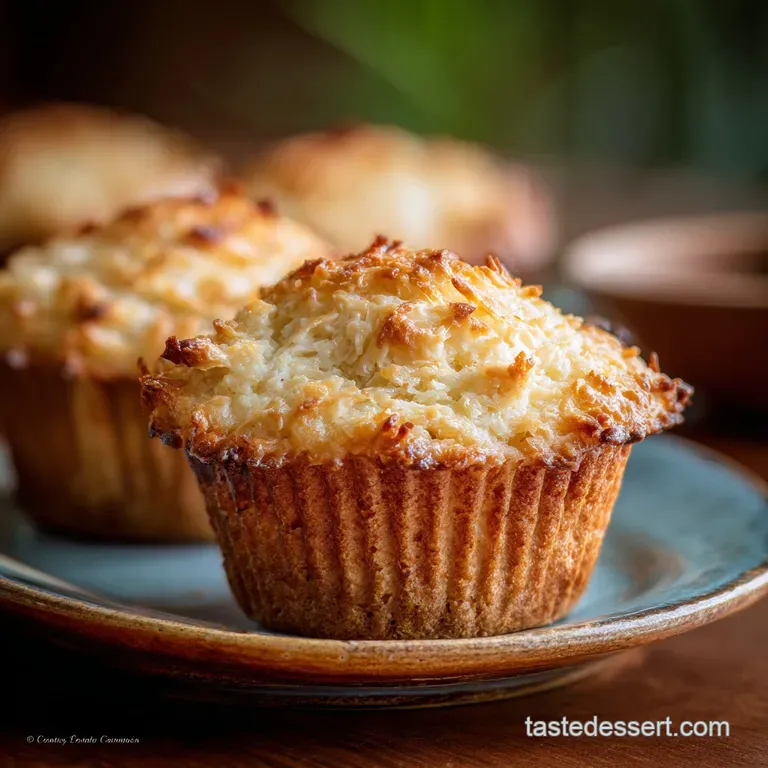
- Beyond Dense: Mastering the Fluffy Coconut Flour Muffin
- The Secret to Ultra-Moist Texture: Eggs, Fat, and Resting Time
- Gather Your Cloud-Building Ingredients for Coconut Flour Muffins
- Baking Fluffy Coconut Cloud Muffins: A Step-by-Step Guide
- Expert Tips for Successful Coconut Flour Muffins (Troubleshooting Common Issues)
- Storing and Freezing Your Baked Coconut Cloud Muffins
- Elevated Serving Suggestions and Flavor Variations
- Baking FAQ: Decoding the Science of Coconut Flour
- Recipe FAQs
- 📝 Recipe Card
Beyond Dense: Mastering the Fluffy Coconut Flour Muffin
Okay, stop what you are doing, because I need you to smell this. The aroma of freshly baked vanilla and coconut filling your kitchen is honestly intoxicating. These Coconut Cloud Muffins aren't just baked goods; they are little pockets of tender, fluffy joy that melt immediately on your tongue.
We all know the disaster that happens when we try to bake with coconut flour it often results in a brick, right? Forget that dense nonsense. This recipe is fast, uses minimal ingredients you probably already have, and miraculously, it works perfectly the first time.
It’s also naturally gluten-free and shockingly low-carb, which makes it my morning hero.
After years of trial and error (and eating many regrettable dry pucks), I finally figured out the secrets to moisture and lift. We are going to treat this flour differently than wheat. Grab your measuring cups, friend. Let's make some glorious Coconut Flour Muffins.
The Secret to Ultra Moist Texture: Eggs, Fat, and Resting Time
Why Coconut Flour is Different (The Fiber Factor)
Coconut flour is insanely absorbent. It’s mostly fiber, meaning it acts like a tiny, demanding sponge that soaks up every drop of liquid in your recipe, which is exactly why most standard muffin ratios fail dramatically. That extreme absorption rate is our biggest challenge, but it’s also the key to keeping these Healthy Blueberry Muffins: Reduced Sugar, High Protein Greek Yogurt Recipe recipes light and airy. We have to flood the batter with liquid to compensate.
The Low-Carb, gluten-free Advantage of These Muffins
The amazing thing about baking with coconut flour is that we instantly eliminate grains and dramatically slash the carb count without trying too hard. Because we aren't using traditional flour, these muffins are perfect for keto diets or anyone with gluten sensitivities.
They are a genuinely guilt free grab and go snack, unlike those bakery sugar bombs.
Quick Overview of the Muffin Method for Beginners
The muffin method is super simple: dry ingredients in one bowl, wet in another, then combine quickly. We are adapting this classic approach slightly by making the wet mixture exceptionally rich and giving the batter a mandatory time out. Do not overmix. A few lumps are fine, seriously.
Maximizing Moisture: The Role of Eggs and Melted Fats
Eggs are the backbone of coconut flour baking. Since the flour lacks gluten, eggs provide all the necessary structure and act as the main liquid source, providing crucial proteins that stabilize the batter.
We are also using melted butter, which coats the flour particles evenly and prevents them from drying out during the bake.
The Essential 10 Minute Batter Rest (Why We Don't Skip It)
This is the non-negotiable step that separates my recipe from the dense failures you might have tried before. Once you mix the wet and dry ingredients, you must let the batter sit for five to ten minutes. This mandatory rest allows the coconut flour to fully hydrate and swell up before baking.
Skipping the rest guarantees dry, sandy muffins.
Balancing Sweetness in Low-Carb and Keto Baking
If you are following a keto diet, using granulated erythritol or a monk fruit blend works beautifully here. These alternative sweeteners don't impact the muffin's texture the way liquid syrups might. If you love a spiced muffin, like my recipe for Libbys Pumpkin Muffins: The Perfectly Spiced, Moist Classic Recipe , adding a tiny pinch of cinnamon helps boost the perception of sweetness.
Gather Your Cloud Building Ingredients for Coconut Flour Muffins
| Ingredient | Role | Substitution Tip |
|---|---|---|
| Coconut Flour | Fiber & Structure | No 1:1 substitute. If subbing, the egg/liquid ratio changes completely. |
| Large Eggs (5) | Liquid & Leavening | Use flax eggs (5 tbsp flaxseed meal + 15 tbsp water) for egg-free, but expect a slightly denser crumb. |
| Sweetener | Flavour | Use honey, maple syrup, or granulated sugar for a non-keto swap. |
| Melted Butter | Fat & Moisture | Refined coconut oil or mild olive oil works perfectly for dairy-free. |
| Milk | Extra Liquid | Any non-dairy milk (almond or coconut beverage) is fine. |
Detailed Notes on Accurate Coconut Flour Measurement
Listen up, measuring coconut flour is not like measuring wheat flour. If you scoop it straight from the bag, you will pack it down and use too much. Too much flour means instant dryness. Always lightly spoon the coconut flour into your measuring cup and level it off with a straight edge.
Trust me, precision matters here more than usual.
Choosing the Right Sweetener for Low-Carb Diets (Erythritol vs. Stevia)
I prefer granulated erythritol because it mimics sugar’s bulk, which helps the final structure of the muffin. Stevia drops are potent, but they don't add volume, which can lead to a flatter product. If you are using a non-sugar sweetener, make sure it measures 1:1 with sugar for best results.
Essential Liquid Sources (Milk, Heavy Cream, or Coconut Milk)
We need a little extra moisture beyond the eggs. Full fat milk gives the richest result, but feel free to use unsweetened almond milk or coconut milk from a carton. Heavy cream will give you a slightly fattier, more decadent muffin, but adjust your total liquid volume carefully if using it.
Why a Generous Amount of Eggs is Non-Negotiable
Five large eggs might seem like a lot for only half a cup of flour, right? But remember, those eggs are what prevent these from turning into tiny rocks. They provide the necessary fat, the necessary moisture, and the necessary structure.
Don't skimp, and make sure they are room temperature so they emulsify smoothly with the melted butter.
Baking Fluffy Coconut Cloud Muffins: A step-by-step Guide
Prepping the Dry Ingredients for Optimal Consistency
Preheat the oven to 375°F (190°C) and line your muffin tin with liners. In your first bowl, combine the accurately measured coconut flour, sweetener, baking powder, and salt. Give this a really good whisk for about 30 seconds.
This is critical for distributing the baking powder, ensuring an even lift throughout.
Integrating the Wet Ingredients (Avoiding Overmixing the Batter)
In your second, larger bowl, whisk those five room temperature eggs until they are frothy and slightly pale. Next, stream in the cooled, melted butter, milk, and vanilla. Once that’s combined, pour this wet mixture directly into the dry ingredients.
Use a rubber spatula and mix only until you see no streaks of dry flour left. That’s it! Stop mixing right there.
Chef's Note: If you notice your melted butter seizing up and forming solid chunks when you add it to the eggs, your eggs were too cold. This is why room temperature is vital!
Filling the Liners: Achieving the Perfect Muffin Dome
Now for the mandatory pause. Set your bowl aside and let the batter rest for 5 minutes. You will watch it visibly thicken during this time as the coconut fiber absorbs the liquid. Use an ice cream scoop to divide the batter evenly among the 12 lined cups.
Fill them roughly two-thirds full; they will rise nicely! If you want to add mix-ins, like a handful of fresh blueberries (1/4 cup total), gently fold them in after the batter has rested.
The Perfect Bake: Oven Temperature and Timing Checks
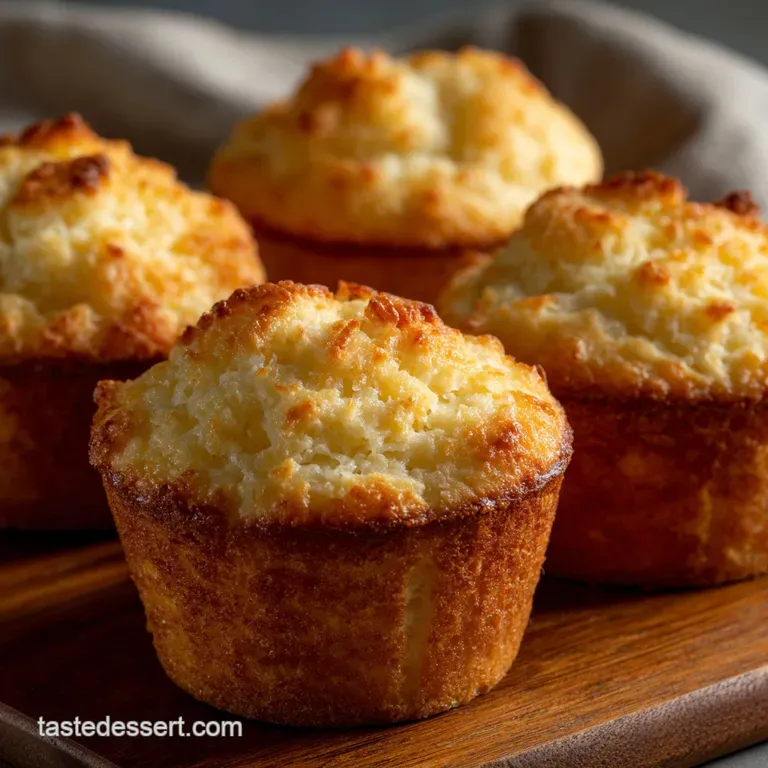
Bake at 375°F (190°C) for 20– 22 minutes. I like to rotate the pan halfway through the bake to ensure even browning. You’re looking for golden brown tops that spring back lightly when touched.
Test the centre of one muffin with a toothpick; if it comes out clean or with a few moist crumbs, they are done. Get them out immediately and let them cool on a wire rack!
Expert Tips for Successful Coconut Flour Muffins (Troubleshooting Common Issues)
Why Your Muffins May Be Dry (And How to Fix Them)
There are three common culprits for dryness. First, you over measured the coconut flour (see spoon and level tip). Second, you skipped the 5 minute rest period. Third, you overbaked them. Coconut flour recipes go from moist to sawdust in about 90 seconds in a hot oven.
If you suspect your oven runs hot, take them out a minute early.
The Critical Importance of Using Room Temperature Eggs
If your eggs are straight from the fridge, they will cause the melted fat (butter or oil) to solidify when combined. This leads to a lumpy, inconsistent batter where the fat can’t properly disperse to coat the flour, resulting in a tough crumb structure.
I forgot this step once, and my muffins looked like dry sponges. Never again.
Adjusting for Altitude in Baking
High altitude baking requires small adjustments, mostly because leavening agents work faster. If you bake above 3,500 feet, try reducing the baking powder by about 1/4 teaspoon, and possibly increasing the liquid (milk) by 1 tablespoon.
You might also need to increase the oven temperature slightly to set the structure faster.
Storing and Freezing Your Baked Coconut Cloud Muffins
Short Term Countertop Storage Guidelines
Once these glorious Coconut Flour Muffins are completely cool, store them in an airtight container at room temperature for up to 2 days. Because they are so moist, they tend to spoil faster than traditional flour muffins. If you need them to last longer, the fridge is your friend.
Best Method for Freezing Coconut Flour Muffins Long Term
Yes, they freeze beautifully! This is my preferred storage method. Wrap each cooled muffin individually in plastic wrap, then place all the wrapped muffins in a large freezer bag, squeezing out all the excess air. They stay fresh for up to three months.
Reviving Frozen Muffins for Freshness
To reheat, unwrap the frozen muffin and microwave it for 30 45 seconds until warm. If you have time, my favorite method is wrapping them loosely in foil and heating them in a 300°F (150°C) oven for about 10 minutes.
This reactivates the moisture and makes them taste practically fresh baked.
Elevated Serving Suggestions and Flavor Variations
Elevated Flavor Variations
Want to spice things up? Coconut flour is an amazing base for customization!
- Zesty Citrus: Add 1 tablespoon of fresh orange or lemon zest to the wet ingredients.
- Chocolate Chip: Fold in 1/4 cup of sugar-free chocolate chips (or regular chips) after the batter rests.
- Nutty Crunch: Sprinkle the tops with chopped pecans or walnuts before baking. This works especially well if you enjoy the texture contrast found in my Zucchini Muffins: The Best Easy Recipe for Moist, Spiced Pecan Treats .
- Blueberry Delight: Gently fold in 1/4 cup of fresh or frozen blueberries (do not thaw frozen berries first).
Serving Suggestions
I love serving these for breakfast with a strong cup of coffee. You can also slice them horizontally and toast them lightly. Try spreading them with a dollop of cream cheese mixed with a tiny bit of sweetener and vanilla it feels incredibly decadent.
They are also fantastic with just a simple slather of melted butter!
Baking FAQ: Decoding the Science of Coconut Flour
Why Your Muffins May Be Dry (And How to Fix Them)
If you find your Coconut Flour Muffins are dry, it’s almost always a ratio problem. Coconut flour needs an enormous amount of eggs and liquid. The fix for the future is twofold: be precise with measurement (spoon and level, always) and never skip the crucial resting time.
The Critical Importance of Using Room Temperature Eggs
Cold eggs shock melted fats, causing them to clump up and distribute unevenly throughout the batter. Warm eggs, however, emulsify properly with the fat, ensuring a smooth, uniform batter that results in a tender, high rise muffin. Just leave them out for 30 minutes before you start prepping.
Adjusting for Altitude in Baking
At high altitudes, gas expands faster, so baked goods can rise too quickly and then collapse. If you are struggling with sunken tops, try reducing the leavening agent (baking powder) slightly and increasing your oven temperature by about 25°F (14°C) to set the structure faster.
Short Term Countertop Storage Guidelines
Store these in an airtight container at room temperature. Because they are grain free and rich in fat, they stay fresh and palatable for about 2 days. Beyond that, move them to the refrigerator to prevent molding and retain maximum freshness.
Best Method for Freezing Coconut Flour Muffins Long Term
Individual wrapping is key to prevent freezer burn and moisture loss. Use plastic wrap, then foil, and finally place them into a freezer safe bag. This triple defense system keeps them perfect for months.
Reviving Frozen Muffins for Freshness
The best way to bring them back to life is by using gentle heat. My quick fix is 30 seconds in the microwave, but for a truly fresh texture, wrap them in aluminum foil and warm them in a moderate oven (300°F/150°C) for 8 to 10 minutes.
The foil traps the steam, adding moisture back into the crumb.

Recipe FAQs
Why are my muffins dry and crumbly, even though I followed the recipe exactly?
Dryness often occurs from slight overbaking, as coconut flour continues to set rapidly even after removal from the oven. Ensure your oven temperature is accurate and check for doneness 2-3 minutes before the specified time; they should be just set and slightly golden.
Using room temperature eggs and fat also helps ensure better moisture retention and a softer crumb.
Can I substitute the large amount of eggs to make these muffins vegan?
Coconut flour recipes rely heavily on eggs for structure, volume, and to counteract the flour's intense thirst, making a direct vegan swap challenging. While you can attempt to use a combination of flax eggs and applesauce for binding, the texture and height of the resulting muffin will be significantly denser and flatter.
We recommend sourcing a dedicated vegan coconut flour recipe for optimal results.
Is the resting period (before baking) truly necessary for the batter?
Yes, the resting period is crucial for working with coconut flour. This resting time allows the flour's fiber to fully hydrate and absorb the liquids, which prevents the muffins from turning gummy or sinking during baking. A properly rested batter yields a significantly fluffier and more stable final product.
How should I store the leftover Coconut Cloud Muffins, and can I freeze them?
Once completely cooled, store the muffins in an airtight container at room temperature for up to 3 days, or refrigerate them for up to a week if your kitchen is warm. For longer storage, freeze the cooled muffins individually on a tray before transferring them to a freezer safe bag or container; they will keep well for up to three months.
What are some good flavor variations I can add to this basic low-carb recipe?
You can easily add dimension by folding in ½ cup of sugar-free chocolate chips or ⅓ cup of fresh blueberries into the finished batter before scooping. Alternatively, try adding 1 teaspoon of citrus zest (lemon or orange) along with a pinch of nutmeg or cardamom for a warm, spiced flavor profile.
Always ensure add-ins are dry before incorporating them.
Can I use regular all-purpose flour instead of coconut flour in this recipe?
No, coconut flour is highly unique and cannot be substituted directly with all-purpose or almond flour. Coconut flour absorbs about four times the liquid of traditional flour, so substituting it would require a complete overhaul of the ratios and liquid content in the recipe.
If you need a traditional flour recipe, it's best to start with one designed specifically for wheat flour.
My muffins collapsed slightly after cooling. What caused this instability?
Collapsing or sinking usually indicates that the internal structure was not fully set when the muffins were removed from the oven. Ensure the muffins pass the toothpick test, where the toothpick should come out clean.
Also, avoid opening the oven door during the last five minutes of baking, as sudden temperature drops can cause fragile structures to deflate.
Coconut Flour Muffins Recipe Low Carb
Ingredients:
Instructions:
Nutrition Facts:
| Calories | 239 kcal |
|---|---|
| Protein | 8.7 g |
| Fat | 7.8 g |
| Carbs | 33.5 g |
