Cream Cheese Pound Cake: Silky and Velvety
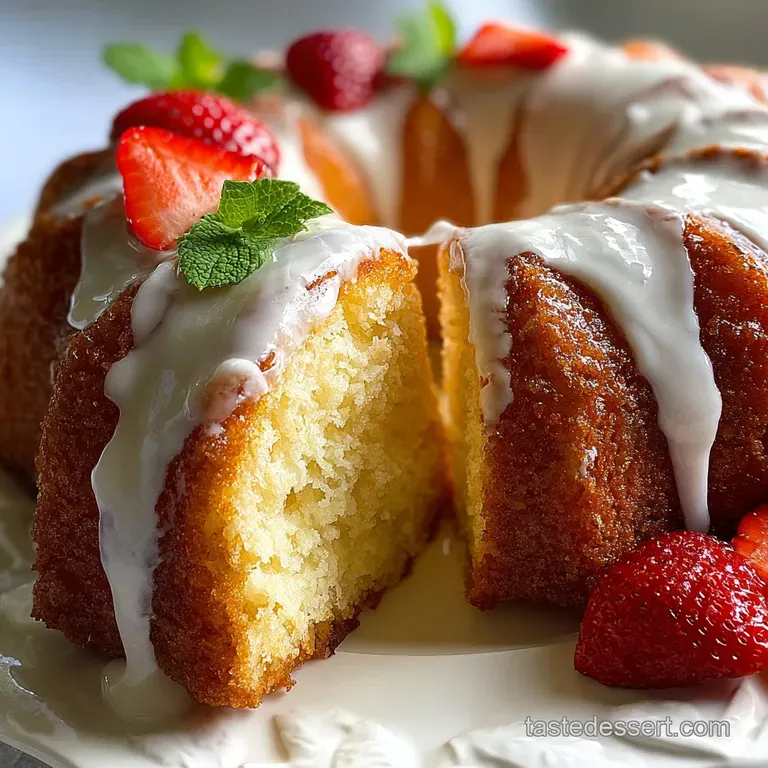
- Time: Active 20 minutes, Passive 1 hour 15 mins, Total 1 hour 35 mins
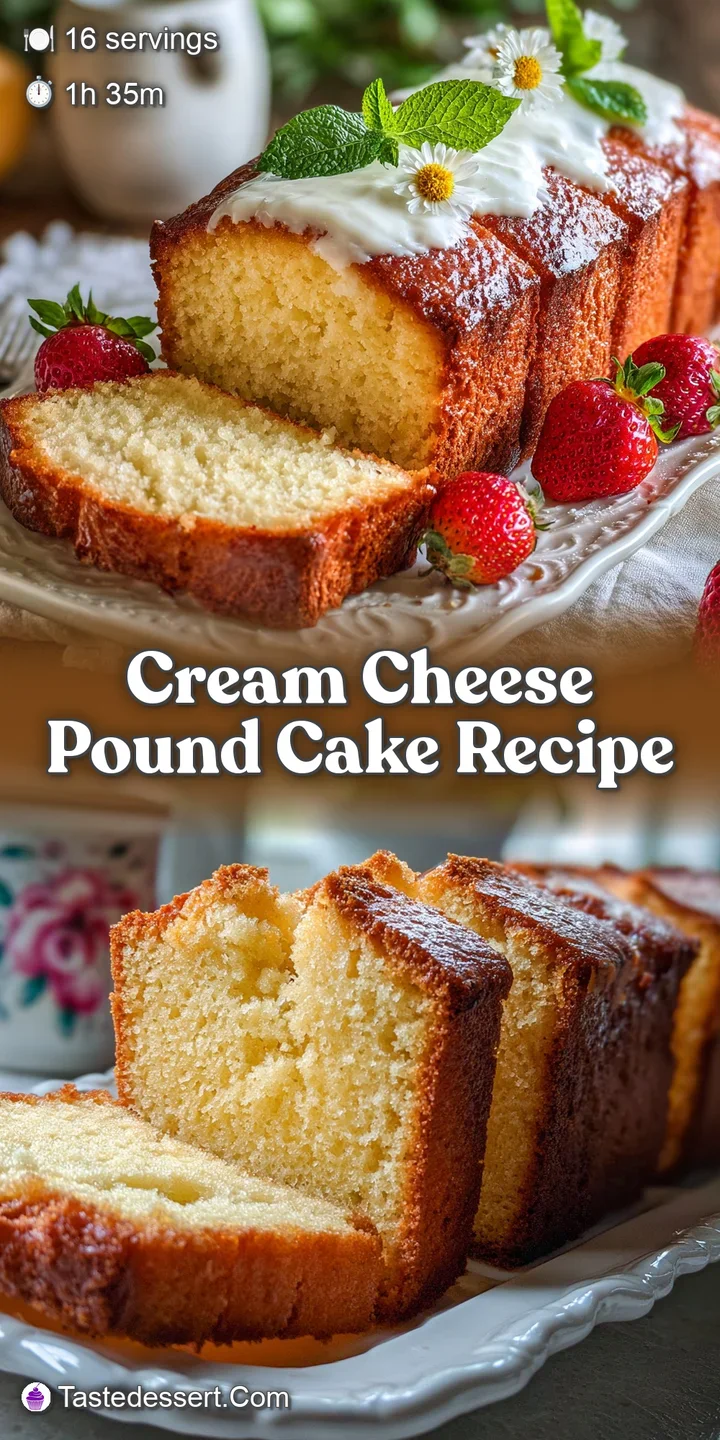
- Flavor/Texture Hook: A silky, buttery interior protected by a thin, golden mahogany crust that provides a slight shatter with every bite.
- Perfect for: Sunday brunch, holiday gifting, or a quiet tea time when you need something more substantial than a sponge cake.
Mastering the Best Cream Cheese Pound Cake
The first time I tried a Cream Cheese Pound Cake, I was standing in my grandmother's sun drenched kitchen, watching her pull a heavy Bundt pan from the oven. The aroma was intoxicating - a mixture of toasted sugar, browned butter, and a hint of something tangy that I couldn't quite place.
She told me the secret wasn't just in the butter, but in the brick of cream cheese she hid in the batter. It sounded strange to a ten year old, but one bite of that dense, velvety crumb changed my baking trajectory forever.
We've all been there: you follow a recipe to the letter, but the cake comes out dry, or worse, with that dreaded "sad streak" of unbaked batter at the bottom. I spent years making those mistakes so you don't have to.
I've learned that the temperature of your kitchen matters just as much as the quality of your Madagascar vanilla. This isn't just a cake; it's a lesson in patience and the magic of emulsion.
Today, we're going to nail that elusive texture. We are talking about a crumb so tight it barely drops a flake, yet so moist it feels like silk on the tongue. If you've struggled with cakes that are too airy or too dry, this is your solution.
Let's get the oven preheated and dive into the mechanics of what makes this specific loaf a total standout in the world of Southern baking.
Essential Specs and Timing
The Physics of the Velvety Crumb: The lactic acid in the cream cheese breaks down long gluten strands in the cake flour, resulting in a tender, melt in-your mouth texture rather than a chewy one.
Simultaneously, the high fat content creates a physical barrier around the flour particles, preventing them from absorbing too much liquid and becoming tough.
- Fat Stabilization: Combining butter and cream cheese creates a more stable air cell structure during creaming than butter alone.
- Sugar Saturation: Using superfine sugar ensures the crystals dissolve quickly into the fat, preventing a grainy finish after baking.
- Protein Architecture: Six large eggs provide the necessary lift and structure to hold up the heavy weight of the fats without needing chemical leaveners.
- Sifting Success: Sifting the cake flour twice isn't a suggestion - it's a requirement to incorporate enough air for a natural rise.
| Pan Type | Cook Time | Texture Profile | Best For |
|---|---|---|---|
| Standard Loaf Pan | 1 hour 15 mins | Extra thick side crust | Everyday snacking |
| 10 Cup Bundt Pan | 1 hour 5 mins | More surface area for glaze | Dinner parties |
| Mini Loaf Tins | 35-40 minutes | Highest crust to crumb ratio | Holiday gifting |
Choosing the right vessel changes how the heat penetrates the batter. A loaf pan offers a more traditional "slice," while a Bundt pan allows for more mahogany colored crust. If you are looking for another crowd pleaser with a similar velvety profile, you might enjoy the texture of the Homemade Funfetti recipe which relies on similar creaming principles.
Selecting the Finest Ingredients
Mastering the Fat Emulsion
The foundation of this cake rests on 339g of unsalted European style butter. Why European? It has a lower water content and higher butterfat, which translates to a richer mouthfeel. Ensure it is softened to exactly 68°F; if it's too oily, your cake will collapse.
The 226g of full fat brick cream cheese should be equally soft to avoid those tiny white lumps that refuse to blend into the batter.
Utilizing Cake Flour for Tenderness
Using 360g of cake flour is non negotiable here. All purpose flour has too much protein, which leads to gluten development that will make your pound cake feel like bread. By sifting it twice, you are essentially "milling" it further at home, ensuring it folds into the wet ingredients without requiring excessive mixing that would toughen the crumb.
| Ingredient | Science Role | Pro Secret |
|---|---|---|
| European Butter | Flavor & Aeration | Use a brand with at least 82% butterfat for the best "shatter" on the crust. |
| Cream Cheese | Moisture & Acid | Only use brick style; tub varieties contain extra air and water that ruin the density. |
| Superfine Sugar | Texture & Browning | If you only have regular sugar, pulse it in a blender for 30 seconds to fine tune the crystals. |
| Madagascar Vanilla | Aromatic Depth | Add it directly to the fats during creaming to "lock in" the scent through the fat molecules. |
The combination of Madagascar Bourbon vanilla and fine sea salt acts as a flavor multiplier. The salt doesn't make the cake salty; it simply cuts through the richness of the 500g of sugar, making the buttery notes sing. It is a similar balance to what we see in a Foolproof Classic Pumpkin recipe, where spice and fat need that hit of salt to truly pop.
Necessary Tools for Success
You don't need a professional bakery to pull this off, but a few specific items will make your life much easier. A heavy duty stand mixer, like a KitchenAid, is the gold standard here. You need the sustained power to cream the butter and sugar for a full seven minutes.
A hand mixer can work, but your arm will likely give out before the aeration is complete.
A digital scale is your best friend. In baking, volume is a liar. A "cup" of flour can vary by 20% depending on how tightly it's packed. To get that precise 360g of cake flour, weigh it. Also, invest in a high-quality thermometer to check your internal temperature.
A pound cake is done when it hits 210°F in the center - no more guessing with toothpicks.
Chef's Note: Sift your flour from a height of at least 12 inches. This "long fall" allows each particle of flour to be surrounded by air, which helps the cake rise naturally without baking powder.
The Complete Baking Process
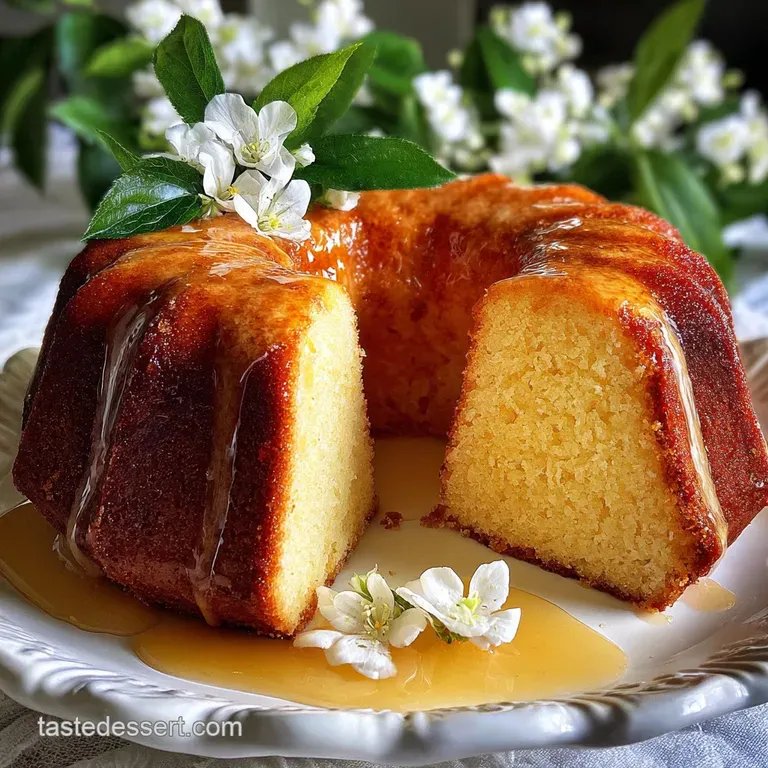
1. Preparing the Pan
Generously grease your loaf pan with softened butter, ensuring you hit every corner. Dust with a light coating of cake flour, tapping out the excess. Note: This creates a physical barrier that prevents the sugar in the batter from "gluing" the cake to the metal.
2. Achieving Aeration Through Creaming
Beat the 339g of butter and 226g of cream cheese together on medium speed until smooth. Gradually add the 500g of superfine sugar. Beat for 5-7 minutes until the mixture looks pale, almost white, and fluffy.
3. Integrating the Emulsion
Add the 6 large eggs one at a time, beating for 30 seconds after each addition. Note: This prevents the batter from curdling and ensures the fat and water in the eggs stay bonded.
4. For the Velvety Batter
Scrape down the sides of the bowl frequently. Add the 1 tablespoon of vanilla extract and 0.5 teaspoon of fine sea salt during the final egg addition to ensure even distribution throughout the fat.
5. Folding the Dry Ingredients
Turn the mixer to the lowest setting. Gradually add the 360g of sifted cake flour. Stop mixing the moment the last streak of white disappears to avoid overworking the gluten.
6. Baking to Mahogany Perfection
Pour the batter into the prepared pan and smooth the top. Bake at 325°F (163°C) for 1 hour 15 mins. The cake is ready when the top is golden and a skewer comes out with just a few moist crumbs.
7. Mastering the Clean Release
Let the cake rest in the pan for exactly 10 minutes. If you wait too long, the steam will turn to moisture and make the cake stick; if you move too soon, the delicate structure will collapse.
8. For the Bright Glaze
Whisk 1 cup of powdered sugar with 2 tablespoons of lemon juice and 1 teaspoon of heavy cream. Drizzle over the slightly warm cake so it soaks in just a tiny bit.
Fixing Your Baking Mistakes
Why Your Cake Sank
A sunken center usually points to one of two things: underbaking or opening the oven door too early. When you open the door, the temperature drops, and the half set structure of the cake can't support its own weight. It could also mean you over creamed the eggs.
While you want to cream the butter and sugar aggressively, eggs should only be beaten until just incorporated.
Preventing the "Sad Streak"
That dense, rubbery line at the bottom of a pound cake is often caused by cold ingredients. If your butter is cold and your eggs are room temp, they won't emulsify. The fats will separate during baking and sink to the bottom.
Always ensure everything is a uniform 68°F before you even turn on the mixer.
| Problem | Root Cause | Solution |
|---|---|---|
| Dry, Crumbly Texture | Overbaking or AP Flour | Use a thermometer; pull cake at 210°F. Ensure you used cake flour. |
| Greasy Bottom | Broken Emulsion | Use room temp ingredients and add eggs slowly to maintain the bond. |
| Thick, Hard Crust | Too much sugar or oven too hot | Check oven calibration; use superfine sugar for better integration. |
Common Mistakes Checklist:
- ✓ Check that your oven is actually at 325°F using an external thermometer.
- ✓ Never skip sifting; it’s your only source of lift in this recipe.
- ✓ Do not over mix after adding flour; treat it like a delicate souffle.
- ✓ Use brick cream cheese, never the spreadable kind from a tub.
- ✓ Tap the pan firmly on the counter before baking to release large air bubbles.
Easy Ingredient Adaptations
This recipe is quite sturdy, but there are ways to pivot if you’re missing an item or have dietary needs. Just remember that pound cake is a balance of ratios; changing one thing often requires a slight adjustment elsewhere to maintain that velvety feel.
| Original Ingredient | Substitute | Why It Works |
|---|---|---|
| Cake Flour (3 cups) | AP Flour (2.5 cups) + Cornstarch (0.5 cup) | Cornstarch lowers the protein content to mimic cake flour. |
| Superfine Sugar | Granulated Sugar | Same sweetness. Note: Texture may be slightly grainier. |
| Madagascar Vanilla | Almond Extract (2 tsp) | Provides a bold, nutty aroma that pairs beautifully with the tang of cheese. |
If you want a different flavor profile, try adding the zest of two lemons directly into the sugar before creaming. This releases the oils and gives you a bright, citrusy punch without altering the liquid ratios of the batter.
Storing Your Leftover Cake
Storage: This cake keeps beautifully at room temperature for up to 3 days if wrapped tightly in plastic wrap. For longer storage, keep it in the fridge for 7 days, but let it sit out for 20 minutes before serving so the butter can soften back up.
Freezing: Pound cake freezes better than almost any other dessert. Wrap individual slices in plastic wrap, then a layer of foil. They will stay fresh for up to 3 months. Thaw at room temperature for about an hour.
Zero Waste: If you have edges that got a bit too dark or a cake that didn't release perfectly, don't toss it. Crumble the leftovers and mix with a little bit of frosting to make cake truffles, or cube the cake and use it as the base for a fruit trifle.
The dense crumb holds up incredibly well to being soaked in sherry or custard.
Creative Ways to Serve
While a thick slice of this Cream Cheese Pound Cake is a joy on its own, you can easily turn it into a plated dessert. Try grilling a slice in a hot pan with a little butter until the sugar caramelizes and the edges get crispy.
Top it with a dollop of cold whipped cream and a handful of macerated balsamic strawberries for a high end restaurant feel.
For a simpler approach, serve it alongside a steaming cup of Earl Grey tea. The floral notes of the tea cut through the richness of the butter and cream cheese perfectly. If you are feeling indulgent, a quick smear of lemon curd or raspberry jam provides a tart contrast to the sweet, dense crumb.
- The Morning After: Toast a slice and spread it with salted butter for the ultimate breakfast.
- The Ice Cream Sandwich: Use two thin slices to sandwich a scoop of peach or vanilla bean ice cream.
- The Trifle Base: Layer cubes with lemon pudding and fresh blueberries for a summer party.
Whatever you do, don't rush the cooling process. That 10 minute rest in the pan followed by a full cool on the wire rack is what sets the crumb and ensures you get those clean, sharp slices that look so beautiful on a plate. Happy baking!
Recipe FAQs
What is Oprah's favorite cream cheese pound cake?
It is widely reported to be the cake made by Gee's Bend quilters. This cake is legendary for its incredibly dense texture and rich flavor derived from the heavy cream cheese content.
The consistency relies heavily on the fat-to-flour ratio, a technique we emulate by ensuring our butter and cream cheese are perfectly softened.
What happens if you use cream cheese instead of sour cream in a standard pound cake?
Yes, you can often substitute it, but the final texture will be denser. Sour cream adds moisture and slight acidity, which tenderizes the crumb. Cream cheese, being higher in fat, results in a richer, tighter, and slightly heavier cake, similar to the density achieved in this How to Make recipe, though ours utilizes the cream cheese as a primary structural fat.
What is the secret to the best pound cake?
Achieving perfect aeration during the creaming stage is the true secret. You must beat the butter and sugar until the mixture is visibly pale and fluffy, incorporating maximum air into the fat structure. If you enjoyed mastering the sensory doneness cues here, apply them to our How to Bake recipe for perfect results in a different dessert.
What common mistake causes a cream cheese pound cake to collapse in the middle?
The most common mistake is opening the oven door too early during baking. Opening the door drops the temperature, causing the structure which is not yet fully set due to the high fat content to deflate rapidly. Wait until at least 75% of the baking time has passed before checking visually.
How do I ensure my cream cheese pound cake doesn't taste gummy or raw in the center?
Check the internal temperature, which should register exactly 210°F (99°C). Gummy texture often means the starch and egg proteins have not set fully. Relying solely on a toothpick test is unreliable with dense cakes; an instant read thermometer guarantees accuracy.
Is it true that I must use a tube or Bundt pan for cream cheese pound cake?
No, this is a common misconception. While tube pans offer better heat distribution for heavy batters, you can absolutely bake this successfully in a standard loaf pan. If you use a loaf pan, you must increase the baking time by about 20 minutes and monitor for a very dark crust.
How do I prevent my finished cream cheese pound cake from sticking to the pan?
Thoroughly grease the pan with softened butter and then dust it completely with flour. For extra insurance, especially in decorative Bundt pans, you can use a mixture of softened butter, flour, and a tablespoon of sugar, ensuring every nook is coated before filling.
Cream Cheese Pound Cake
Ingredients:
Instructions:
Nutrition Facts:
| Calories | 462 kcal |
|---|---|
| Protein | 5.1 g |
| Fat | 24.2 g |
| Carbs | 57.3 g |
| Fiber | 0.4 g |
| Sugar | 38.8 g |
| Sodium | 119 mg |
