Creamy Butternut Squash Risotto: the Perfect Silky Autumn Hug

- Setting the Stage: Why You Need This Creamy Butternut Squash Risotto This Season
- Essential Components for the Best Creamy Butternut Squash Risotto
- The Butternut Squash Risotto Method: Mastering the Classic Stirring Technique
- Troubleshooting Your Risotto: Chef’s Secrets for Success
- Leftovers and Reheating: Practical Guide to Storing Butternut Risotto
- Perfect Pairings and Garnishes for Creamy Butternut Squash Risotto
- Recipe FAQs
- 📝 Recipe Card
Setting the Stage: Why You Need This Creamy Butternut Squash Risotto This Season
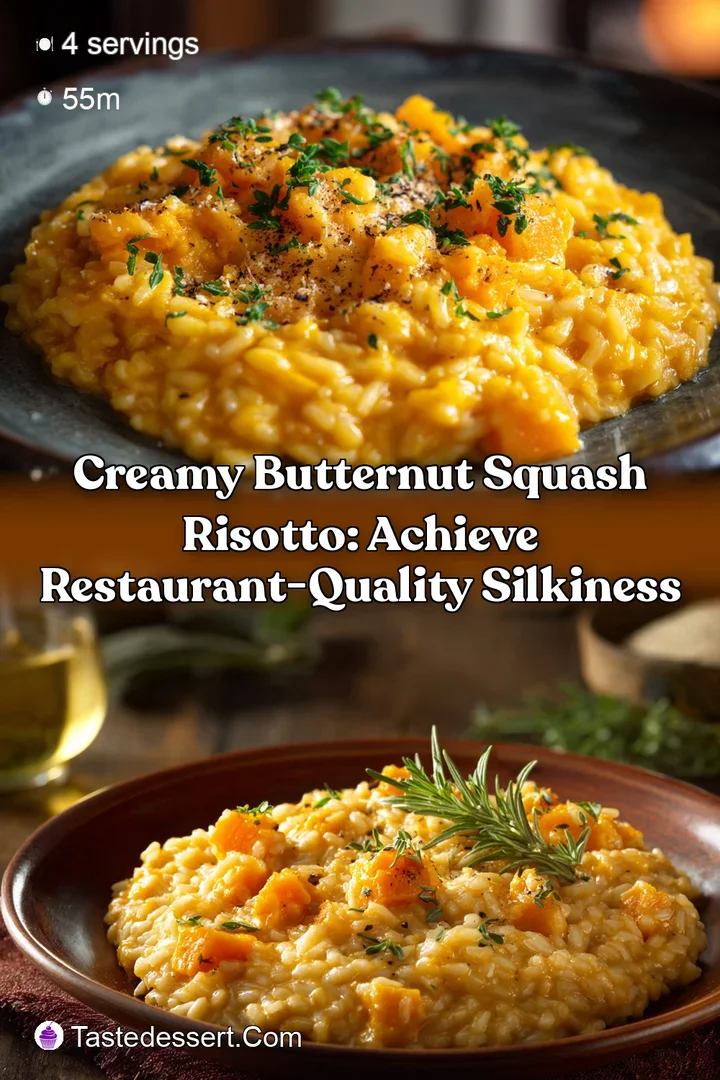
There are few dishes that deliver a truly magnificent experience using humble ingredients, but this creamy butternut squash risotto is definitely one of them. Imagine that first deep spoonful: the velvety texture, the sweetness of the squash offset by pungent Parmesan, and the unmistakable, comforting aroma of toasted sage filling your kitchen.
It’s dense, it’s decadent, and honestly, it’s a perfect hug in a bowl for the cooler months.
People often think risotto is a major fuss, but once you master the stirring technique, it’s surprisingly straightforward. This version is especially forgiving because the mashed butternut squash naturally thickens the sauce, helping you achieve that desirable, silky smooth consistency without fighting for it.
You get maximum cozy factor for minimum effort, making it a fantastic weekend dinner or even a surprisingly quick weeknight lift.
We are diving deep today, getting past the myths and straight to the absolute truths of making real Italian risotto right here in your home kitchen. We will cover the essential techniques that ensure your finished dish is flowy and creamy not gummy and stiff guaranteed.
Let’s crack on and make something genuinely brilliant!
The Silky Secret of Authentic Italian Risotto
Authentic Italian risotto relies on two things: high starch rice and constant attention. As you stir the hot stock into the rice, the gentle friction scrapes the starch off the surface of the grains. This process, known as continuous release, creates a natural, thick liquid that is the heart of the dish.
The true secret to that signature velvety flow, though, comes right at the very end. We use the technique called mantecatura , which literally means "whipping in the finish." It's where cold fat, usually butter and Parmesan, is rapidly stirred into the hot rice off the heat .
This creates a perfect emulsion, locking in the creaminess and flavor without letting the starches break down further.
Our Commitment to Classic Mantecatura
Skipping the final mantecatura step is the fastest way to get stiff, gluey risotto, and we absolutely refuse to let that happen. We use cold butter and grated Parmigiano Reggiano specifically to achieve the ultimate silkiness.
This intense stirring ensures the rice grains float in a delicious, homogenous sauce, rather than sitting clumped together in a pile. Trust me, spending two extra minutes vigorously stirring off the stove makes all the difference in the world.
What Makes Butternut Squash Ideal for Creamy Dishes
Butternut squash is practically built for creamy dishes; it's a natural thickening agent. When roasted, the starches convert to sugar, making the flavor deeply sweet and nutty. When we purée half of it and stir it back into the cooking rice, it melts into the existing sauce.
This adds layers of rich color and immense depth, creating that gorgeous autumn hue and an incredibly creamy butternut squash risotto.
Essential Components for the Best Creamy Butternut Squash Risotto
Risotto is a dish where the quality of the raw materials really shines through, so choose wisely. We are aiming for flavor depth, structural integrity, and that signature comforting richness.
Selecting Optimal Arborio or Carnaroli Rice
This is non-negotiable territory, my friend; you cannot make proper risotto with long grain rice. We need short or medium grain varieties high in amylopectin starch. Arborio is widely available and performs beautifully, releasing that creamy goo we love.
However, if you can find it, Carnaroli rice is often called the "King of Risotto." It holds its shape slightly better during the extended cooking time, making it marginally more forgiving if you're nervous about overcooking.
Butternut Breakdown: Prep and Puree Options
We use the whole squash, prepping it by peeling, de-seeding, and roasting it until deeply tender. Roasting intensifies the sweetness far more than boiling or steaming ever could. Tip: We use half the squash as a purée mixed directly into the rice and fold the remaining half in as chunky, textural bits right before serving.
| Ingredient | Role | Viable Substitute |
|---|---|---|
| Butternut Squash | Sweetness, color, thickener | Pumpkin (sugar/pie), or Acorn Squash |
| Arborio Rice | Starch release, structure | Carnaroli Rice (preferred), or Vialone Nano Rice |
| Dry White Wine | Acidity, deglazing | Sherry vinegar or Dry Vermouth (use 1/3 less) |
| Parmesan | Salty, umami finish | Asiago or Pecorino Romano |
| Fresh Sage | Pungent, woody aroma | Fresh Thyme or Rosemary (use sparingly) |
Dairy Decisions: The Role of Parmesan and Finishing Fat
The Parmesan must be fresh, please don't use the pre-shredded stuff full of anti caking agents. You want real Parmigiano Reggiano for the strongest flavor and best melt. We use a generous amount of unsalted butter in two stages: a small amount to start the soffritto, and a larger amount of cold butter for the non-negotiable final mantecatura step.
Flavor Aromatics: Fresh Sage, Shallots, and Wine Choice
We start our flavor base, the soffritto , with finely diced shallots (or white onion) slowly sautéed until soft. Crucially, fresh sage is added here; warming the sage releases those beautiful, earthy oils right into the butter. For the wine, choose something dry and crisp like a Pinot Grigio.
If you wouldn't drink it, don't cook with it!
Chef’s Note: Never rinse your rice! Rinsing washes away the essential surface starch needed to create the silky smooth risotto texture we are looking for.
The Butternut Squash Risotto Method: Mastering the Classic Stirring Technique

Making risotto requires you to stay put and stir, but it's meditative, not hard. Have all your ingredients prepped and ready that means squash roasted, stock hot, and cheese grated.
Stage One: Toasting the Rice (Tostatura) and Soffritto Base
Start by melting the initial butter and gently sweating the shallots with a small pinch of salt until they are completely translucent and soft. Next, add the garlic and chopped sage, cooking for just one minute until extremely fragrant. Now, add the dry rice and stir it constantly for about two minutes.
The Tostatura is vital; you'll see a translucent ring forming around the center of each grain , locking in that core structure for al dente perfection.
Stage Two: Building the Base and Controlled Stock Integration
Pour in the dry white wine and let it bubble away, stirring until the smell of alcohol disappears and the liquid is entirely absorbed. Immediately follow with your first ladle of piping hot stock. Keep stirring until that liquid is almost completely gone.
Continue adding the stock, one ladle at a time, making sure to scrape the bottom of the pan frequently to prevent sticking. This gentle, consistent stirring is what releases the magic starch!
Stage Three: Incorporating the Butternut Puree and Checking Consistency
After about 18– 20 minutes of stirring, the rice should be tender but still have a firm center (that’s the al dente ). Now, stir in the reserved butternut squash purée and the remaining whole roasted squash chunks. This step adds immediate richness and warmth.
Keep stirring for the final few minutes, adding the very last ladle of stock if needed, aiming for a texture that flows like liquid lava off your spoon.
Stage Four: The Crucial Mantecatura (Whipping in the Finishers)
Remove the pan completely from the heat source . Toss in the cold, cubed butter and the freshly grated Parmesan. Now, stir, stir, stir vigorously don't be shy!
This rapid agitation emulsifies the fat and cheese with the cooking liquid, resulting in incredibly creamy butternut squash risotto. Let it rest, covered, for exactly two minutes before serving.
Troubleshooting Your Risotto: Chef’s Secrets for Success
Sometimes things go wrong in the kitchen, and that’s okay because we learn from it. I once made a batch using leftover, lukewarm stock, and the result was an absolute tragedy mushy rice floating in watery liquid. Learn from my mistakes!
The Golden Rule of Hot Stock Temperature
If your stock is cold or even just warm, the temperature drop shocks the rice every time you add liquid. This stops the starch release and leads to uneven cooking and a gluey result. Keep your stock simmering lightly on a separate burner throughout the entire process.
Identifying Undercooked Rice (The 'Al Dente' Core)
You want your risotto al dente , meaning "to the tooth." If you cut a grain in half, you should see a tiny, pinpoint core of white starch. If the core is too big, it's crunchy and needs more stock.
If the rice is uniformly translucent and offers no resistance, it's overcooked and will be gummy you can’t fix that, sadly.
Overcoming Sticky Risotto: When to Stop Stirring
If your risotto is too stiff and sticky when plated, you likely overcooked it or didn't add enough liquid at the end. Remember that "liquid lava" texture when it’s still in the pan. The rice will continue to absorb liquid as it rests, so always serve it slightly looser than you think it needs to be.
Leftovers and Reheating: Practical Guide to Storing Butternut Risotto
We love leftovers, especially when they’re easy to deal with, right? Risotto is a tricky one, but manageable.
Refrigerating and Maintaining Risotto Quality
Once cooled, risotto firms up significantly due to the starch content, so don't be alarmed by the brick like texture. Store leftovers in an airtight container in the fridge for up to three days.
When you’re ready to reheat, place the risotto in a saucepan with a splash of water or stock about 1/4 cup per serving and gently stir over low heat until warmed through and creamy again.
The Caveat of Freezing Risotto: Texture Change Warnings
But does it freeze well? Sort of, but with a warning! Freezing changes the structure of the starch, making the reheated rice slightly softer and mushier. If you must freeze, place it in freezer safe bags, squeezing out all the air, and use within one month for best results.
When reheating from frozen, use a generous splash of extra stock to try and revive the creamy texture.
Perfect Pairings and Garnishes for Creamy Butternut Squash Risotto
This rich butternut squash risotto is a star on its own, but sometimes you want a little something extra on the side. We need something bright and acidic to cut through all that lovely creamy density.
A simple arugula salad tossed with lemon juice and olive oil is perfection. If you're looking for another comforting squash based meal but want to keep the carbs low, you might enjoy my recipe for [Cheesy Baked Spaghetti Squash Boats with Grilled C: Ultimate Tuscan Low-Carb Dinner].
For a flavorful garnish on the risotto itself, try folding in a little crispy fried sage, toasted walnuts, or crumbled, salty prosciutto right before serving. A final drizzle of high-quality finishing olive oil is always a great move for that fresh, fruity lift.
Enjoy this comforting, silky smooth risotto, and remember happy stirring!
Recipe FAQs
What does 'all’onda' mean, and how do I achieve the perfect creamy texture?
The term all’onda translates literally to "like a wave," describing the loose, flowing texture that high-quality risotto should possess when served. To achieve this, ensure you are adding the hot broth gradually and stirring constantly to release the rice starches evenly.
The final, crucial step of stirring in cold butter and Parmesan (known as mantecare) off the heat is vital for binding the liquid and creating that velvety smooth finish.
My risotto seems too dry and gluey, or the rice is still hard. What did I do wrong?
A gluey texture usually indicates the risotto cooked too fast or that too much starch released without enough liquid to emulsify it; try reducing the heat slightly and adding more broth.
If the rice is hard in the center (still chalky), it simply needs more cooking time and liquid until it reaches a firm yet creamy consistency (al dente). Always ensure your broth is simmering hot when added, as cold liquid stops the cooking process.
Can I make this Butternut Squash Risotto recipe vegan?
Yes, this dish adapts beautifully to a vegan diet with simple substitutions. Replace the butter with good quality olive oil or vegan butter, and substitute the Parmesan with nutritional yeast for a cheesy, savory umami note.
Ensure your vegetable stock is rich and flavorful, as the final creaminess will rely entirely on the starch released from the Arborio rice and the squash puree.
I don't cook with alcohol. What is a suitable non-alcoholic substitute for the white wine?
The white wine serves a crucial role in providing necessary acidity to balance the richness of the squash and cheese. You can substitute it with an equal amount of high-quality vegetable broth mixed with a teaspoon of apple cider vinegar or fresh lemon juice.
Add the broth/acid mix after the onion is sautéed and cook until completely absorbed before moving on to the main steps.
How should I store and reheat leftover risotto?
Risotto should be stored in an airtight container and refrigerated for up to three days, though the texture will firm up significantly upon cooling. To reheat, place the risotto in a saucepan over medium low heat and slowly add small amounts of hot broth or water while stirring gently.
This gradual re-introduction of liquid is essential to restore the creamy consistency without making the rice mushy.
Can I use pre-cut, frozen butternut squash instead of roasting fresh squash?
While convenient, roasting fresh squash is highly recommended because it caramelizes the natural sugars, creating a deeply complex and rich foundational flavour for the risotto. If you use frozen squash, thaw it thoroughly and try sautéing it slightly with a pinch of brown sugar before pureeing.
This step helps mimic some of the flavour depth achieved through roasting.
Can I use regular long grain rice (like Jasmine or Basmati) if I don't have Arborio?
It is strongly advised to use Arborio, Carnaroli, or Vialone Nano rice for authentic risotto because they have a specific high amylopectin starch content. Long grain varieties do not release enough starch, which is necessary for the dish to bind the liquid and create the signature creamy texture.
Using those substitutes will result in a wet, rather than creamy, dish.
Creamy Butternut Squash Risotto Recipe

Ingredients:
Instructions:
Nutrition Facts:
| Calories | 600 kcal |
|---|---|
| Fat | 25g |
| Fiber | 7g |
