Creamy Celery Root Mash: the Sunday Roast Star

- Beyond Mashed Potatoes: Introducing the Velvety Celeriac Purée
- The Science of Smoothness: Why Celery Root Mashing is Different
- Essential Elements for the Perfect Creamy Celery Root Mash
- Preparing and Puréeing: The Method for Silky Results
- Expert Tips and Avoiding Lumps (Celery Root Mash Troubleshooting)
- Making Ahead: Storage and Reheating Guide
- Elevating Your Meal: Perfect Pairings for Creamy Celeriac
- Recipe FAQs
- 📝 Recipe Card
Beyond Mashed Potatoes: Introducing the Velvety Celeriac Purée
Let's be real: mashed potatoes are great, but they’re predictable, right? I'm here to tell you there is a deeply underrated root vegetable that will absolutely change your side dish game forever. I'm talking about Creamy Celery Root Mash .
As the celeriac simmers gently in milk and water, your kitchen fills with the most beautiful earthy, nutty perfume; it’s an immediate comfort scent. This mash is impossibly smooth, lighter than spuds, yet packs this sophisticated, savory punch.
Seriously, if you’re looking to impress guests (or just yourself, after a long week) without resorting to some complicated, multi step recipe, this is it. Making Celery Root Mash is fast, surprisingly simple once you master the peeling, and offers a complex depth of flavor that potatoes just can’t touch.
Forget boring weeknight sides; this Creamy Celery Root Mash is an absolute star that lifts even the simplest roast.
I’ve made all the mistakes I’ve had gummy mash, watery mash, and mash that was too chunky to be taken seriously. But I’ve learned the few crucial steps that guarantee a silky, perfect result every single time.
So let’s ditch the lumps and learn how to make Celery Root Mash that feels like velvet on your tongue.
The Science of Smoothness: Why Celery Root Mashing is Different
What Exactly is Celeriac? (The Knobbly Root Explained)
Celeriac, or celery root, looks like something unearthed from a fantasy novel it's knobbly, dirt crusted, and frankly, a bit intimidating. Don't let the exterior fool you, though.
It’s the underground stem of a celery relative, which is why it carries that wonderful subtle flavor profile, but without the stringiness of stalk celery. You want bulbs that feel heavy for their size and have minimal soft spots; the fresher the better for the best Mashed Celery Root Recipe .
The Superior Flavor Profile: Earthy, Nutty, and Subtle
The flavor of celeriac is what makes this mash so special. It’s subtly reminiscent of celery but much sweeter, with a deep, earthy note and a distinct nuttiness. This robust profile means it holds up incredibly well to rich sauces and dark meats.
It allows you to swap out your usual mashed potatoes for Creamy Celery Root Mash seamlessly.
Why Texture Matters: Achieving the 'Velvet' Standard
We aren't aiming for the thick, dense texture of traditional potato mash here. Our goal for the Creamy Celery Root Mash is pure, unctuous velvet. Achieving this texture requires completely breaking down the cooked vegetable fibers and then introducing the fat (butter and cream) in a specific way.
This is essential for elevating the dish.
The Starch Factor: Celeriac vs. Traditional Potatoes
Potatoes are loaded with starch, and that starch is the enemy of smooth, non-gluey mash if handled improperly. Celeriac contains far less starch, which is a massive win for us! Because of the lower starch content, it’s easier to achieve a truly smooth texture without fear of activating that gluey consistency though we still need to be careful about over blending, which we'll discuss later.
Infusion Techniques: Maximizing Earthy Flavor
The secret weapon in this Celeriac Mash Recipe is the cooking liquid. Instead of simply boiling the celeriac in water, we simmer it gently in half whole milk and half water. The celeriac absorbs the milk solids and fat as it softens, infusing the flavor deep into the root from the beginning.
It also ensures the finished product is bright white, not dull gray.
The Secret to Unctuous Texture (Focus on Fat Integration)
When you look at the best mashed potatoes, or in this case, the perfect Creamy Celery Root Purée , the magic happens when the fat is integrated. You must add cold butter to the hot, puréed root, followed by warm cream. Why cold butter?
The rapid temperature change helps create a stable emulsion, locking in richness without making the mash greasy.
Essential Elements for the Perfect Creamy Celery Root Mash
Selecting and Prepping the Best Celeriac Root
The biggest hurdle is peeling celeriac. Because of its awkward, knobby shape, don’t bother with a standard peeler on the rough parts. Grab a sharp chef's knife and slice off the top and bottom, then stand it flat and slice down the sides, following the contour to remove the thick rind completely.
You want absolutely zero dark or woody spots left. Cube the clean flesh uniformly this is critical for even cooking.
Dairy Decisions: Butter and Cream Ratios for Maximum Richness
This is not the time to skimp on fat. Full fat whole milk for simmering, unsalted butter for richness, and heavy cream for that final decadent finish are mandatory if you want true velvety texture.
Chef’s Note: Warm your heavy cream in a small saucepan or microwave first. Adding cold cream will shock the mash, lowering the temperature and resulting in a denser, less fluid texture.
Flavor Boosters: Salt, White Pepper, and Optional Nutmeg
Salt is essential, obviously, but white pepper is my secret weapon. Black pepper adds small specks that interfere with the purée’s beautiful white color, so white pepper gives you the necessary warmth and spice without the visual distraction. And please, please use a microplane to grate fresh nutmeg.
The difference between pre-ground and fresh is night and day, lending that crucial savory warmth that complements the celeriac’s sweetness perfectly.
Troubleshooting Ingredient Swaps (e.g., Lower Fat Alternatives)
| Ingredient | Substitute | Impact on Dish |
|---|---|---|
| Whole Milk | Full fat Coconut Milk (from a can) | Adds a very subtle sweetness; texture remains creamy. |
| Heavy Cream | Crème Fraîche or Sour Cream | Adds a desirable tanginess; use slightly less as it is thicker. |
| Butter | high-quality Olive Oil (or Vegan Butter) | Use slightly less than the butter amount; flavor profile becomes fruitier/more peppery. |
| Celeriac | Parsnip (up to 50% blend) | Makes the mash noticeably sweeter, almost dessert like. |
You really don't need to feel guilty about using full fat ingredients when creating this beautiful side dish. You can lighten it slightly, but for the optimal, truly luxurious Creamy Celery Root Mash , stick to the original plan.
Preparing and Puréeing: The Method for Silky Results
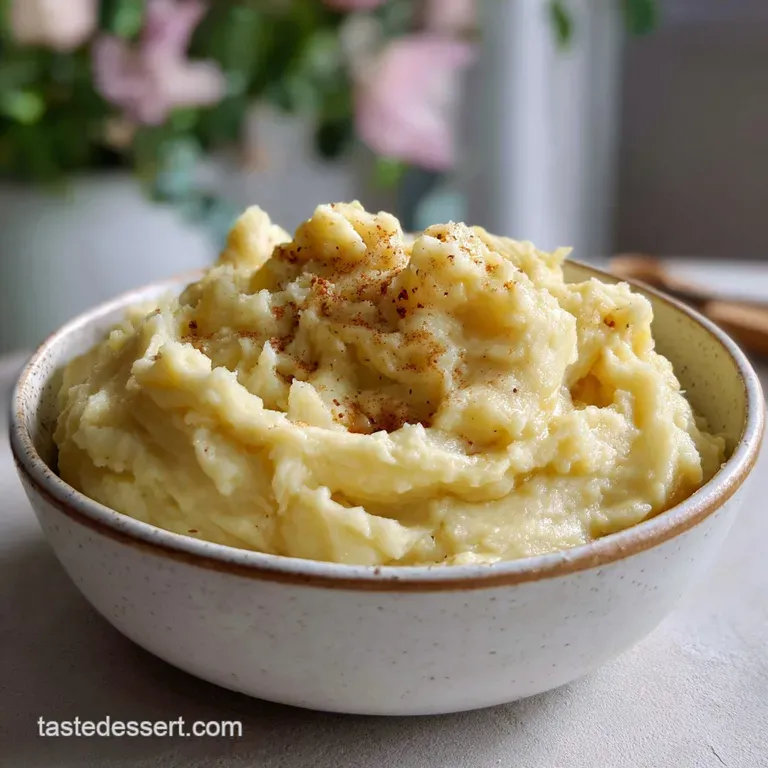
The Boiling Technique: Ensuring Even Softening
Place your uniform celeriac cubes into a saucepan and cover with equal parts milk and water (or stock). Bring it to a boil, then immediately drop the heat to the lowest setting, so it's barely a shimmer. Simmer gently, covered loosely, until the celeriac offers zero resistance when poked with a fork.
This usually takes about 25– 30 minutes.
Draining and Drying: Eliminating Excess Moisture
Once tender, drain the celeriac immediately into a colander. Don't throw away that flavorful cooking liquid! We need it later to adjust the consistency. Let the drained celeriac sit in the colander for just 30 seconds to allow any surface moisture to steam off.
This crucial step prevents a watery mash that won't emulsify properly.
The Critical Step: Blending vs. Food Processing for Smoothness
To make the best Creamy Celery Root Puree , you need to think beyond the potato masher. Because celeriac is denser than potato, we need machinery to break it down completely. A food mill or a ricer will give you a perfect, airy texture.
If you want true, no-lumps, baby food-smooth perfection, use an immersion blender (stick blender) right in the pot. Just be sure to blend quickly a minute or less to avoid releasing too much starch.
Final Seasoning and Temperature Check
Return the purée to the very low heat (or off the heat, if your pot is hot). Introduce the cold butter cubes one at a time, stirring rapidly until they disappear, making the mash glossy. Next, stir in the warm heavy cream, salt, white pepper, and nutmeg. Taste it! Does it sing?
If it seems too thick, start adding the reserved cooking liquid, one tablespoon at a time, until you reach that gorgeous, flowing consistency. This final adjustment ensures you always deliver on the promise of your usual mashed potatoes for Creamy Celery Root Mash .
Expert Tips and Avoiding Lumps (Celery Root Mash Troubleshooting)
Preventing a "Gummy" Texture: The Danger of Over Blending
Remember how I said celeriac is low in starch? While that's true, excessive mixing at high speed can still break down the remaining starch molecules, turning your beautiful purée into wallpaper paste. Do not use a stand mixer or a standard electric hand mixer.
If using an immersion blender, pulse quickly until smooth, then stop. If you want to impress your dinner guests, you must focus on the texture it’s the hallmark of a high-quality Mashed Celery Root Recipe .
Restoring Mash that is Too Thin
Oh, I've been there. Added too much milk, and now it looks like soup? Don't panic. Return the mash to the stove over very low heat. Stir continuously until the excess moisture steams off and the mash thickens up.
If you still can't recover it, the final trick is stirring in a tablespoon of grated Parmesan cheese or a small spoonful of softened cream cheese the fat and protein help bind the liquid, making it rich and firm again.
Achieving the Best Color: Keeping the Celeriac Bright
Celeriac, like apples, browns quickly when exposed to air. To keep your mash looking beautiful and bright, start cooking the cubes immediately after peeling and cutting them. If you must prep ahead, drop the peeled cubes into a bowl of cold water with a squeeze of lemon juice, then drain well just before cooking.
Making Ahead: Storage and Reheating Guide
The Best Way to Reheat Mash without Losing Creaminess
Reheating mash is usually where things go wrong, turning creamy sides dry and crumbly. The best method is to use a saucepan over low heat, adding 1 2 tablespoons of whole milk or cream per cup of mash. Stir gently and continuously until heated through and perfectly creamy again.
You can also use a double boiler or bain marie if you’re worried about scorching the bottom.
Refrigerating Leftovers Safely
This Creamy Celery Root Mash keeps beautifully in an airtight container in the fridge for up to 4 days. In fact, sometimes the flavor deepens overnight! It makes meal prep so easy for the week ahead.
Can You Freeze Celeriac Purée? (Best Practices)
Yes, you can! But it won't be quite as silky after freezing and thawing. The high fat content of this specific Creamy Celery Root Mash recipe helps stabilize it through the temperature change. Place completely cooled mash into freezer bags, pressing out all the air before sealing.
Lay the bags flat. It freezes well for up to three months. When thawing, do so slowly overnight in the fridge before reheating gently on the stovetop as described above, adding a fresh splash of cream to revive the texture.
Elevating Your Meal: Perfect Pairings for Creamy Celeriac
This gorgeous purée is such a robust canvas for rich, dark flavors. It’s absolutely mandatory next to any slow roasted meat or a beautifully seasoned roast bird.
It also pairs perfectly with seafood that has a strong flavor profile. If you have ever been curious about making my stunning [Stuffed Salmon with Creamy Garlic Herb Filling Recipe], the rich flavor of the salmon and the herbs would play off the nuttiness of the mash beautifully.
This mash provides a necessary earthy balance to any rich dish. Or maybe you're aiming for a slightly lighter dinner? Pair this Celery Root Mash with simple grilled scallops and a brown butter sage sauce.
If you’re hosting, serving a spoonful of this Potatoes For Creamy Celery Root Mash underneath a drizzle of pan sauce immediately elevates the plate. It is miles better than the boring spuds everyone expects, giving you that 'wow' factor without the stress.
Go make this, and text me when you realize you’ve finally mastered the perfect side dish!

Recipe FAQs
Why did my celery root mash turn out gluey or watery?
Glueyness usually occurs if the mash is over processed in a standard blender, which breaks down the starches excessively; always use a food mill or a potato ricer for the smoothest texture without damage.
Wateriness is often caused by insufficient draining, so make sure to return the cooked celeriac to the empty hot pot for 2-3 minutes to steam off excess moisture before adding any fat or cream.
How can I make this Celery Root Mash fully vegan or dairy-free?
Easily substitute the dairy components by replacing butter with high-quality vegan butter or extra virgin olive oil for richness. Instead of heavy cream, use full fat canned coconut milk or a thick cashew cream to achieve that desired velvety consistency.
Ensure all liquids are warmed before incorporating them into the mash to maintain temperature and texture.
Can Celery Root Mash be frozen for later use?
While you can freeze it, the mash is not ideal for freezing because the high water and fat content tends to separate and become grainy upon thawing. If you must store it, refrigerate leftovers for up to three days, or if freezing, plan to reheat it very gently on the stovetop with a splash of fresh cream to try and re-emulsify the mixture.
What is the best substitute if I can't find celery root (celeriac)?
The best culinary substitute that mimics the texture and earthy notes is parsnip, although parsnip is notably sweeter than celeriac. You can also use a mixture of steamed cauliflower florets combined with a small amount of white turnip or rutabaga to capture a similar savory and slightly nutty profile.
What additions can I use to enhance the savory or nutty flavor profile?
To deepen the complexity, try infusing your mash by sautéing a minced shallot or a crushed clove of garlic in the butter before mixing it in. For an intensely earthy background flavor, you can also opt to cook the celery root cubes in chicken or vegetable broth instead of using salted water for boiling.
How do I prevent the celeriac from oxidizing and turning brown before cooking?
Celery root oxidizes very rapidly once its knobby skin is removed and it is exposed to air, causing it to turn an unappetizing brown. As soon as you finish peeling and cubing the celeriac, immediately submerse the pieces in a large bowl of cold water.
Adding a small squeeze of lemon juice or vinegar to this "acidulated water" will provide extra protection against discoloration.
Can I prepare this mash ahead of time for a large dinner party?
Yes, this mash is an excellent candidate for advance preparation and can be fully completed up to one day ahead and refrigerated. To reheat, the best method is to gently warm it in a covered container over a double boiler (bain marie) or in a low oven, stirring in a small amount of warmed cream or milk to restore its original smooth consistency.
Creamy Celery Root Mash Recipe

Ingredients:
Instructions:
Nutrition Facts:
| Calories | 299 kcal |
|---|---|
| Protein | 6.6 g |
| Fat | 19.1 g |
| Carbs | 25.3 g |
