Baked Asparagus: Fast, Easy, and Crisp
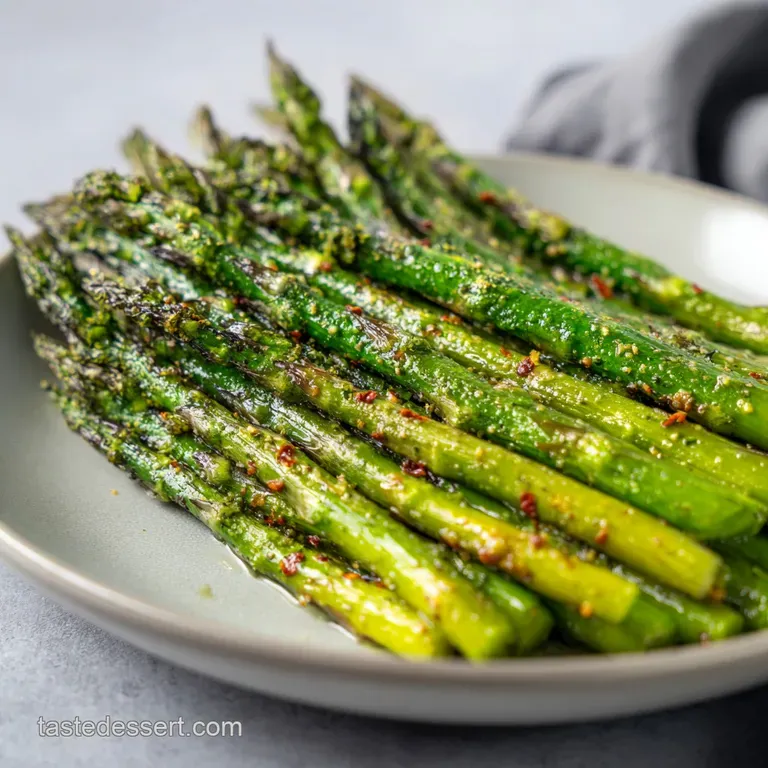
- Time: Active 5 minutes, Passive 7 minutes, Total 12 minutes
- Flavor/Texture Hook: Shatter crisp panko crust over snappy, tender stalks
- Perfect for: Spring holiday brunches, elegant weeknight dinners, or beginner friendly entertaining
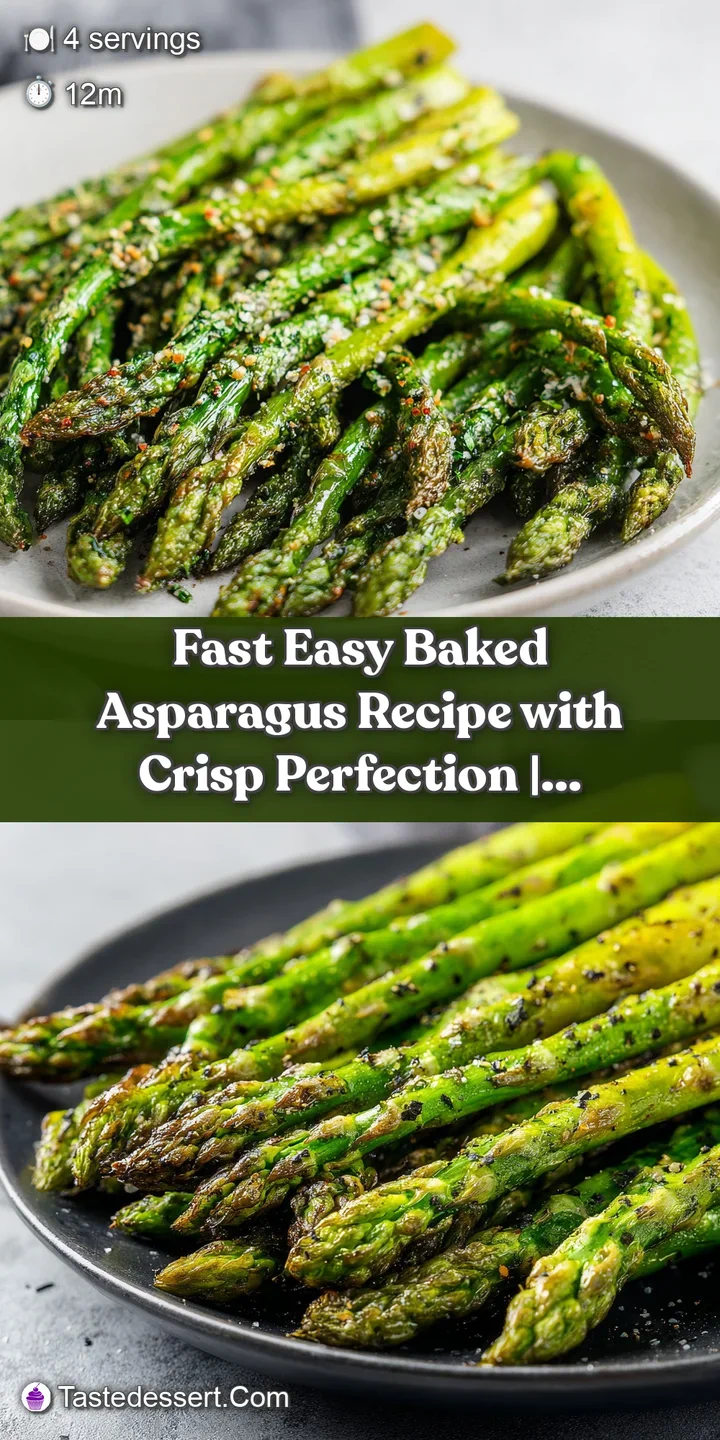
- Fast Easy Baked Asparagus Recipe with Crisp Perfection
- Why High Heat Locks In Snap
- Essential Visual Benchmarks for Roasting
- Selecting Your Vibrant Green Canvas
- The Tools for Culinary Art
- Painting Your Plate with Asparagus
- Solving Common Roasted Veggie Woes
- Whimsical Twists on a Classic
- Scaling for a Crowd
- Keeping Your Greens Bright Later
- Plating Like a Fine Artist
- Culinary Myths Debunked
- Recipe FAQs
- 📝 Recipe Card
Fast Easy Baked Asparagus Recipe with Crisp Perfection
Picture this: It is the first truly warm Saturday in April. The kitchen window is cracked open, letting in the scent of damp earth and blooming lilacs. You are setting the table for a long awaited family brunch, and the center of your culinary canvas isn't a heavy roast, but a platter of glowing, bright green spears.
There is a specific, whimsical joy in seeing those first stalks of the season, standing tall like little soldiers of spring. I remember the first time I realized that vegetables didn't have to be a grey, mushy afterthought; they could be the star of the show if treated with just a bit of artistic flair.
When the oven door opens, a wave of roasted garlic and toasted cheese fills the room. It’s a scent that signals comfort and celebration all at once. My grandmother used to say that you eat with your eyes first, and these spears, glistening with olive oil and dusted with golden crumbs, are a visual masterpiece.
They aren't just food; they are a celebration of color and texture on a plate. We want that vibrant green to pop against a white ceramic platter, creating a contrast that looks like it belongs in a gallery.
We've all been there staring at a pile of limp, stringy asparagus that looks more like seaweed than a garden fresh vegetable. It is a heartbreak I have experienced more times than I care to admit. But once you understand how to harness the heat, you'll never go back.
This approach is about respecting the ingredient, giving it just enough time in the fire to soften its heart while keeping its spirit snappy. Trust me, once you see that golden crust and hear the slight "snap" as you bite in, you'll see why this is the only way I ever prepare them now.
Why High Heat Locks In Snap
Moisture Evaporation: High heat at 425°F causes surface moisture to vanish instantly, preventing the vegetable from sitting in its own steam and becoming rubbery.
Thermal Intensity: A short burst of concentrated heat softens the cellulose fibers just enough for tenderness while the core remains structurally sound and snappy.
Proteolysis and Browning: The proteins in the Parmesan and panko undergo a transformation under intense heat, creating a rigid, savory lattice that shields the delicate tips from burning.
| Method | Total Time | Resulting Texture | Best For |
|---|---|---|---|
| Oven Roasting | 12 minutes | Snappy with a crisp, golden crust | Dinner parties and elegance |
| Steaming | 8 minutes | Soft, tender, and very plain | Meal prep or health focus |
| Stovetop Sauté | 10 minutes | Charred but often unevenly cooked | Small batches for one |
Choosing the right method depends on your desired aesthetic for the meal. While steaming is functional, roasting is truly artistic, allowing the tips to catch the heat and turn slightly nutty and dark.
It’s the difference between a sketch and a oil painting; the oven provides the depth and highlights that other methods simply cannot replicate in such a short window.
Essential Visual Benchmarks for Roasting
Before we get our hands messy, let's talk about the numbers that keep our kitchen running smoothly. Accuracy is the secret ingredient to any artistic endeavor, and cooking is no different. We want to ensure every spear is treated with the same level of care, from the thickest base to the most delicate tip.
| Component | Science Role | Pro Secret |
|---|---|---|
| Asparagus | The structural canvas | Look for tight, closed buds; open tips mean the stalk is older and tougher. |
| Parmesan | The savory binder | Use a microplane to create "snow" that melts and bonds the crumbs to the stalk. |
| Panko | The crunch element | These large, airy flakes stay crisp longer than traditional fine breadcrumbs. |
When you are standing in the produce aisle, think of yourself as an artist picking out brushes. You want spears that are relatively uniform in thickness. If you have some that are as thin as pencils and others as thick as your thumb, they won't finish their journey through the oven at the same time.
Aim for medium thickness about the width of a standard ballpoint pen for that ideal ratio of tender interior to crispy exterior.
Selecting Your Vibrant Green Canvas
To bring this Fast Easy Baked Asparagus Recipe with Crisp Perfection to life, we need a palette of high-quality ingredients. Each element serves a purpose, contributing to the final portrait of flavor we are creating.
- 1 lb fresh asparagus: Look for firm, bright green stalks with woody ends already starting to fade. Why this? Freshness equals snap; limp stalks will never recover their crunch in the oven.
- 1.5 tbsp extra virgin olive oil: A fruity, high-quality oil helps the heat penetrate evenly. Why this? It acts as the "glue" for our seasoning and ensures a glistening finish.
- 0.25 tsp freshly cracked black pepper: The spice should be coarse for little bursts of heat. Why this? Pre ground pepper lacks the volatile oils that make the flavor sing.
- 0.5 tsp flaky sea salt: These crystals provide a clean saltiness without being overwhelming. Why this? It adds a subtle crunch that table salt lacks.
- 0.25 cup grated Parmesan cheese: Salty, umami rich, and melts into a lacy crust. Why this? It provides the foundational savory note that balances the lemon.
- 2 tbsp panko breadcrumbs: Japanese style crumbs for the ultimate shatter effect. Why this? Their jagged surface area catches the oil and browns beautifully.
- 2 cloves garlic: Microplaned into a paste so it distributes evenly. Why this? Large chunks of garlic can burn and turn bitter at 425°F.
- 0.5 tsp lemon zest: The aromatic yellow skin only, no bitter white pith. Why this? It adds a floral, bright high note that cuts through the rich cheese.
If you find yourself without panko, you can use crushed crackers for a buttery alternative, though the texture will be slightly more dense. If you need a vegan option, nutritional yeast provides a similar umami punch to the Parmesan, though it won't melt in quite the same way.
For a deeper flavor profile, some of my friends love to toss in a handful of pine nuts, which toast right alongside the spears.
The Tools for Culinary Art
You don't need a professional kitchen to achieve these results, but a few specific items make the process feel much more like a creative session than a chore. First, a large rimmed baking sheet is non negotiable. You need enough space for the asparagus to lie in a single, uncrowded layer.
If they are piled on top of each other, they will steam instead of roast, and our quest for "crisp perfection" will be lost.
A piece of parchment paper is also your best friend here. It prevents the delicate Parmesan from sticking to the metal, ensuring that every bit of that golden crust stays on the vegetable and makes it to your plate. I also highly recommend using a microplane for the garlic and the lemon zest.
It creates such a fine texture that the flavors become a part of the oil, coating every millimeter of the asparagus.
Painting Your Plate with Asparagus
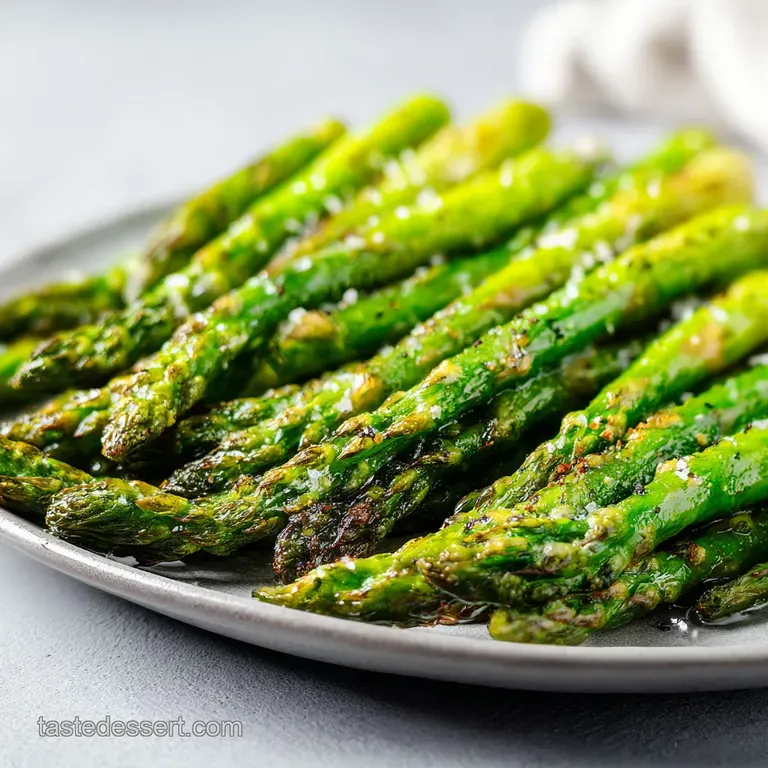
- Heat the canvas. Preheat your oven to 425°F (220°C). Wash the asparagus in cold water and pat them completely dry with a kitchen towel. Note: Excess water creates steam, which is the enemy of a crisp finish.
- Trim the edges. Snap or cut off the bottom 1.5 to 2 inches where the stalk turns woody. Wait for the natural "snap" point if doing it by hand.
- Arrange the spears. Place the trimmed spears on a large rimmed baking sheet lined with parchment paper, ensuring they aren't overlapping.
- Glisten with oil. Drizzle the 1.5 tbsp extra virgin olive oil over the spears and toss with your hands until every inch is shimmering.
- Prepare the dust. In a small bowl, whisk together the 0.25 cup Parmesan, 2 tbsp panko, minced garlic, sea salt, pepper, and 0.5 tsp lemon zest.
- Apply the texture. Sprinkle the breadcrumb mixture evenly over the middle of the stalks. Leave the tips exposed so they can char slightly.
- Roast to perfection. Slide the pan into the center of the oven. Bake for 7 minutes until the cheese is bubbling and golden.
- The final check. Look for the cheese to be a deep honey color and the stalks to be a vibrant, dark green.
- Rest and set. Let the pan sit for 60 seconds out of the oven to allow the cheese to firm up slightly before serving.
Solving Common Roasted Veggie Woes
Even the most seasoned home cooks can run into a few hurdles. One mistake I once made was washing the asparagus right before putting it in the oven without drying it. I ended up with a soggy, sad mess that looked nothing like the "crisp perfection" I had promised.
It was a lesson learned the hard way: moisture is the silent killer of texture.
Why Your Asparagus is Limp
If your spears come out drooping like a willow tree, the most likely culprit is overcrowding or low heat. When vegetables are too close together, they release moisture that can't evaporate quickly enough. This creates a humid environment that "stews" the vegetable rather than roasting it.
Always give your spears at least half an inch of "breathing room" on the pan.
Why the Topping is Burnt
Breadcrumbs and cheese can go from golden to black in a matter of seconds. If your oven has a "hot spot" or if you placed the rack too high, the topping might burn before the asparagus is tender. Try moving the rack to the middle position and keep a close eye on the color starting around the 5 minute mark.
| Problem | Root Cause | Solution |
|---|---|---|
| Soggy Stalks | Too much water left after washing | Pat dry with a lint free towel until bone dry. |
| Bitter Garlic | Garlic pieces were too large | Use a microplane to create a paste that blends with the oil. |
| Bland Flavor | Not enough salt or zest | Add a final sprinkle of sea salt and fresh lemon juice just before serving. |
Common Mistakes Checklist:
- ✓ Never skip the drying step; even a little water ruins the roast.
- ✓ Don't use "shaker" Parmesan; the anti caking agents prevent a proper melt.
- ✓ Ensure the oven is fully preheated to 425°F before the pan goes in.
- ✓ Avoid thick, jumbo stalks unless you plan to peel the lower half first.
- ✓ Never cover the pan with foil; we want the moisture to escape, not stay trapped.
Whimsical Twists on a Classic
While the Parmesan and panko combo is a masterpiece, sometimes the heart craves a different flavor profile. If you are serving this alongside a rich Italian meal, like my velvety eggplant and tomato sauce ragu, the classic version is hard to beat. However, for a more Southern inspired spread, you might want to experiment.
If you are looking for a bit more heat, try adding a pinch of red pepper flakes to the breadcrumb mixture. It creates a beautiful visual contrast red jewels against the green and gold and provides a lingering warmth that is quite enchanting.
For a more Mediterranean vibe, swap the Parmesan for crumbled feta (though it won't get as "crisp") and add some dried oregano.
Chef's Tip: If you want an even deeper, nuttier flavor, brown your butter in a small pan before drizzling it over the asparagus instead of using olive oil. The milk solids will caramelize and create a "toffee" like savory note that is absolutely sublime.
Scaling for a Crowd
When you're hosting a large garden party, you might need to double or triple this recipe. The most important thing to remember is that you cannot simply pile more asparagus onto one tray.
You will need multiple baking sheets and you'll likely need to rotate them halfway through the 7 minute cook time to ensure even browning.
- Scaling Down: If cooking for one, you can use a small toaster oven. Reduce the ingredients proportionally but keep the temperature at 425°F. The cook time may drop by a minute since the heating element is closer to the food.
- Scaling Up: For 8 to 12 people, use two or three large sheet pans. Avoid increasing the salt linearly; start with 1.5x the salt for a double batch and taste a spear before adding more. Liquids like olive oil should also be increased cautiously to avoid a greasy finish.
Keeping Your Greens Bright Later
Asparagus is best enjoyed immediately while the crust is at its most "shatter crisp" state. However, life happens, and you might have leftovers. Store them in an airtight container in the fridge for up to 3 days. To reheat, avoid the microwave at all costs! It will turn your masterpiece into a rubbery disappointment.
Instead, pop them back into a 400°F oven for 3-4 minutes until the cheese sizzles again.
For a zero waste approach, don't throw away those woody ends you trimmed off. While they are too tough to eat roasted, they are packed with flavor. Toss them into a freezer bag and save them for your next batch of vegetable stock. They add a wonderful, earthy sweetness to soups.
You can also finely shave any leftover roasted spears and toss them into an omelet the next morning for a breakfast that feels like a luxury hotel brunch.
Plating Like a Fine Artist
Plating is where we truly lean into the "whimsical and artistic" nature of cooking. Think of your plate as a canvas and the asparagus as your medium. There are three levels to how you can present this Fast Easy Baked Asparagus Recipe with Crisp Perfection.
Level 1: The Rustic Family Platter
Lay the spears in a messy, intentional pile on a large, colorful ceramic dish. Top with extra lemon wedges and a final dusting of cheese. This says "home," "warmth," and "abundance." It’s perfect for a Sunday dinner where everyone reaches in with their own tongs.
Level 2: The Polished Presentation
Arrange the spears in a neat row, all facing the same direction. Use a vegetable peeler to create long, thin curls of lemon zest and drape them over the center of the stalks. A few edible flowers, like pansies or nasturtiums, added to the corner of the plate can make this look incredibly high end.
Level 3: The Restaurant Aesthetic
Create a "nest" by criss crossing the spears in the center of a large white plate. Top the center with a poached egg or a dollop of thick Greek yogurt mixed with dill. When the yolk breaks, it creates a natural sauce that mingles with the crispy breadcrumbs.
This is the kind of dish that makes people stop and take a photo before they take a bite.
| Plating Level | Visual Focus | Best Occasion |
|---|---|---|
| Simple | Natural, messy abundance | Casual family lunch |
| Polished | Linear symmetry and color | Dinner party with friends |
| Restaurant | Vertical height and contrast | Anniversary or special event |
No matter how you choose to serve it, remember that the goal is to highlight the natural beauty of the vegetable. The vibrant green should be the hero, supported by the golden brown "dust" of our Parmesan and panko topping.
Culinary Myths Debunked
One common misconception is that you must "peel" all asparagus. While this is true for the giant, woody stalks often found late in the season, for most supermarket or garden fresh spears, a simple trim of the bottom is all you need.
Peeling takes away a lot of the structural integrity that helps the spear stay snappy during a over high heat roast.
Another myth is that "searing" vegetables on the stovetop first is necessary for flavor. While a sear adds char, the 425°F oven provides enough ambient heat to create that Maillard reaction on the cheese and crumbs without the risk of overcooking the delicate interior of the stalk.
Searing first often leads to a mushy core by the time the topping is crisp.
Finally, some say you should never use frozen asparagus for roasting. While fresh is certainly the "Emerald Standard," you can roast frozen spears in a pinch. The trick is to roast them straight from frozen at an even higher temperature (450°F) to blast away the ice crystals before they can turn the vegetable into a puddle.
However, for this specific recipe, fresh is the only way to achieve that true "crisp perfection."
After you've enjoyed these spears, if you find yourself craving something sweet to balance the savory, you might enjoy my proper job classic apple crisp. The way the buttery oat topping shatters is very similar to our panko crust here it’s all about that perfect textural contrast! Whether you're cooking for a crowd or just treating yourself to a beautiful lunch, this asparagus recipe is a testament to the fact that with the right heat and a bit of artistic spirit, even the simplest ingredients can become a masterpiece.
Recipe FAQs
How to ensure the asparagus stays crispy and not soggy?
Pat the asparagus completely dry with a kitchen towel before tossing with oil. Removing surface moisture is the most important step to ensure the spears roast quickly rather than steaming in the oven.
Is it true I should trim the entire bottom half of the spear to avoid stringiness?
No, this is a common misconception. You only need to snap or cut off the bottom 1.5 to 2 inches where the stalk transitions from vibrant green to a woody or fibrous texture.
How to achieve the perfect golden crust on the spears?
Sprinkle the breadcrumb mixture only over the middle section of the stalks. Leaving the tips exposed allows them to char properly while the panko and Parmesan mixture toasts to a golden brown during the 7-minute bake time.
Can I bake the asparagus at a lower temperature to prevent burning?
No, stick to the 425°F (220°C) oven setting. The high heat is essential to caramelize the Parmesan and toast the panko in just 7 minutes, which keeps the interior of the asparagus tender yet snappy.
How to store leftovers if I made too much?
Keep them in an airtight container in the refrigerator for up to two days. If you enjoyed mastering the crispy topping technique used here, you can reheat the spears briefly in a hot oven to help revive some of that original texture.
How to tell when the asparagus is finished cooking?
Look for a vibrant green color and a tender snappy texture. The cheese should be melted and golden brown, and the stalk should offer slight resistance when pierced with a fork.
How to prepare the garlic to ensure it does not burn?
Microplane or finely mince your garlic cloves before mixing them into the crumb coating. This creates a uniform distribution that flavors the entire dish without large chunks that might scorch during the high heat roasting process.
Crispy Baked Asparagus
Ingredients:
Instructions:
Nutrition Facts:
| Calories | 103 kcal |
|---|---|
| Protein | 5.1 g |
| Fat | 6.8 g |
| Carbs | 7.1 g |
| Fiber | 2.5 g |
| Sugar | 1.2 g |
| Sodium | 385 mg |
