Chicken and Vegetable Stir Fry: Ginger-Garlic Recipe for Ultimate Crunch
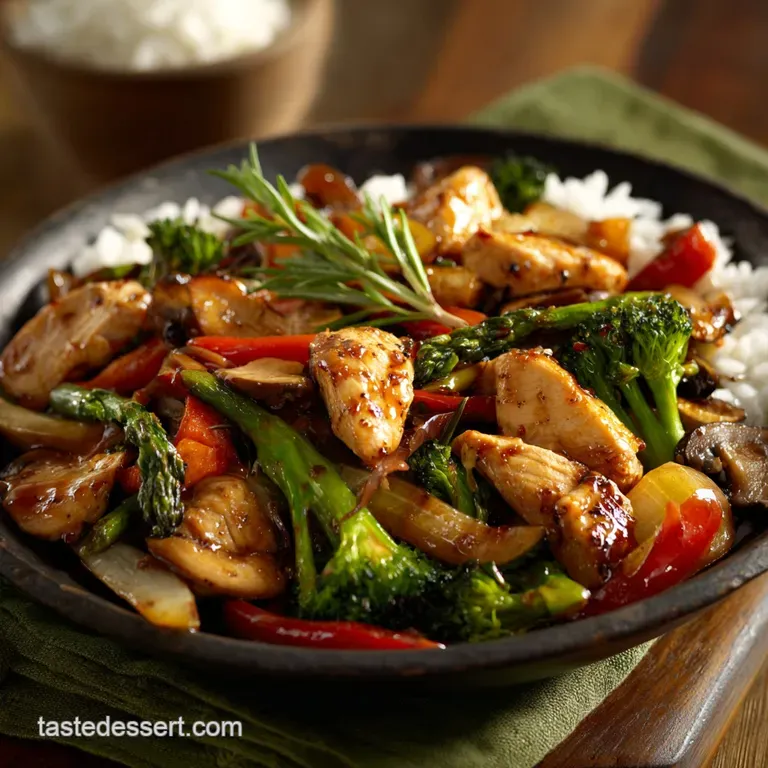
- Mastering the Ultimate Weeknight Meal: Chicken and Vegetable Stir Fry
- The Science of Stir-Fry: Achieving Perfect Texture and Depth of Flavor
- Essential Ingredients for Your Best-Ever Chicken and Vegetable Stir Fry
- The Rapid-Fire Method: Detailed Step-by-Step Cooking Instructions
- Troubleshooting Your Chicken and Vegetable Stir Fry: Expert Tips and Fixes
- Handling Leftovers: Storage, Reheating, and Shelf Life
- What to Serve Alongside Your Ginger & Garlic Stir Fry
- Recipe FAQs
- 📝 Recipe Card
Mastering the Ultimate Weeknight Meal: Chicken and Vegetable Stir Fry
That intense hiss and the dramatic plume of ginger garlic steam when the chicken hits the screaming hot wok? That’s the sound of immediate, glorious success in your kitchen, I swear. This is seriously the best way to get dinner on the table.
The textures the velvety chicken, the crisp tender broccoli are just miles ahead of anything you’d get delivered.
Honestly, we all have those nights where time is the ultimate enemy, and takeout seems like the only answer, but this stir fry is a genuine lifesaver. It’s flexible, it’s ridiculously healthy, and you can knock out four servings in less time than it takes to scroll through Netflix, which is saying something.
It’s the ultimate cheap and fast way to eat well.
I’ve made every stir fry mistake in the book, turning perfectly good chicken into rubber and fresh veggies into a sad, watery soup. But I’ve learned the few crucial non-negotiables that guarantee a high ranking, restaurant quality dish every single time. Stop stressing about dinner and let’s crack on.
The Science of Stir Fry: Achieving Perfect Texture and Depth of Flavor
Most people treat stir frying like sautéing, and that is a major mistake. This method works because we are controlling the temperature precisely to maximize flavor extraction without losing that perfect crunch in the vegetables.
We are essentially using two separate cooking stages for two separate ingredient groups.
The Power of Mise en Place (Organization) in over High heat Cooking
You have to get everything ready before the heat goes on; this isn't optional, it's mandatory. Once that wok is hot, you have about seven minutes to execute the entire dish, and you simply cannot pause to chop a carrot. If you’re looking for a quick, organized weeknight meal, this level of prep is essential, much like when I whip up my speedy Southwest Chicken Skillet: Healthy One-Pan Dinner Ready in 45 Mins .
Why Stir Frying Beats Other Cooking Methods for Speed and Freshness
Stir frying uses extremely high heat, which caramelizes the proteins and vegetables rapidly, building a deep, savory flavor known as wok hei . This speed is key; rapid cooking ensures the vegetables retain their color, nutrients, and most importantly, their magnificent crunch.
We are searing, not stewing.
Quick Prep Time, Maximum Flavor Return
The 15 minute marinade is what separates a decent stir fry from an incredible one. Marinating with just a tiny bit of soy, sesame oil, and cornflour (cornstarch) tenderizes the chicken fibers and creates a velvety texture that protects it from the intense heat.
This small step adds massive returns on flavor and texture.
Controlling the Wok: High Heat vs. Burning
You need to get the wok smoking hot before you add the oil, and then let the oil get shimmering hot before you add the food. This creates the proper non-stick environment and ensures the protein sears instantly.
If the oil is smoking fiercely, slightly reduce the heat before adding the food to prevent scorching.
The Secret to Non-Soggy Vegetables
The secret is separation. Harder vegetables (carrots, broccoli) go in first because they need more time. Softer vegetables (peppers, peas) go in toward the end, ensuring they are only exposed to the high heat briefly. You want them cooked al dente —still firm, bright, and tasting fresh.
Building the Flavor Base: Marinating for Maximum Tenderness
The cornflour in the marinade is your best friend. It acts as a protective barrier, preventing the moisture from escaping the chicken and stopping the sauce from thinning out later. Trust me, if you skip this step, your chicken will be tough and the sauce will be thin.
Essential Ingredients for Your Best Ever Chicken and Vegetable Stir Fry
This recipe uses a classic ginger and garlic base that allows the fresh vegetables to really shine. Remember to buy good quality ingredients, especially when using so few to carry the flavour load.
Preparing the Protein: Cuts and Marinating Ratios
I prefer boneless, skinless chicken thighs here because they stay incredibly juicy under high heat, but breasts work perfectly too. Slice your protein thinly (about half an inch thick) and against the grain for maximum tenderness.
The ratio of soy sauce and cornflour is balanced to fully coat the chicken without making it slimy.
The Optimal Vegetable Lineup for Wok Cooking
We are focusing on vegetables that can handle high heat and offer great contrasting textures. I love broccoli, carrots, and sugarsnap peas because they maintain their crispness wonderfully. You should aim for a variety of colors to make the dish visually stunning.
Crafting the Sticky Stir Fry Sauce
The perfect stir fry sauce must hit sweet, sour, and savory notes, and crucially, it must be slightly sticky. Oyster sauce provides that essential deep umami flavor and color, while brown sugar and rice vinegar balance it out beautifully.
The cornflour slurry added right at the end makes it cling perfectly to every piece of chicken and vegetable.
Smart Substitutions for the Ginger & Garlic Base
If you can't get fresh aromatics, you are missing out on major flavor, but sometimes life happens.
| Ingredient | Viable Substitute | Notes |
|---|---|---|
| Oyster Sauce | Hoisin Sauce (sweeter) or Vegetarian Mushroom Sauce (if needed) | Use slightly less Hoisin if concerned about sugar. |
| Groundnut (Peanut) Oil | Grapeseed Oil or Rapeseed/Canola Oil | Look for a neutral oil with a high smoke point never use olive oil. |
| Rice Wine Vinegar | Apple Cider Vinegar | Use slightly less, as ACV can be more pungent. |
| Fresh Ginger/Garlic | 1 tsp Ginger Paste / 1 tsp Garlic Powder | Adjust powder amounts carefully; they are much stronger than fresh. |
| Sugarsnap Peas | Green Beans (Haricot Verts) or Asparagus tips | They cook similarly and provide a great snap. |
The Rapid Fire Method: Detailed step-by-step Cooking Instructions
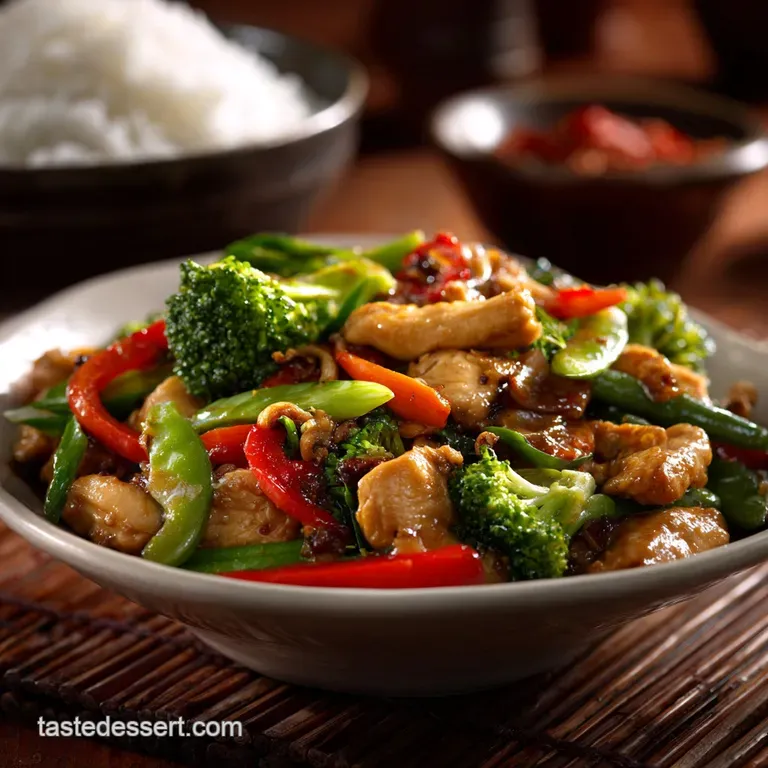
Step 1: Prepping and Separating the Components
First, get organized! Whisk together your sauce mixture (not the slurry) in a small bowl and set it right next to the stove. Slice your chicken and marinate it for at least 15 minutes.
Most importantly, slice all your vegetables uniformly and place them into two separate piles: the Hard Pile (carrots, broccoli) and the Soft Pile (peppers, peas).
Step 2: The over High heat Sear of the Chicken
Heat your wok or heavy pan over high heat until it's seriously hot, then add your high smoke point oil. Once the oil shimmers, add the marinated chicken, ensuring it spreads out in a single layer .
Sear quickly for 2– 3 minutes until nicely browned and mostly cooked through. Remove the chicken to a clean plate immediately. Do not leave it in the pan to overcook!
Step 3: Layering the Vegetables by Cooking Time
Add a splash more oil if needed. Add the minced garlic and ginger, tossing for only 30 seconds until fragrant you must watch these closely, as burned garlic tastes bitter. Now, toss in your Hard Pile of vegetables (broccoli, carrots) and stir fry for 2 minutes.
Next, add the Soft Pile (peppers, peas) and continue stirring for 1 minute.
Chef's Note: We're aiming for that perfect al dente texture. Stir frying is a physical activity, so use strong tongs or a spatula and keep that food moving constantly!
Step 4: Finishing and Thickening the Sauce
Return the partially cooked chicken and any juices back to the wok. Give your prepared sauce mixture a final whisk and pour it over everything, tossing vigorously to coat. Once the sauce is bubbling, whisk your cornflour slurry again (cornflour and water mixture) and pour it into the center.
Stir constantly for about 30 seconds until the sauce reduces, thickens, and clings beautifully to all the ingredients. Remove from heat instantly and serve.
Troubleshooting Your Chicken and Vegetable Stir Fry: Expert Tips and Fixes
Mistake 1: Overcrowding the Pan
If you add too much food to your wok at once, the temperature of the oil drops drastically, turning your quick fry into a slow steam. Never overload the pan. If you are making a large batch, you must cook the chicken in two separate batches, removing the first batch before starting the second.
If you skip this, your chicken will be grey, rubbery, and sad.
Achieving That Wok Hei (Smoky Flavor) at Home
That professional, smoky aroma is hard to replicate on a standard home stove, but you can get close. Use groundnut or grapeseed oil (high smoke point!) and let the pan get seriously hot before adding ingredients.
When you add the sauce, let it hit the bare metal sides of the wok just slightly; this instant vaporization adds a little authentic depth.
Choosing the Right Oil for over High heat Cooking
This is non-negotiable: ditch the olive oil. Olive oil has a low smoke point and will burn and taste rancid under the high heat required for stir frying. Stick to groundnut (peanut), canola, grapeseed, or avocado oil. These can handle the temperature without breaking down.
How to Adjust the Salinity of the Final Dish
If you taste the finished dish and find it too salty (usually due to aggressive soy sauce use), don't panic. Quickly add 1 2 teaspoons of rice wine vinegar and 1/4 cup of plain water or chicken stock and toss rapidly.
The extra liquid will dilute the sodium, and the touch of acidity will brighten the flavor profile instantly.
Handling Leftovers: Storage, Reheating, and Shelf Life
Best Practices for Refrigerating Stir Fry
Stir fry keeps quite well in the fridge, assuming you used properly fresh ingredients and cooled it quickly. Transfer leftovers to an airtight container and refrigerate within two hours of cooking. It will stay delicious and safe to eat for up to 3 days .
The vegetables will soften slightly, but the flavor remains solid.
Can You Freeze This Dish? (Texture Considerations)
But does it freeze well? You can technically freeze it, but I don't recommend it if texture is important to you. The high water content of the vegetables (especially broccoli and peppers) causes them to become mushy and watery when thawed. If you must freeze it, freeze just the sauced chicken separately, or consider making a batch of my Easy Slow Cooker Garlic Parmesan Chicken: Creamy, Dump and Go Dinner instead, as creamy dishes freeze better. Reheat thawed portions gently in a skillet or microwave until piping hot.
What to Serve Alongside Your Ginger & Garlic Stir Fry
This chicken and vegetable stir fry is designed to be a complete meal, but it pairs beautifully with simple sides to soak up that magnificent ginger garlic sauce.
- Jasmine Rice: Classic and perfect. Serving it over fluffy rice is the best way to utilize every drop of sauce. Sometimes I make a huge batch of stir fry and serve it alongside my classic Spanish Chicken and Rice: Authentic One-Pot Recipe with Chorizo and Saffron for a dinner party, offering variety.
- Plain Noodles: Toss medium egg noodles lightly with sesame oil before adding the stir fry on top.
- Simple Egg Drop Soup: A light and savory side that doesn't compete with the bold flavors of the main dish.
- Crushed Peanuts: Sprinkle toasted crushed peanuts or cashews over the top just before serving for an extra layer of crunch and richness.

Recipe FAQs
Why is my chicken tough and dry, even though I cut it into small pieces?
This often happens when the pan is overcrowded, causing the temperature to drop and leading to a steaming effect instead of searing. Ensure you cook the chicken in small batches to maintain high heat and achieve proper caramelization and tenderness.
Marinating the chicken (even just in cornstarch and soy sauce) also helps lock in moisture.
My vegetables turned out soggy instead of crispy. What went wrong?
Soggy vegetables are almost always caused by insufficient heat or overcrowding the pan. When too many vegetables are added at once, the temperature plummets, and the moisture released turns into steam.
To maintain the crispy texture, cook the vegetables in 1-2 cup batches over the highest heat possible, allowing the pan to recover heat between additions.
Can I substitute the chicken with a different protein, like beef or tofu?
Yes, flank steak, pork tenderloin, or extra firm pressed tofu are excellent substitutes. Note that cooking times will vary; beef should be sliced thinly against the grain and seared very quickly, while tofu should be pan-fried separately until golden brown before being added back in with the sauce.
Do I need a wok for this recipe, or can I use a standard frying pan?
While a wok is ideal due to its ability to distribute heat evenly and its high sides, a large, heavy bottomed frying pan (cast iron or stainless steel) will work effectively. The key is ensuring your pan is screaming hot before adding oil and minimizing the batch size to maximize the heat retention.
How can I adapt the sauce to be gluten-free or low-sodium?
You can easily substitute traditional soy sauce with Tamari or coconut aminos to make the sauce completely gluten-free. For a low-sodium version, use low-sodium soy sauce and cut the overall amount in half, supplementing the depth of flavor with a splash of rice vinegar or mushroom powder.
How should I store leftover stir fry, and is it suitable for freezing?
Leftovers should be stored in an airtight container in the refrigerator for up to 3 to 4 days. While it is technically safe to freeze, freezing is generally not recommended for stir fries containing tender vegetables like bok choy or snap peas.
These ingredients have a high water content and will turn mushy upon thawing.
What is the best way to prevent the garlic and ginger from burning before the other ingredients are cooked?
A common mistake is adding the aromatics too early in the process. Reserve the minced garlic and ginger until the main protein is nearly cooked through, usually about 30 60 seconds before you introduce the prepared sauce. This allows them just enough time to bloom their flavor without turning bitter or burning.
Crispy Chicken And Vegetable Stir Fry
Ingredients:
Instructions:
Nutrition Facts:
| Calories | 465 kcal |
|---|---|
| Protein | 35.0 g |
| Fat | 13.0 g |
| Carbs | 47.0 g |
