Proper Pubstyle Crispy Baked Sweet Potato Irish Chips Fries
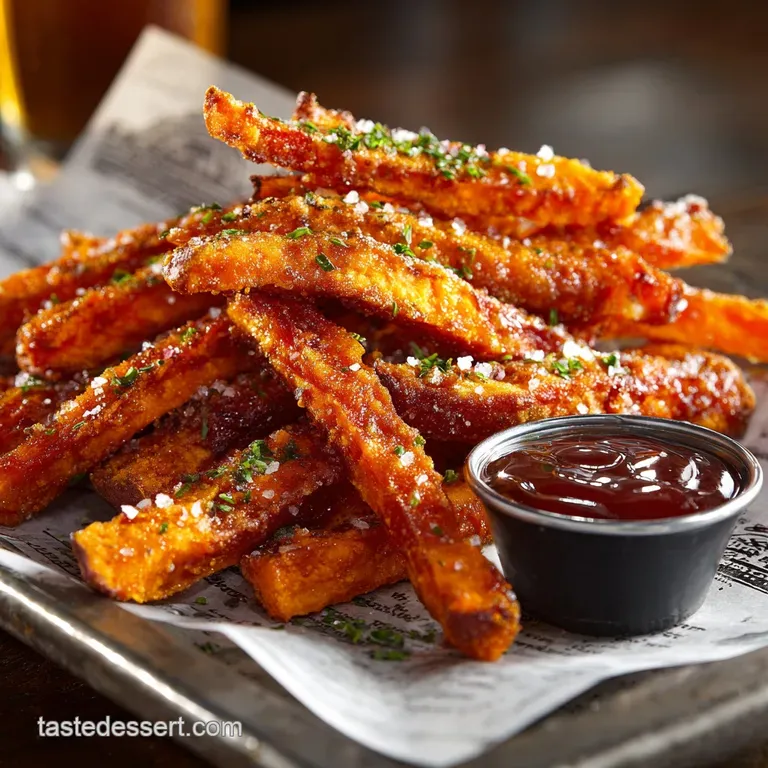
- The Pursuit of the Perfectly Crispy Sweet Potato Chip (Fries)
- Why 'Irish Fries'? Understanding the Pub Chip Difference
- Gathering the Goods: What You Need for the Ultimate Baked Sweet Potato Irish Fries
- Executing the Technique: The 4 Crucial Steps to Crispy Sweet Potato Perfection
- Maximizing Your Batch: Troubleshooting and Pairing Your Baked Sweet Potato Irish Fries
- Recipe FAQs
- 📝 Recipe Card
The Pursuit of the Perfectly Crispy Sweet Potato Chip (Fries)
Baked sweet potato fries often disappoint home cooks, frequently resulting in a floppy, gummy, or inconsistently cooked disaster. This frustration stems from the sweet potato’s unique chemical structure, which challenges traditional oven methods.
This guide details exactly how to make crispy sweet potato fries using a technique refined for consistency and superior texture. We are achieving a wonderful, robust crunch that transforms this humble tuber into a spectacular healthy sweet potato side dish .
This method is the definitive answer to crafting Crispy Baked Sweet Potato Fries every single time. It elevates the final result beyond simple oven roasting into a craveable, textural masterpiece.
Our approach focuses on moisture management and a specific seasoning blend that ensures external crispness while maintaining a tender interior.
Why 'Irish Fries'? Understanding the Pub Chip Difference
The name "Irish Fries" refers not to a specific Irish seasoning blend, but to the technique of cutting and cooking traditional pub chips. In the British Isles, chips are deliberately thick and chunky, unlike the delicate, thin dimensions of classic American French fries.
This thickness is absolutely crucial for perfecting Baked Sweet Potato Irish Fries .
The chunky cut allows the chips to withstand the required high heat baking duration without drying out or burning the edges. Adopting this pub style chips recipe prevents the high sugar content of the sweet potato from caramelizing too quickly.
This results in chips that are robust, fluffy inside, and covered in a deeply satisfying crust.
Sweet Potato Science: Why Most Baked Fries Turn Soggy
Sweet potatoes inherently contain higher natural moisture and sugar levels compared to starchy white potatoes. When exposed to heat, this moisture rapidly turns into steam inside the chips. That trapped steam compromises the surface texture, turning it soft instead of crisping up properly.
On top of that,, the high sugar content causes quick caramelization, meaning the chips can darken or burn externally before the interior has a chance to fully cook. Our technique must counteract both the rapid burning potential and the unavoidable internal steam production.
Ditching the Deep Fryer: Achieving Crispness with High Heat
Successfully creating a superior baked french fries recipe requires mimicking the rapid dehydration achieved by deep frying, but without submerging the food in oil. We rely on two key strategies to reach this goal.
First, we use a mandatory pre-soak to draw out surface starches that would otherwise turn gummy.
Second, we employ a high smoke-point oil combined with a dusting of cornstarch to create a light, dry shell around the raw potato. This shell promotes rapid, even dehydration and results in that desirable external crunch during the high heat blast.
Chef's Note: Using two trays and ensuring absolutely no crowding is as important as the cornstarch. Crowding traps moisture and generates steam, making your hard work pointless.
Related Recipes Worth Trying
- Classic Fish Florentine Recipe Baked Cod with Creamy Mornay Sauce — This ultimate fish florentine baked recipe features flaky cod atop fresh spinach blanketed in a rich velvety Mornay sauce True comfort food ready in 45...
- Perfect Baked Brie Phyllo Cups Easy Cranberry Pecan Bites — These elegant Baked Brie Phyllo Cups are the ultimate holiday shortcut They deliver a buttery crisp shell and molten brie center in under 30 minutes perfect...
- The Best Homemade Mac and Cheese Recipe Creamy Baked with Crisp Topping — This isnt just Homemade Mac and Cheese its a proper Baked Mac and Cheese Casserole Learn the secrets to a velvety smooth sauce topped with a golden buttery...
Gathering the Goods: What You Need for the Ultimate Baked Sweet Potato Irish Fries

Making the perfect batch of thick cut sweet potato chips starts long before the oven preheats, beginning with intelligent ingredient selection. The quality of your raw product and the specific preparation materials dictate the final crispness.
We need robust potatoes that hold their shape and seasoning elements that maximize surface texture.
Choosing the Right Sweet Potatoes for Thick Cut Chips
For the best results, select firm, unblemished sweet potatoes of the Garnet or Jewel varieties, known for their dense flesh. Uniformity in cutting is absolutely non-negotiable for success in this Sweet Potato Fries recipe.
Cut the potatoes into chunky rectangular chips, aiming for approximately half an inch (1.25 cm) thickness across the board.
This consistent, thick size ensures that every piece finishes cooking at precisely the same moment. Inconsistent cuts lead to smaller pieces burning while the larger "Irish Fries" are still baking.
Beyond Salt: The Signature Seasoning Blend
While high-quality flaky sea salt is essential for the finish, the deep flavor begins with a specific dry seasoning applied before baking. We incorporate smoked paprika into the cornstarch mixture for a gentle, savory depth that beautifully counters the inherent sweetness of the potato.
A measure of garlic powder rounds out the flavor profile, giving the finished chips a sophisticated, savory edge that screams "pub grub."
Necessary Kitchen Gear: Sheet Pans, Parchment, and Prep Bowls
Successfully achieving Crispy Baked Sweet Potato Fries hinges on managing heat distribution and preventing sticking. Using two large, heavy duty baking sheets is crucial for creating the necessary single layer spacing. Do not attempt to fit everything onto one tray.
On top of that,, lining your trays with parchment paper is absolutely essential for this sweet potato recipes technique. The delicate, developing crispy crust will tear and stick if placed directly onto metal, even if oiled.
Executing the Technique: The 4 Crucial Steps to Crispy Sweet Potato Perfection
This recipe relies on four crucial methodological phases that build upon each other to ensure external crispness. Skipping any of these steps will result in the common pitfalls associated with baking sweet potatoes.
Follow this precise sequence for a flawlessly executed batch of Baked Sweet Potato Irish Fries .
The Mandatory Starch Bath and Drying Protocol
The process begins by placing the freshly cut sweet potato chips into a large bowl and covering them completely with cold water for a minimum of thirty minutes. This soaking stage is mandatory, as it pulls excess starches from the potato surface that would impede crisping later.
After soaking, rinse the chips and then drain them thoroughly in a colander.
The drying protocol is the second most critical step: spread the chips across clean kitchen towels and pat them until they are absolutely bone dry. Any residual moisture will immediately turn into steam upon entering the hot oven.
Seasoning and Coating for Maximum Flavor Penetration
Once the chips are bone dry, return them to a clean, dry bowl and toss them with the high smoke-point oil until lightly coated. This oil acts as an effective binder for the essential dry ingredients. In a separate bowl, whisk together the cornstarch, smoked paprika, garlic powder, and pepper.
Sprinkle this dry mixture over the oiled potatoes, tossing gently until every piece is covered with a fine, dusty film. The cornstarch forms a vital, thin skeletal layer that provides the final crunch mechanism for the how to make crispy sweet potato fries technique.
High Heat Roasting Strategy: Optimizing Oven Temperature and Time
We require maximum oven power to ensure the surface of the chips dehydrates faster than the internal moisture can escape and create steam. Preheat your oven to a blazing 425°F (220°C). Arrange the coated chips onto the two prepared, parchment lined baking sheets in a strict single layer.
Placing the trays into the screaming hot oven for an initial bake of 15 minutes begins the intense caramelization process. This high heat quickly locks in the coating, developing the foundational crust before the final cooking stage.
The Essential Flip: Ensuring Uniform Browning
After the initial 15-minute period, it is essential to remove the trays and carefully flip every single chip. Use a sturdy metal spatula to gently turn the pieces, exposing the less cooked undersides to the direct heat of the baking surface.
This crucial action ensures uniform browning and even crispness across the entire surface of the chips.
Return the trays to the oven for the final 10 to 15 minutes of baking, or until the edges are dark golden brown and caramelized. The finished chips should sound hollow when tapped, indicating maximum crispness, before they are immediately seasoned with flaky sea salt and served.
Maximizing Your Batch: Troubleshooting and Pairing Your Baked Sweet Potato Irish Fries
Mastering Baked Sweet Potato Irish Fries is simple once you understand the science, but even experts occasionally encounter common pitfalls. Knowing how to troubleshoot and what to serve them with ensures you deliver a five star pub experience at home.
Dips and Sauces That Elevate Your Pub Experience
These thick cut, sweet and savory chips pair beautifully with rich, tangy sauces that provide a necessary counterpoint to the natural sugar of the potato. Dips should be robust enough to cling to the chunky surface of the pub style chips recipe .
Experimenting with homemade options takes the dish to the next level.
| Dip Pairing | Key Flavor Note | Best For |
|---|---|---|
| Homemade Garlic Aïoli | Rich, Creamy, Herbaceous | Burgers and Roast Chicken |
| Smoky Chipotle Ranch | Spicy Kick and Cool Finish | Game Day Snacks |
| Malt Vinegar Mayo | Acidic, Bright, Old-School Tang | Fish or Seafood Dishes |
Troubleshooting: Why Are My Fries Still Limp?
The most common cause for limp chips, even when following the directions precisely, is incomplete moisture removal or tray overcrowding. If you rushed the 30-minute soak or failed to thoroughly dry the potatoes, the residual surface water steamed your chips rather than baked them.
Ensure you are using two trays and that the oven reached the full 425°F (220°C), as lower temperatures will simply stew the potatoes. If the chips are pale and soft at the end, spread them out further and return them to the oven for 5 to 8 minutes for a final blast of heat.
Meal Prep and Storage: Reheating Without Sacrificing Crispness
While these sweet potato recipes are truly best enjoyed piping hot straight from the oven, leftovers can be stored successfully for a few days in the refrigerator. To reheat them without destroying the carefully engineered crispness, completely avoid the microwave, which turns everything soggy instantaneously.
To revive the perfect crunch, place the chips back on a parchment lined sheet pan and return them to a 350°F (175°C) oven. A quick bake of about eight minutes will fully refresh the surface texture and bring them back to life.
Quick Flavor Switches: Smoky Paprika vs. Herbaceous Rosemary
The versatility of this healthy sweet potato side dish allows for easy customization based on the main course. The base recipe uses a classic, smoky paprika seasoning blend that is perfect alongside rich, savory meals like chili or barbecued chicken.
For a sophisticated Mediterranean twist, you can replace the paprika and garlic powder entirely with one tablespoon of finely chopped fresh rosemary and a half teaspoon of dried thyme. This herbaceous variation yields a woody, fragrant chip that pairs wonderfully with roast lamb or any rich winter stew.

Recipe FAQs
How do you stop baked sweet potato chips from going soggy? It's usually a total disaster for me!
It’s all about prep, mate! The two non-negotiables are soaking the cut chips for 30 minutes to remove excess surface starch, and then ensuring they are absolutely bone dry before you toss them with the oil and cornstarch.
I’m hosting a proper pub night; can I prep the Baked Sweet Potato Irish Fries ahead of time?
Absolutely, but only up to a certain point. You can cut, soak, and completely dry the sweet potatoes up to four hours in advance, but keep them unseasoned in the fridge; only coat them in oil, cornstarch, and spices right before they go into the hot oven.
I haven't got cornstarch in the cupboard can I still achieve that lovely crispness?
While cornstarch offers the best, lightest crunch, you can substitute it with a very thin dusting of plain (all-purpose) flour, or you can rely solely on the high heat and thorough drying steps to achieve a respectable level of crispness.
Is there a trick to ensure my chips don't stick to the baking sheet when flipping them halfway?
Yes, never bake sweet potatoes directly on the metal sheet, even if oiled; always use parchment paper or a silicone mat, as this prevents the potatoes’ natural sugars from caramelising and sticking to the pan.
What’s the best way to reheat leftovers without ending up with a floppy chip?
Ditch the microwave immediately! Reheat the chips in a single layer on a baking tray at a high heat (about 400°F or 200°C) for five to eight minutes, until they are piping hot and re-crisped good as new, Bob’s your uncle.
Crispy Pub Style Sweet Potato Fries

Ingredients:
Instructions:
Nutrition Facts:
| Calories | 671 kcal |
|---|---|
| Protein | 4.9 g |
| Fat | 4.0 g |
| Carbs | 29.8 g |
| Fiber | 4.2 g |
| Sugar | 2.0 g |
| Sodium | 101 mg |
