Baked Turkey Wings Slowbaked for Tender Meat and Crispy Skin
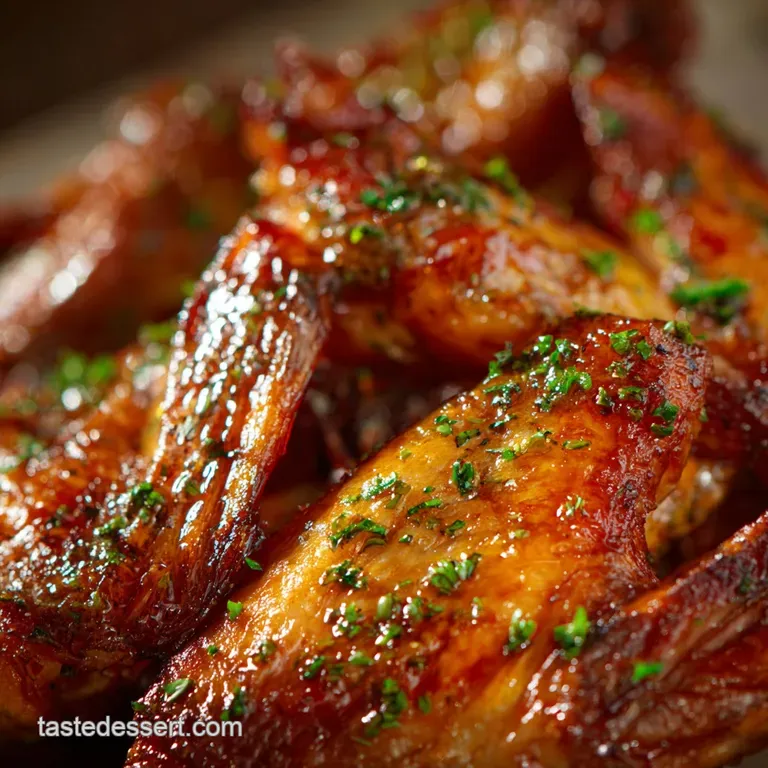
Unlocking the True Potential of Turkey Wings
Okay, let's talk turkey. Specifically, turkey wings. If you’ve only ever done chicken wings, you are missing out on one of the most flavour and packed, ridiculously satisfying pieces of poultry available.
I used to ignore them entirely, thinking they were too tough or too large to manage outside of Thanksgiving, but I was so wrong. Treat them right, and they become this ridiculously rich, deeply savoury treat with skin that actually crackles when you bite into it.
This isn't just another Baked Turkey Wings Recipe; it’s the definitive guide to getting maximum flavour and crunch from those beautiful, brawny wings.
The Critical Difference Between Turkey and Chicken Wings
Right? Huge difference. Chicken wings are mostly white meat, relatively delicate, and cook quickly. Turkey wings are dark meat, incredibly thick, and contain a ton more connective tissue and fat. This is good news, actually.
More fat means more flavour, but it also means you absolutely cannot cook them hot and fast like you would a standard buffalo wing. If you try that, you end up with dry skin and meat that chews like rubber because the collagen hasn’t had time to break down.
We need time, patience, and precise temperature control to render that fat and melt that tough tissue into pure, succulent gelatin. That’s the secret sauce before we even get to the spices.
Why Low and Slow Roasting Guarantees Tenderness
Think about the best slow and cooked pork shoulder or beef short ribs you’ve ever had. That beautiful, fall and apart texture comes from hours spent below the boiling point. The same principle applies here.
When you start the Turkey Wings In The Oven at a low temperature (325°F/160°C), you are giving that collagen the tough stuff that holds the wing together time to transform into gelatin.
That gelatin is what coats your mouth and makes the dark meat feel incredibly moist and luxurious, even when you cook it to a higher final temperature. This is the heart of what makes this a true Soul Food Baked Turkey Wings experience: relying on heat and patience, not just a marinade, to achieve tenderness.
What Makes This the Ultimate Baked Turkey Wings Recipe?
Two things, friend. First, the dual and temperature method. We tenderize low and slow, then we crank the heat to activate the crisping agent. Second, and this is the biggest hack I’ve learned: the dry brine featuring baking powder. I know, I know. It sounds weird.
But that small amount of aluminum and free baking powder mixed into the rub subtly alters the pH of the skin, which speeds up the browning reaction and creates tiny little air bubbles under the surface. It makes the skin shatteringly crisp without needing a deep fryer.
Trust me on this one; the skin on these Crispy Baked Turkey Wings is a revelation.
Crafting the Perfect Savory Spice Blend
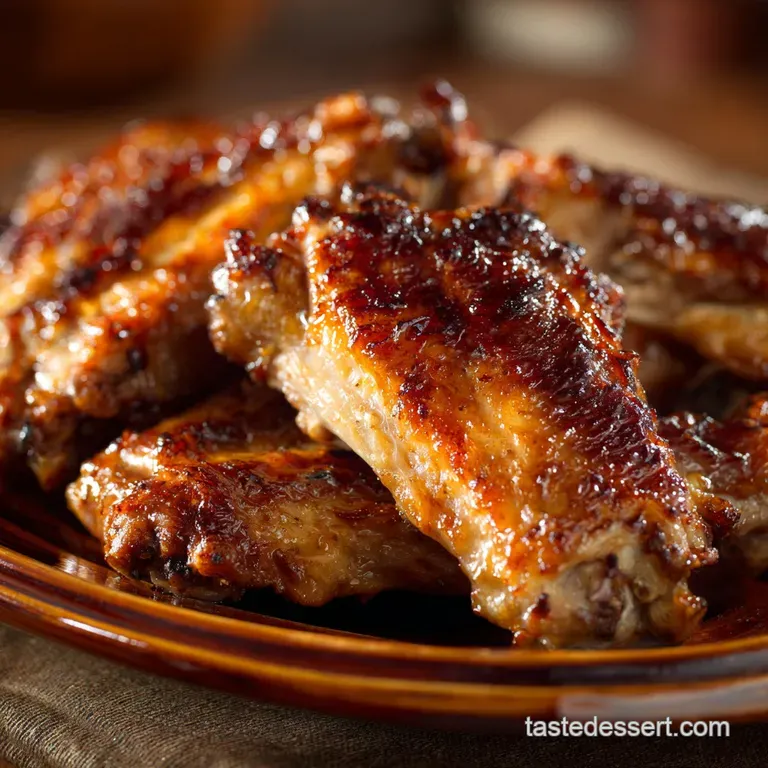
The rub is everything here. Since we aren't using a wet Marinade For Turkey Wings (because wet skin = soggy skin), the dry rub has to carry the flavour load.
Choosing the Right Cut: Fresh vs. Frozen Wings
Always aim for fresh wings if you can find them. The texture is usually better, and you avoid the extra moisture released by thawing. If you buy frozen, make sure they are completely thawed and I mean completely. Then, separate them at the joint if your butcher hasn't already.
You're usually dealing with a drumette and a flat (often called a 'tip,' though turkey tips are usually huge). Separating them ensures more surface area for the rub and better, more even cooking.
Measuring Out the Dry Brine Components
This blend focuses on deep, savoury, smoky notes classic flavours that marry beautifully with rich poultry fat. Don’t eyeball the salt and baking powder, those are crucial ratios for the dry brining process.
| Ingredient Function | Must and Haves | Why It Matters |
|---|---|---|
| Flavour Base | Smoked Paprika, Onion/Garlic Powder | Deep Umami, Colour |
| Moisture Control | Coarse Kosher Salt | Draws moisture out, seasons deeply |
| The Crisp Factor | Baking Powder (Aluminum and Free) | Essential for that skin crackle |
Essential Equipment for Crisp and Skin Baked Turkey Wings
There are really only two non and negotiable pieces of gear you need.
- The Wire Rack: This is vital. I once tried to save myself washing a rack and just put the wings directly on the pan. They came out perfect on top and mushy underneath, sitting in a puddle of rendered fat. Rookie mistake. The rack lets the air circulate and keeps the bottom of the wing dry and exposed to heat.
- The Thermometer: An instant and read thermometer is your best friend. Cooking times vary wildly based on oven calibration and the actual size of the wings. You simply can’t guess when these massive things are done. Safety first, texture second.
Related Recipes Worth Trying
- The Ultimate PubStyle Baked Potato Soup Recipe Flavour First — This proper Potato Soup Recipe is thick smoky and fully loaded We bake the potatoes first for unmatched flavourthe true PubStyle Baked Potato Soup
- The Ultimate Turkey Pot Pie with Sweet Potato Crust Leftover GameChanger — This Turkey Pot Pie with Sweet Potato Crust is the comforting hug you need Swap flaky pastry for an earthy savorysweet crust An easy turkey pot pie recipe...
- Proper PubStyle Crispy Baked Sweet Potato Irish Fries — Master the technique for crispy Baked Sweet Potato Irish Fries We use a starchwash for proper pub style chips delivering a delicious healthy sweet potato...
The Three and Stage Process: From Brine to Browning
This is where the magic happens, but only if you follow the steps exactly. Pay attention to the dryness factor.
Prepping the Wings: Trimming and Patting Completely Dry
Are they dry enough? Probably not. Do it again. Grab your stack of paper towels, separate those wings, and pat them down until the skin feels almost tacky or leathery. If you skip this, the salt will activate residual surface moisture, turning the skin soggy before it even gets a chance to crisp.
Once they're dry, rub them with a tiny bit of olive oil (just enough to bind the spices), then massage that glorious dry rub, including the baking powder, into every nook and cranny. Place them uncovered on your rack and chill for at least four hours. Overnight is better.
Mastering the Initial Low and Temperature Baking Phase
Preheat to 325°F (160°C). Not 350°F. Not 300°F. We want that Goldilocks temperature that melts the fat slowly. This is the main Baked Turkey Wings Cook Time phase where the meat gets tender. For the first hour and fifteen minutes, we don't look, we don't touch, and we certainly don't open the oven.
We are rendering the fat and tenderizing the connective tissues. This is not about browning yet; this is purely about texture development.
Achieving That Perfect, Restaurant and Quality Skin Crisp
Time to crank the heat! Bump the oven up to 425°F (220°C). This rapid jump in temperature, after the fat has mostly rendered, is what turns the skin from flabby to beautiful, golden and brown crackle. Bake for another 30 to 45 minutes.
Watch the colour closely, especially during the last 15 minutes. If they are getting too dark too fast, you can tent them loosely with foil, but usually, rotating the pan once is enough. They should look like they came off a magazine cover when you pull them out.
Verifying Doneness: Internal Temperature Guidelines
We are dealing with dark meat here, and dark meat needs a little extra heat to truly break down the tough stuff and become tender. While 165°F (74°C) is technically safe for poultry, aiming for 175°F (80°C) to 180°F (82°C) in the thickest part of the wing (avoiding the bone) will result in far superior, melt and in-your and mouth texture.
Crucial Note: Always check the thickest section, close to the bone. If you hit the bone, your reading will be artificially high, giving you a false sense of doneness. When the probe slides in easily, you’re good to go.
Troubleshooting and Maximizing Flavor Depth
Safe Storage and Reheating Instructions for Leftovers
If you miraculously have any of these left over (I rarely do), let them cool completely, then store them in an airtight container in the fridge for up to 3 days. To reheat without losing that precious crunch, skip the microwave entirely.
Instead, use an air fryer ( 10 minutes at 350°F/175°C) or place them back on a rack in a 400°F (200°C) oven for about 15 minutes. The high heat revitalizes the crisp skin beautifully.
Dynamic Flavor Variations for Baked Turkey Wings
Once you master this base recipe, it’s easy to switch up the flavour profile.
- Sweet and Sticky BBQ: For a fantastic change of pace, pull the wings out when they hit 165°F and brush them generously with a thick, high and quality BBQ sauce. Return them to the 425°F oven for the last 15 minutes, brushing them once or twice more until the sauce is caramelized.
- Garlic Parmesan: Toss the finished, rested wings immediately with melted butter, copious amounts of fresh minced garlic, and grated Parmesan cheese. A little Italian seasoning mixed in is a bonus.
- Spicy Buffalo Style: Swap the paprika for chili powder and add a teaspoon of cayenne to the rub. After resting, toss them in your favorite high and quality, butter and based buffalo sauce.
What Sides Pair Best with Rich, Savoury Poultry?
These wings are rich. Like, really rich. So you need sides that either soak up the drippings or cut through the fat with brightness and acid.
We usually do the full Thanksgiving Turkey Wings Recipe treatment, meaning creamy mashed potatoes and maybe some pan gravy made from the drippings (which you can easily thicken on the stovetop).
Alternatively, for a slightly lighter meal, a quick Turkey Wings And Rice Recipe combo is amazing serve the wings atop a bed of simple seasoned rice.
But if you want balance, make a big, vinegary coleslaw or a simple side of roasted Brussels sprouts tossed with balsamic glaze. That acidity is key to cleaning the palate between bites of that wonderfully fatty, crispy poultry. Go forth and conquer, my friend! You won't look at chicken wings the same way again.

Recipe FAQs
Right, let’s talk texture. How do I guarantee truly crispy skin on these Baked Turkey Wings?
The secret is a three step approach worthy of any Michelin kitchen: aggressively pat the wings bone dry, ensure you use the crucial baking powder in the rub, and allow them at least two hours uncovered in the fridge to properly air-dry the skin.
Why are we aiming for 175°F (80°C) when turkey is technically safe to eat at 165°F?
Turkey wings are dark meat, full of collagen and connective tissues, which need the extra heat (175°F 180°F) and the low-and-slow cooking method to fully dissolve; this ensures the meat becomes beautifully tender and falls off the bone, rather than being chewy.
I’m planning a proper feast. Can I dry brine the turkey wings overnight, and how should I handle leftovers?
Yes, dry brining overnight in the fridge is highly recommended for deeper flavour penetration and maximum skin dryness; store cooked leftovers airtight for 3-4 days, and to restore the crunch, reheat them on a wire rack in a 400°F (200°C) oven.
I only have chicken drumsticks or turkey drumsticks. Will this Slow Baked Turkey Wings technique work?
Absolutely; this method is fantastic for any large, dark meat poultry cut like chicken leg quarters or chunky turkey drumsticks, though you should increase the overall cooking time by 15 30 minutes to ensure they reach the 175°F internal temperature.
What if I don't have a wire rack for baking? Will they still crisp up properly?
While you can still achieve flavour, skipping the wire rack means the underside of the wings will sit in the rendered fat, resulting in a slightly soggy bottom it’s worth investing in a cheap rack to guarantee 360-degree heat circulation and superior crunch.
Crispy Slowbaked Turkey Wings Recipe
Ingredients:
Instructions:
Nutrition Facts:
| Calories | 450 calories |
|---|---|
| Fat | 30 grams |
| Fiber | 0 grams |
