Proper Crispy Southern Fried Catfish: a Masterclass in Crunch
- Mastering the Crunch: Why Southern Fried Catfish Reigns Supreme
- The Science of Crisp: Achieving the Ultimate Fried Catfish Texture
- Essential Ingredients for Perfect Crispy Fried Catfish
- Proper Method: How to Fry Catfish from Soak to Plate
- Troubleshooting Your Fry: Chef's Tips for Catfish Success
- Enjoying Your Fried Catfish: Storage, Reheating, and Sides
- Recipe FAQs
- 📝 Recipe Card
Mastering the Crunch: Why Southern Fried Catfish Reigns Supreme
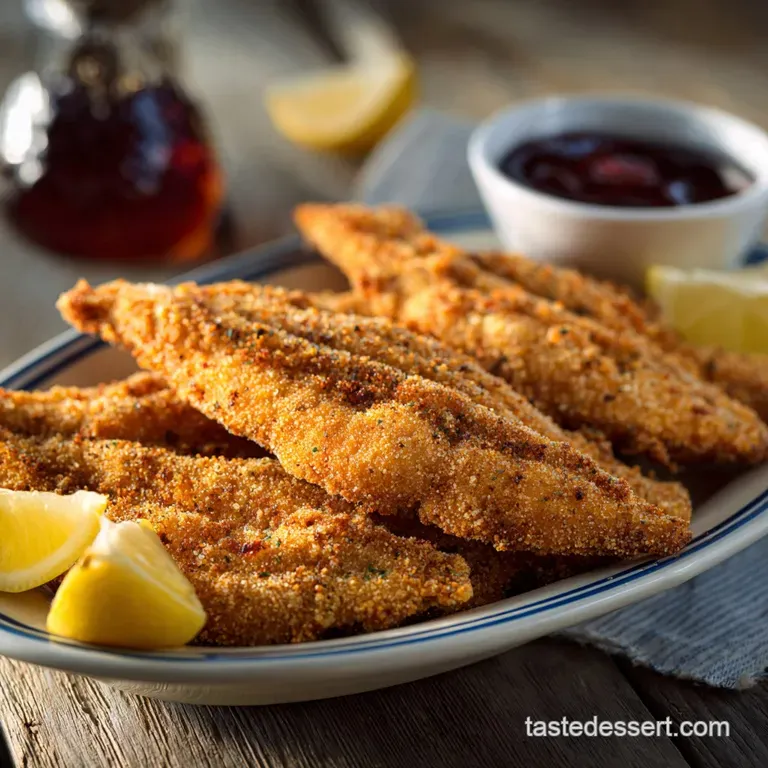
That sound is everything, isn't it? You bite through that fiercely seasoned, crackling cornmeal crust and hit pure, flaky, moist white fish inside. It’s the exact reason Southern fried catfish has been a staple for generations, and it’s what true comfort food is all about.
People often think deep frying is a huge production, but honestly, this recipe is a weeknight lifesaver if you know the tricks. Catfish is affordable, it cooks incredibly fast, and once you nail the proper dredge, it’s much simpler than frying say, a whole batch of Oven Fried Chicken Recipe: Crispy Buttermilk Thighs Drums .
Forget the soggy, bland stuff you might have had elsewhere, or that weird "muddy" flavour you worry about. I’m sharing every trick I learned the buttermilk secret, the seasoning ratio, and the one temperature mistake I made for years. Let's crack on and master this proper crispy fried catfish.
The Science of Crisp: Achieving the Ultimate Fried Catfish Texture
The true magic here lies in two distinct steps: the buttermilk soak and the specific cornmeal dredge ratio. Skipping either one guarantees a bland, inferior experience.
The acid in the buttermilk doesn't just tenderize the fish; it absolutely eliminates that sometimes "muddy" taste that scares people away from Catfish Recipes. Trust me, it’s a non-negotiable step for clean flavour and a tender interior.
Defining True Southern Catfish: Cornmeal vs. Flour
You need a mixture here, not just one binder. Using 100% flour results in a puffier, softer texture, more like British fish and chips. True Southern Fried Catfish relies heavily on fine yellow cornmeal for its distinctive gritty texture and superior crunch.
We add just enough flour to make sure the coating adheres perfectly, giving us the best of both worlds maximum crunch that stays put.
Is Catfish Muddy? The Buttermilk Solution
Yes, sometimes wild caught catfish can have a stronger, earthy flavour due to their diet. Buttermilk is a fantastic natural cure for this. The mild acidity neutralizes those stronger flavour compounds, ensuring your fried catfish fillets taste clean and sweet. This is the difference maker right here.
Prep Time & Difficulty Level Breakdown
This dish is medium difficulty because deep frying requires respect and a thermometer. If you pre-batch your dredge mix, the active prep time is minimal. We are looking at maybe 15 minutes of hands-on work before the fun begins.
Chef's Note: Never try to eyeball the oil temperature, seriously. Investing $10 in a good deep fry thermometer will save you a world of grief (and soggy fish).
The Buttermilk Bath: Tenderizing and Flavor Infusion
Think of the buttermilk as a pre-seasoning step. We don't just soak the fish in plain milk; we add a dash of hot sauce and salt directly to the bath. This ensures the flavour penetrates the fish before the dredging even begins, resulting in much deeper complexity than just seasoning the crust alone.
Cornmeal vs. Corn Flour: The Crunch Factor Explained
Always choose the fine yellow cornmeal, sometimes labelled as corn grits or polenta flour, but not cornstarch (which is a thickener). Cornstarch will make the coating too hard and shell like. Fine cornmeal provides that perfectly gritty, golden exterior that defines Fried Catfish And Fries beautifully.
Oil Temperature Dynamics for Perfect Flakiness
The most crucial rule in frying anything is consistency. If the oil is too cold (below 325°F), the Catfish soaks up the oil and turns greasy. If it's too hot (above 385°F), the outside burns before the thick fillet cooks through, leaving you with raw spots.
350°F to 375° F is the sweet spot for golden brown perfection and a cooked through, flaky centre.
Essential Ingredients for Perfect Crispy Fried Catfish
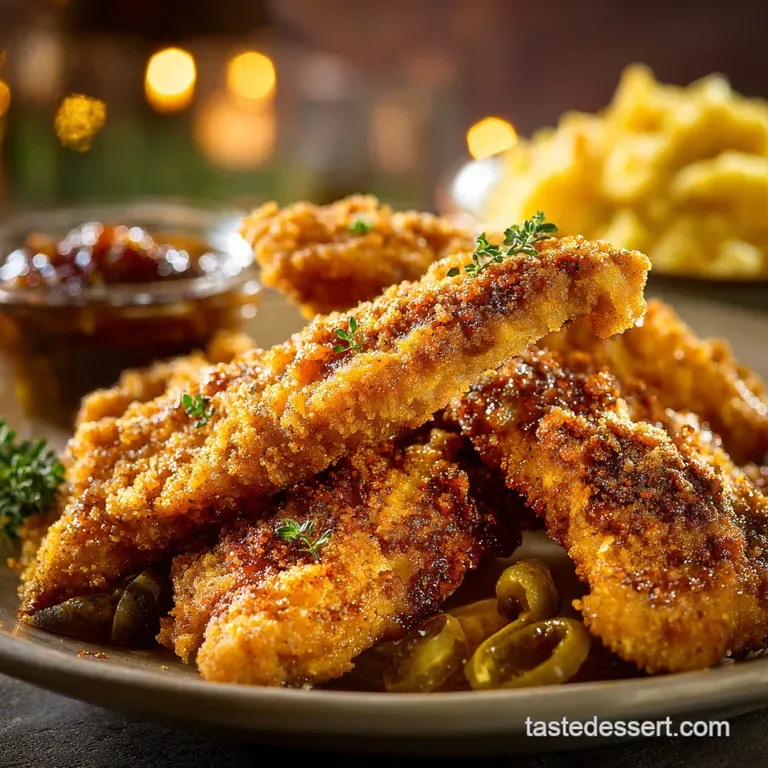
We are building a powerhouse dredge here, not just throwing salt at it. Every spice plays a specific role in creating the iconic flavour profile of Southern Fried Catfish.
Selecting the Best Catfish Fillets (Farm Raised vs. Wild)
For home cooking and guaranteed consistency, I usually recommend farm raised fillets. They are almost always milder in flavour and have a thinner profile, which means they cook faster and more evenly. If you do use wild caught, make sure your buttermilk soak time is at least 60 minutes.
Building the Signature Southern Seasoning Blend
This blend makes the crust fierce. I am heavy on paprika (for colour and smokiness), garlic and onion powders (for savoury depth), and a pinch of dried thyme. The thyme is a Southern trick it elevates the whole Mardi Gras Food experience beyond simple salt and pepper.
Don't skimp on the salt in the dredge; it needs to be heavily seasoned to carry the flavour through the thick cornmeal coating.
Ingredient Swaps: dairy-free Soak Alternatives
| Ingredient | Substitute | Notes |
|---|---|---|
| Buttermilk | Milk + Vinegar/Lemon Juice | Mix 1 cup milk with 1 tbsp acid; let stand 5 min. |
| Buttermilk (dairy-free) | Plant based Milk + Vinegar | Oat or soy milk work better than almond here. |
| All-Purpose Flour | Rice Flour or GF Blend | Rice flour gives a lovely, light crispness. |
| Peanut Oil | Canola or Vegetable Oil | Choose a neutral oil with a high smoke point. |
Proper Method: How to Fry Catfish from Soak to Plate
Seriously, read these steps twice. The secret is in the sequence!
Step 1: Preparing the Catfish Soak and Marinade Time
Rinse those fillets, pat them totally dry, and cut any huge ones in half. Mixing your buttermilk, hot sauce, and salt, then fully submerging the fish is crucial. Minimum 30 minutes in the fridge is essential ; I often do an hour while I prep my sides.
The soak is doing the heavy lifting right now.
Step 2: The Double Dredge Technique for Maximum Coating
We aren't dredging twice, but we are utilizing the soak perfectly. Lift the fish without shaking off the excess buttermilk. That dripping liquid is the glue! Place the wet fillet directly into the cornmeal mix, press it firmly on both sides, and ensure every bit is coated.
Now, this is my big tip: transfer the coated fish to a wire rack for 5 minutes before frying. This rest period allows the wet dredge to hydrate and set slightly. This tiny wait prevents the coating from shedding off in the hot oil.
Step 3: Frying Safely and Achieving Golden Brown Perfection
Heat your oil slowly in a heavy pot, monitoring that thermometer until you hit 350°F (175°C). Carefully lower 2 3 fillets into the oil using tongs, always dropping them away from your body. You should hear a vigorous, steady sizzle immediately.
Fry for 5 to 7 minutes, turning once, until they are deep golden brown.
Step 4: Resting and Post Fry Seasoning
Lift the cooked fish out and place it directly onto a clean wire cooling rack set over a tray. Please, step away from the paper towels they trap steam and kill the crunch instantly.
If you feel like your dredge wasn't quite salty enough, now is the time to sprinkle a tiny bit of fine salt over the hot fish immediately after it comes out of the oil.
Troubleshooting Your Fry: Chef's Tips for Catfish Success
We all mess up sometimes, I certainly have. My biggest catfish failure was trying to rush the temperature recovery. Don't be me.
Avoiding Soggy Coating: The Temperature Check
Soggy fish almost always means your oil temperature dropped too low when you added the fillets. Fix: Only fry small batches (2 or 3 fillets max at a time). Let the oil temperature fully recover to 350°F between batches.
You’ll see the thermometer reading dip, so wait for it to climb back up before the next round goes in.
Why Your Catfish Tastes Bland (and How to Fix It)
Blandness comes from under seasoning the dredge. You might think one tablespoon of salt is a lot, but remember, the coating is thick and needs flavour to carry through to the final bite.
Fix: Taste your dredge before adding the fish (yes, seriously you are tasting the spice level, not eating raw flour). If it tastes lightly seasoned, you need more salt and cayenne.
Scaling Up: Frying Catfish in Batches
If you are cooking for a huge crowd, keep the cooked batches warm in a 200°F oven while you finish the rest. Place them on the same wire rack setup. This keeps them hot without steaming them.
Enjoying Your Fried Catfish: Storage, Reheating, and Sides
But does it freeze well? You bet, under the right conditions.
Best Way to Reheat Leftover Fried Catfish (Maximizing Crisp)
Microwaving is a crime against crispy food. If you have leftovers, store them sealed in the fridge for up to 3 days. To restore the beautiful crunch, use an air fryer (400°F for 3– 5 minutes) or a conventional oven (425°F for 8– 10 minutes).
The high, dry heat is what locks the crispness back in.
Can I Freeze Catfish? (Raw vs. Cooked)
Raw (Dredged but Unfried): This is ideal for meal prep. Dredge the fillets, rest them for 5 minutes, then freeze them individually on a sheet pan. Once frozen solid, transfer them to a freezer bag.
Cook straight from frozen just add 2- 3 minutes to the frying time.
Cooked: You can freeze cooked Fried Catfish Po Boy pieces, but the crust will suffer slightly. Use the same method (freeze solid first, then bag). Reheat using the oven method above. It’s good for about 2 months.
Essential Southern Sides and Dipping Sauce Pairings
You need bright, cooling sides to cut through the richness of the fried fish. Coleslaw and hushpuppies are mandatory, of course.
For dipping, move beyond simple ketchup. A great tartar sauce or a spicy remoulade is brilliant. I also love serving these alongside a batch of Oven Fried Pickles and Herb Ranch Dip Crispy, Guilt Free Snack for the ultimate Southern comfort feast!

Recipe FAQs
Why is my crispy coating falling off or turning soggy?
A soggy coating often results from overcrowding the frying vessel, which drastically lowers the oil temperature, or not resting the dredged fish. Ensure the fillets are patted very dry before the buttermilk soak, and let the dredged fillets rest on a rack for 10 minutes before frying so the coating adheres properly.
How do I prevent the catfish from tasting "muddy"?
The crucial buttermilk soak is designed to tenderize the fish and neutralize the earthy compounds (geosmin) sometimes present in farm raised catfish. If you don't have buttermilk, soaking the fish in a mixture of milk and a tablespoon of vinegar or lemon juice for at least 30 minutes works as an effective substitute.
Can I use plain flour instead of cornmeal for the dredge?
While you can use plain flour, the characteristic powerful crunch of true Southern Fried Catfish relies heavily on the texture of coarse cornmeal. For optimal results, use a 50/50 blend of stone ground yellow cornmeal and all-purpose flour, which provides the best balance of adhesion and maximum crispiness.
What is the ideal oil temperature for deep frying catfish?
The ideal temperature for deep frying is 350°F to 375°F (175°C to 190°C); using a thermometer is essential for accuracy. Maintaining this high temperature ensures the fish cooks through quickly while immediately searing the crust, preventing the coating from absorbing excess oil and becoming greasy.
How can I tell when the catfish is perfectly cooked?
Catfish is cooked when the internal temperature reaches 145°F (63°C), and the flesh is completely opaque and flakes easily when tested with a fork. Depending on the thickness of the fillet, this process usually takes about 4 to 6 minutes per side in hot oil.
Can I use an air fryer instead of deep frying?
Yes, you can adapt this recipe for an air fryer, although the crust will be slightly less substantial than the deep fried version. Spray the heavily dredged fillets generously with oil and cook at 400°F (200°C) for 12 15 minutes, ensuring you flip the fish halfway through cooking.
What is the best way to store and reheat leftover fried catfish?
Store cooled leftovers in an airtight container in the refrigerator for up to 3 days, but avoid reheating them in the microwave, which turns the crust rubbery. To restore the famous crunch, reheat the fish in a 350°F (175°C) oven or an air fryer until the coating is hot and crisp again, about 8 10 minutes.
Crispy Southern Fried Catfish Masterclass
Ingredients:
Instructions:
Nutrition Facts:
| Calories | 472 kcal |
|---|---|
| Protein | 38.1 g |
| Fat | 10.6 g |
| Carbs | 37.3 g |
