The Ultimate Takeaway Fakeaway Sticky Crispy Mongolian Beef
Mastering the Ultimate Fakeaway: Why This Mongolian Beef Recipe Wins
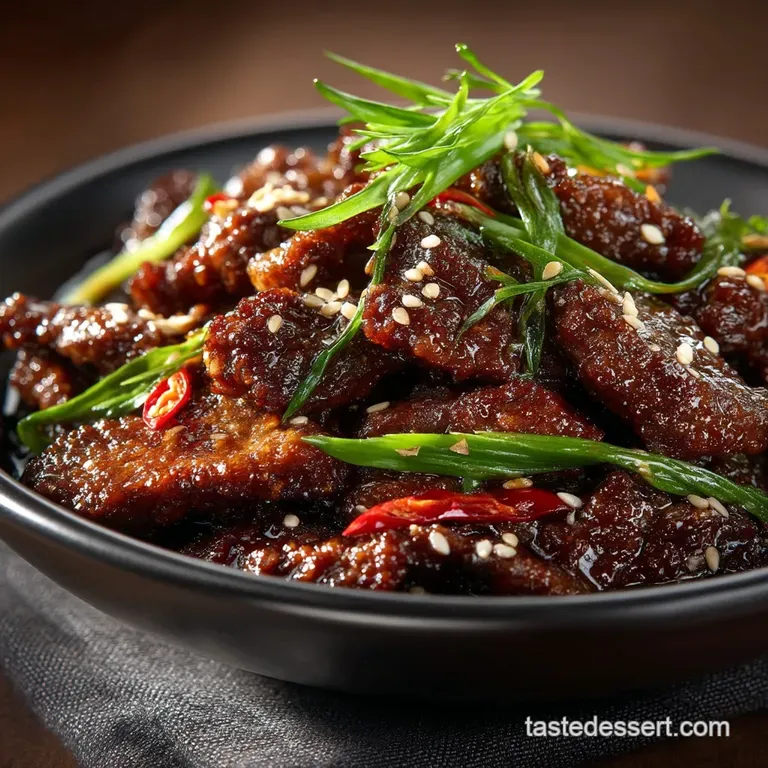
If you are hunting for the ultimate Saturday night sensation that genuinely rivals and often surpasses your local Chinese takeaway, look no further. This specific Mongolian Beef Recipe is designed for high impact flavour and flawless texture, making it one of the Best Mongolian Beef Recipes you’ll ever make at home.
The goal here is simple: achieving beef that is beautifully tender on the inside, wonderfully sticky and crispy Mongolian Beef on the outside, all coated in a dense, addictive glaze.
Forget calling for delivery; we are serving up the quintessential Takeaway Fakeaway Beef right in your own kitchen in under an hour.
Debunking the Myths: Is Real Mongolian Beef from Mongolia?
Despite the pervasive name, the dish we know and love is entirely an invention of Chinese American cuisine. Much like General Tso's Chicken, Mongolian Beef is not a traditional Mongolian dish; rather, its origins trace back to popular Taiwanese barbecue houses, which featured thinly sliced, stir fried meats.
This culinary evolution highlights the adaptability and innovation found within Chinese diaspora cooking, proving that heritage doesn't dictate deliciousness especially when crafting this phenomenal Beef Dinner Recipes Easy staple.
The Secret to the Crispiest Beef Texture
The hallmark of truly excellent restaurant quality Easy Mongolian Beef lies in its texture, which is achieved through two distinct preparatory steps. First, we employ the crucial ‘velveting’ technique, using baking soda and egg white to physically tenderise the beef.
This process dramatically softens the muscle fibres, ensuring the beef remains unbelievably tender, even after a high heat cook. Second, and equally vital for the crunch, is a generous coating of cornstarch immediately before frying.
This starch forms a moisture resistant barrier that flash fries into a delicate, golden crust, locking in the succulence and delivering that necessary crisp bite.
Why Cornflour is Your Best Friend for a Glossy Sauce
While the cornflour (cornstarch) is applied initially to the beef, its function extends beyond achieving crispiness. When the coated beef is flash fried, some residual starch remains on the surface and eventually contributes to the final glaze.
Combined with the high volume of dark brown sugar and soy in the liquid mixture, this residual starch acts as a powerful thickening agent during the rapid reduction phase. This interaction is key to creating the rich, syrupy consistency of the Mongolian Beef Sauce Recipe , guaranteeing it clings tightly to every piece of sticky and crispy Mongolian Beef .
Essential Components for Sticky Perfection
Mastering this dish requires attention to detail, starting with ingredient selection and precision slicing. These initial steps are where we build the foundation for maximum flavour and texture payoff.
Choosing Your Cut: Flank Steak vs. Sirloin Recommendations
For this high heat, fast cook method, the muscle structure of the beef is paramount. We recommend using flank steak or skirt steak. These cuts are relatively thin and possess a strong, defined grain, which makes the necessary step of slicing against the grain incredibly effective.
By choosing these cuts, you ensure that the beef, even after the intense frying, remains tender and chews beautifully, making this Beef Dinner Recipes Easy choice robust enough for weeknight preparation.
Pantry Staples for the Signature Sweet Savoury Glaze
The glorious dark, sweet, and complex glaze hinges on a precise balance of soy and sugar. To create the depth of colour and flavour synonymous with truly great Mongolian Beef , you need both light soy sauce (for salinity) and dark soy sauce (for rich, molasses like colour and umami).
The essential sweetness and stickiness come from dark brown sugar, which lends a far deeper, more complex flavour profile than white sugar. Combined with a touch of rice vinegar for balance and sesame oil for aroma, these ingredients create the multi layered Mongolian Beef Sauce .
Required Kitchen Gear: Do You Need a Wok?
A traditional wok is certainly the optimal tool for Asian cooking, providing fantastic heat distribution and high sloping sides perfect for flash frying and rapid stir frying. However, if a wok isn't available, don't let that stop you.
A large, heavy bottomed frying pan cast iron works particularly well will achieve the necessary high heat required for the flash fry stage and the subsequent rapid sauce reduction. The primary goal is maintaining a consistent, high temperature.
Prepping the Beef: Slicing Techniques for Maximum Crisp
The physical preparation of the beef is as crucial as the cooking itself. Always ensure your flank steak is sliced very thinly, aiming for approximately ⅛ inch (3 mm) thickness. Critically, you must slice against the grain .
This step shortens the tough muscle fibres, setting the stage for the tenderising effect of the baking soda marinade. Thin, uniform slices are essential for quick, even cooking, ensuring that every piece achieves maximum crunch and is coated efficiently by the glaze.
Related Recipes Worth Trying
- Our Best Amish Yumasetti Casserole Rich Beef and Noodle Bake — Crikey what a cracker This Amish Yumasetti Casserole is the ultimate creamy beefy hotdish Made from scratch for deeper flavour its a brilliant Amish Dinner...
- Crispy Air Fryer Beef Picadillo Empanadas Cuban Flavour Zero Fuss — These Air Fryer Beef Picadillo Empanadas are just the ticket Get crispy golden Cuban handpies with a fraction of the oil Easy Air Fryer Recipes for dinner...
- The Perfect Sunday Joint Tender Roast Beef with Rich Pan Gravy — Master the classic Sunday Roast Beef with foolproof instructions for a mediumrare finish and silky pan gravy made from scratch Perfect for beginners
step-by-step Guide: Executing the Crispy Mongolian Beef Recipe
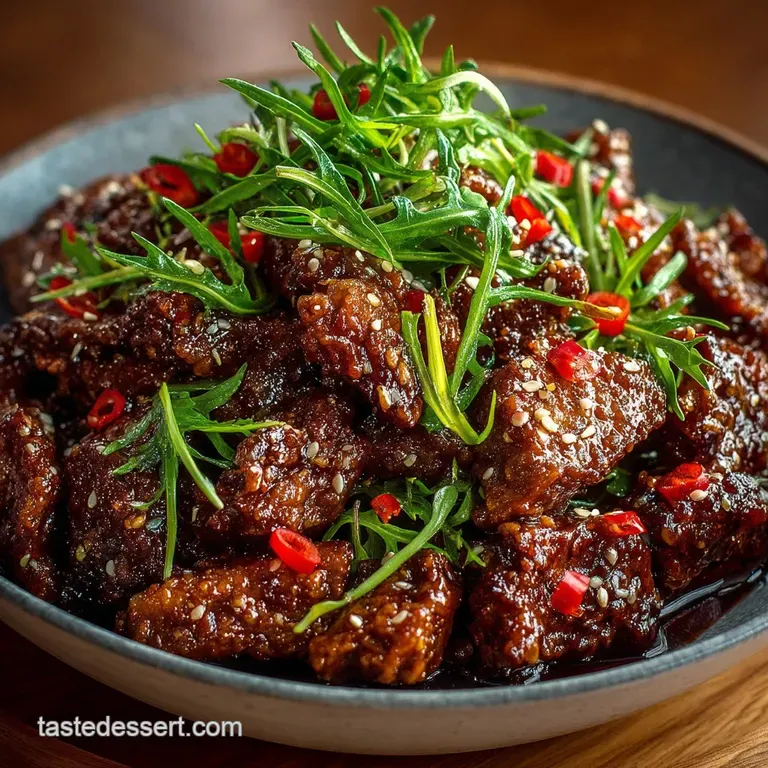
Once your beef is sliced, marinated (velveted), and thoroughly coated in cornstarch, we move swiftly into the high heat cooking stages of this Crispy Mongolian Beef Recipe .
Achieving the Perfect Flash Fry: Oil Temperature Matters
Heat management is the defining factor between soggy, oily beef and perfectly crispy beef. You need to heat about two cups of neutral oil to 180° C ( 350° F). Maintaining this temperature is paramount.
Crucially, the beef must be fried in small batches no more than one-third of the total beef at a time. Overcrowding the wok will instantly drop the oil temperature, causing the beef to stew and absorb excess oil.
Fry each batch for just 1 to 2 minutes until perfectly golden, then immediately remove it with a slotted spoon and allow it to drain on a wire rack to maintain its crispness.
The Art of the Sauce Reduction (Creating that ‘Sticky’ Finish)
With the beef finished, carefully pour off all but about one tablespoon of the frying oil. Now we build the flavour base by quickly sautéing the minced ginger and garlic for about 30 to 60 seconds until they become intensely fragrant.
Next, whisk your reserved sauce mixture one last time and pour it into the hot wok. Immediately increase the heat to high. The sauce must come to a rapid, rolling boil. Maintain this boil for 1 to 2 minutes, stirring constantly.
You will witness the mixture bubble aggressively and visibly reduce, achieving that glossy, thick, syrupy texture that defines the ultimate Mongolian Beef Sauce Recipe .
Combining and Coating: Tossing for Even Glaze Distribution
Once the sauce has reduced to the perfect viscosity it should coat the back of a spoon turn off the heat completely. Promptly return the drained, crispy beef to the wok. Working quickly, toss the beef thoroughly to ensure every single piece is coated in the thick, beautiful glaze.
Finish the dish by stirring in the white parts of the sliced spring onions, followed by the green parts. This entire process must be fast, as the coating starts to soften the moment it hits the sauce. Serve immediately while the beef retains its magnificent crunch.
Maximising Flavour and Handling Leftovers
Adapting Your Fakeaway Experience
Even the best cooks occasionally encounter snags. Knowing how to troubleshoot common issues and pair your dish correctly will elevate this Easy Mongolian Beef from good to fantastic.
Troubleshooting: Why Did My Sauce Turn Runny?
The most frequent culprit for a runny glaze is insufficient reduction time. If you didn't boil the sauce rapidly enough for the full minute or two, the sugar content won't concentrate, and the desired viscosity won't be reached.
Alternatively, if the beef wasn't thoroughly coated with cornstarch before frying, there wasn't enough residual starch carried into the sauce to aid the thickening process. Always trust the rapid boil to achieve that coveted sticky reduction.
Quick Serving Suggestions and Side Dish Pairings
The richness and profound savoury sweetness of this dish demand a simple, refreshing counterpoint. A bowl of perfectly steamed Jasmine or Basmati rice is non-negotiable for soaking up the excess Mongolian Beef glaze.
To complete the Takeaway Fakeaway Beef meal, pair it with some quick blanched greens, such as Bok Choy or Tenderstem Broccoli, tossed simply with a pinch of salt and sesame oil. The fresh crunch of the greens provides the necessary textural and flavour break from the sticky, rich beef.
Storage and Reheating Tips for Crispy Takeaway Dishes
A crucial factor to understand is that once the crispy fried beef is tossed in the wet glaze, the exterior will immediately begin to soften. Therefore, this dish is best consumed immediately. If you do have leftovers, store them in an airtight container in the refrigerator for up to three days.
To reheat, avoid the microwave, which will turn the coating mushy. Instead, spread the beef in a single layer on a baking sheet and heat quickly in a hot oven (around 200° C/ 400° F) or, ideally, in an air fryer for 3– 5 minutes.
This high heat blast helps dry out the coating, restoring some of the texture.
Healthier Swaps: Making This Dish Lighter
While this is typically a rich dish, several swaps can lighten the load without sacrificing flavour. To significantly reduce absorbed fat, consider pan-searing the velveted, cornstarch coated beef in a non-stick pan with minimal oil, or even better, air-frying it until crisp, rather than shallow frying.
To control sodium, swap regular soy sauce for low-sodium Tamari or light soy sauce. If you are watching sugar intake, you can marginally reduce the dark brown sugar or substitute a portion with a natural sweetener, though this will slightly alter the deep molasses flavour of the glaze.
Nutritional Breakdown (Per Serving Estimate)
Based on a yield of four generous servings, this Sticky and Crispy Mongolian Beef is calorie and protein dense. Estimates suggest that each serving contains approximately 550 650 kcal, 35 40 grams of protein, and 45 55 grams of carbohydrates (primarily from the sugar and cornstarch coating).
Due to the heavy use of soy sauce, sodium levels are high, typically ranging from 1200 1500 mg per serving. This nutritional summary provides context for enjoying this decadent Beef Dinner Recipes Easy dish as an occasional treat.

Recipe FAQs
Why didn't my beef stay crispy when I cooked this Mongolian Beef?
Ah, the eternal struggle of the ‘fakeaway’! Crispiness usually fails for two key reasons: either the oil wasn't hot enough (you're aiming for 180°C/350°F), or you overcrowded the wok.
Chucking too much beef in at once drops the temperature faster than a bowling ball, meaning the meat steams rather than flash fries. Ensure you cook in small batches and drain the pieces properly on a wire rack not just a paper towel before tossing them into that glorious, sticky sauce.
What’s the deal with the baking soda? Is that really essential for tenderising the meat?
That tiny amount of bicarbonate of soda is a proper secret weapon, often referred to in Chinese cooking as "velveting." It works by slightly raising the pH of the meat surface, which stops the protein from tightening up too much when exposed to high heat.
This guarantees that even a slightly tougher cut like flank steak comes out unbelievably tender, mimicking the melt-in-the-mouth texture you get at your favourite restaurant.
I find many Chinese American dishes a bit too sweet can I adjust the sugar level?
You certainly can, but don't skip the sugar entirely, as it's crucial for achieving that essential glossy, sticky reduction. We suggest dialling back the dark brown sugar by about 25g (1 to 2 tablespoons) initially, replacing the lost volume with a little extra stock.
To further cut the sweetness, you can also increase the rice vinegar slightly, or add a pinch of chilli flakes during the sauté stage for a bit of warmth.
Is there a way to make this recipe healthier, maybe by air frying or baking the beef?
Absolutely, you can ditch the traditional frying for a healthier weeknight fix! Toss the cornstarch coated beef with just a tablespoon of neutral oil and air fry at 200°C (400°F) for 8 10 minutes, giving the basket a good shake halfway through.
While you won't get quite the same deep fried crispiness, it still provides a cracking crust and makes a much lighter dinner that’s less heavy on the conscience.
I've made too much! How long can I keep the leftovers and how should I reheat them?
Leftovers will keep perfectly well in an airtight container in the fridge for up to 3 to 4 days. Just be warned, the beautiful crispy coating will soften once it's been sitting in the sauce overnight that's just inevitable, bless it.
To reheat, avoid the microwave if possible; quickly stirring the leftovers in a hot wok or frying pan until warmed through is the best way to gently revive the texture and sauce consistency.
Crispy Sticky Mongolian Beef Fakeaway
Ingredients:
Instructions:
Nutrition Facts:
| Calories | 3206 kcal |
|---|---|
| Protein | 18.7 g |
| Fat | 81.0 g |
| Carbs | 76.9 g |
| Fiber | 10.5 g |
| Sodium | 11153 mg |
