The Perfect Duchess Decadent Easy Potatoes Au Gratin
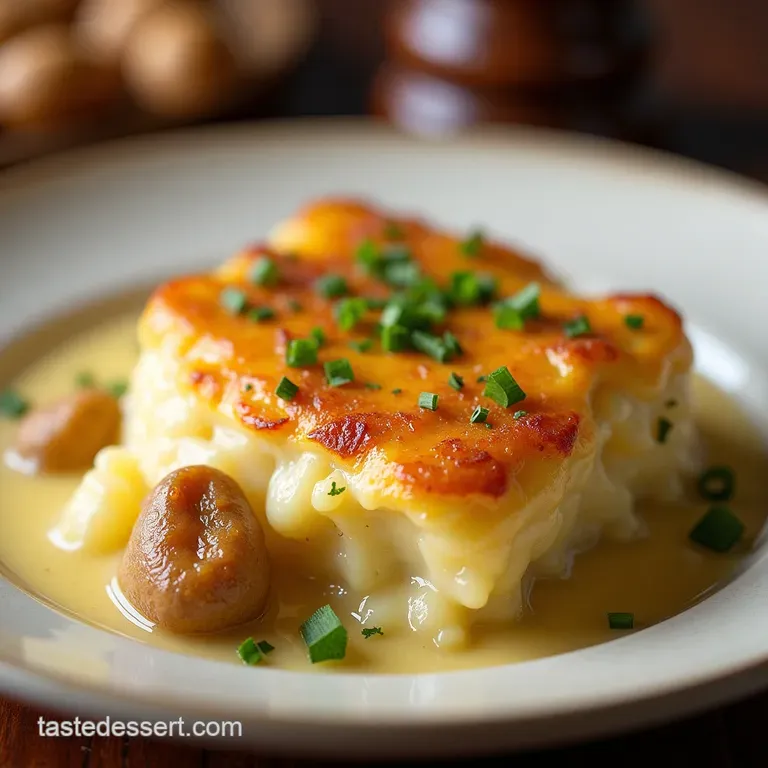
- Unveiling the Secrets to Truly Sensational Au Gratin Potatoes
- Why This Recipe Outshines the Rest: A Celebration of Cream and Crunch
- Assembling Your Culinary Arsenal: Essential Components for Perfection
- Sourcing Superior Spuds and Dairy Gold
- The Step-by-Step Journey to Golden-Brown Bliss
- Mastering the Silky Sauce Base
- Elevating Your Experience: Expert Tips and Delicious Twists
- Keeping Your Masterpiece Fresh: Storage and Reheating Guidance
- Recipe FAQs
- 📝 Recipe Card
Unveiling the Secrets to Truly Sensational Au Gratin Potatoes
There are side dishes, and then there is Potatoes Au Gratin. This isn't merely baked potato slices swimming in cheese; it is a culinary statement, a golden testament to the marriage of starch and dairy.
When done correctly, these Creamy Au Gratin Potatoes achieve a texture so silken, so deeply satisfying, that they steal the spotlight from the main course. Our deep dive today uncovers precisely how to elevate this classic French inspired dish from good to utterly legendary, ensuring your Homemade Au Gratin Potatoes become the subject of much praise.
Why This Recipe Outshines the Rest: A Celebration of Cream and Crunch
What separates a truly spectacular gratin from a heavy, gluey casserole? It hinges on technique and the quality of the foundational components. Our approach emphasizes building a velvety sauce and achieving perfect, tender potato layers crowned with an impeccably crisp, browned topping.
The Comfort Food Crown Jewel Explained
Many home cooks confuse this dish with its close cousin, Potatoes Scalloped. To clarify, the defining feature of Au Gratin Potatoes is the presence of cheese, often baked under a browned crust (the gratin topping).
While Au Gratin vs Scalloped Potatoes can be a passionate debate, this recipe embraces the cheese generously, using it both within the sauce and on top for maximum flavour and texture contrast. This is decadence defined.
Setting the Stage: What Makes This Gratin Unforgettable
This particular Potatoes Au Gratin Recipe succeeds because it focuses on a precise slice thickness think 1/8 inch which allows the potatoes to cook through evenly while absorbing the rich sauce.
We utilize a combination of whole milk and Au Gratin Potatoes with Heavy Cream to achieve that unparalleled richness, ensuring every bite melts on the tongue.
It’s the Best Au Gratin Potatoes preparation because it respects the integrity of the sauce while prioritizing that vital golden crust.
A Note on Authenticity: Tradition Meets Modern Kitchens
The original French Gratin Dauphinois traditionally uses only cream and garlic, omitting cheese entirely. However, for the American palate, and for creating a truly robust Holiday Side Dish Au Gratin , incorporating Gruyère and Parmesan takes this dish to its peak potential.
We strike a perfect balance, honouring the rich base while delivering the cheesy satisfaction everyone craves in an Easy Au Gratin Potatoes Recipe .
Assembling Your Culinary Arsenal: Essential Components for Perfection
Success in this complex layering dish relies heavily on selecting ingredients that support the structure and flavour profile. We are aiming for lusciousness without sogginess.
Sourcing Superior Spuds and Dairy Gold
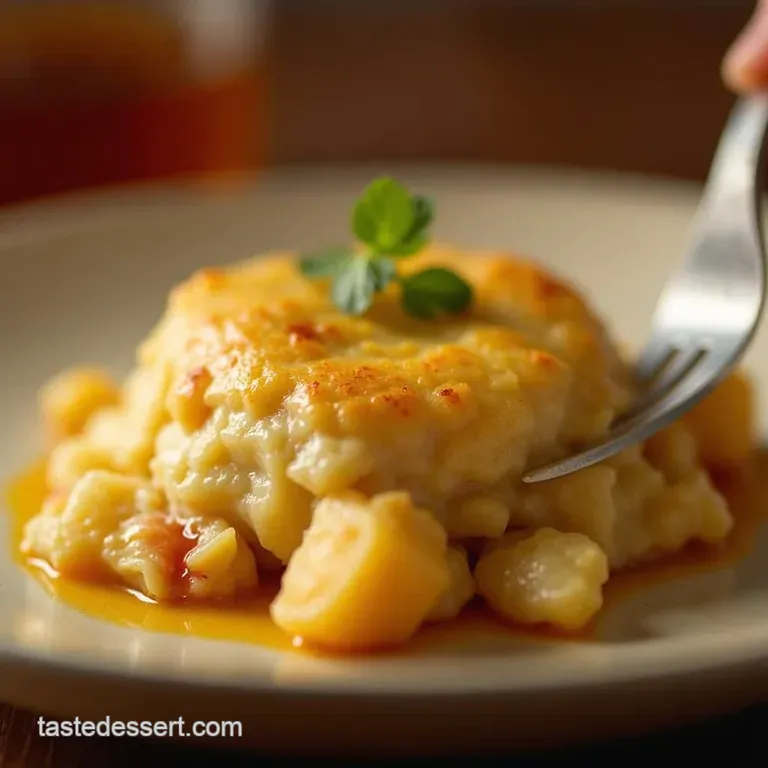
The foundation of this entire preparation rests on the quality of your starch and your dairy. Don't compromise here; these ingredients do the heavy lifting.
The Must Have List: Quantities and Quality Checks
For this recipe, serving 6 to 8 people generously, you’ll need approximately 3 pounds of potatoes. For the sauce, we anchor it with 4 tablespoons of butter and flour to form a light roux, slowly introducing 2 cups of whole milk and 1 cup of luxurious heavy cream.
The flavour boosters are crucial: a hint of nutmeg, black pepper, and savory Gruyère cheese, grated fresh from the block, not pre-shredded.
Selecting the Right Starch: Potato Varieties That Won't Fail
Choosing the correct potato is non-negotiable for perfect texture. You need a potato that holds its shape somewhat but releases enough starch to help the sauce set. Russet potatoes are excellent for their high starch content, which thickens the sauce beautifully.
Alternatively, Yukon Golds offer a naturally buttery flavour and slightly waxy texture that results in incredibly Cheesy Au Gratin Potatoes that still slice neatly. The key takeaway is: do not rinse the slices after cutting, as that starch is your natural thickening agent.
Essential Tools for Seamless Slicing and Layering
While a very sharp chef’s knife can manage the slicing, achieving the uniform thinness required for even cooking ideally 1/8 inch is best done with a mandoline slicer. Uniformity prevents undercooked centres or over softened edges.
On top of that,, have a sturdy whisk ready for creating that silky smooth sauce base and a 9x13 inch baking dish ready for layering.
Related Recipes Worth Trying
- Best Creamy Mashed Potatoes Recipe Foolproof Fluffy Mash — Forget watery mash This foolproof recipe for Creamy Mashed Potatoes uses the drying trick for ultrafluffy results perfect for Thanksgiving or any Sunday roast
- The Ultimate Savory Roasted Sweet Potatoes Recipe Smoked Paprika Crispy — Skip the sugar Learn how to make truly gourmet Savory Roasted Sweet Potatoes We use high heat rosemary and smoked paprika for crispy cubes and umami depth...
- Best Sides for Prime Rib Creamy Garlic Mashed Potatoes — Looking for the best sides for prime rib These Creamy Garlic Mashed Potatoes are unbelievably good Garlic confit elevates this easy recipe Get the recipe
The step-by-step Journey to Golden Brown Bliss
Moving from raw ingredients to a bubbling, golden casserole requires focused attention during the early stages, particularly when constructing the sauce.
Mastering the Silky Sauce Base
The heart of the dish lies in the sauce. We begin by making a simple béchamel, which will transform into our luxurious cream base. Start by melting 4 tablespoons of unsalted butter in a saucepan over medium heat.
Whisk in 4 tablespoons of all-purpose flour to create a smooth roux, cooking it gently for about a minute or two until it smells faintly nutty this cooks out the raw flour taste. Next, introduce the 2 cups of milk slowly, whisking constantly until the mixture begins to simmer and coats the back of your spoon.
Remove this from the heat immediately and stir in the full cup of heavy cream, the salt, pepper, and that essential whisper of nutmeg. Finally, fold in half a cup of your Gruyère until it vanishes into the creamy liquid, creating a rich, foundational sauce.
Preparing the Potatoes: Precision Slicing Techniques
With your sauce simmering gently, turn your attention to the 3 lbs of peeled potatoes. Using that mandoline set to 1/8 inch, slice all your potatoes quickly. Remember, these slices are going into the baking dish raw; they rely entirely on the surrounding liquid to cook them through.
Building the Layers: Achieving Optimal Distribution
Prepare your baking dish by rubbing it thoroughly with a cut clove of garlic and then generously greasing it with softened butter. Begin layering: place one-third of your potato slices in an even layer across the bottom, sprinkling lightly with salt and pepper.
Pour one-third of your prepared sauce evenly over this layer. Repeat this layering process two more times. It is crucial that the potatoes are submerged as much as possible in the liquid to ensure tenderness.
The Baking Ritual: Temperature Control for Creamy Interiors
Once the final layer of potatoes is covered by the remaining sauce, scatter the remaining Gruyère and all of the finely grated Parmesan cheese across the top. Cover the dish tightly with aluminum foil. Preheat your oven to 375° F ( 190° C).
Bake covered for 40 minutes. The foil traps steam, ensuring the potatoes soften beautifully.
Achieving That Final, Irresistible Crust
After 40 minutes, remove the foil. The potatoes should be nearly tender, and the liquid should be bubbling up around the edges. Return the uncovered dish to the oven for another 20 to 30 minutes.
This final uncovered stage is what develops the signature golden brown colour and the delightful, slightly crisp texture on top the defining feature of this dish.
Elevating Your Experience: Expert Tips and Delicious Twists
Once you master the basic technique, this dish opens itself up to delightful experimentation, ensuring your Au Gratin Potatoes always feel special.
Keeping Your Masterpiece Fresh: Storage and Reheating Guidance
Leftovers are inevitable (and welcome!). Allow the dish to cool completely, then cover tightly with plastic wrap or transfer portions to an airtight container. Refrigerate for up to three days.
Reheating is best done slowly in the oven at 325° F ( 160° C), covered with foil, until heated through, which helps prevent the sauce from breaking or drying out.
Troubleshooting Common Au Gratin Potatoes Pitfalls
If your potatoes emerge watery, it usually means the layers were too tightly packed, preventing the starch from setting the sauce properly, or you skipped the crucial 10-minute resting period post baking. If the top browns too quickly, simply tent it loosely with foil for the remainder of the baking time.
Flavor Enhancements: Herb Infusions and Cheese Upgrades
To deepen the profile of your Creamy Au Gratin Potatoes , consider adding a teaspoon of fresh thyme leaves during the layering stage. For a bolder flavour, substitute half the Gruyère with a smoked Gouda or an aged sharp white Cheddar.
The slight tanginess of a sharper cheese cuts through the richness beautifully.
Nutritional Snapshot: Understanding the Decadence
It is important to recognize that this dish is a decadent indulgence, primarily due to the heavy cream and generous cheese usage. It is rich in fat and flavour, offering satisfying complex carbohydrates from the potatoes.
Enjoyed in moderation as part of a balanced meal, this remains a justifiable treat for any special occasion.
Can You Freeze This Creamy Delight? Practical Advice
While technically possible, freezing cream and-starch heavy dishes like this can sometimes result in a slightly separated or grainy texture upon thawing and reheating due to the dairy fat splitting.
If you must freeze it, cool it rapidly, freeze flat, and reheat very slowly, adding a splash of milk or cream if necessary to loosen the texture before baking again. For the Best Au Gratin Potatoes , making them fresh is always the superior choice.
Recipe FAQs
Can I make these Potatoes Au Gratin ahead of time? I'm hosting a proper knees-up!
Absolutely, you can prep this beauty in advance! Assemble the entire dish potatoes layered with sauce and topped with cheese but don't bake it. Cover it tightly with cling film and pop it in the fridge for up to 24 hours.
When you're ready, add about 15 20 minutes to the initial covered baking time to allow it to warm through properly before removing the foil.
My sauce often splits or turns grainy when I make gratin. What am I doing wrong?
That's a right pickle! Graininess usually happens if you add the milk too quickly to the roux or if the heat is too high when adding the cheese. Make sure your béchamel simmers gently, and when adding the dairy, whisk continuously over low heat.
Also, avoid boiling the sauce once the cheese is incorporated, as high heat can cause the cheese proteins to separate.
Do I really need to use a mandoline, or can I just chop the potatoes thinly by hand?
While you can certainly use a very sharp knife, a mandoline is genuinely your mate here for the best results. The key to perfect Potatoes Au Gratin is consistency; every slice needs to be virtually identical (about 1/8 inch).
If the slices are uneven, some will be mushy while others remain stubbornly hard after cooking.
What's the secret to getting that lovely, bubbly, golden crust without burning the top?
The secret lies in the two-stage bake, just like the recipe suggests! Bake it covered with foil for the first 40 minutes; this steams the potatoes underneath, ensuring they cook through completely.
Only once they are tender do you remove the foil to crisp up that gorgeous cheese topping during the final blast in the oven.
Can I use different cheeses besides Gruyère in this Au Gratin recipe?
Yes, you can certainly experiment, though Gruyère gives that classic, nutty depth. If you fancy a tangier flavour to cut through the richness, try substituting it with a high-quality, sharp English Cheddar.
Just be sure to use a hard, good melting cheese, as soft cheeses tend to release too much oil during baking.
I heard I shouldn't rinse the potatoes why is that important for Au Gratin Potatoes?
That's spot on; leave the starch on! The natural starch that clings to the surface of the sliced potatoes acts as a natural thickener for your cream sauce as it bakes. If you rinse them clean, you risk ending up with a looser, soupier sauce rather than the thick, luxurious coating we’re aiming for!
Decadent Au Gratin Potatoes
Ingredients:
Instructions:
Nutrition Facts:
| Calories | 2404 kcal |
|---|---|
| Protein | 17.1 g |
| Fat | 64.3 g |
| Carbs | 47.4 g |
| Fiber | 7.6 g |
| Sodium | 7026 mg |
