Double Chocolate Shortbread: Deeply Decadent, Crumbly Biscuits
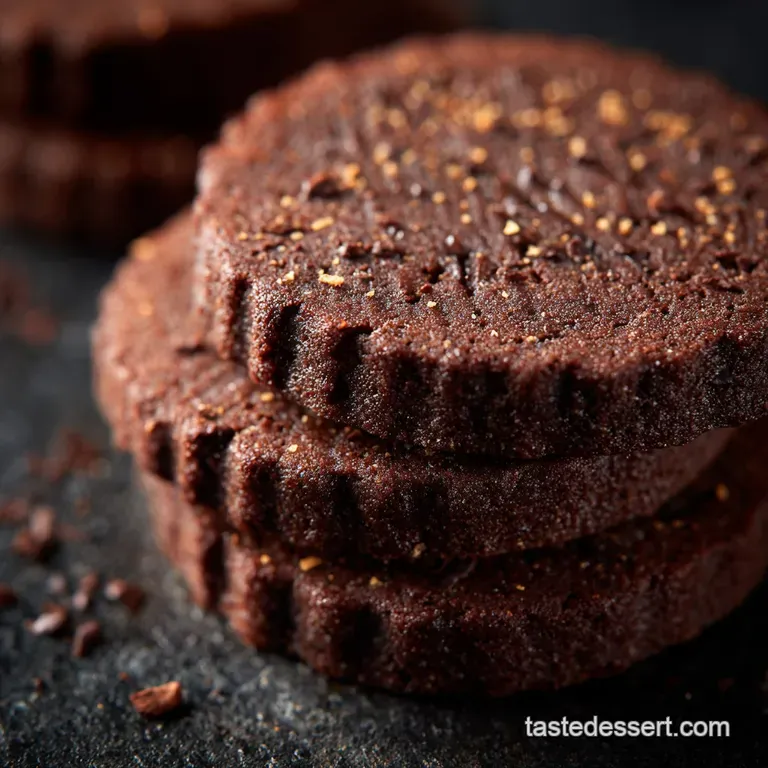
- Introducing the Deeply Decadent Double Chocolate Shortbread
- The Science of Crumb: Why This Double Chocolate Shortbread Texture is Perfect
- Essential Ingredients and Expert Substitutions
- Mastering the Method: Step-by-Step Shortbread Technique
- Troubleshooting and Chef's Notes for Flawless Results
- Extending Freshness: Storage and Freezing Your Shortbread
- Decadent Pairings for Double Chocolate Shortbread Biscuits
- Recipe FAQs
- 📝 Recipe Card
Introducing the Deeply Decadent Double Chocolate Shortbread
When I tell you this double chocolate shortbread recipe smells like a luxury European chocolate shop, I am absolutely not kidding. The aroma of deep, dark cocoa hits you first. Then you feel that incredible, sandy, melt-in-your mouth crumb against your tongue. It’s pure bliss, honestly.
Shortbread is truly a lifesaver dessert, especially during busy weeks. You only need a handful of pantry staples, it mixes up in minutes, and the actual baking is completely hands off. It’s the perfect, simple treat when you need something deeply satisfying and impressive without spending all day in the kitchen.
Seriously, forget those fussy layered desserts; this is fast.
We are taking the classic three ingredient ratio (butter, sugar, flour) and adding intense cocoa powder and melted chocolate chunks for that necessary double hit of flavour. I’ve refined the technique over years of baking mistakes (mostly related to forgetting to chill the dough), and now I’m handing you the perfect, foolproof guide.
Let's make the best double chocolate shortbread biscuits you will ever taste.
The Science of Crumb: Why This Double Chocolate Shortbread Texture is Perfect
Shortbread seems easy, but getting that signature sandy crumb requires specific scientific decisions. We want melt-in-your mouth magic, not a tough, cakey biscuit. This recipe intentionally limits ingredients that encourage toughness.
The Crumbly Foundation: What Makes Shortbread Unique?
Classic shortbread is fundamentally different from a cookie because it contains no leavening agent like baking soda or powder. The fat content is also extremely high, often a 2:1 ratio of fat to sugar by weight.
This massive amount of butter is what inhibits gluten development, forcing the flour structure to remain short and crumbly.
Why We Use Cocoa: The Shift from Classic to Cacao Rich
Adding cocoa powder replaces a portion of the flour, which changes the density and flavour profile dramatically. Cocoa absorbs liquid differently than flour and contributes to a beautiful, dryer texture, making the finished biscuit even more tender.
Plus, it gives us that gorgeous, deep mahogany colour, which is essential for a truly decadent treat.
Quick Overview of Prep and Bake Time
This is a fast dough to assemble, requiring only about 15 minutes of active time. The longest part is the mandatory chill time, which is non-negotiable for perfect edges and minimal spread.
Baking low and slow is key; we are aiming for dryness and texture, not quick browning, especially since the cocoa masks doneness.
The Role of Powdered Sugar vs. Granulated (Texture Focus)
I prefer fine caster sugar (superfine granulated sugar) over standard powdered sugar for this double chocolate shortbread recipe . While powdered sugar contains cornstarch which prevents caking, I find that fine granulated sugar gives the shortbread a sturdier structure without being grainy. It dissolves completely during the creaming process, delivering that smooth texture we crave.
Achieving the Bittersweet Balance (Flavor Focus)
This is a double chocolate recipe, which means richness is paramount, but bitterness needs balancing. The combination of rich, slightly acidic cocoa powder and high fat butter is offset by the sugar.
We use high-quality dark chocolate chunks (60 70% cacao) to ensure intensity without becoming overly sweet. A dash of salt is absolutely mandatory here; fine sea salt enhances the cocoa flavour tremendously.
Minimizing Gluten Development: The Key to Melt-in-Your Mouth Consistency
The single biggest mistake a new baker can make with shortbread is overmixing the flour. When you add the dry ingredients, mix only until the shaggy dough just comes together.
Mixing too vigorously activates gluten, which creates elasticity and chewiness the exact opposite of the tender crumble we are striving for.
Essential Ingredients and Expert Substitutions
Shortbread has few ingredients, so quality really matters. Don't skimp on the butter or the cocoa powder if you can help it.
Selecting the Best Butter for Optimal Flavor and Crumb
| Ingredient | My Top Choice | Substitution | Notes |
|---|---|---|---|
| Butter | Unsalted European Style (higher fat) | high-quality plant based butter sticks | Critical: Must be cold room temperature, never soft or greasy. Salted butter can work, but reduce added salt to a small pinch. |
| Caster Sugar | Caster Sugar (Superfine) | Standard Granulated Sugar | The texture will be slightly less refined, but still delicious. Do not use sticky brown sugar here. |
| Flour | All-Purpose Flour | 1:1 gluten-free Baking Blend | Look for blends that contain xanthan gum. You might need a tiny splash of milk if the dough feels too dry. |
Dutch Process vs. Natural Cocoa Powder: Which is Superior Here?
I am a massive fan of Dutch process cocoa powder for this specific recipe. It is alkalized, meaning it’s less acidic and provides a smoother, deeper, almost black colour that shouts decadence.
Natural cocoa powder is fine, but it will result in a lighter, slightly drier biscuit with a sharper flavour.
Choosing Your Chocolate Chunks: Semi Sweet vs. Dark Ratio
I always choose bittersweet or dark chocolate (60% to 70% cacao) for the chunks. Semi sweet chocolate chips often contain stabilizers that keep them from melting fully, which is fine, but I love pockets of melted, gooey chocolate. Chopping a good quality dark chocolate bar gives you better pockets of molten intensity. For truly intense flavour, check out my tips on Chocolate Pie Recipe: Silken, Intense Custard Filling (Deep Dish) for handling high cacao ingredients.
Flour Power: Weighing vs. Measuring Accuracy
This is a professional tip: If you have a scale, please weigh your flour and cocoa powder. Measuring cups can vary wildly, especially with cocoa powder which compacts easily.
For the ultimate double chocolate shortbread cookies , accuracy ensures the perfect fat-to-dry ratio, guaranteeing that perfect crumble.
Mastering the Method: step-by-step Shortbread Technique
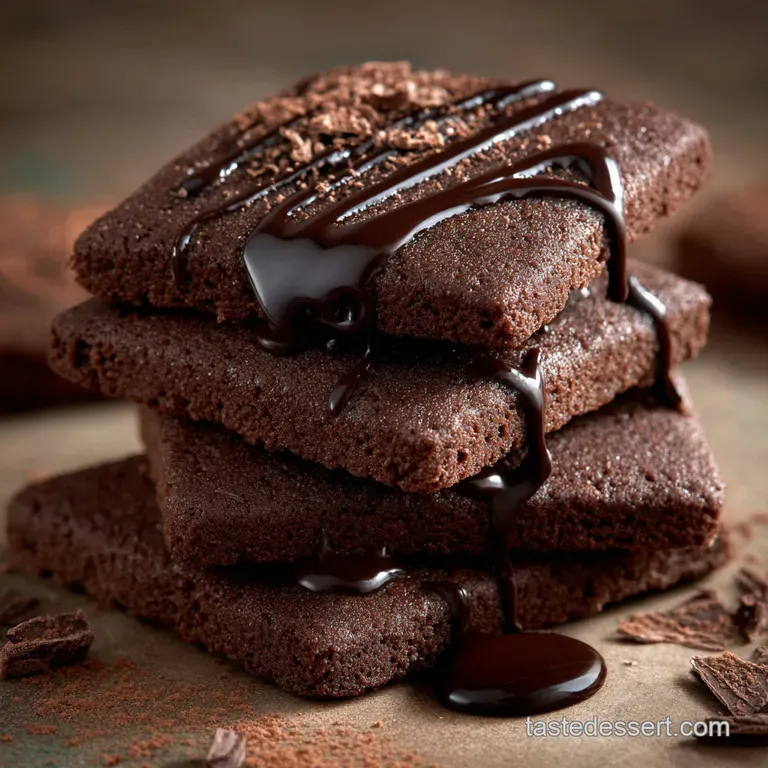
Follow these steps precisely, especially regarding temperature.
Step 1: Creaming the Base (Avoiding Over Aeration)
Unlike making light, fluffy cookies, we are not trying to incorporate lots of air here. Cream the cool butter and sugar together only until they are pale and evenly blended about 3 minutes on medium speed.
Over creaming incorporates too much air, which can cause the biscuits to spread and lose their tight, dense structure.
Step 2: Incorporating Dry Ingredients (Just Until Combined)
Sift your flour, cocoa powder, and salt together first. Add this dry mixture to the creamed butter on low speed. Stop your mixer immediately once you see streaks of flour disappear and the dough looks shaggy and cohesive.
Fold in your chocolate chunks by hand using a spatula, ensuring minimal extra handling.
Chef's Note: If your dough feels too crumbly at this stage, do NOT add liquid. Instead, use your hands to press the mixture together against the side of the bowl. The heat from your hands will activate the butter just enough to bring it together.
Step 3: The Critical Chill: Shaping and Setting the Dough Log
Press the dough firmly into your prepared pan. Use the flat bottom of a measuring cup to smooth and compress the surface. The pressure helps ensure a dense biscuit. Place the pan in the fridge for a minimum of 45 minutes.
This firm chill stops the butter from melting instantly when it hits the heat.
Step 4: Slicing, Docking, and Baking Protocol
Use a fork to prick the entire surface of the chilled dough this is called docking. I slice the dough before baking, usually into 16 fingers or wedges, but only cut about halfway through. This scoring ensures clean lines later. Bake at 325°F (160°C).
Shortbread needs to dry out, not bubble and brown. When the surface looks dry and matte, and the edges are firm, it’s done.
Troubleshooting and Chef's Notes for Flawless Results
You deserve double dark chocolate shortbread cookies perfection every time. Here is what usually goes wrong and how we fix it.
Why Your Dough Is Too Crumbly (And How to Fix It)
If your dough won't come together after adding the dry ingredients, one of two things happened: your butter was too cold, or you added too much flour/cocoa (you really should be weighing!). If it's too crumbly, take a small portion and press it between your palms for a few seconds.
If the warmth of your hands makes it stick, your butter simply needs to warm up slightly. Continue kneading gently in the bowl by hand until it forms a cohesive mass.
Preventing Burnt Edges on Dark Cocoa Biscuits (Temperature Adjustment)
Cocoa powder darkens significantly in the oven, making it hard to judge doneness by sight. The cocoa might look burnt even when the shortbread is perfect inside. Always bake at 325°F (160° C) and never higher.
If your oven runs hot, cover the edges lightly with thin strips of foil for the last 5 minutes of baking.
The Secret to Uniform Slicing
Score the shortbread immediately upon removing it from the oven, while it is still piping hot. Use a ruler and a very sharp knife to cut all the way through the warm dough. If you wait until it’s cool, the crisp, crumbly structure will splinter and snap unevenly. You want those sharp edges!
Extending Freshness: Storage and Freezing Your Shortbread
Yes, you can absolutely bake ahead. This shortbread is often even better the day after baking!
Optimal Room Temperature Storage (Crispness Retention)
Store baked double chocolate shortbread in an airtight container at room temperature. The high butter content naturally preserves them. They will stay crisp and delicious for up to one week.
If they soften slightly, pop them back in a 300°F oven for 5 minutes to restore the snap.
Freezing Baked vs. Unbaked Shortbread Dough
You have two great options here.
- Freezing Baked: Once the biscuits are completely cool, layer them between sheets of parchment paper in a freezer safe container. They keep well for up to three months. Thaw at room temperature for an hour.
- Freezing Unbaked Dough: After chilling and scoring the dough in the pan, cover the pan tightly and freeze it solid. You can bake it straight from frozen; just add 5– 10 minutes to the total baking time. This is my favourite method for quick treats!
Decadent Pairings for Double Chocolate Shortbread Biscuits
These dense, buttery biscuits require a pairing that cuts through the richness or complements the deep cocoa flavour.
Coffee and Tea Pairings: Balancing Bitterness
Because this is a rich, double dark chocolate shortbread , it pairs beautifully with strong, bitter drinks. Think of a powerful French Press coffee, a simple black Americano, or a strong English Breakfast tea.
The bitterness of the coffee enhances the bittersweet notes of the dark chocolate, creating a symphony of flavour.
For a fruitier contrast, a sweet wine like Port or a classic glass of cold milk works wonders. You could even crumble these over vanilla ice cream for a sophisticated take on cookie crumbles similar to how the base works for my Caramel Apple Cheesecake Bars: Decadent Shortbread Squares !
Recipe FAQs
Why is my Double Chocolate Shortbread tough instead of having that signature crumbly texture?
A tough texture is almost always caused by overworking the dough, which encourages the development of gluten. To prevent this, ensure your ingredients (especially the butter) are cold, and mix the dough only until the ingredients are just combined into a shaggy mass.
The classic shortbread texture relies on fat inhibiting gluten formation, so minimal handling is key.
Can I use natural cocoa powder instead of Dutch process cocoa?
Yes, you can substitute it, but it will slightly change the flavor profile and color. Dutch process cocoa (alkalized) provides a darker, smoother, and less acidic chocolate flavor that perfectly complements the richness of the butter in this recipe.
If using natural cocoa, the shortbread may taste slightly sharper and lighter in color.
My shortbread cookies spread too much while baking. What went wrong?
Excessive spreading is typically a sign that the butter was too soft or the dough was not chilled long enough before baking. Always ensure the dough is firm and cold before slicing and placing it in the oven; a quick 15-minute chill in the freezer right before baking helps the cookies hold their shape perfectly.
Also, verify your oven temperature, as a cool oven can exacerbate spreading.
How long will the baked Double Chocolate Shortbread stay fresh, and what is the best storage method?
When stored properly, the shortbread will maintain its peak freshness and delicate crunch for 5 to 7 days at room temperature. They must be completely cooled before being transferred to an airtight container. Avoid refrigerating the baked shortbread, as the cold environment can draw out moisture and soften the texture.
Can I freeze the shortbread dough for later use?
Absolutely, shortbread dough freezes exceptionally well. Form the dough into its cylinder shape, wrap it tightly in plastic wrap, and then wrap it again in foil; it can be frozen for up to three months.
When ready to bake, you can slice the rounds directly from frozen, adding just two or three minutes to the specified baking time.
I only have salted butter. Do I need to adjust the recipe?
If you are using salted butter instead of unsalted, you should reduce the added salt in the recipe by half a teaspoon to maintain the flavor balance. While unsalted is preferred for control, high-quality salted butter works perfectly fine in this shortbread, but be mindful of the sodium level.
Are there any successful variations, like adding nuts or different flavor extracts?
Yes, this recipe is highly adaptable to variations. You can fold in 1/4 cup of finely chopped pecans or walnuts for an added crunch, or enhance the flavor with a 1/2 teaspoon of pure espresso powder or high-quality almond extract.
Ensure any additions are dry and finely chopped so they don't compromise the dough structure.
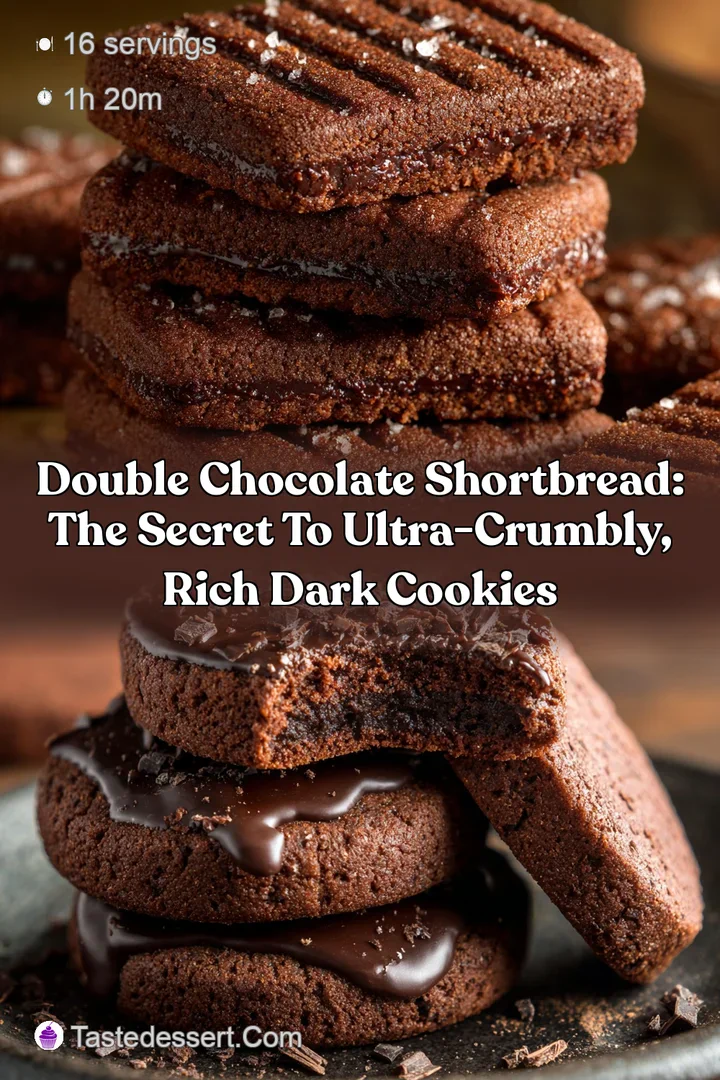
Decadent Double Chocolate Shortbread Recipe
Ingredients:
Instructions:
Nutrition Facts:
| Calories | 870 kcal |
|---|---|
| Protein | 12.3 g |
| Fat | 55.0 g |
| Carbs | 99.7 g |
