Mexican Spaghetti: the Ultimate Creamy Espagueti Rojo
- Introducing Authentic Mexican Spaghetti: Espagueti Rojo
- The Science of Creamy Perfection: Achieving Velvety Texture
- Essential Ingredients for the Perfect Red Sauce
- Expert Substitutions for Key Components
- Step-by-Step Guide to Making Mexican Spaghetti
- Pro Chef Tips for Ultimate Mexican Spaghetti Success
- Storage, Reheating, and Make-Ahead Planning
- Recipe FAQs
- 📝 Recipe Card
Introducing Authentic Mexican Spaghetti: Espagueti Rojo
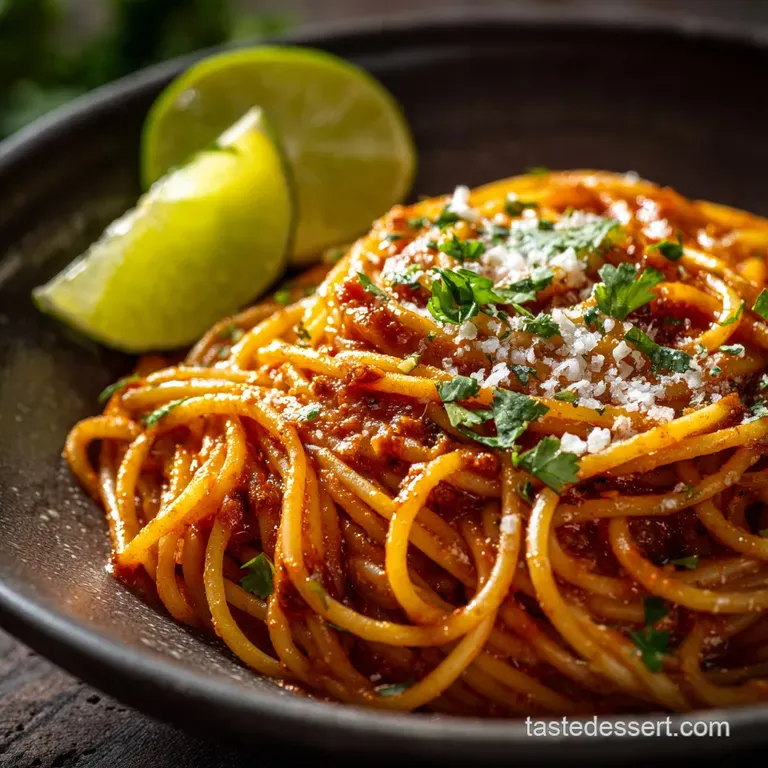
That deep red color is absolutely incredible, right? When this rich sauce hits the sauté pan, the savory aroma of toasted garlic, butter, and sweet tomato fills the entire house, instantly making your mouth water.
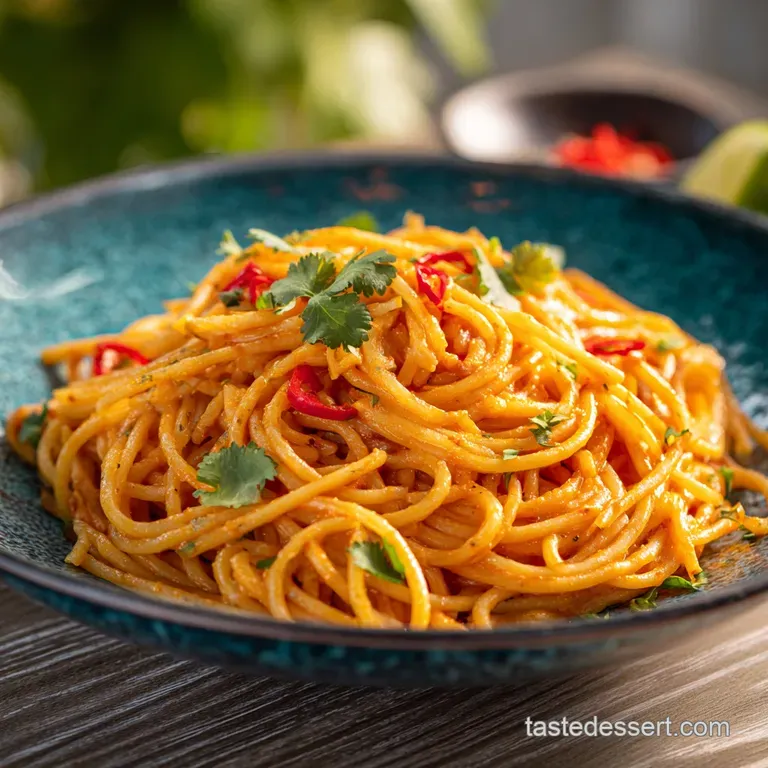
This dish, known as Espagueti Rojo (Red Spaghetti), is a creamy, vibrant, and velvety masterpiece that is miles away from traditional Italian pasta.
Look, we all have those crazy weeks where dinner needs to be fast, stupidly easy, and budget friendly. This Mexican Spaghetti is the ultimate weeknight winner because it tastes so luxurious and deeply satisfying, yet the whole thing comes together in about 40 minutes flat.
You only need a handful of pantry staples to pull off this absolute magic trick.
This isn’t your grandma’s marinara; this sauce is packed with unexpected savory depth thanks to a secret blending technique and a generous amount of real dairy. Are you ready to dive into the simplest, creamiest, and most comforting pasta dish you’ve ever made? Let's crack on with the recipe!
The Science of Creamy Perfection: Achieving Velvety Texture
The History of Espagueti Rojo: A Comfort Food Staple
Espagueti Rojo is classic Mexican comfort food, often served at birthday parties, celebrations, or as a hearty side dish alongside roasted meats. It’s an example of how Mexican cuisine skillfully adapted European ingredients, like pasta, and infused them with local techniques and flavors.
It reminds me a lot of the creamy, indulgent pasta dishes we used to eat growing up, only way better.
Why This Recipe is Unlike Traditional Italian Pasta
If you’re expecting oregano and basil, think again. Italian sauces rely on long simmers and high acidity, but Espagueti Rojo uses toasting and emulsification to create richness. The key difference?
We are sautéing the raw tomato purée in melted butter before we even start simmering it. This step cooks out the raw taste and creates an incredible depth of color.
A Quick Flavor Overview: Rich, Sweet, and Savoury
This dish perfectly balances savory, sweet, and slightly acidic notes. The tomatoes provide the backbone, while the subtle sweetness (a pinch of sugar is necessary!) counters the acidity. Adding a touch of smoky heat from the chipotle (optional, but recommended) gives it that signature Mexican warmth.
The Role of Dairy: Butter and Cream for Ultimate Smoothness
The buttery, velvety texture is non-negotiable here. We use butter to toast the sauce base and then stir in heavy cream at the end. This isn't a light dish, but trust me, the richness is what makes it so addictive and completely satisfying.
Building Depth: How Chicken Stock Maximizes Savoury Flavor
Do not use water, ever. The secret ingredient that pushes this sauce from 'good' to 'OMG' is using high-quality chicken stock instead of water when blending the tomatoes. This immediately builds a savory base layer, maximizing the umami flavor while providing the necessary liquid for a perfect simmer.
Essential Ingredients for the Perfect Red Sauce
To achieve that rich, deep flavor, you need quality components. Don't worry, you don't need a massive list. I always tell people to focus on freshness, especially with the tomatoes.
- Spaghetti: 1 lb package.
- Roma Tomatoes: Must be ripe and fragrant.
- Garlic & Onion: The aromatic foundation.
- Chicken Stock: Low sodium is best for seasoning control.
- Dairy: Butter and Heavy Cream (or Mexican crema).
- Chipotle in Adobo: Gives that necessary smoky kick.
- Cotija Cheese: Salty and crumbly, perfect for stirring into the sauce and garnishing.
Expert Substitutions for Key Components
Sometimes you just don't have everything on hand, and that’s fine. Here are my favorite kitchen swaps that won’t sacrifice the integrity of the dish.
| Ingredient | Recommended Substitute | Notes |
|---|---|---|
| Roma Tomatoes | Canned Whole Peeled Tomatoes (Drained) | Use 1 (14.5 oz) can. No need to blanch or peel. |
| Heavy Cream | Evaporated Milk or Cream Cheese | Evaporated milk is very common in Mexico; cream cheese adds incredible tang and thickness. |
| Chicken Stock | Vegetable Stock or Water + Bouillon | Bouillon cubes dissolved in water work great in a pinch, just watch the salt level. |
| Cotija Cheese | Grated Parmesan, Feta, or Monterrey Jack | Parmesan offers similar saltiness and melt factor; Feta adds a great tangy crumble. |
Choosing the Right Spaghetti Shape and Brand
Traditional Espagueti Rojo uses simple long pasta, hence the name, but you can totally use linguine or fettuccine. The most important tip is to choose a good quality bronze die cut pasta. The rougher texture holds onto the creamy sauce better than super smooth cheap stuff.
Mastering the Tomato Base: Fresh vs. Canned Options
I prefer fresh Romas because they offer a brighter color, but let’s be real, sometimes the canned stuff is the only option. If using canned, make sure they are whole peeled tomatoes, not crushed or diced, as those often contain citric acid that can make the final sauce too tart.
Always add an extra pinch of sugar if using canned.
Dairy Notes: Evaporated Milk, Crema, and Cheese Varieties
While heavy cream gives the quickest, richest finish, Mexican crema is fantastic if you can find it. It’s slightly thinner and tangier. A super budget friendly trick? Use one small can of evaporated milk stirred in at the end it makes the sauce incredibly silky.
Stock vs. Water: Maximizing Umami in the Sauce
This bears repeating: stick to stock. Using water simply dilutes the flavor. I always keep low-sodium stock cubes or cartons in my pantry specifically for quick sauce bases. You want that deep, savory foundation for your red sauce.
Ingredient Prep Checklist: Before You Start Cooking
Get your mise en place ready! Before you light the stove, roughly chop your onion and garlic, peel your blanched tomatoes, and measure out your stock. Blending the sauce base before the pasta water even boils saves you stress later.
Chef’s Note: If you want a ridiculously smooth sauce, you must blanch and peel the tomatoes first. The skins prevent that ultra velvety texture we are aiming for.
step-by-step Guide to Making Mexican Spaghetti
- Prep the Sauce Base (Blend): Combine your peeled tomatoes, half the onion, all the garlic, oregano, chipotle (if using), and 2 cups of chicken stock in your blender. Blitz the mixture until it is perfectly smooth, then strain it through a fine mesh sieve into a bowl; discard the solids.
- Cook the Pasta (Al Dente): Bring a large pot of heavily salted water to a rolling boil. Drop in your spaghetti and cook it one minute shy of the package directions (it should be al dente ). CRUCIAL: Reserve at least one cup of that starchy pasta cooking water before you drain the noodles.
- Bloom the Flavour (Sauté): In your large skillet or Dutch oven, melt the butter over medium heat until it foams slightly. Pour the strained tomato purée directly into the hot butter. It will splatter a little, so be careful!
- Simmer and Deepen: Cook the sauce base in the butter for about 5 minutes, stirring often, until the color deepens dramatically. This toasting step is everything.
- Finish the Sauce: Pour in the remaining 1 cup of stock and the pinch of sugar. Season generously with salt and pepper. Stir in the heavy cream and the grated Cotija cheese until the sauce is velvety smooth and piping hot.
- Combine: Add the drained, still warm spaghetti directly into the sauce. Toss everything gently until every single strand is perfectly coated. If the sauce looks too thick, stir in a splash of the reserved pasta water until it loosens up beautifully.
- Serve: Transfer immediately to bowls, garnish heavily with fresh coriander and extra cheese, and serve with a wedge of lime.
Pro Chef Tips for Ultimate Mexican Spaghetti Success
Prepping the Sauce Base (Soffritto Technique)
We are essentially creating a Mexican style soffritto with our butter and sauce base. Don't rush this step. The longer you cook the sauce in the fat (up to 7 minutes is fine), the richer the final color and flavor will be.
Achieving the Ideal Smooth Sauce Consistency
Straining the sauce base is a necessary evil if you want that true velvety mouthfeel. Seeds and tomato skins will interrupt the silky texture created by the dairy. If you hate straining, just ensure you run your blender for an extra 60 seconds to really obliterate all the solids.
Simmering for Maximum Flavor Infusion
Once the cream and cheese are added, keep the heat low. You want a gentle simmer, not a rolling boil, which could cause the sauce to separate or 'break.' A low, slow simmer allows all those savory stock flavors to meld seamlessly into the sweet tomato base.
Combining Pasta and Sauce: The Final Toss and Finish
Never put the sauce on the pasta; always put the pasta in the sauce! Toss it thoroughly over low heat for one minute. This allows the pasta starch to interact with the sauce and create a glorious, creamy bond. Remember that reserved starchy water is your safety net!
Preventing a Grainy or Broken Sauce
The two main culprits for a broken sauce are adding cold dairy too quickly or boiling it too hard after the cream is added. Ensure your cream is at least room temperature, and once it goes in, keep the heat barely ticking over.
Adjusting Acidity and Sweetness Before Serving
Always taste the finished sauce. If it's too tart, add another tiny pinch of sugar. If it tastes a bit flat, a small squeeze of fresh lime juice right into the sauce before tossing the pasta will give it a necessary acidic lift.
Storage, Reheating, and make-ahead Planning
How Long Does Cooked Espagueti Rojo Last in the Fridge?
Espagueti Rojo holds up really well. You can confidently keep the leftovers in an airtight container in the fridge for up to 4 days. The pasta tends to absorb more sauce overnight, which only makes the flavor deeper!
Best Practices for Freezing the Sauce (and Pasta)
The sauce freezes beautifully! However, the final dish (sauce with pasta) can sometimes turn slightly mushy upon thawing. If you plan to freeze, freeze the sauce component before adding the cream and before tossing the pasta.
When ready to serve, thaw the sauce, finish it with the cream, and toss freshly cooked spaghetti.
Troubleshooting Reheated Leftovers
When reheating, the pasta will be very thick and dry. Don't worry. Simply reheat leftovers slowly in a pan over medium low heat, adding a splash of milk, chicken stock, or water until the creamy texture returns. If you want a fun, low-carb adaptation, you can even reheat the sauce and pour it over Microwaved Spaghetti Squash: Perfectly Tender Fast Low-Carb Recipe — it's surprisingly good!
Essential Garnishes and Toppings (Cheese, Onion, Cream)
Garnishes are not optional; they finish the dish perfectly. I load mine up with:
- Fresh Coriander (Cilantro): A must for freshness.
- Diced White Onion: Offers a delightful little crunch.
- Extra Cotija or Crema: For texture and extra richness.
Perfect Sides for a Traditional Mexican Family Meal
This pasta is rich, so pair it with something fresh or something hearty. We often serve it with a fresh slaw or alongside something intensely flavorful, like slow cooked meat. It would be amazing with a batch of Slow Cooker Pork Carnitas: Ultra Crispy Mexican Pulled Pork for an epic dinner.
Suggested Beverage Pairings
Because of the richness and the acidity of the tomato, you want something light and crisp. A simple, homemade Agua Fresca (like cucumber lime) is perfect, or a dry, pale Mexican lager works beautifully. If you’re having a party, pair it with a refreshing appetizer like the Cheesy Mexican Layer Dip The UltraCreamy Seven Layer Fiesta .
Recipe FAQs
Why is my Espagueti Rojo sauce too watery or thin?
The sauce may be too thin if the chicken stock or reserved pasta water was not fully reduced. To fix this, simply simmer the sauce uncovered over medium low heat for an additional 5 to 10 minutes until it coats the back of a spoon.
Alternatively, you can stir in a slurry of 1 teaspoon of cornstarch mixed with 1 tablespoon of cold water to quickly thicken the mixture.
Can I make this Mexican Spaghetti vegetarian or vegan?
Absolutely. For a vegetarian version, substitute the chicken stock with high-quality vegetable broth. For a fully vegan dish, swap the butter for a plant based alternative and replace the heavy cream with cashew cream, full fat coconut milk (for a slight coconut undertone), or a suitable vegan oat creamer.
How do I increase the heat or spice level of the dish?
The simplest way to add heat is to incorporate one or two jalapeño or serrano peppers into your tomato mixture before blending. Make sure to remove the stem but leave the seeds intact for maximum spice.
If the dish is already cooked, stir in a pinch of cayenne pepper or a small dash of hot sauce right before serving.
What can I use if I don't have heavy cream for the sauce?
A very traditional and common substitute in Mexican cuisine is media crema (table cream or evaporated milk). This will provide a similar richness and luxurious texture. You may also use half and-half, though the resulting sauce may be slightly less thick and require a longer simmer time for reduction.
How long can I store leftover Mexican Spaghetti, and can I freeze it?
Leftovers should be stored in an airtight container in the refrigerator for 3 to 4 days. While the sauce freezes well, the cooked pasta often becomes mushy upon reheating, so it is best to freeze the sauce separately before mixing it with the pasta.
Thaw the sauce overnight and reheat gently on the stove, adding a splash of milk or stock if needed.
My sauce looks orange instead of a rich, deep red color. What should I do?
The color relies heavily on the concentration of the tomatoes and often the inclusion of tomato paste, which deepens the hue. If the color is too light, stir in a tablespoon of high-quality tomato paste and let the sauce simmer for 5 minutes.
Also ensure your tomatoes were fully softened and roasted (if applicable) before blending, as raw ingredients can dilute the final color.
What are traditional Mexican sides or toppings for Espagueti Rojo?
This spaghetti is often served very simply with a generous crumbling of cotija cheese or shredded queso fresco. Alternatively, you can top it with sour cream or thinly sliced avocado for added richness. It makes an excellent side dish for main courses like roasted chicken, carnitas, or carne asada.
Easy Creamy Mexican Spaghetti
Ingredients:
Instructions:
Nutrition Facts:
| Calories | 735 kcal |
|---|---|
| Protein | 20.7 g |
| Fat | 22.6 g |
| Carbs | 97.8 g |
