Fruit Salad Easy: Summer Garden Recipe with Lime Elderflower Drizzle
- The Refined Refreshment: Elevating the Classic Summer Fruit Salad
- The Culinary Science: Why This Fruit Salad Recipe Works
- Essential Ingredients for the Best Summer Garden Fruit Salad
- Step-by-Step Method: Assembling Your Summer Garden Fruit Salad
- Chef's Secrets: Tips and Troubleshooting for Fruit Salad Perfection
- Practical Guide: Storing and Preparing Fruit Salad Ahead of Time
- Elevated Pairings: What to Serve Alongside Your Refined Fruit Salad
- Recipe FAQs
- 📝 Recipe Card
The Refined Refreshment: Elevating the Classic Summer Fruit Salad
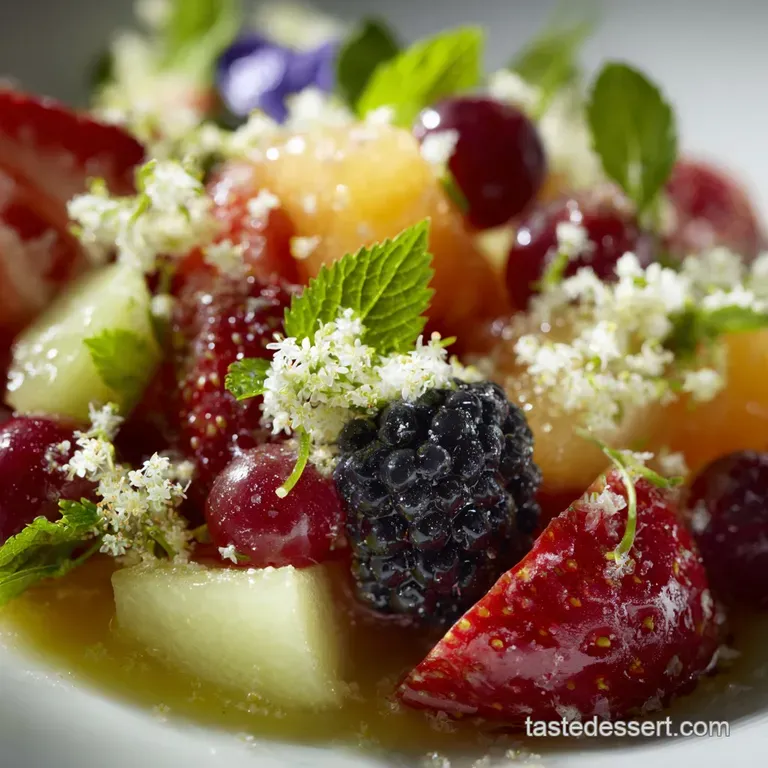
There is absolutely nothing better on a hot day than walking up to a bowl overflowing with perfectly ripe, vibrant fruit. The subtle perfume of fresh lime zest hits you first, quickly followed by the distinct, slightly floral note of elderflower; it just smells like pure summer garden magic.
It promises cool, refreshing relief.
But let's be real, most fruit salads are boring sadly pale, watery, and sticky messes often found lurking at the bottom of a buffet line. That version is definitely not what we are making today.
This recipe is the ultimate lifesaver for every picnic, barbecue, or weeknight craving because it’s ridiculously easy, lightning fast, and surprisingly elegant.
I’m going to share the non-negotiable tricks I've learned over years of trial and error (mostly error, trust me) to make a fruit salad that holds its integrity, stays beautifully crisp, and has a dressing you’ll want to drink straight from the spoon.
Forget the sugar syrup; this is all about texture and balance.
The Culinary Science: Why This Fruit Salad Recipe Works
The Secret to Refined Fruit Salad: Texture and Balanced Contrast
A truly great fruit salad is all about variety. We need those sturdy structural components, like the honeydew melon and mango, to anchor the dish. Then we layer in the soft textures, like ripe strawberries and blueberries, to provide that essential burst of juice when you bite into them.
This careful balance prevents the whole bowl from collapsing into mush.
Meet the Star: The Aromatic Lime & Elderflower Drizzle
This is the secret sauce, friends. The dressing needs to be light enough to coat the fruit without overwhelming it, and the elderflower cordial does exactly that. It delivers a nuanced, deeply aromatic sweetness that is far more interesting than plain sugar water, elevating this from a simple fruit mix to a proper dessert.
Why Selecting Seasonal Fruit Matters for Flavor Depth
When fruit is picked out of season, it’s mostly water and texture flavorless. The key to the best fruit salad is selecting seasonal ingredients when they are at their peak sweetness and ripeness.
This means you need less added sugar in the dressing because the fruit is already pulling its own weight, naturally.
Balancing Natural Sweetness with Acid (The Role of Lime Zest)
If you only use honey and cordial, the salad tastes flat and cloyingly sweet. Acid is the necessary counterpoint! Lime juice and zest cut through the sugars, brightening the flavors of the berries and melon while making the whole dish taste incredibly fresh.
The Magic of Aromatic Infusion (Elderflower's Floral Note)
Elderflower, a staple of British summer baking, introduces a slightly floral, honeyed undertone that makes the salad taste sophisticated. It’s light, breezy, and complex. It's truly a game changer that makes people ask, "What is that flavor?"
Preventing Soggy Fruit: The Importance of Timing the Dress
This is the single biggest failure point: dressing too early. The sugars in the honey and cordial immediately start drawing moisture out of the fruit cells (osmosis, remember high school science?). If you dress it hours in advance, you end up with a puddle of juice at the bottom.
We dress it just 30 minutes before serving to allow the flavors to marry, but not enough time for structural collapse.
Essential Ingredients for the Best Summer Garden Fruit Salad
Core Fruit Selections for Optimal Crunch and Juiciness
We are focusing on visual appeal and varying textures. If it doesn't look like a rainbow, you haven't done it right!
- Honeydew Melon: The sturdy base.
- Ripe Mango: Soft, tropical sweetness.
- Strawberries & Blueberries: Juicy bursts of acidity.
- Seedless Red Grapes: Necessary pop and crunch.
- Kiwi Fruit: Provides that gorgeous, tart green contrast.
Sourcing Elderflower Cordial vs. Syrup: A Taste Difference
I prefer cordial here, specifically a high-quality brand, because it’s usually less viscous than syrup and has a more concentrated flavor profile. Syrup works fine, but you might need to use slightly less honey in the dressing to compensate for the extra sugar.
Smart Swaps: Substituting Seasonal Fruit Varieties
Don't have mango? No problem. The beauty of a fruit salad is flexibility! Here are some tried and true substitutions that maintain the necessary texture and flavor balance.
| Ingredient To Swap | Viable Substitution | Why It Works |
|---|---|---|
| Honeydew Melon | Cantaloupe or firm Pineapple | Provides bulk and structure. |
| Elderflower Cordial | Orange Blossom Water (use sparingly!) | Adds a similar, elegant floral note. |
| Kiwi Fruit | Sliced Green Apple (Granny Smith) | Gives the necessary acidity and firm crunch. |
| Honey | Maple Syrup or Agave Nectar | Keeps the liquid consistency while adjusting for vegan preferences. |
Prepping the Citrus: Maximizing the Lime Zest and Juice
Always, always, always zest your lime before you cut it in half to juice it. It's nearly impossible to zest a floppy, juiced rind. That finely grated zest carries most of the aromatic oil, which is essential for that intoxicating citrus smell.
step-by-step Method: Assembling Your Summer Garden Fruit Salad
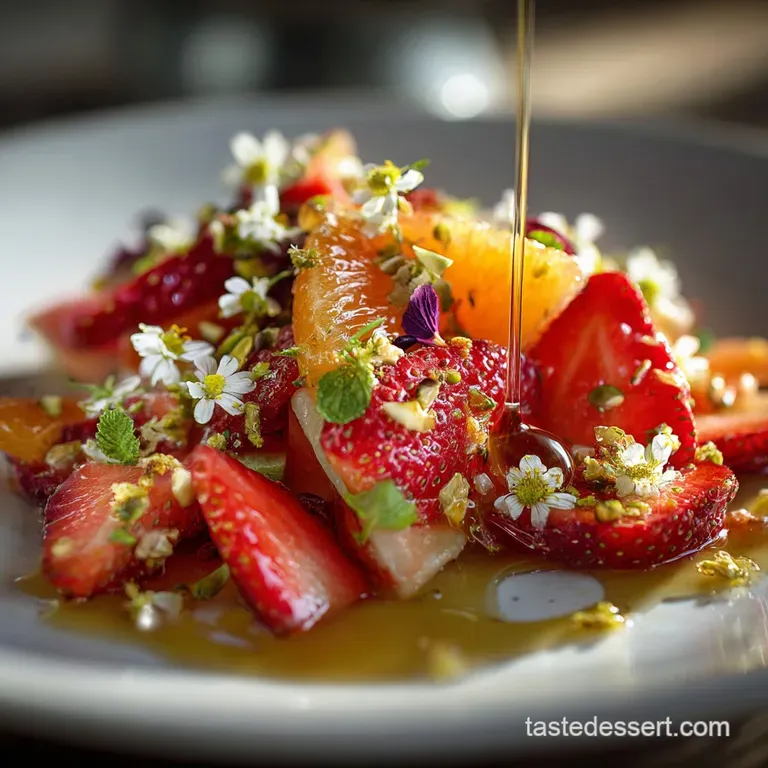
Preparing and Cutting the Fruit Bases for Uniformity
- Wash and Dry Vigorously: This step is crucial. Wash all your fruit, then pat every single piece completely dry. If the fruit is wet, the dressing won't stick, and you’ll end up with a diluted mess.
- Cube the Structural Fruit: Cut your melon and mango into uniform, bite sized cubes (about half an inch). Uniform cuts ensure an even coat and a pleasant eating experience. Get those into your largest mixing bowl.
- Add Soft Fruits: Slice your strawberries, halve the grapes, and add the kiwi slices and blueberries. Keep the softest berries on top for now so they don't get squished when you toss.
Mixing the Elderflower and Lime Drizzle Ratio
- Combine Liquids: In a small bowl, whisk together the lime juice, the precious lime zest, the elderflower cordial, and the honey.
- Seasoning Secret: Drop in that tiny pinch of sea salt. I know, salt in a fruit salad sounds wild, but it’s what pushes the natural sweetness of the fruit forward and gives the dressing depth. Whisk until the honey dissolves fully.
The Critical Moment: Gently Dressing the Fruit
This is where you need a zen-like patience. Pour the drizzle evenly over all the fruit in the large bowl. Now, grab a big rubber spatula— do not use a wooden spoon .
We are going to gently fold the fruit, turning the bowl slowly, until every piece has a light sheen of the dressing. We are coating, not mixing, okay?
Chilling and Resting for Optimal Flavor Development
Cover that bowl tightly with plastic wrap and slide it into the fridge for a minimum of 30 minutes, or up to 2 hours. This is the marriage period.
The acid in the lime starts to penetrate the fruit slightly, the honey sweetens the berries, and the elderflower flavor deepens. Trust the chill time!
Chef's Secrets: Tips and Troubleshooting for Fruit Salad Perfection
Avoiding Enzymatic Browning in Apples and Pears
Okay, even though we didn't use apples or pears in this specific recipe (they release too much liquid sometimes), if you ever do use them, they brown instantly. To stop this oxidative process, simply toss the slices in a small bowl with a tablespoon of fresh lemon juice immediately after cutting.
The Right Way to Handle Delicate Berries
If you are using very soft, highly ripe raspberries or blackberries, wait until the final five minutes of the chill time to add them to the bowl. Adding them too early means they'll bleed color and turn your beautiful melon purple and mushy.
Common Mistake: Over Dressing Too Early
I once made the mistake of prepping a huge bowl of fruit salad the morning before a big party, complete with the dressing, thinking I was being smart. By the afternoon, it was sad, soupy, and deeply disappointing. Never dress more than 2 hours ahead of time.
If you must prep early, keep the fruit dry, separate the drizzle, and combine just before chilling.
Practical Guide: Storing and Preparing Fruit Salad Ahead of Time
Optimal Refrigeration Techniques for Maximum Freshness
Fruit salad is definitely best served the day it is made, after that critical 30 minute chill. If you have leftovers, they will keep well in an airtight container in the coldest part of the fridge (usually the back) for about 2 3 days. The texture will soften significantly by Day 3.
Can You Freeze Fruit Salad? (The Limitations and Exceptions)
Do not freeze dressed fruit salad with the intention of thawing and serving it as a salad. The high water content in fruits like melon and kiwi will crystallize, and once thawed, the texture will be completely limp and watery. The exception?
If you want to use the leftovers in a smoothie, or blend them up to make amazing frozen fruit popsicles or sorbets.
Making the Drizzle 24 Hours in Advance
Absolutely, you can make the elderflower lime drizzle the day before! Whisk it all together, cover it, and keep it in the fridge. Give it a quick whisk right before you are ready to combine it with the fruit.
Elevated Pairings: What to Serve Alongside Your Refined Fruit Salad
This salad is light enough to be served with almost anything, but it truly shines alongside other fresh, vibrant dishes.
For an elegant spread, I love pairing this sweet fruit salad with something savory and complex, like my famous Southwestern Black Bean Salad: Easy, Vibrant Summer Side Dish — the contrast of the rich, smoky beans and the bright fruit is spectacular.
If you are planning a full-on picnic, don't forget another non-leafy side, like a zesty cold noodle dish. This fruit salad is the perfect refreshing ending to a meal featuring something hearty like my Summer Pasta Salad with Baby Greens: Zesty, Easy Picnic Side Dish .
Finally, for the ultimate treat, serve the fruit salad alongside a creamy base. A scoop of good vanilla bean ice cream, a dollop of thick Greek yogurt, or even a side of genuine clotted cream makes this feel less like a side dish and more like a decadent (but healthy!) dessert.
Recipe FAQs
How do I prevent sensitive fruits (like apples and bananas) from turning brown after cutting?
To prevent enzymatic browning, toss susceptible fruits immediately in a small amount of acid, such as fresh lemon or lime juice. The lime component already present in the elderflower drizzle is perfect for this, so ensure you reserve a tiny bit to coat the pieces first.
Alternatively, a quick dip in very diluted saltwater works, but ensure you rinse lightly before combining them with the main salad mix.
I don't have elderflower cordial. What is a suitable substitute for the dressing?
The role of the elderflower is to provide a subtle, non-cloying floral sweetness. A great substitute is to use simple syrup (equal parts sugar and water) infused with a few drops of high-quality vanilla extract or rose water.
Alternatively, high-quality honey works well, but be sure to dilute it slightly with water to ensure it coats the fruit evenly.
Can I prepare this Summer Garden Fruit Salad a day in advance?
While preparation is possible, it is best consumed within a few hours of assembly for peak texture and flavour. If prepping ahead, chop all the hardy fruits (berries, melons, grapes) and store them undressed in the refrigerator.
Chop the softer, browning fruits (bananas, peaches, avocados) and combine with the dressing just 30 minutes before serving.
Why is my fruit salad becoming watery or slushy after a few hours?
Wateriness occurs when fruits with high water content (like melons, kiwi, or pineapple) break down after being dressed and seasoned. To minimize this, slice these watery fruits into slightly larger chunks or drain off any excess liquid from the cut fruit before adding it to the bowl.
Do not add salt, which draws moisture out, until immediately before serving.
How long can I safely store leftover fruit salad, and can it be frozen?
Store leftovers in an airtight container in the refrigerator for up to 3 days, although the crispness will degrade past 24 hours. Freezing fruit salad is not recommended as the high water content causes the fruit to become mushy and lose its pleasant texture upon thawing.
If you must freeze fruit, separate the berries and soft fruit and use them later for smoothies or sorbets.
The lime dressing tastes too sharp or tart. How can I balance the acidity?
The sharpness can be easily balanced by incrementally adding a teaspoon of pure cane sugar, maple syrup, or additional elderflower cordial to the dressing mixture. Remember that once the dressing coats the naturally sweet fruit, the perceived tartness will mellow significantly.
Ensure you zest the lime first and only use the juice, avoiding the bitter white pith.
Which types of fruit should I avoid using if I need the salad to last longer than 12 hours?
Avoid including very ripe bananas, sliced peaches, and cubed avocado, as these degrade rapidly in texture and colour, even when coated in citrus. Additionally, be judicious with highly absorbent fruits like raspberries, which turn very soft when soaking in the dressing for long periods.
Focus on hardy fruits like grapes, apples, melon, and citrus segments for longevity.
Easy Fruit Salad With Elderflower Drizzle
Ingredients:
Instructions:
Nutrition Facts:
| Calories | 265 kcal |
|---|---|
| Protein | 4.6 g |
| Fat | 3.5 g |
| Carbs | 53.9 g |
