Easy Mac and Cheese Recipe
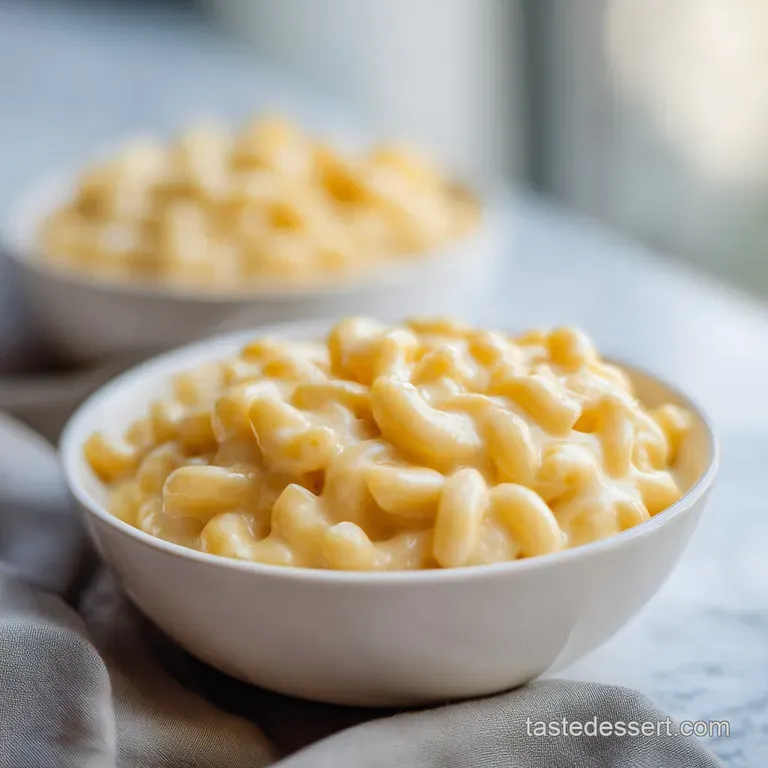
- Time: Active 10 mins, Passive 15 mins, Total 25 mins
- Flavor/Texture Hook: Silky, sharp, and smoky sweet
- Perfect for: Cozy weeknight dinners or a crowd-pleasing side
- Transforming Simple Ingredients into a Science Backed Masterpiece
- Essential Specifications for the Perfect Cheese to Pasta Ratio
- Selecting the Finest Elements for a Richer Homemade Sauce
- Crucial Equipment for a Smooth Sauce Finish
- Aromatic Journey to Achieving the Ultimate Velvety Texture
- Mastering the Art of Troubleshooting Your Sauce
- Adjusting for Quantity and Texture Preferences
- Fresh Swaps and Delightful Flavor Variations
- Storage Guidelines and Reducing Kitchen Waste
- Serving Suggestions for a Truly Joyful Meal
- High in Sodium
- Recipe FAQs
- 📝 Recipe Card
Close your eyes and imagine the sound of butter hitting a warm pan. It starts as a gentle hiss, then transitions into a rhythmic, bubbling sizzle as it begins to foam. Then comes the aroma - that toasted, nutty scent of a roux forming as flour joins the dance.
This isn't just about boiling noodles; it's about transforming a few humble pantry staples into a bowl of pure, unadulterated comfort.
I remember the first time I tried to make a homemade version of this. I was so impatient that I dumped cold milk into a hot roux and ended up with a lumpy, grainy mess that looked more like cottage cheese than a silky sauce. I nearly cried over the wasted Gruyère!
But after dozens of batches and a few burnt pans, I finally figured out the rhythm. The secret isn't in fancy equipment; it's in the way you layer the heat and the timing of the cheese.
We are going for a texture so smooth it coats the back of a spoon like liquid silk. If you have ever felt intimidated by making a "fancy" sauce from scratch, don't be. This easy mac and cheese recipe is designed to be approachable and foolproof, provided you follow a few simple rules about temperature.
We are going to build a foundation of flavor that makes the boxed stuff feel like a distant, dusty memory.
Transforming Simple Ingredients into a Science Backed Masterpiece
The success of a great cheese sauce relies on chemistry more than luck. When we talk about transforming simple components into a cohesive dish, we are looking at how fats and proteins interact under heat.
- Starch Gelatinization: The flour in our roux absorbs liquid and swells, creating a thick network that prevents the cheese fats from separating and turning greasy.
- Protein Protection: Whole milk provides enough fat to "cushion" the cheese proteins, ensuring they melt into a velvety puddle rather than tightening into rubbery clumps.
- Residual Heat Melting: Adding cheese after the heat is turned off prevents the proteins from overcooking, which is the primary cause of a grainy or "broken" sauce.
| Cooking Method | Total Time | Texture Profile | Best For |
|---|---|---|---|
| Stovetop Only | 20 mins | Ultra creamy and loose | Quick weeknight meals and kids |
| Oven Finished | 30 mins | Set sauce with a crispy crust | Sunday dinners and potlucks |
| make-ahead | 40 mins | Thick and casserole like | Holiday meal prep |
If you love the comfort of a warm pasta bowl but want something with a bit of a protein kick, you have got to try my Homemade Hamburger Helper recipe. It uses a similar technique for the cheese sauce but adds savory beef for a full meal. But for today, we are focusing on the pure joy of the cheese recipe.
Essential Specifications for the Perfect Cheese to Pasta Ratio
Getting the proportions right is the difference between a dry noodle bake and a decadent masterpiece. We use a high ratio of sauce to pasta because the macaroni will continue to absorb liquid as it sits.
| Component | Science Role | Pro Secret |
|---|---|---|
| Whole Milk | Liquid Base | Use room temperature milk to prevent roux clumping instantly |
| Sharp Cheddar | Flavor Driver | Aged cheddar has less moisture and more "bite" for the palate |
| Gruyère | Texture Enhancer | This melts exceptionally well due to its unique protein structure |
Selecting the right pasta shape is also vital. The "elbow" in macaroni isn't just for looks; that little curve and hollow center act like a pipe, trapping the cheese sauce inside every single bite. If you use a flat pasta, the sauce just slides off.
Selecting the Finest Elements for a Richer Homemade Sauce
To make this easy mac and cheese recipe truly stand out, we need to be picky about our fats and dairy. Don't even bother with low-fat milk here; the lack of fat will lead to a thin, lackluster sauce that fails to cling to the noodles.
- 16 oz dried elbow macaroni: The classic vessel for our sauce.
- 2 tbsp sea salt: For the pasta water - it should taste like the ocean.
- 4 tbsp unsalted butter: Provides the fat for our roux and a rich mouthfeel.
- 1/4 cup all purpose flour: Our thickening agent.
- 3 cups whole milk: Essential for that creamy, full bodied finish.
- 12 oz sharp cheddar cheese: Hand grated for the best meltability. Why this? Pre shredded cheese is coated in potato starch which prevents a smooth melt.
- 4 oz Gruyère cheese: Adds a sophisticated, nutty depth.
- 1/2 tsp smoked paprika: A hint of woodsy warmth without the heat.
- 1/2 tsp garlic powder: For a subtle savory backbone.
- 1/2 tsp black pepper: Freshly cracked is always better.
- 1/2 cup panko breadcrumbs: These stay crispier than traditional breadcrumbs.
- 2 tbsp unsalted butter, melted: To toss with the crumbs.
- 1/2 cup extra sharp cheddar: For the final topping.
While we are focusing on savory comfort here, if you find yourself craving something sweet after this meal, you might enjoy browsing through a Homemade Cheesecakes Cookbook recipe. The science of achieving a silky finish is surprisingly similar between a good cheese sauce and a perfect cheesecake!
Crucial Equipment for a Smooth Sauce Finish
You don't need a kitchen full of gadgets, but a few specific tools make the process much smoother. A heavy bottomed saucepan or a Dutch oven is best because it distributes heat evenly, preventing the milk from scorching at the corners.
A balloon whisk is your best friend during the roux making stage. It allows you to get into the edges of the pan to ensure no flour pockets remain. Finally, a box grater is mandatory. I know it’s a workout, but hand grating your cheese is the single most important step for a silky sauce.
Aromatic Journey to Achieving the Ultimate Velvety Texture
1. Prepare the Pasta
Bring a large pot of water to a rolling boil. Add the 2 tbsp of sea salt - yes, all of it. Cook the 16 oz of macaroni for exactly 6 minutes. Note: This is "under cooked" because the pasta will finish cooking in the hot sauce later.
2. Create the Roux
In a separate large saucepan, melt 4 tbsp of butter over medium heat. Once it stops foaming and starts to smell nutty, whisk in 1/4 cup of flour. Cook for 2 minutes, whisking constantly, until the raw flour smell disappears and it smells like toasted shortbread.
3. Build the Sauce
Slowly pour in 3 cups of whole milk, about a half cup at a time. Whisk vigorously after each addition until the mixture is completely smooth. Once all milk is added, simmer for 3-5 minutes until the sauce is thick enough to coat a spoon.
4. Infuse the Flavors
Stir in the smoked paprika, garlic powder, and black pepper. You should smell the smokiness of the paprika blooming in the heat. Checkpoint: Ensure the sauce reaches 165°F before moving to the next step.
5. Melt the Cheese
Remove the pan from the heat entirely. Add the 12 oz of sharp cheddar and 4 oz of Gruyère in three batches. Stir gently until each batch is fully melted before adding the next. The aroma should be intensely sharp and creamy now.
6. Combine Everything
Fold the cooked macaroni into the cheese sauce. Stir until every single noodle is filled with cheese. At this point, it might look like there is too much sauce, but trust the process; the pasta will soak it up.
7. Prepare the Topping
If you are doing the baked version, preheat your oven to 400°F (200°C). Mix 1/2 cup panko with 2 tbsp melted butter. Transfer the mac to a baking dish and top with the extra sharp cheddar and the panko mixture.
8. Achieve the Shatter
Bake for 10-15 minutes until the top is deeply golden and bubbling. The panko should look toasted and offer a distinct "crunch" sound when tapped with a fork.
Mastering the Art of Troubleshooting Your Sauce
Why Your Sauce Turned Out Grainy
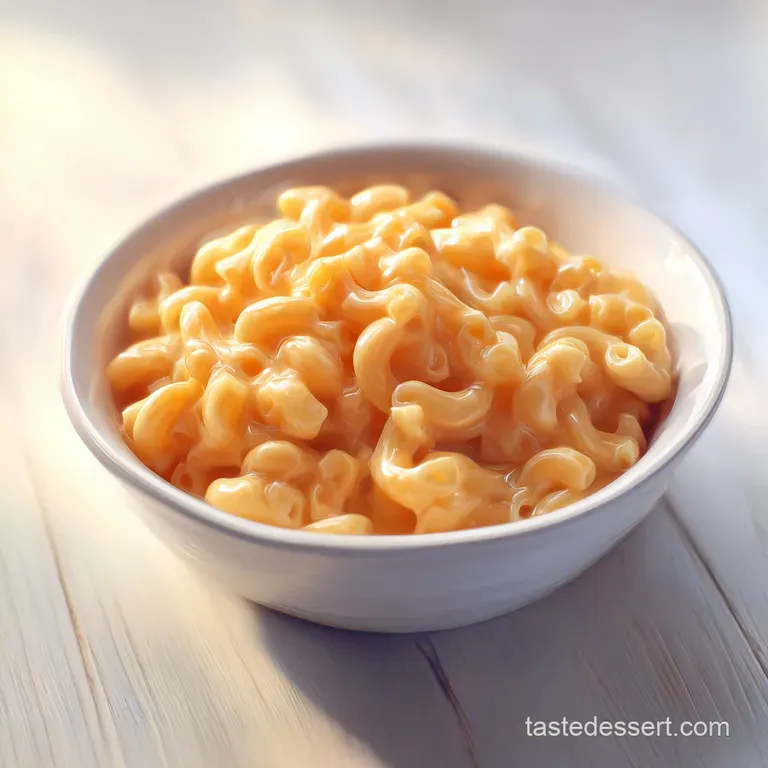
The most common culprit for a gritty texture is overheating the cheese. If the sauce is boiling when you add the cheddar, the proteins will seize up and separate from the fat. Always remove the pan from the heat first. Another cause is using pre shredded cheese, which has cellulose coatings that never truly melt.
Dealing With a Thick Sauce
If your easy mac and cheese recipe sits for a few minutes, it will naturally thicken as the starch cools. If it becomes too stiff, simply splash in a tablespoon or two of warm milk and stir gently. This will loosen the emulsion without breaking the sauce.
| Problem | Root Cause | Solution |
|---|---|---|
| Oily surface | Sauce was too hot | Whisk in a splash of cold milk to bring the temp down |
| Bland flavor | Not enough salt | Add a tiny pinch of salt or a teaspoon of Dijon mustard |
| Mushy pasta | Overcooked in water | Reduce initial boil time to 6 minutes next time |
Common Mistakes Checklist
- ✓ Grate your cheese by hand to avoid the grainy "anti clumping" starches found in bags.
- ✓ Don't skip the salt in the pasta water; this is your only chance to season the actual noodle.
- ✓ Let the roux cook for at least 2 minutes to get rid of the "pasty" raw flour taste.
- ✓ Use whole milk for the necessary fat content that stabilizes the cheese emulsion.
Adjusting for Quantity and Texture Preferences
If you are cooking for a larger crowd, scaling this recipe is quite simple. When doubling the ingredients, keep in mind that the sauce will take longer to thicken, so be patient with the simmering stage.
- If you want a sharper "kick", replace the Gruyère with an extra aged white cheddar or a bit of Pepper Jack.
- If you want a wealthier, more decadent sauce, swap one cup of whole milk for heavy cream.
- If you want to save time, skip the baking step and serve it straight from the pot for a classic stovetop experience.
For those looking for a different kind of impressive dinner, my Salmon Wellington recipe also plays with the contrast between a soft interior and a crisp outer shell. It is a great way to practice your "shattering" crust techniques!
Fresh Swaps and Delightful Flavor Variations
Sometimes you don't have every ingredient on hand, or you want to experiment with different flavor profiles. This cheese recipe is incredibly forgiving as long as you maintain the fat to starch ratios.
| Original Ingredient | Substitute | Why It Works |
|---|---|---|
| Gruyère | Fontina | Similar melting point and mild, buttery flavor profile |
| Smoked Paprika | Nutmeg | Classic French approach; adds warmth without the smoky note |
| Panko | Crushed Ritz Crackers | Adds a buttery, salty crunch. Note: Higher fat content than panko |
Storage Guidelines and Reducing Kitchen Waste
Storing leftovers is easy, but reheating them requires a delicate touch. Store in an airtight container in the fridge for up to 4 days. When you're ready to eat, don't just microwave it on high. Add a splash of milk and heat it on low power, stirring every 30 seconds to recombine the sauce.
You can freeze this dish for up to 3 months. I recommend freezing it in individual portions. To reheat from frozen, let it thaw in the fridge overnight before following the stovetop reheating method.
Zero Waste Tip: Don't throw away the rinds from your Gruyère or Parmesan! Toss them into a freezer bag. The next time you make a soup or a stock, drop a rind in. It will melt slightly and release incredible umami depth into your broth.
Serving Suggestions for a Truly Joyful Meal
This easy mac and cheese recipe is a star on its own, but it loves company. I usually serve it with a crisp green salad or roasted broccoli to cut through the richness of the dairy. The acidity of a light vinaigrette perfectly balances the heavy, savory notes of the cheddar.
If you are hosting a dinner party, try serving small portions in individual ramekins. It makes the meal feel special and ensures everyone gets their own "corner" of crispy breadcrumbs.
Right then, I think you're ready to head into the kitchen. Just remember: low heat for the cheese, hand grate that cheddar, and don't overcook those noodles. You're going to do great. Trust me on this, once you taste that first velvety, smoky bite, you'll never look at a blue box the same way again. Happy cooking!
For another classic that everyone loves, you might want to try this Three Cheese Zucchini recipe, which also uses a blend of cheeses to create a rich, savory custard. It's another fantastic way to practice your cheese melting skills!

High in Sodium
1045 mg mg of sodium per serving (45% % of daily value)
The American Heart Association recommends limiting sodium intake to no more than 2,300mg per day for most adults.
Tips to Reduce Sodium in Your Mac and Cheese
-
Reduce Cheese Sodium-15%
Replace half of the sharp cheddar (6oz) with low-sodium cheddar cheese. This will significantly lower the sodium content while maintaining flavor. This substitution has the highest potential for sodium reduction.
-
Control Salt-25%
Reduce or eliminate the 2 tbsp of sea salt. Taste the dish as you cook and add salt sparingly, if needed. Consider omitting the salt entirely and letting the cheese provide the saltiness.
-
Use Low-Sodium Milk-5%
While whole milk doesn't have extremely high sodium content, using a low-sodium or unsalted variety of milk may provide a small reduction in sodium. Note this has low impact on overall sodium.
-
Flavor with Herbs
Enhance the flavor with fresh or dried herbs such as chives, parsley, or thyme. Experiment with different combinations to create a unique and flavorful dish.
-
Reduce Garlic Powder-5%
The recipe calls for 1/2 tsp of garlic powder. Fresh garlic is preferred as there is no sodium. Consider reducing the garlic powder by half (1/4 tsp) or switch to fresh.
Recipe FAQs
How to make mac and cheese easy and simple?
Start with a roux base made from butter and flour, then slowly whisk in room temperature whole milk. Cook the pasta slightly underdone, remove the sauce from the heat, and then vigorously stir in your hand grated cheeses until perfectly smooth.
What is the secret to the best mac and cheese?
The secret is removing the sauce from the heat before adding the cheese. Overheating the cheese proteins causes them to seize, resulting in a grainy texture; gentle, residual heat ensures a velvety emulsion.
What are the ingredients in simple macaroni and cheese?
Elbow macaroni, butter, flour, whole milk, sharp cheddar, Gruyère, salt, pepper, and paprika are the core components. Using whole milk provides the necessary fat content to create a stable, creamy sauce base.
What two cheeses are best for mac and cheese?
The best combination is Sharp Cheddar for intense flavor and Gruyère for superior meltability and nutty depth. Avoid pre-shredded cheeses as they contain starches that inhibit a smooth, luxurious melt.
Why is my mac and cheese sauce grainy?
The sauce is likely grainy because you added the cheese while the mixture was still boiling rapidly. If you master controlling the temperature when building an emulsion here, you can apply the same gentle heat logic to our [Irish Potato Soup recipe] for a creamy finish.
How long should I cook the pasta for the baked version?
Cook the elbow macaroni for exactly six minutes in heavily salted water. This ensures the pasta is very al dente, allowing it to absorb the rich sauce and finish cooking to a perfect texture in the oven.
Can I substitute whole milk with low-fat milk?
No, substituting whole milk will likely result in a thin and runny sauce. The fat in whole milk is crucial for stabilizing the cheese proteins and achieving that desired rich, coating mouthfeel.
Easy Mac And Cheese Recipe

Ingredients:
Instructions:
Nutrition Facts:
| Calories | 982 kcal |
|---|---|
| Protein | 42g |
| Fat | 56g |
| Carbs | 78g |
| Fiber | 3.2g |
| Sugar | 8.5g |
| Sodium | 1045mg |
