Spicy Shrimp Fried Rice: Fiery Wok-Tossed Recipe
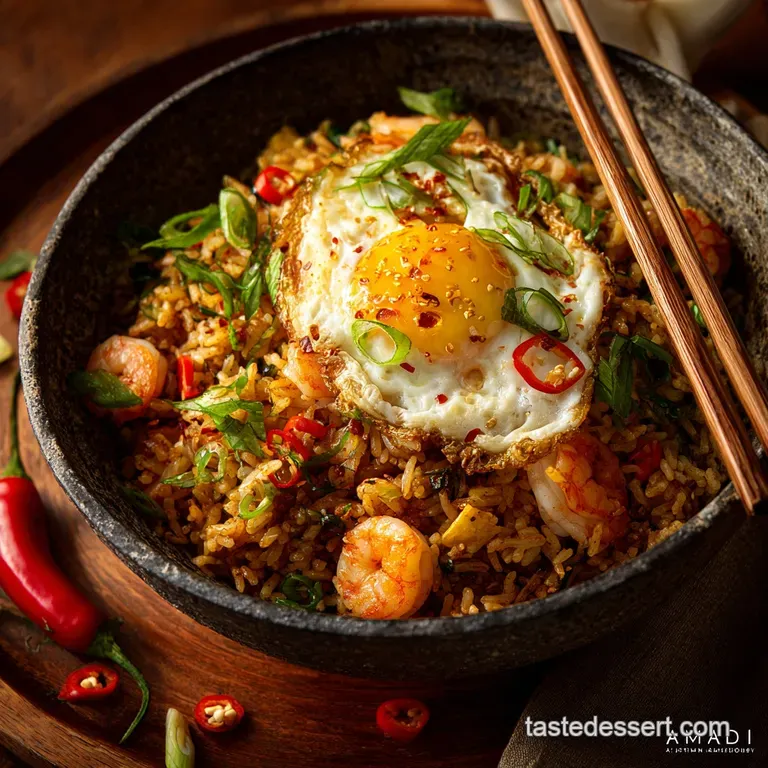
- The Ultimate Weeknight Firecracker: Spicy Shrimp Fried Rice
- Mastering Texture and Flavor: Why This Recipe Excels
- Essential Components for Vibrant Spicy Shrimp Fried Rice
- Wok-Tossing Mastery: The Step-by-Step Cooking Method
- Troubleshooting Your Fried Rice: Chef’s Critical Tips
- Storing Your Leftovers: Keeping Spicy Shrimp Fried Rice Fresh
- Perfect Pairings: What to Serve Alongside
- Recipe FAQs
- 📝 Recipe Card
The Ultimate Weeknight Firecracker: Spicy Shrimp Fried Rice
It’s Tuesday night, you’re tired, and frankly, the takeout menu is looking dangerously appealing again. Stop right there. Forget those greasy containers; we are making the ultimate Spicy Shrimp Fried Rice that totally blows the local spot out of the water.
The moment that wok hits the high heat, filling your kitchen with the sharp, savory aroma of ginger, garlic, and scorching chili, you know dinner is saved. Trust me, the smell alone is enough to get you excited.
This dish is a lifesaver because it’s inherently fast, requiring less than ten minutes of actual cooking time once your prep is done. Plus, using day-old rice is actually better for the recipe, turning what might have been leftovers into a five star meal.
We are talking about maximum flavor payoff for minimal effort here, which is the definition of weeknight victory.
If you’ve struggled with soggy, lackluster fried rice before, don’t stress I’ve made all the mistakes for you. Today, we are focusing purely on technique, using high heat and smart layering to achieve that professional texture and firecracker flavor.
Let’s get that wok screaming and finally make the fiery, Umami packed dish you deserve!
Mastering Texture and Flavor: Why This Recipe Excels
Achieving Authentic Wok Hei at Home
Fried rice needs high heat; it’s non-negotiable. "Wok Hei," or the "breath of the wok," is that signature smoky, slightly charred flavor that lifts this dish above simple sautéed rice. We achieve this by letting the wok get incredibly hot before adding the oil, and then we work fast.
If you think your heat is high, turn it up higher.
The Difference Between Takeout and Homemade
When you make this yourself, you control the quality of the seafood and the freshness of the aromatics. Takeout versions often drown the ingredients in oil or cheap soy sauce, masking the nuances.
We are using a balanced mixture of light and dark soy sauce, plus oyster sauce, to build deep Umami without excessive saltiness.
Quick Prep, Maximum Flavor Depth
We build the flavor base in three distinct stages: first, searing the shrimp; second, frying the ginger and garlic; and third, layering the sauces onto the hot rice. This technique ensures every grain of rice and every shrimp is seasoned perfectly, rather than just dumping everything in at once.
The Critical Role of Day-Old Chilled Rice
This is the number one secret to truly great fried rice, and I learned this the hard way after many mushy failures. Warm, freshly cooked rice is too moist and sticky because its starch hasn't fully retrograded. Always use rice that has been cooked, cooled completely, and chilled overnight.
It keeps the grains separate and beautifully firm, allowing them to fry instead of steam.
Building the Umami Base (Soy, Oyster Sauce, & Aromatics)
The magic in this spicy fried rice comes from the combination of sauces. Light soy provides salt, dark soy gives rich color and depth, and oyster sauce provides that incomparable savory, slightly sweet Umami boost. If you want to lean into even more spicy, savory flavor, you might enjoy my OneSkillet Mexican Shrimp Diablo Dinner: Spicy Weeknight Recipe Ready in 33 Minutes , which uses similar depth building principles.
Perfectly Seared Shrimp vs. Steamed Shrimp
We sear the shrimp separately, quickly, and remove it from the wok before it has a chance to fully cook. Why? Because if the shrimp sits in the wok while you fry the rice for several minutes, it turns tough and rubbery.
Sear, set aside, and then toss back in for the final 30 seconds of heating that's the pro move.
Essential Components for Vibrant Spicy Shrimp Fried Rice
The Specific Rice Varietal Recommendation
For classic Asian fried rice, you absolutely want a long or medium grain rice. I typically reach for Jasmine rice because it has a lovely fragrance and cooks up slightly fluffy, which is ideal for chilling. Avoid short grain sticky rice; it will clump no matter how cold it is.
Seafood Selection: Fresh vs. Frozen Shrimp Preparation
You can easily use frozen shrimp, which is often more affordable and just as good, provided you thaw it correctly. Thaw the shrimp in a bowl of cold water (not warm!) for about 15 minutes, then pat them aggressively dry with paper towels.
Any excess moisture will prevent a good sear and cool down your wok instantly.
Spice Arsenal: Building the Fiery Kick
I rely on Sriracha or Sambal Oelek for that bright, accessible heat. Sambal is a bit coarser and offers a cleaner, more direct chili flavor without the garlic and sugar profile of Sriracha, but use whichever you prefer.
For a truly ferocious kick that reminds me of some of my other intense dishes, feel free to double the chili paste.
Necessary Wok Aromatics and Fresh Vegetables
We keep the vegetables simple here so the shrimp and the spicy sauce can shine. Onion, garlic, ginger, and a basic peas and carrots mix provide texture and sweetness. The spring onions are used for both cooking and a fresh, crunchy garnish at the very end.
| Ingredient to Substitute | Recommended Substitute | Why? |
|---|---|---|
| Shrimp (Prawns) | Diced firm tofu (press it first!) | Tofu holds up well to high heat and absorbs flavor beautifully. |
| Oyster Sauce | Vegetarian Mushroom Sauce or Hoisin Sauce | Provides the necessary viscosity and deep Umami notes. |
| Peas and Carrots Mix | Finely chopped broccoli florets or diced bell pepper | They both cook quickly and offer a good textural contrast. |
| Shaoxing Rice Wine | Dry Sherry or Mirin | Provides crucial alcohol evaporation that helps tenderize the protein. |
Wok-Tossing Mastery: The step-by-step Cooking Method
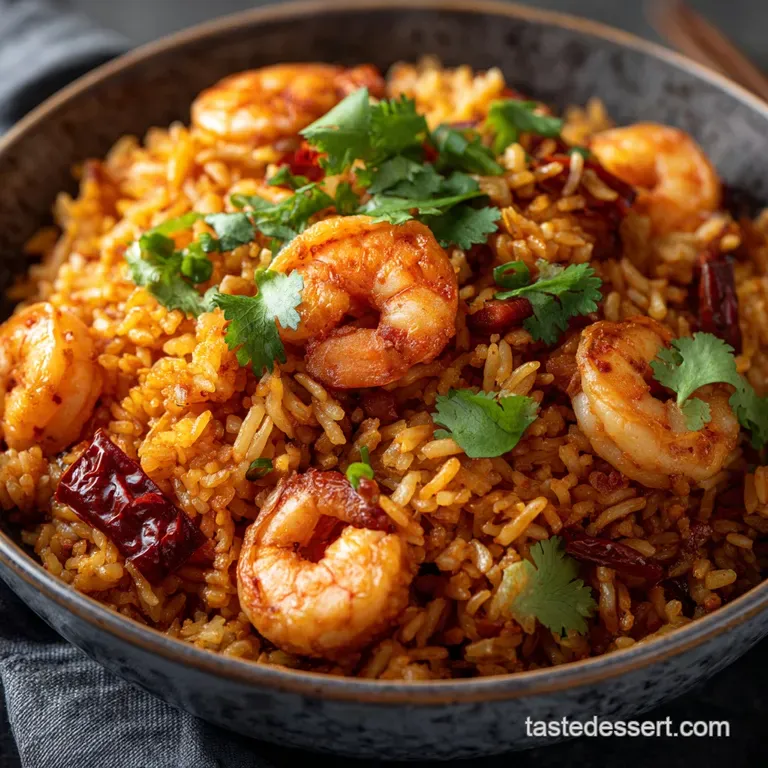
Prepping the Mis-en-place (The 10 Minute Rule)
I cannot stress this enough: because we are cooking on high heat, once you start, there is no stopping. Chop everything, mix your sauce, thaw your veg, and set it all out this is your "mise en place." If it takes you longer than 10 minutes to grab the next ingredient, something will burn.
Phase One: Searing the Shrimp and Setting Aside
Heat your wok until it’s smoking, then add a splash of oil. Add the marinated, dried shrimp in a single layer. Sear them fast, maybe 60 90 seconds per side, until they just turn pink and develop some crusty spots. Pull them out immediately and put them on the same plate as your scrambled eggs.
This step ensures they are perfectly cooked, not rubbery.
Phase Two: Frying the Aromatics and Vegetables
Add a little more oil if the wok is dry, then immediately add the diced onion and the white parts of the scallions. Stir fry for about 60 seconds until they soften slightly. Next, add your minced garlic and grated ginger watch them like a hawk!
Cook until you smell a rich, nutty fragrance, usually about 30 seconds, then toss in the peas and carrots mix.
Phase Three: Incorporating Rice and Achieving Wok Hei
Crank the heat to absolute maximum. Dump in the cold, day-old rice. Use your spatula to press down and break up every single clump; this maximizes surface area for frying. Stir fry constantly for 2– 3 minutes until the rice starts popping and jumping in the pan.
Now, pour your prepared Magic Sauce (the soy/oyster/chili blend) over the top. Toss like crazy for one minute until the rice grains are uniformly coated in that glorious spicy, dark color.
Chef's Note: When adding the rice, create a slight well in the center of the wok and pour the sauce into the hot spot first before mixing. This quickly caramelizes the sugars in the sauce, deepening the flavor before it coats the grains.
Troubleshooting Your Fried Rice: Chef’s Critical Tips
Preventing Soggy Fried Rice (The Oil and Heat Balance)
Soggy rice usually means one of two things: low heat or not enough oil to coat the grains. If the wok isn't hot enough, the moisture released from the rice turns into steam, resulting in a stewed texture. Use enough oil to lightly coat the bottom of the wok after the aromatics are fried, which helps the rice crisp up.
The Mistake of Overcrowding the Wok
If you are cooking for more than four people, you absolutely must cook in batches. When you dump too many ingredients into the wok, the temperature plummets instantly, and you lose that crucial Wok Hei effect. Cook the shrimp and rice separately, then combine them quickly at the end.
When to Add the Egg for Maximum Distribution
Do not try to scramble the egg around the rice; that creates weird, gloopy strands. Scramble the eggs first, remove them, chop them roughly, and only return them to the wok right at the very end, alongside the shrimp, just for heating.
This ensures clean, distinct bites of fluffy egg throughout the dish.
Storing Your Leftovers: Keeping Spicy Shrimp Fried Rice Fresh
Refrigerator Shelf Life and Container Choice
Because this dish contains seafood and rice, which can spoil quickly if not handled properly, it’s best eaten within 2 days of cooking. Store the leftovers immediately in a shallow, airtight container once cooled slightly.
Placing it in a shallow container helps it cool down rapidly, minimizing the time it spends in the "danger zone."
Safe Reheating Techniques (Stovetop vs. Microwave)
While the microwave is fine for speed, it often makes the shrimp rubbery. For the best texture, reheat your Spicy Shrimp Fried Rice in a skillet or wok over medium high heat with a tiny splash of fresh oil. Stir fry just until heated through and the rice starts to sizzle again.
It revitalizes the texture and keeps the grains separate.
Perfect Pairings: What to Serve Alongside
This fiery rice dish is hefty and savory, so it pairs beautifully with something light, crunchy, or acidic.
- Cooling Element: A simple side of thinly sliced, cold cucumber and radish dressed with rice vinegar and a pinch of sugar cuts through the spice beautifully.
- A Textural Contrast: Try topping it with some chopped salted cashews or peanuts right before serving for added crunch. If you're into mixing savory mains with fiery sides, you might appreciate my approach to heat in Spicy Black Bean Burgers with Chipotle Mayonnaise: Ultimate Sturdy Recipe it uses similar flavor techniques.
- The Ultimate Garnish: Serve with a few lime wedges on the side; a squeeze of fresh acid right before eating brightens all the deep, savory flavors.
Final Seasoning Adjustments (Salt and Acidity Checks)
Always taste the finished rice before serving. If it tastes dull, it needs more salt (a tiny dash of light soy). If it tastes flat, it needs a squeeze of acid (lime juice or rice vinegar). This final micro adjustment is what separates a good cook from a great one!
Recipe FAQs
Why is using day-old, chilled rice so critical for this recipe?
Using chilled, day-old rice is non-negotiable for achieving the perfect fried rice texture. When rice cools, the starch molecules crystallize, making the grains firmer and significantly less sticky.
This essential dryness allows the rice to fry beautifully and absorb the sauces without dissolving or turning into a mushy paste under high heat.
My fried rice came out mushy and sticky. How can I troubleshoot this?
Mushy rice usually results from excess moisture, often from using freshly cooked rice or overcrowding the wok. Always ensure your rice is properly chilled and dry, and never try to cook too large a batch at once, which drastically lowers the wok temperature.
Lower heat will steam the rice instead of frying it, resulting in a sticky texture.
I don't own a traditional wok. Can I still achieve good results?
Yes, while a wok is ideal for maximizing heat distribution and surface area, you can substitute a large, heavy bottomed cast iron skillet or stainless steel pan. The crucial factor is achieving and maintaining very high heat, so ensure you cook the ingredients in smaller batches to prevent the temperature from dropping when ingredients are added.
How can I adjust the spice level without compromising the flavour profile?
The heat level is fully adjustable and controlled primarily by the quantity and type of chili you incorporate in the initial stages. For less spice, halve the amount of chili paste or substitute potent bird's eye chilies with milder jalapeños.
To increase the heat, add a final drizzle of high-quality chili oil or a sprinkle of dried chili flakes just before serving.
I cannot use oyster sauce due to dietary restrictions. What is a suitable substitute for umami?
Oyster sauce provides a deep layer of umami; for non-vegetarian diets, a few dashes of fish sauce blended with a small amount of sugar works well to mimic the depth. For a vegetarian alternative, use a rich mushroom stir fry sauce or dark soy sauce combined with a slight pinch of brown sugar to achieve a similar savory sweet balance.
Can I substitute other proteins for the shrimp in this recipe?
Absolutely; this recipe is highly adaptable and works excellent with diced chicken breast, firm tofu cubes, or thinly sliced pork tenderloin. Be sure to cook the substitute protein completely and remove it from the wok before you begin frying the rice and vegetables.
Adjust the cooking time as necessary for denser proteins.
What is the safest way to store and reheat leftover fried rice?
Fried rice should be cooled quickly and transferred immediately to an airtight container in the refrigerator, where it is safe for 3 to 4 days. When reheating, ensure the rice reaches an internal temperature of 165°F (74°C) to eliminate potential bacteria.
Avoid letting the cooked rice sit at room temperature for longer than two hours.
Fiery Spicy Shrimp Fried Rice Recipe
Ingredients:
Instructions:
Nutrition Facts:
| Calories | 655 kcal |
|---|---|
| Protein | 30.0 g |
| Fat | 18.5 g |
| Carbs | 77.8 g |
