Fig Caramelized Onion and Goat Cheese Pizza: a Sweet Savoury Showstopper
- Unlocking the Fig Caramelized Onion and Goat Cheese Pizza Experience
- The Science of Sweet, Salty, and Tangy: Why These Flavors Sing
- Shopping List: Ingredients for Fig Caramelized Onion and Goat Cheese Pizza
- Mastering the Method: Step-by-Step Pizza Assembly
- Chef's Secrets for Mastering the Fig Caramelized Onion and Goat Cheese Pizza
- How to Store and Reheat Leftover Pizza
- Ideal Pairings: What to Serve Alongside Your Fig and Goat Cheese Delight
- Recipe FAQs
- 📝 Recipe Card
Unlocking the Fig Caramelized Onion and Goat Cheese Pizza Experience
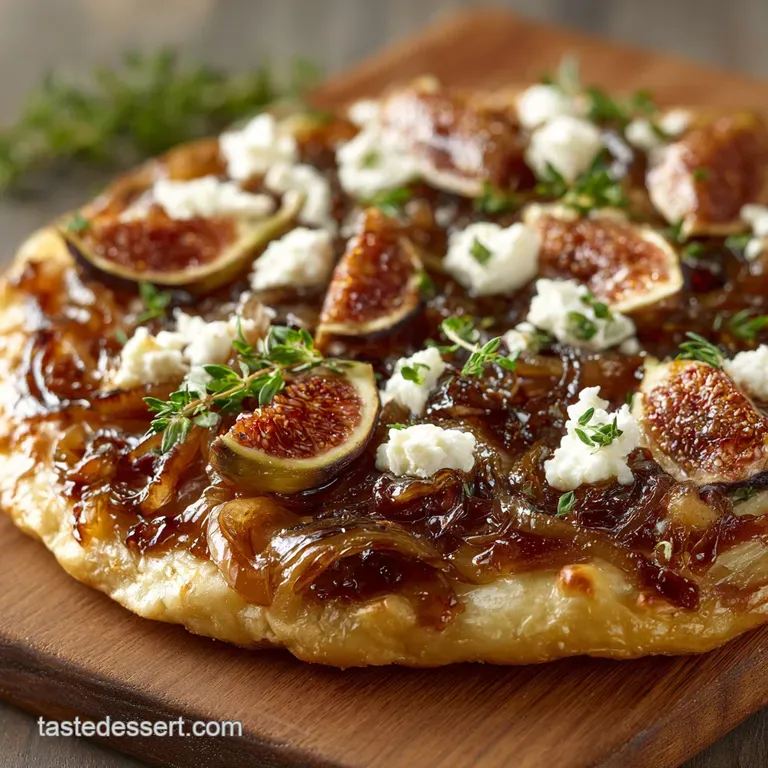
When this fig caramelized onion and goat cheese pizza comes out of the oven, the smell alone is enough to stop you dead in your tracks. You get this deeply sweet, musky aroma from the figs and the jammy onions, all playing against that pungent, earthy tang of baking goat cheese.
It is the sophisticated comfort food you didn't know you needed.
Look, I’m obsessed with cooking, but I also have a life, so I need recipes that deliver maximum payoff for minimal fuss. This dish checks every box, feeling incredibly gourmet even if you cheat and use high-quality store-bought pizza dough. It's way easier than making a New Orleans Gumbo: Authentic Chicken and Andouille Recipe , which takes hours.
We aren't just slapping random stuff on dough here; this is intentional flavour architecture. Let’s dive into the core components that make this specific fig caramelized onion and goat cheese pizza recipe absolutely untouchable and ready to show off.
The Science of Sweet, Salty, and Tangy: Why These Flavors Sing
The French Chèvre and Mediterranean Flatbread Inspiration
This pizza is a love letter to rustic simplicity, channeling the best parts of both French chèvre use and Mediterranean baking traditions. Traditionally, flatbreads in the Mediterranean often featured local fruit and sharp cheese.
The goat cheese, or chèvre , is the perfect choice because its strong, acidic tang slices right through the richness of the caramelized onions and the dough.
What Makes This Pizza a Dinner Party Showstopper?
The textural contrast is everything here. You have the crisp, golden crust, the meltingly soft, jammy onions, the chewy burst of fresh figs, and then that creamy, slightly gritty crumble of goat cheese. It's a layered experience.
I promise you, serving this guarantees compliments people never expect this kind of gourmet flavour from a simple pizza!
The Essential Components of the Sweet & Savoury Balance
We are aiming for a tightrope walk of flavour here, preventing the sweetness from dominating. The figs and onions provide deep, earthy sweetness, intensified by the slow cooking process.
The goat cheese brings the necessary saltiness and acidity, while the balsamic reduction delivers a concentrated, sharp, acidic anchor that brightens the entire fig caramelized onion and goat cheese pizza up.
The Maillard Reaction Magic: Achieving Perfect Caramelized Onions
You cannot rush greatness; this is the hill I will die on when it comes to caramelized onions. The deep, golden brown colour and meltingly soft texture come from the Maillard reaction, which needs low heat and patience.
Rushing them results in sad, brown, bitter onions , not the sweet, jammy foundation this pizza demands. You want that deep flavour base.
Temperature and Texture: Balancing Creamy Goat Cheese with Crisp Dough
The high oven temperature, ideally 500°F (260°C), is crucial for the dough. High heat ensures the crust gets crisp and puffy before the toppings have time to steam the base and turn it soggy.
The goat cheese, applied in crumbles, softens beautifully without fully liquefying, maintaining its distinct texture and flavour profile during the quick, hot bake.
The Acidity Anchor: How Balsamic Glaze Ties the Flavors Together
Balsamic vinegar, when reduced, becomes syrupy, sweet, and intensely acidic. This glaze is non-negotiable! It acts like a final flavour conductor, pulling the sweetness of the figs and the tang of the goat cheese into one harmonious bite.
It’s what separates a nice pizza from a truly unforgettable fig caramelized onion and goat cheese pizza.
Shopping List: Ingredients for Fig Caramelized Onion and Goat Cheese Pizza
We need a few key players, and while I always prefer fresh, sometimes life happens. Here are the essentials and my tested substitutes.
| Ingredient | Substitute Option | Notes |
|---|---|---|
| Fresh Figs | Fig jam (use less) or thinly sliced fresh pears | Fresh figs offer the best chew, but jam works in a pinch; just spread it sparingly. |
| Soft Goat Cheese | Feta (saltier) or Mascarpone mixed with Ricotta (milder) | Stick to a creamy, soft cheese that crumbles easily. |
| Pizza Dough | high-quality flatbread or pre-made naan bread | If you're really short on time, flatbread works for a rustic, thin crust feel. |
| Yellow Onions | Spanish onions (sweeter) | Avoid strongly flavoured red onions; they can overpower the delicate fig. |
Selecting the Best Fresh Figs (or Fig Jam alternatives)
Look for Black Mission or Brown Turkey figs that are slightly yielding when pressed but aren't mushy. If you are using fig jam instead, opt for a high-quality jam that isn't overly sugary.
Remember, the caramelized onions already provide tremendous sweetness, so we want the figs or jam to add texture and depth, not just sugar.
A Note on Goat Cheese Varieties (Aged vs. Fresh Chèvre)
You want fresh, soft goat cheese (chèvre). Do not use the hard, aged goat cheese, as it won't melt or soften properly and will become dry in the oven. The soft logs crumble perfectly and distribute the necessary tang across the pizza.
Choosing Your Dough: store-bought vs. Homemade Pizza Crust
Listen, I love making dough from scratch, but let’s be real sometimes the store-bought dough is perfectly fine. Just make sure you pull it out of the fridge at least an hour before you plan to stretch it. Cold dough fights back and makes stretching an absolute nightmare.
Essential Pantry Items: Olive Oil, Thyme, and Seasoning
You need good quality extra virgin olive oil for the initial sauté and for brushing the crust. The dried thyme adds an earthy, slightly floral note that complements both the onions and the goat cheese beautifully. Kosher or sea salt and black pepper are just required for everything gourmet.
Mastering the Method: step-by-step Pizza Assembly
Phase 1: Slow Cooking the Onions (The Foundation of Flavor)
Heat the olive oil and butter together over medium low heat in your heavy bottomed pan. Add the thinly sliced yellow onions, salt, pepper, and thyme. Now, the hard part: walk away and be patient .
Cook for 45– 50 minutes on low, stirring only every 7- 8 minutes. When they are a deep, glossy golden brown and have reduced dramatically, stir in that tablespoon of balsamic vinegar for one last kick of flavour.
Chef's Note: If your onions start sticking or browning too fast on the bottom, add a tablespoon of water, wine, or broth to deglaze the pan. This lifts those crucial browned flavour bits back into the mix.
Phase 2: Preparing the Pizza Base and Initial Topping Layer
While the onions cool slightly, get your oven hot! Preheat to 500°F (260°C) with your pizza stone or steel inside for at least 30 minutes. Once the dough is room temperature, stretch or roll it out onto a cornmeal dusted peel or baking sheet. Brush the base lightly with olive oil.
Now, spread the cooled, caramelized onions evenly over the base, leaving a one-inch border for the crust.
Phase 3: over High heat Baking for Maximum Crispness
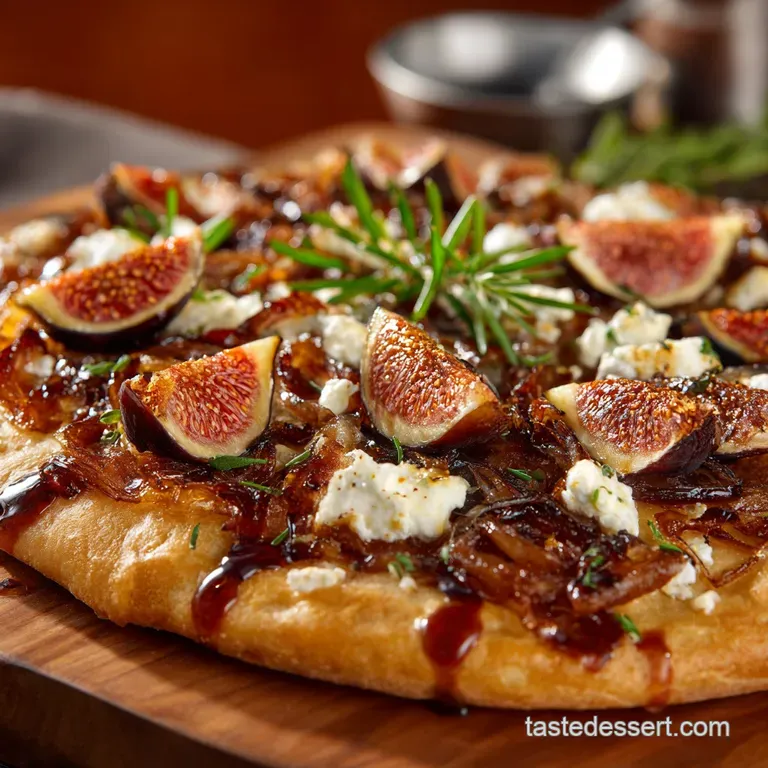
Layer the quartered figs over the onions and then sprinkle the crumbled goat cheese over the top. Add your lightly toasted nuts now. Slide the pizza onto the screaming hot stone and bake for 12– 15 minutes. You are looking for a bubbly, soft cheese, and a deeply golden, puffed crust.
Phase 4: The Finishing Touch: Glazing and Garnishing
While the pizza bakes, quickly reduce your balsamic vinegar and optional sugar/honey in a small saucepan until it coats the back of a spoon it should be a thick syrup. When the pizza comes out, transfer it to a cutting board.
Hit it with a pinch of flaky sea salt, then drizzle that gorgeous, syrupy balsamic glaze liberally over the entire pie. Slice and serve immediately.
Chef's Secrets for Mastering the Fig Caramelized Onion and Goat Cheese Pizza
Preventing a Soggy Crust: The Par-Bake Technique
If you are using very soft, fresh figs, or if you plan to use fig jam, the extra moisture can ruin your crust. The secret is the quick par-bake. Launch the oiled dough into the hot oven for 4 minutes before adding the caramelized onions and toppings.
This sets the base, creating a moisture barrier.
Achieving the Ideal Fig-to-Cheese Ratio
I made the mistake once of overloading this pizza, and it just tasted heavy. You want balance! Stick to the prescribed amounts: the goat cheese should be visible but shouldn't completely obscure the onions and figs. The goal is defined pockets of tangy cheese interspersed with sweet, jammy fruit.
Avoiding Over Caramelization (The Burnt Onion Mistake)
Seriously, if you think the heat is too low, turn it down even lower. Caramelized onions are a labour of love, and if they go from deep golden brown to black, they become bitter and acrid. I ruined an entire batch once by watching TV instead of stirring, and that sadness is hard to forget.
Keep the heat truly low and stir often.
How to Store and Reheat Leftover Pizza
Short Term Refrigeration Guidance
If you have leftovers (a rare occurrence, trust me), this pizza holds up quite well. Store slices tightly wrapped in foil or in an airtight container for up to 3 days in the refrigerator. Do not refrigerate the balsamic glaze separately ; it should already be drizzled on the pizza.
Freezing Baked Pizza vs. Freezing Components
You can freeze leftover slices of the baked fig caramelized onion and goat cheese pizza. Wrap them individually in plastic wrap, then place them in a freezer bag for up to 2 months.
Freezing the caramelized onions separately is also a fantastic idea; they keep for months and dramatically cut the prep time for your next pizza night!
Reheating for Optimal Crispness (Oven vs. Air Fryer)
Absolutely ban the microwave. It turns a beautiful crust into chewy sadness. To restore the crust's glory, reheat slices on a baking sheet in a 350°F (175°C) oven for about 8– 10 minutes.
If you have an air fryer, 3- 4 minutes at 375°F (190°C) is arguably the best way to get that crust perfectly crispy again.
Ideal Pairings: What to Serve Alongside Your Fig and Goat Cheese Delight
This rich, sweet, and tangy flavour profile requires a fresh, simple contrast. You don't want anything too heavy competing with the caramelized onion goodness.
A simple, sharp Arugula (Rocket) Salad is the perfect counterpoint. Dress it with a super bright lemon vinaigrette just olive oil, lemon juice, salt, and pepper. The peppery arugula and high acidity of the dressing cut right through the richness of the goat cheese and the sweetness of the figs.
If you are planning this as a lighter main course, consider starting with something fresh like a simple Caprese salad or a light soup. If you’re like me and appreciate a hearty, flavour packed meal, pairing this lighter pizza with a side dish like Zucchini Lasagna: Low Carb, Hearty Meat Sauce, and Never Soggy gives you great textural variety without being overly carb heavy.
Recipe FAQs
Can I use dried figs instead of fresh figs for this pizza?
Yes, but you must rehydrate them first to prevent them from becoming too dry and hard during baking. Simmer the dried figs in a small amount of water or red wine until they are plump, usually about 10 minutes. The rehydrated texture will be slightly chewier than fresh figs.
How do I prevent my pizza crust from becoming soggy under the toppings?
Sogginess is often caused by excess moisture from the onions or cheese. Ensure your caramelized onions are thoroughly drained of any residual oil or liquid before placing them on the dough.
You can also brush a very thin layer of olive oil onto the prepared dough before adding any toppings to create a protective moisture barrier.
I don't like goat cheese. What is a good substitute for this recipe?
The best substitute that maintains a similar salty and tangy profile is crumbled feta cheese. Alternatively, you could use creamy dollops of ricotta cheese to contrast the sweetness of the figs and onions. For a milder flavour, try using shredded fontina or high-quality provolone.
Can I caramelize the onions ahead of time to speed up the preparation?
Absolutely, preparing the caramelized onions in advance is highly recommended as it is the most time consuming step. The onions can be stored in an airtight container in the refrigerator for up to three days. Ensure they are allowed to return to room temperature before assembling the pizza.
Should I add the balsamic glaze before or after baking the pizza?
The balsamic glaze must always be added after the pizza is fully baked. Since the glaze is highly concentrated sugar, baking it in the oven will cause it to burn, turn bitter, and ruin the flavour balance. Drizzle the glaze generously just before slicing and serving.
How should I store leftover pizza, and can I freeze it?
Leftovers should be stored tightly wrapped in aluminum foil or in an airtight container for up to three days in the refrigerator. While you technically can freeze the baked pizza, the high moisture content in the figs and goat cheese may cause the toppings to become slightly mushy when thawed and reheated.
For best results, it is better to consume within 48 hours.
What temperature and cook time adjustments are needed if I use a thin crust dough?
If you opt for a very thin crust dough, reduce the cook time significantly, likely by 5 to 7 minutes compared to a standard crust. Keep the oven temperature high (450°F / 230°C) to ensure a crisp crust, but monitor closely to prevent the edges from burning.
The pizza is done when the cheese is bubbly and the crust is golden brown.
Fig Caramelized Onion Goat Cheese Pizza
Ingredients:
Instructions:
Nutrition Facts:
| Calories | 652 kcal |
|---|---|
| Protein | 20.5 g |
| Fat | 34.5 g |
| Carbs | 74.7 g |
