The Ultimate Flaky Salmon Cakes Crisp Outside Moist Inside
- The Philosophy Behind Perfectly Flaky Seafood Patties
- Why This Salmon Cake Recipe Beats the Bland & Boring
- Assembling the Core Components for Maximum Zest
- Essential Tools for Successful Patty Formation
- Mastering the Mix: Avoiding the Mushy Pitfall
- Shaping, Chilling, and Achieving the Perfect Sear
- Elevating Your Experience: Serving Suggestions and Sauces
- Troubleshooting and Longevity of Your Seafood Creation
- Recipe FAQs
- 📝 Recipe Card
The Philosophy Behind Perfectly Flaky Seafood Patties
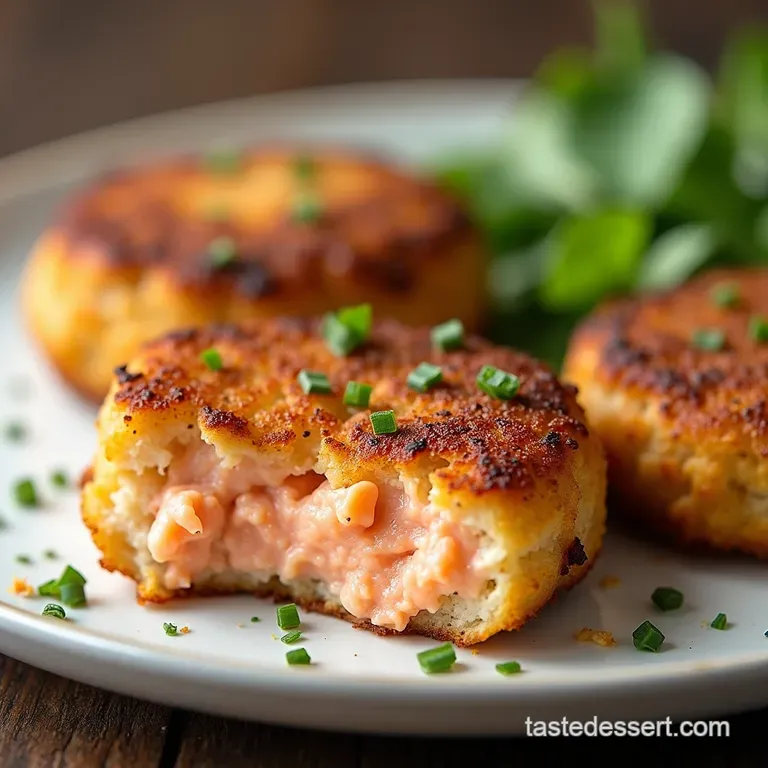
There is an art, and frankly, a science, to transforming humble cooked fish into something truly remarkable. When we talk about Salmon Cakes , we aren’t discussing dense, heavy pucks of fish suspended in overly seasoned filler.
We are aiming for a culinary structure where the salmon remains the undisputed star flaky, moist, and bursting with bright flavour. The philosophy underpinning this perfect patty is balance: balancing richness with acidity, moisture with binding agents, and texture with seasoning.
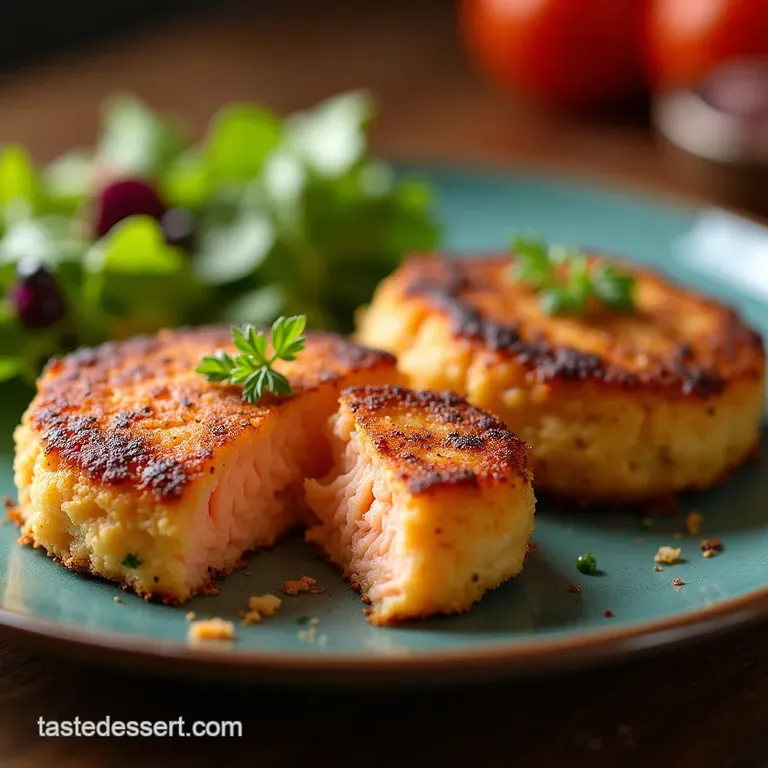
A successful cake should yield easily to the fork, revealing tender layers of fish rather than a homogenous paste. This approach ensures that even when dealing with humble ingredients, the final result elevates dinner into an event.
Why This Salmon Cake Recipe Beats the Bland & Boring
Forget everything you think you know about dry, lackluster fish preparations. This particular Salmon Cakes Recipe is meticulously crafted to deliver a vibrant, memorable experience every single time.
We focus intently on sourcing quality ingredients and applying precise techniques to guarantee a superior texture profile. Whether you are looking for satisfying Leftover Salmon Recipes or planning a dedicated meal around fresh fillets, this method guarantees success.
A Chef's Promise: Texture and Tang in Every Bite
My personal commitment when developing this recipe is twofold: texture and tang. Texture is achieved by using Panko breadcrumbs, which provide a lighter, crisper shell than standard breadcrumbs, and by ensuring the mixture is not overworked.
Tang comes from judicious use of fresh lemon and Dijon mustard, cutting through the inherent richness of the salmon. These elements combine to create Flaky Salmon Cakes that delight the palate from the first crisp bite to the tender centre.
Setting the Stage: Preparing Your Flavor Foundation
The journey begins with the salmon itself. For this recipe, you will need about one pound of cooked, flaked salmon, with all bones and skin meticulously removed. While this method works beautifully for utilizing Canned Salmon Cakes Recipe staples if drained very well, the flavour profile deepens considerably when using freshly poached or baked salmon.
We estimate this recipe yields about 6 moderate sized cakes, serving 3 as a hearty main or 6 as an appetizer. The active preparation time is a swift 20 minutes, though we strongly recommend a 30-minute chill period post forming for structural integrity.
Beyond Canned: Leveraging Quality Fish for Superior Salmon Cakes
While many rely on tins for convenience, if you have access to fresh salmon, take advantage of it. Poach or bake your fillets simply salt, pepper, and a splash of water or white wine are all you need. Once cooked and cooled, the key is gentle flaking. You want distinct pieces, not powder.
This ensures that the final product truly sings, moving beyond the realm of mere pantry meals into something truly special.
Assembling the Core Components for Maximum Zest
Crafting these Easy Salmon Cakes requires assembling a precise ensemble of complementary flavours. It’s the addition of fresh aromatics and sharp counterpoints that prevents the cakes from tasting heavy or one-note.
We aim for brightness that complements the richness of the fish beautifully.
Essential Tools for Successful Patty Formation
Before we mix, ensure you have a large mixing bowl, a whisk, a large non-stick skillet (cast iron works wonderfully), a rubber spatula, and a shallow dish ready for the dredging process. Having the right equipment makes the assembly smooth and efficient.
The Seafood Star and Its Binding Allies
The primary structural components require careful measuring. Along with your 1 pound of flaked salmon, you’ll introduce 1/2 cup of Panko breadcrumbs, which serve as the initial binder and texture enhancer.
To introduce necessary moisture and richness without making the mixture soggy, we incorporate 2 tablespoons of full fat mayonnaise and 1 lightly beaten large egg. These agents hold the delicate salmon flakes together during the crucial cooking phase.
The Brighteners: Citrus, Herbs, and Pungent Accents
This is where the zest enters the picture. You will need 1 tablespoon of fresh lemon juice non-negotiable for lifting the flavour. For herbaceous depth, chop 2 tablespoons of fresh dill and 1 tablespoon of fresh parsley.
To provide a gentle bite that contrasts the soft fish, finely mince 1/4 cup of red onion or shallot. Finally, a teaspoon of Dijon mustard adds a subtle, sophisticated tang that ties the herbs and citrus together beautifully. Season generously with salt and freshly ground black pepper.
Panko Perfection: Choosing the Ideal Crust for Pan-Frying
While half of the Panko breadcrumbs go into the mixture to help absorb excess moisture and lend structure, the remaining amount is reserved for dredging. This exterior crust is vital for achieving that satisfying textural contrast.
Panko is superior here because its larger, airy flakes create an instantly crisp exterior when they meet hot oil, contrasting perfectly with the interior.
Related Recipes Worth Trying
- Best Cheesy Mashed Potato Pancakes Recipe Leftover Mash — Transform cold mash into crispy golden cheesy mashed potato fritters in 30 minutes This foolproof recipe guarantees fluffy centres and perfect texture Get...
- Easy Tres Leches Cupcakes Recipe Incredibly Moist Sponge — Skip the slicing These easy Tres Leches Cupcakes deliver that legendary threemilk soak in a perfect single serving Learn the best soaking tips here
- Proper British Rock Cakes The Easiest baked good with no eggs for Afternoon Tea — Need a quick baked good with no eggs My easy eggless baking powder recipe for proper British rock buns is a tea time classic Simple sultana rock cakes using...
Mastering the Mix: Avoiding the Mushy Pitfall
The temptation when mixing any patty be it sausage or these superb Salmon Patties Recipe variations is to overwork the ingredients. Resist this urge fiercely!
Overmixing activates starches in the breadcrumbs and compresses the fish structure, leading directly to dense, cake like results rather than the flaky ideal we seek.
Shaping, Chilling, and Achieving the Perfect Sear
The final phase before the heat demands precision in forming and temperature management. Proper handling here guarantees your cakes remain intact throughout cooking, whether you are making standard fried versions or even considering Air Fryer Salmon Cakes later.
Gentle Folding: Integrating the Wet and Dry Elements
Start by adding the minced onion, dill, parsley, and half of your reserved Panko to the bowl with the flaked salmon. In a separate small vessel, whisk together the mayonnaise, lemon juice, Dijon, egg, salt, and pepper. Pour this wet slurry over the salmon mixture.
Using a rubber spatula, gently fold everything together. Stop mixing the moment the ingredients are just barely incorporated; you should still see distinct pockets of salmon.
The Crucial Chill Period for Structural Integrity
Divide the mixture into 6 equal portions and gently form them into patties, roughly 1 inch thick. Lightly dredge each patty in the remaining Panko, ensuring both sides have an even coating. Place these formed cakes onto a plate or baking sheet and refrigerate for a minimum of 30 minutes.
This chilling step is paramount; the cold temperature helps the binders set, making the patties far less likely to crumble when they hit the hot skillet. This is a necessary step for anyone hoping to master Salmon Cakes Without Eggs too, as the chilling time helps the structure firm up in the absence of that extra binding protein.
Temperature Control Secrets for a Golden Brown Finish
For pan-frying, you need about 3 tablespoons of a neutral oil (like canola or vegetable) heated in a large non-stick skillet over medium heat. The oil should be shimmering and immediately sizzle when you test it with a tiny crumb of the mixture this indicates the correct temperature for a quick, crisp sear without burning the Panko crust.
step-by-step Guide to Pan-Frying Your Salmon Cakes
Once the oil is hot, carefully place the chilled cakes into the pan, ensuring you do not overcrowd the surface; work in batches if necessary. Cook undisturbed for 5 to 6 minutes on the first side until a rich, golden brown crust forms.
Flip gently with a wide spatula and cook for another 5 to 6 minutes until the second side matches the first and the centre is piping hot throughout. Remove them immediately to a wire rack to drain the excess oil, which keeps the bottom crust from getting steamy.
Elevating Your Experience: Serving Suggestions and Sauces
A superb Salmon Cake deserves an equally superb accompaniment. While these are wonderful straight off the rack, serving them with a complementary sauce transforms the meal.
Whipped Lemon Dill Aioli: The Ideal Condiment Pairing
The absolute best partner for these zesty fish cakes is a bright, creamy aioli. Whisk together half a cup of good quality mayonnaise with 1 tablespoon of fresh lemon juice, a small minced clove of garlic, 1 teaspoon of Dijon mustard, and 1 tablespoon of finely chopped fresh dill. Season to taste.
The cool creaminess and sharp citrus notes perfectly balance the crispy, warm salmon.
Baking Alternatives: A Lighter Route to Delicious Salmon Cakes
If you are looking for a lighter preparation, or perhaps need a faster cooking method for Leftover Salmon Recipes one busy evening, baking is an option. Preheat your oven to 400° F ( 200° C).
Place the breaded cakes on a parchment lined baking sheet, lightly sprayed with cooking oil. Bake for 15– 20 minutes, flipping halfway, until golden brown. While less deeply crusted than the pan-fried version, this is a fantastic alternative.
Troubleshooting and Longevity of Your Seafood Creation
Even with the best intentions, occasionally a cake might present a minor challenge. Understanding a few common hurdles ensures your next batch is flawless.
Storage Protocols: Keeping Leftovers Fresh and Flavorful
If you are lucky enough to have extras, store the cooked Salmon Cakes in an airtight container in the refrigerator for up to 3 days. They reheat beautifully in a toaster oven or a dry skillet over medium low heat to re-crisp the exterior.
Freezing is also viable; cool completely, wrap tightly, and freeze for up to two months.
Common Mistakes: How to Keep Your Patties Intact During Cooking
The number one reason patties fall apart is an under chilled mixture or insufficient binder (the egg/mayo). If your cakes are very crumbly before cooking, add another half tablespoon of mayonnaise or another quarter of a beaten egg and gently fold it in.
The second major culprit is insufficient oil heat; if the oil is too cool, the Panko absorbs it instead of crisping instantly, leading to a soggy, fragile shell.
Recipe FAQs
How do I stop my Salmon Cakes from falling apart when I fry them?
That’s the million dollar question! The secret lies in two things: don't overmix the ingredients, and absolutely chill them. Mixing too much develops the binder, making them tough, and chilling the formed patties for at least 30 minutes firms them up perfectly so they hold their shape in the hot pan.
Treat them gently, like they’re made of spun glass!
Can I use canned salmon instead of fresh for these Salmon Cakes?
Absolutely, canned salmon is a cracking budget friendly substitute! Just ensure you drain it thoroughly we want the flavour, not excess liquid, as that will ruin the texture. If you use canned, you might find you need slightly less mayo or maybe even a touch more breadcrumb to absorb the residual moisture.
What’s the best way to store leftover cooked Salmon Cakes?
If you have any leftovers (unlikely, I know!), store them in an airtight container in the fridge for up to three days. For the best re-heating experience, try the oven or an air fryer at about 350°F (175°C) until warmed through; this crisps the outside back up nicely, avoiding the soggy microwave trap.
I’m not a fan of dill; what other herbs work well in Salmon Cakes?
Dill is classic, but if it’s not your cup of tea, you have plenty of options! Parsley is already in there, but feel free to boost it, or try swapping the dill entirely for finely chopped chives or tarragon. Tarragon gives a lovely, slightly anise flavour that complements the salmon beautifully.
Can these be baked instead of pan-fried to make them healthier?
Yes, baking is a fantastic, lower fat alternative. Lightly brush the panko coated cakes with olive oil or cooking spray and bake on a lined tray at 400°F (200°C) for about 15 18 minutes, turning halfway through.
They won't get that deep, uniform crust, but they will still taste superb and be much lighter on the calories!
Flaky Salmon Cakes Recipe
Instructions:
Nutrition Facts:
| Calories | 300 kcal |
|---|---|
| Fat | 17g |
| Fiber | 1g |
