Sunshine Citrus Fluffy Glazed Orange Scones
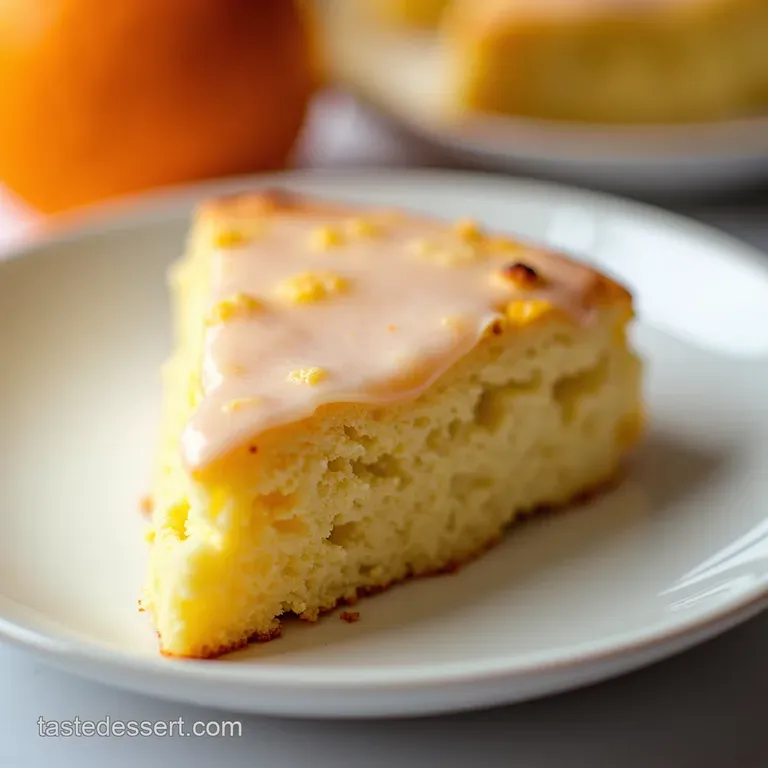
- Elevating Teatime: Why These Glazed Orange Scones Reign Supreme
- The Secret to That Perfect Crumb: Beyond the Basic Biscuit
- Gathering Your Zesty Arsenal: Essential Components
- The Dough Dance: Mixing and Shaping Your Scone Base
- Baking Brilliance: Oven Temperatures for Golden Perfection
- Troubleshooting & Perfecting Your Next Batch
- Creative Twists: Enhancing the Glazed Orange Scones Experience
- Recipe FAQs
- 📝 Recipe Card
Elevating Teatime: Why These Glazed Orange Scones Reign Supreme
There are few baked goods that carry the quiet elegance and comforting charm of a truly superb scone. Often relegated to a simple accompaniment, the scone deserves its moment in the spotlight, especially when infused with vibrant, sun-drenched flavour.
Our Glazed Orange Scones are not just a treat; they are an experience a perfect marriage of buttery, tender crumb and an intense citrus zing. Inspired by the traditional cream tea, we elevate this classic with heaps of fresh orange zest, culminating in a shiny, sweet glaze that seals in the freshness.
Whether you’re aiming to impress at a weekend brunch or simply seeking the perfect companion for your afternoon cuppa, these scones strike that delicate balance between rustic charm and refined elegance, making them an ideal centrepiece.
The Secret to That Perfect Crumb: Beyond the Basic Biscuit
The primary distinction between a passable scone and an exceptional one lies entirely in the texture. We are striving for height, flakiness, and an interior that practically melts on the tongue, rather than a dense, heavy bite reminiscent of a slightly sweet biscuit.
Achieving this coveted crumb requires precision in technique, ensuring that the fat remains cold and the mixing is minimal. This Orange Scones Recipe leans heavily on the principle of restraint during assembly.
A Burst of Citrus: Capturing the Zest of Seville
The star flavour here is undeniably the orange. To truly capture that bright essence, we rely almost entirely on the fresh outer rind. When making your Orange Zest Scones , utilize a microplane grater to gather the finest, most aromatic zest possible the bitter white pith should be avoided entirely, as it can impart an unwelcome bitterness.
Two medium oranges typically yield the necessary 1.5 tablespoons, providing a potent fragrance that permeates the entire bake.
Teatime Tradition Meets Modern Marvel
While traditional scones often rely solely on cream and perhaps a hint of vanilla, our adaptation introduces a contemporary layer of brightness. This recipe takes the foundational structure of a perfect scone cold fat cut into flour and infuses it with powerful citrus notes.
The final dusting of a shimmering topping transforms these from simple teatime fare into something worthy of a grand presentation.
Why a Touch of Gingerbread Spice Works Wonders
To deepen the complexity and provide a subtle warmth that beautifully contrasts the sharpness of the orange, we introduce a very slight background note of spice. A mere whisper of ground ginger or cinnamon, just enough to hint at baked goods beyond the purely citrus realm, makes these reminiscent of Glazed Cranberry Orange Scones without the addition of fruit.
It adds depth that keeps the palate engaged bite after bite.
Gathering Your Zesty Arsenal: Essential Components
Successfully executing this bake relies on using components that are kept meticulously cold. The ratio of dry to wet ingredients is crucial, but their temperature is paramount for lift and flakiness. This recipe yields a satisfying 8 medium scones, perfect for sharing or not!
The Dry Elements: Flour, Sugar, and the Butter Chill Factor
We begin with 2 cups (240g) of all-purpose flour, balanced by 1 tablespoon of good quality baking powder to ensure a spectacular rise. Sweetness comes from just 1/4 cup (50g) of granulated sugar, providing structure without making the finished product overly dessert like.
The most critical element here is the 6 tablespoons (85g) of unsalted butter, which must be frozen or thoroughly chilled and cut into small cubes before being introduced to the flour mixture.
Liquid Gold: Buttermilk, Egg, and Orange Essence Concentration
The binding agents are kept cold for maximum effect. We combine 3/4 cup (180ml) of very cold heavy cream or buttermilk, for an added tang with 2 tablespoons of freshly squeezed orange juice.
For those seeking an undeniable citrus punch, a half teaspoon of orange extract can be added to concentrate the flavour profile further, enhancing the final Orange Vanilla Scones experience subtly.
Crafting the Signature Shiny Glaze for Your Orange Scones
The topping is what truly defines these as Glazed Orange Scones. For the Easy Orange Glaze For Scones , we whisk together 1 cup (120g) of powdered sugar with just enough fresh orange juice (starting with 2 tablespoons) until a smooth, thick, yet pourable consistency is achieved.
The goal is a glaze that sets to a beautiful, opaque shine.
Related Recipes Worth Trying
- The Best Flaky Spiced Pumpkin Scones with Brown Butter Glaze — Forget dry coffeeshop versions These tender Spiced Pumpkin Scones are loaded with warming spice and finished with a heavenly brown butter glaze Find the...
- The Perfect Scones Recipe Light Fluffy Tea Time Classics — Stop making dry scones This classic recipe guarantees homemade scones that are light tender and rise beautifully every time Perfect for your next afternoon tea
- The Best Homemade Cranberry Sauce with Orange and Honey — Ditch the tin Make this incredibly easy Cranberry Orange Sauce Recipesweetened with golden honey and vibrant zest The perfect Thanksgiving side
The Dough Dance: Mixing and Shaping Your Scone Base

This stage demands speed and a light touch. After cutting the cold butter into the dry ingredients alongside the fresh orange zest until it resembles coarse crumbs, the liquid components are incorporated.
Pour the chilled cream mixture into the dry ingredients and use a fork or spatula to mix only until the dough just comes together into a shaggy mass. Overmixing activates the gluten, leading to tough results.
Once combined, turn the shaggy dough onto a lightly floured surface. Gently pat or roll it to about 3/4 inch thickness. Using a 2.5 inch round cutter, punch out the rounds. Remember the baker’s secret: press down firmly and lift straight up; twisting the cutter can seal the edges, hindering the rise.
After placing the cut scones onto parchment lined baking sheets, they absolutely must chill for 30 minutes before entering the heat.
Baking Brilliance: Oven Temperatures for Golden Perfection
The oven should be preheated robustly to 400° F ( 200° C). This high initial heat shocks the cold butter within the dough, turning the trapped moisture into steam, which forces the dough upwards before the butter melts away the key to a high, fluffy scone.
Mastering the Cut-In: Keeping the Butter Cold
If you find your butter softening during the cutting-in process, pause and place the bowl in the freezer for five minutes. The visible pea-sized pieces of butter distributed throughout the flour are the architectural scaffolding of your scone’s flakiness.
If the butter disappears into a uniform paste, you have already sacrificed height.
The Gentle Fold: Avoiding Overworking the Dough
When combining the wet and dry ingredients, resist the urge to knead or smooth the dough. The texture should remain uneven and slightly sticky when you first turn it out. Patting and folding it just enough to bring it together prevents the development of gluten strands that would result in a chewy texture rather than a tender crumb.
Glaze Application Timing: When to Drizzle for Maximum Impact
The timing of the glaze application is crucial for aesthetic appeal. The Glazed Orange Scones must be allowed to cool on a wire rack for at least 15 minutes after baking.
Applying the glaze to hot scones will result in a runny, translucent puddle that absorbs into the pastry. Wait until they are warm, but not hot, for that perfect, crisp, sweet shell to form.
Troubleshooting & Perfecting Your Next Batch
Even expert bakers face the occasional dense batch. Understanding the common pitfalls is the first step to guaranteed success on your next attempt at this Glazed Orange Scones Recipe .
Storage Secrets: Keeping Your Scones Fresh for Days
Scones are best enjoyed the day they are baked, but they can be preserved beautifully. Store cooled, unglazed scones in an airtight container at room temperature for up to two days.
If you plan to keep them longer, freeze them tightly wrapped; simply reheat from frozen at 350° F ( 175° C) for about 10 minutes until warmed through, then proceed with the glaze application.
From Breakfast to Dessert: Pairing Suggestions
While divine on their own, these citrus bites transform with pairings. For a truly decadent experience, consider a light smear of lemon curd or perhaps even incorporating white chocolate chips for White Chocolate Orange Scones .
They pair equally well with savory elements like thinly sliced smoked salmon, offering a surprising, sweet and-salty contrast.
Dealing with Dense Dough: Common Pitfalls and Fixes
If your scones bake up flat, the most likely culprit is warm butter or overmixing. If the dough was too wet, they spread sideways instead of rising upward. For the next batch, reduce the liquid slightly and ensure that 30-minute chilling period is strictly observed.
Coffee Cake Inspiration: Adding a Streusel Topping
If you desire even more texture, consider topping these scones with a simple streusel before baking. Combine 1/4 cup flour, 2 tablespoons cold butter, 2 tablespoons brown sugar, and a dash of cinnamon. Sprinkle generously over the dough after cutting, before the chilling period.
This transforms them into something akin to a Coffee Cake Inspiration hybrid.
Creative Twists: Enhancing the Glazed Orange Scones Experience
While the classic version is stunning, experimentation is where the true joy of baking lies. Think beyond the standard glaze to create new favourites.
For a festive touch, try adding finely chopped dried apricots or even finely chopped pistachios into the dough mixture alongside the zest. If you enjoy a richer flavour profile, substituting some of the orange juice in the glaze with a splash of high-quality aged bourbon or rum can yield an unexpectedly sophisticated finish.
Whether you prefer the bright simplicity or lean toward decadent additions like Candied Orange Scones , the foundation of this recipe is robust enough to support your culinary creativity.

Recipe FAQs
Why are my Glazed Orange Scones coming out tough instead of fluffy?
That’s usually down to two culprits, love: overworking the dough or warm butter. When mixing, stir only until the dough just comes together; the moment you knead it like bread, you develop the gluten, making them chewy.
Also, ensure your butter is properly chilled if it starts melting, the texture is ruined before it even hits the oven!
Can I make the dough ahead of time, or should I freeze them?
You absolutely can prepare these ahead of time, which is brilliant for an easy morning! You can chill the cut scones on the baking sheet for up to 24 hours before baking; just remember to let them sit on the counter for 15 minutes before baking from cold.
For longer storage, freeze the unglazed, baked scones, and simply reheat them briefly in a warm oven (about 350°F or 175°C) before glazing.
My glaze is too runny; how do I get that thick, opaque finish on my Glazed Orange Scones?
Ah, the classic glaze wobble! The key is patience and adding liquid slowly. Powdered sugar can be deceivingly thick. If it’s too thin, add icing sugar a tablespoon at a time until it holds its shape slightly when drizzled.
If you’ve gone too far the other way and it’s stiff as cement, add just a tiny splash more orange juice think half a teaspoon at a time.
What’s the trick to getting a really high rise on my scones?
It’s all about sharp edges and cold ingredients! When cutting the rounds, don't twist the cutter as you lift; push straight down firmly, then pull straight up. Twisting seals the sides, stopping the rise.
Secondly, ensure your baking powder is fresh, and remember that crucial 30-minute chill time it guarantees the butter hits the heat hard and fast, puffing those layers up beautifully.
Can I substitute the orange juice/zest with another citrus fruit, like lemon?
Yes, you can certainly swap it out for a lovely lemon version! Lemon zest and juice work wonderfully in scones for a bright, zesty flavour. Just be mindful that lemon juice is often slightly more acidic than orange juice, so you might need a tiny bit less in the dough mixture to maintain the right consistency.
Fluffy Glazed Orange Scones

Ingredients:
Instructions:
Nutrition Facts:
| Calories | 539 kcal |
|---|---|
| Protein | 2.7 g |
| Fat | 13.0 g |
| Carbs | 55.1 g |
| Fiber | 0.3 g |
| Sodium | 36 mg |
