Fluffy Spiced Pumpkin Dinner Rolls (The Ultimate Autumn Staple)
- Welcoming Autumn: The Ultimate Fluffy Pumpkin Dinner Rolls
- The Science of Softness: Why These Rolls Rise So High
- Essential Pantry Checklist: Ingredients and Clever Substitutions
- Baking the Perfect Batch of Spiced Pumpkin Dinner Rolls: Method Guide
- Troubleshooting Your Dough: Expert Baking Tips and Common Errors
- Maximizing Freshness: How to Store and Freeze Pumpkin Dinner Rolls
- Beyond the Bread Basket: Creative Serving Pairings
- Recipe FAQs
- 📝 Recipe Card
Welcoming Autumn: The Ultimate Fluffy Pumpkin Dinner Rolls
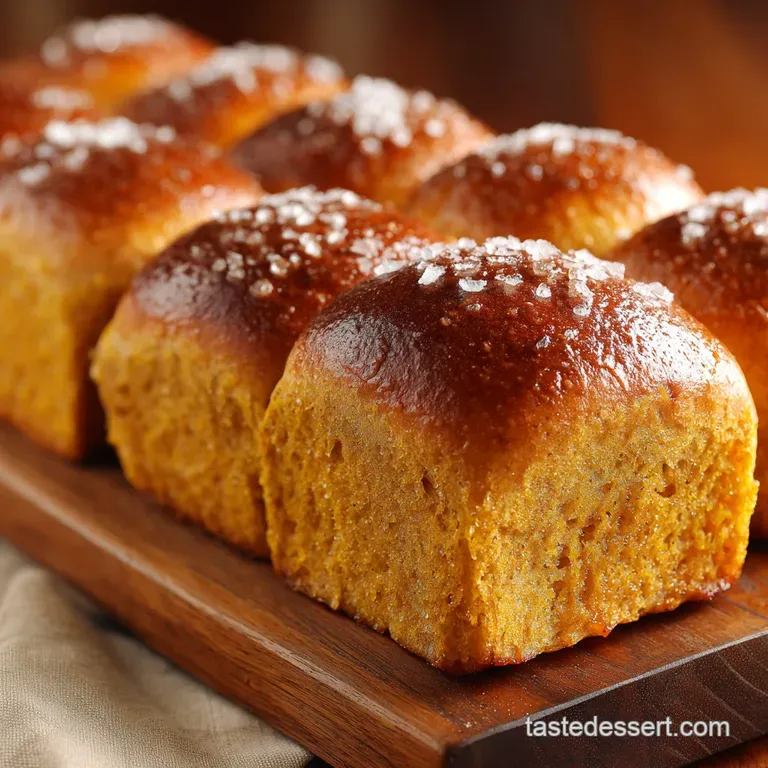
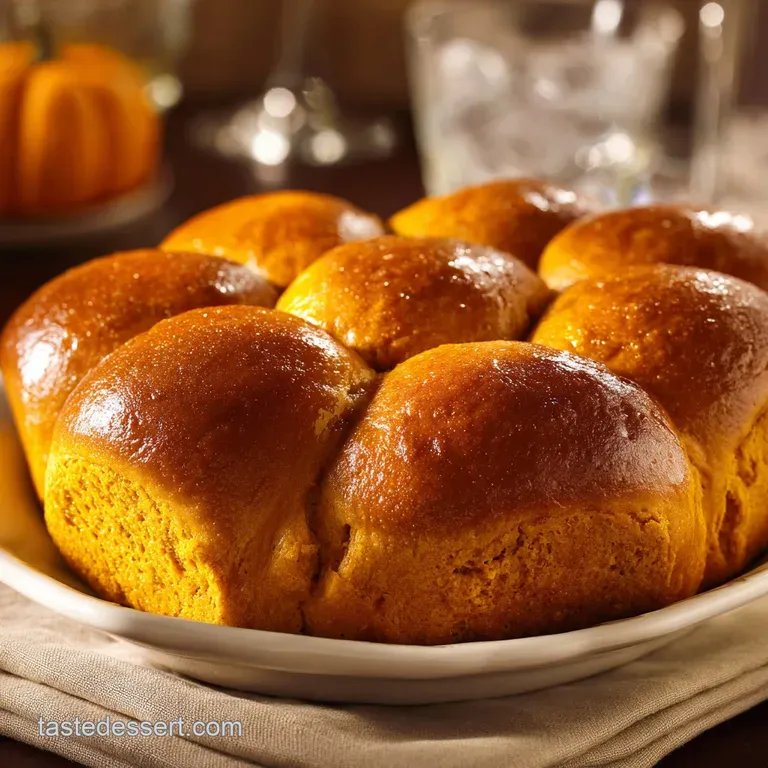
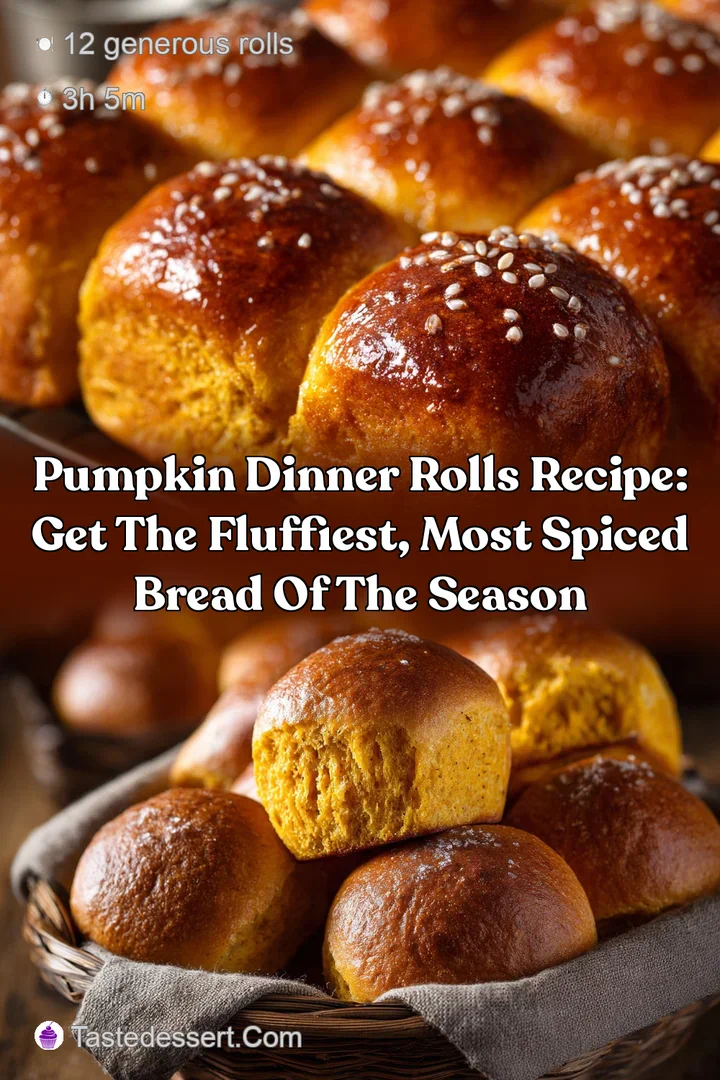
That rich, yeasty, spicy smell fills the whole kitchen the moment these rolls hit the oven, right? They bake up deep golden, feeling unbelievably soft and pillow like when you give them a gentle squeeze, making them impossible to resist.
Forget everything else; these fluffy pumpkin dinner rolls are autumn distilled into a perfect, tender cloud.
I know holiday baking feels stressful, but this recipe is your absolute lifesaver because it’s so much easier than you think. Since the pumpkin itself adds a ton of moisture, these rolls stay incredibly soft for days, avoiding that tragic, rock hard texture you sometimes get with plain white bread.
Plus, using pantry staples means this isn't going to break the bank.
This isn’t some complicated, old-school European bread recipe, either. We’re using straightforward techniques, letting the stand mixer do the hard work, and focusing entirely on managing that all-important rise. Now grab your apron; let's crack on and make some bread that will genuinely steal the show.
The Science of Softness: Why These Rolls Rise So High
Getting a successful, light dinner roll isn't just luck; it's a careful balance of hydration, heat, and fat content. My secret weapon here is actually the combination of the pumpkin and the type of flour we use. This is where most recipes fail!
Defining the Perfect Texture: Fluffy vs. Chewy
We are aiming for fluffy , not dense and chewy, which means we need excellent gluten development without excessive kneading time. Bread flour helps give structure, but the fat in the melted butter keeps those gluten strands short, resulting in a tender crumb that melts in your mouth.
You want a roll that bounces back, not one that sits there like a hockey puck.
A Taste of the Season: The Warming Spice Blend Used
Pumpkin, on its own, is actually pretty bland. The magic happens when we layer in the spices: a hefty dose of cinnamon, a touch of ginger for warmth, and freshly grated nutmeg is non-negotiable, seriously.
I tried skipping the ginger once because I was out, and the rolls tasted flat; never again will I make that rookie mistake.
The Role of Pumpkin Purée in Moisture Retention
This is the real game changer. Pumpkin purée is nearly 90% water, but that moisture is bound up with fibers and starches. This makes the dough highly resistant to drying out during the intense heat of baking, resulting in rolls that are perpetually soft and delicious.
We also use just enough to impart flavor and color without overloading the dough and making it dense.
Activating the Yeast: Temperature and Timing Controls
Yeast is a living organism, and you must treat it like a delicate plant, not a rock! We use warm whole milk (around 110°F is perfect) to wake it up gently, giving it a little sugar snack to prove it’s ready to work.
If your milk is too hot, you kill the yeast, and your dough stays flat; if it's too cold, it takes forever to wake up.
Crucial Chef’s Note: If your yeast mixture doesn't get foamy and bubbly after 10 minutes, your yeast is dead. Stop, throw it out, and start again with a fresh packet and a correctly tempered liquid. Don't waste flour on dead yeast!
Essential Pantry Checklist: Ingredients and Clever Substitutions
Every great bread starts with high-quality ingredients, but life happens, and sometimes you need a quick fix. Here are the must haves and their easy swap outs.
| Ingredient | Why We Use It | Quick Substitution |
|---|---|---|
| Bread Flour | High protein for structure and elasticity. | All-Purpose Flour (use 2 Tbsp less per cup). |
| Pumpkin Purée | Moisture, color, and subtle flavor. | Mashed sweet potato or butternut squash purée. |
| Whole Milk | Fat content for richness and tenderness. | Half and half for richer results, or non-dairy milk (almond/soy). |
| Brown Sugar | Molasses adds moisture and chewiness. | Granulated sugar (they will be slightly drier). |
Pumpkin Purée vs. Pumpkin Pie Filling: Knowing the Difference
Please, for the love of good bread, check the label! You absolutely need 100% pure pumpkin purée, which is simply cooked and mashed pumpkin. Pumpkin pie filling already has sugar and spices added, which will completely mess up our carefully balanced spice and sweetness levels.
Flour Power: High Protein Bread Flour vs. All-Purpose
I recommend bread flour here because the weight and moisture of the pumpkin can easily lead to a heavy roll if you don't build a strong gluten structure. Bread flour has more protein, meaning it handles the wet pumpkin better and gives you a magnificent, chewy, yet light roll.
If you only have all-purpose, it works fine, but start by reducing the total flour measurement by about two tablespoons.
Dairy Notes: Choosing the Best Milk and Butter Fat Content
Whole milk gives these rolls the best flavor and texture because the extra fat inhibits gluten development just enough to keep the roll tender. Melting the butter, rather than using cold butter pieces, also promotes softness by evenly distributing the fat early in the mixing process.
Scaling the Spices: Adjusting the Cinnamon and Nutmeg Ratio
The provided recipe uses a moderate, savory leaning spice blend perfect for pairing with gravy or savory dishes. If you want these rolls to taste more like a classic pumpkin dessert say, something closer to my Pumpkin Granola Recipe for Max Crunch and Perfect Clumps — increase the cinnamon to 1 ½ teaspoons and add an extra ¼ teaspoon of ground cloves.
Baking the Perfect Batch of Spiced Pumpkin Dinner Rolls: Method Guide
Patience is key, my friends. You can’t rush yeast.
Step 1: Proofing the Yeast and Hydrating the Dough
Get that milk just warm not scalding and stir in the sugar and yeast. While that mixture is getting foamy, combine your wet ingredients (purée, melted butter, egg) and ensure the melted butter is cooled; you don't want to cook the egg.
Slowly introduce the flour and spice mixture, mixing until a shaggy mass forms before you start the real kneading.
Step 2: The First Rise (Bulk Fermentation)
Knead the dough until it passes the windowpane test, meaning it's smooth and perfectly elastic. This first rise is where most of the flavor develops, so don't rush it. Find a warm spot; my favorite secret spot is the oven, turned off, with the light on.
Let it rise until it looks completely doubled in size, which usually takes about 75 minutes.
Step 3: Shaping Techniques (Classic Sphere vs. Miniature Pumpkin Forms)
After punching the air out (gently!), divide the dough evenly. Use a scale if you want them truly uniform. To shape a smooth sphere, pull the dough edges underneath and cup your hand over the top, rolling it tightly on a surface that gives a little friction.
If you're feeling extra festive, you can wrap kitchen twine around the rolls before the second rise to make little pumpkin shapes; just remember to remove the string right after baking!
Step 4: The Second Rise (Proofing for Maximum Puff)
This is the final stretch, the "proof" that gives you that incredible, light texture. Place the rolls touching each other in the pan; this helps them rise upwards instead of sprawling out, ensuring that classic tear apart softness. Let them proof for about an hour; they should look puffy and soft, like marshmallows.
Troubleshooting Your Dough: Expert Baking Tips and Common Errors
I’ve made every mistake in the book, including using expired yeast in college (dark times). Here is what actually works to fix problems.
Fixing Dry Dough: When to Add More Liquid
If your dough feels stiff and crumbly after adding the required flour, stop adding flour! The environment (humidity, altitude) and exact pumpkin moisture will affect the final result.
Add liquid (a teaspoon of milk or water) gradually until the dough is tacky but not sticky, feeling soft like an earlobe.
My Dough Isn't Rising: Yeast Revitalization Techniques
If your dough is sluggish during the first rise, it means the yeast is cold or weakened. Try placing the covered bowl on a heating pad set to low, or try the microwave trick: boil a cup of water in the microwave, remove the water, and place your covered dough bowl inside the warm, steamy microwave.
This creates a perfect, draft free sauna for rising.
Achieving a Golden Glaze: Egg Wash or Butter Brush?
Use the egg wash before baking; it gives that deep, glossy, golden brown color we all want. Use melted butter immediately after they come out of the oven. The hot surface absorbs the butter quickly, keeping the crust soft and adding an extra layer of richness and flavor.
Maximizing Freshness: How to Store and Freeze Pumpkin Dinner Rolls
Homemade bread is best fresh, but these Rolls are so good you’ll want to have them on standby.
Storing Baked Rolls for Maximum Shelf Life
Once completely cooled, store the rolls in an airtight container at room temperature. They will retain their beautiful softness for 2 3 days, thanks to all that pumpkin purée moisture. I usually keep them in a zip-top bag with all the air squeezed out.
Freezing Unbaked Dough for Future Use
This is the best trick for holiday prep! After shaping the rolls (Step 9), place the rolls on a parchment lined baking sheet and freeze them solid. Once solid, transfer them to a freezer bag.
To bake, thaw them overnight in the fridge, then arrange them in the baking pan, and allow them to complete the second rise (Step 11).
Reheating and Reviving Stale Rolls
If your rolls start feeling dry on day three, don't toss them! Wrap the rolls loosely in foil and reheat them in a 350°F (175°C) oven for about 10 minutes. The steam trapped inside the foil will rehydrate them beautifully.
Beyond the Bread Basket: Creative Serving Pairings
These pumpkin rolls are fantastic next to anything rich or creamy.
They are stellar alongside any rich main course. They’re savory enough to be served with Thanksgiving turkey or even paired with a hearty, warming winter stew. If you're keeping it lighter, these are unbelievable served next to a bowl of chili or one of those Santa Fe Turkey Stuffed Peppers: Healthy, Southwest Style Dinner .
For breakfast, treat them like a slightly less sweet version of my Bisquick Cinnamon Rolls: The 45 Minute, No-Yeast Breakfast Sweet . Just slice them horizontally and top with a massive dollop of honey cinnamon butter. You won’t regret it. They also taste great dipped into a yogurt bowl, perhaps alongside your morning batch of Pumpkin Overnight Oats: The Easy 10 Minute Autumn Breakfast Prep .
Recipe FAQs
Why did my pumpkin rolls come out dense and not fluffy?
The most common cause for dense rolls is using too much flour, which overpowers the moisture provided by the pumpkin. Always measure your flour using the "spoon and level" method, and ensure you stop kneading just when the dough is smooth and slightly tacky, not dry.
Over baking can also dry out the moisture, resulting in a heavier texture.
I didn't get a good rise. What went wrong with the yeast?
Yeast is sensitive to temperature and age. Ensure your active dry yeast is fresh and the milk used to activate it is comfortably warm, between 105°F and 115°F; temperatures above 120°F will kill the yeast entirely.
Also, cold ambient kitchen temperatures can significantly slow down the rising process, so find a draft free, warm spot for proofing.
Can I substitute canned Pumpkin Pie Filling for Pumpkin Purée?
No, these ingredients are not interchangeable for this recipe. Pumpkin Purée is 100% cooked, mashed pumpkin, vital for the moisture and structure of the rolls. Pumpkin Pie Filling contains added sweeteners, spices, and stabilizers that will drastically alter the dough structure, resulting in overly sweet and potentially dense rolls.
How can I make these dinner rolls dairy-free or vegan?
This recipe adapts beautifully to dairy-free substitutions. Simply swap the traditional dairy milk for an unsweetened, creamy plant based alternative, such as oat, soy, or cashew milk. Substitute the butter with a high-quality vegan butter stick or refined coconut oil (which has a neutral flavor) using a 1:1 ratio.
How should I store leftover baked rolls, and how do I reheat them?
Once completely cooled, store the leftover rolls in an airtight container at room temperature for up to 3 days, or refrigerate for up to a week. To restore their freshness, wrap the rolls loosely in foil and reheat them in a 300°F (150°C) oven for about 8 to 10 minutes until warmed through.
Can I freeze the dough to bake later?
Yes, you can freeze the dough after the shaping stage but before the second rise. Place the shaped rolls onto a baking sheet, cover them tightly, and freeze until solid; transfer them to a freezer bag for storage up to one month.
To bake, thaw the frozen rolls overnight in the refrigerator, allow them to come to room temperature and complete the final rise, and then bake as directed.
I only have whole wheat flour. Can I use that instead of all-purpose flour?
While you can certainly substitute, whole wheat flour absorbs more liquid and results in a denser product with less volume. For the best result, aim for a 50/50 mix of whole wheat and all-purpose flour to maintain a fluffier structure while incorporating whole grain benefits.
You may also need to add an extra tablespoon or two of milk to achieve the correct dough consistency.
Fluffy Spiced Pumpkin Dinner Rolls
Ingredients:
Instructions:
Nutrition Facts:
| Calories | 110 kcal |
|---|---|
| Protein | 3.0 g |
| Fat | 2.5 g |
| Carbs | 19.0 g |
