The Ultimate Fudgy Chocolate Bundt Cake
- Effort/Time: Intermediate technical skill; 1 hour 10 mins total.
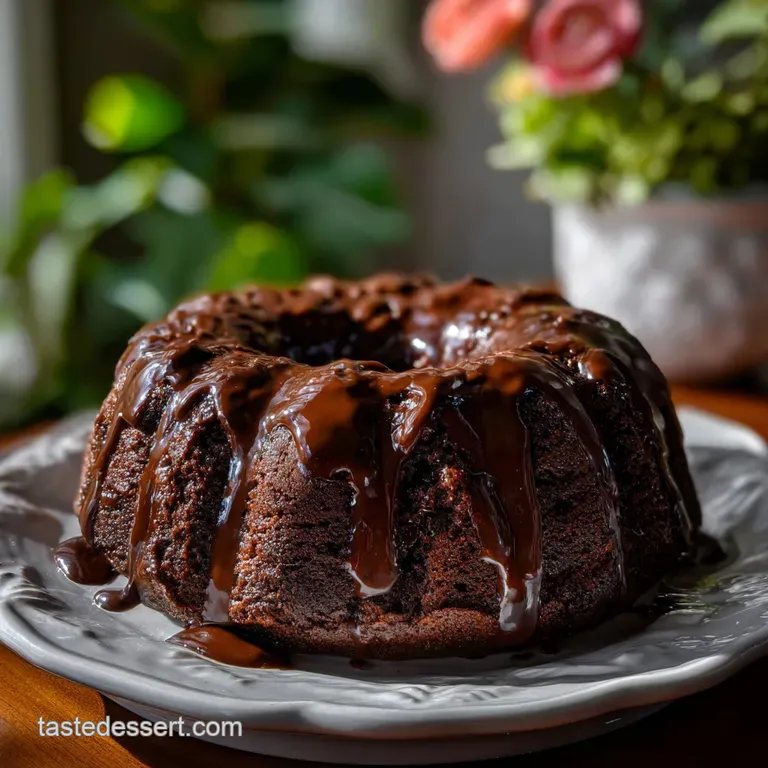
- Flavor Hook: Dark, mahogany crumb with a high-gloss semi-sweet ganache finish.
- Perfect for: Holiday centerpieces, high-impact birthdays, and make-ahead celebrations.
- Engineering the Deepest Crumb: A Masterclass in Chocolate Bundt Cake
- The Hydration Balance Protocol Behind Every Fudgy Chocolate Bundt Cake
- Technical Logistics for Your Next Chocolate Buttermilk Bundt Cake
- The Alchemy of Moisture: Selecting Elements for This Recipe
- The Precision Toolkit for Perfect Heat Distribution and Release
- Executing the Bloom: The 10 Step Chocolate Bundt Cake Assembly
- Why Your Bundt Sticks: Solving Common Cake Structure Failures
- Flavor Architecture: Modifying the Chocolate Bundt Cake Profile
- Preserving the Velvet: Moisture Retention and Storage Logistics
- Final Aesthetics: Pairing Your Chocolate Bundt Cake with Ganache
- Recipe FAQs
- 📝 Recipe Card
Engineering the Deepest Crumb: A Masterclass in Chocolate Bundt Cake
We have all stood over a kitchen sink, clutching a butter knife, desperately trying to pry a mangled, dry "cake" out of a convoluted metal mold. I once spent three hours preparing a dessert only to have the top half stay in the pan while the bottom crumbled onto the cooling rack like volcanic scree.
It is a specific kind of culinary heartbreak that usually leads to a store-bought backup plan.
I failed at this Chocolate Bundt Cake exactly four times before I stopped guessing and started looking at the physics of the batter. The problem wasn't the recipe; it was the hydration-to-structure ratio.
Bundt pans are notorious for uneven heat distribution because of their central chimney, which often leads to dry edges and a gummy core if your fat-to-flour balance is off.
This version is different because it treats chocolate as a structural element rather than just a flavor. We are aiming for a specific "shatter" in the ganache and a velvety, tight crumb in the cake that holds its shape without becoming a dense brick.
Let’s crack on with the science that makes this the only Chocolate Bundt Cake you will ever need to bake.
The Hydration Balance Protocol Behind Every Fudgy Chocolate Bundt Cake
- Cocoa Blooming: Adding 240ml of boiling coffee to the Dutch processed cocoa powder dissolves solids and releases trapped aromatic compounds for a more intense flavor profile.
- Dual Fat Synergy: The 115g of Unsalted Butter provides the classic "mouthfeel" and flavor, while the 120ml of Vegetable Oil stays liquid at room temperature, preventing the cake from turning "stale" or dry.
- Acid Base Leavening: The 120ml of Buttermilk and 120g of Full Fat Sour Cream react with the 7g of Baking Soda to create a rapid CO2 release, ensuring a light lift despite the heavy moisture content.
- Maillard Enhancement: The 400g of Granulated Sugar doesn't just sweeten; it lowers the protein bonding strength of the flour, resulting in a tender, melt-in-your mouth texture.
Technical Logistics for Your Next Chocolate Buttermilk Bundt Cake
To achieve a Masterclass level Chocolate Bundt Cake, you must respect the thermal mass of the ingredients. When we talk about "room temperature" for eggs and dairy, it isn't a suggestion it is a requirement for emulsion stability.
Cold eggs will cause your melted butter to seize, creating a grainy batter that leads to an uneven bake.
| Metric | Value |
|---|---|
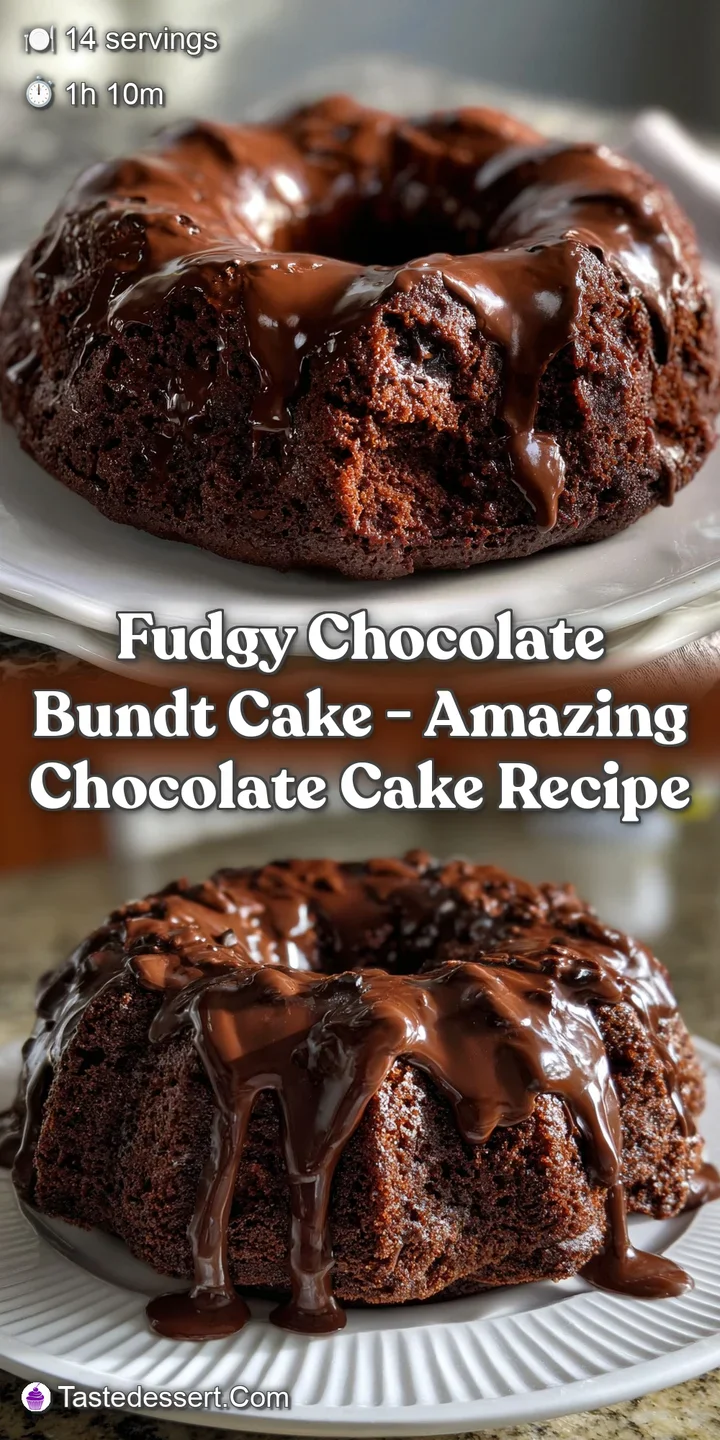
| Yield | 14 generous servings |
| Prep Time | 20 minutes |
| Cook Time | 50 minutes |
| Total Time | 1 hour 10 mins |
| Baking Temp | 350°F (175°C) |
The Alchemy of Moisture: Selecting Elements for This Recipe
Choosing your elements is the difference between a grocery store sponge and a professional grade Chocolate Bundt Cake. I always reach for Guittard Dutch Processed Cocoa Powder because the alkalization process removes the harsh acidity found in natural cocoa, allowing the deep chocolate notes to shine without competing with the buttermilk.
Ingredient Chemistry Breakdown
| Ingredient | Chemical/Physical Role (Science) | The Pro Secret (Why This Matters) |
|---|---|---|
| Dutch Processed Cocoa | Alkalized pH (7 8) reduces bitterness | Prevents over reaction with baking soda for a controlled rise |
| Full Fat Sour Cream | High fat and lactic acid content | Breaks down gluten strands for a tighter, fudgy crumb |
| Boiling Coffee | Solvent based flavor extraction | Caffeine enhances cocoa's "theobromine" for a more complex profile |
| Light Corn Syrup | Interference agent in sugar crystallization | Ensures the ganache stays glossy and "bends" rather than cracks |
- 315g All-Purpose Flour: Provides the structural protein network. Why this? AP flour offers the 10 12% protein range needed for a sturdy Bundt shape.
- 400g Granulated Sugar: Essential for hygroscopic moisture retention.
- 120ml Vegetable Oil: Use a neutral oil like Wesson. Why this? Oil coats flour proteins more effectively than butter, inhibiting excessive gluten.
- 5g Diamond Crystal Kosher Salt: Sharpens the chocolate perception.
- 170g Semi Sweet Chocolate: Finely chopped for the ganache.
- 15ml Light Corn Syrup: For that professional, mirror like finish on your Chocolate Bundt Cake glaze.
The Precision Toolkit for Perfect Heat Distribution and Release
You cannot bake a "Masterclass" cake in a thin, stamped steel pan. For a Chocolate Bundt Cake, you need a heavy gauge cast aluminum vessel. I recommend the Nordic Ware 12 Cup Anniversary Bundt Pan.
The thick walls act as a thermal heat sink, ensuring the exterior doesn't burn before the center reaches the critical 205°F internal temperature.
Avoid using aerosol sprays with soy lecithin, as they can build up a sticky residue on your pan over time. Instead, use a pastry brush to apply a thin, even layer of melted shortening or softened butter, followed by a dusting of cocoa powder.
This creates a physical barrier that allows the cake to "slide" out after the cooling period.
Executing the Bloom: The 10 Step Chocolate Bundt Cake Assembly
- Preheat the oven to 350°F and position the rack in the lower third. Note: This prevents the top from doming too aggressively before the structure sets.
- Grease a 12 cup Bundt pan with melted shortening and dust with cocoa powder until no silver metal is visible.
- Whisk the 315g flour, 400g sugar, 75g cocoa, 7g baking soda, and 5g salt in a KitchenAid Stand Mixer bowl until the mixture is a uniform pale brown.
- Bloom the cocoa by pouring 240ml boiling coffee over the dry ingredients while whisking on low until a thick, glossy paste forms and the aroma turns deeply toasted.
- Stream in the 115g melted butter and 120ml vegetable oil until the batter looks like liquid satin.
- Incorporate the 3 eggs one at a time, beating on medium speed for 30 seconds after each until the batter is voluminous and smooth.
- Fold in the 120g sour cream, 120ml buttermilk, and 10ml vanilla extract until no white streaks remain and the batter is a rich mahogany color.
- Bake for 50 minutes until a skewer inserted in the center comes out with 2 3 moist crumbs and the cake begins to pull away from the edges.
- Cool the cake in the pan for exactly 15 minutes until the sides have slightly contracted and the pan is cool enough to handle with bare hands.
- Emulsify the ganache by pouring 120ml hot heavy cream over 170g chopped chocolate; let sit 5 minutes, then stir with 15ml corn syrup until it reaches a thick, pourable consistency that coats a spoon.
Chef's Note: If your ganache feels too thin, let it sit for 10 minutes. The cocoa butter needs time to begin its crystallization process to achieve that perfect "slow drip" look on your Chocolate Bundt Cake.
Why Your Bundt Sticks: Solving Common Cake Structure Failures
Making a Chocolate Bundt Cake is 50% chemistry and 50% timing. If you flip the cake too early, the steam hasn't finished releasing, and the crumb will tear. If you flip too late, the sugar in the crust will cool and act like literal glue, bonding the cake to the metal.
Why Your Cake Sticks to the Pan
When a cake refuses to release, it is usually due to sugar crystallization or inadequate grease coverage. If you are struggling with a similar crumbly texture in other bakes, you might find the technique in our Oatmeal recipe helpful for understanding soft set structures.
| Problem | Root Cause | The Fix | Pro Protocol |
|---|---|---|---|
| Cake Tearing | Flipped too hot | Wait 15 mins exactly | Use a digital timer; don't guess. |
| Dry Crumb | Over baked | Check at 45 mins | Pull at 205°F internal temp. |
| Lumpy Ganache | Cream was too hot | Whisk in 1 tsp cold cream | Never boil cream; only simmer. |
Flavor Architecture: Modifying the Chocolate Bundt Cake Profile
The beauty of a Traditional Chocolate Bundt Cake is its versatility. You can pivot the flavor profile by adjusting the liquid components or adding inclusions. If you find the tanginess of this cake addictive, you’ll love the similar profile in our Tangy Pound Cake recipe.
Mexican Hot Chocolate Twist
Add 1 tsp of ground cinnamon and 1/4 tsp of cayenne pepper to the dry ingredients. The heat from the pepper amplifies the richness of the Dutch processed cocoa, creating a warming sensation that lingers. This variation works exceptionally well when paired with a vanilla infused ganache.
Mocha Infusion
Double the strength of the 240ml coffee by using espresso. This doesn't make the cake taste like coffee; it acts as a "flavor booster" for the chocolate. It’s the same logic used in professional bakeries to create that "dark" chocolate flavor without the bitterness of 90% cacao bars.
Preserving the Velvet: Moisture Retention and Storage Logistics
Because this Chocolate Bundt Cake contains vegetable oil and sour cream, it has a superior shelf life compared to butter only cakes. However, the ganache is a dairy based emulsion and requires specific care.
- Room Temperature: Store in a glass cake dome for up to 3 days. The sugar acts as a preservative, but the ganache may lose its high gloss sheen over time.
- Freezing: This cake freezes beautifully. Wrap individual slices in plastic wrap, then foil. They will stay fresh for 3 months. To serve, thaw at room temperature for 1 hour.
- Reheating: To restore the "fresh from-the-oven" texture, microwave a slice for 15 seconds. This softens the fats and makes the ganache slightly molten again.
Final Aesthetics: Pairing Your Chocolate Bundt Cake with Ganache
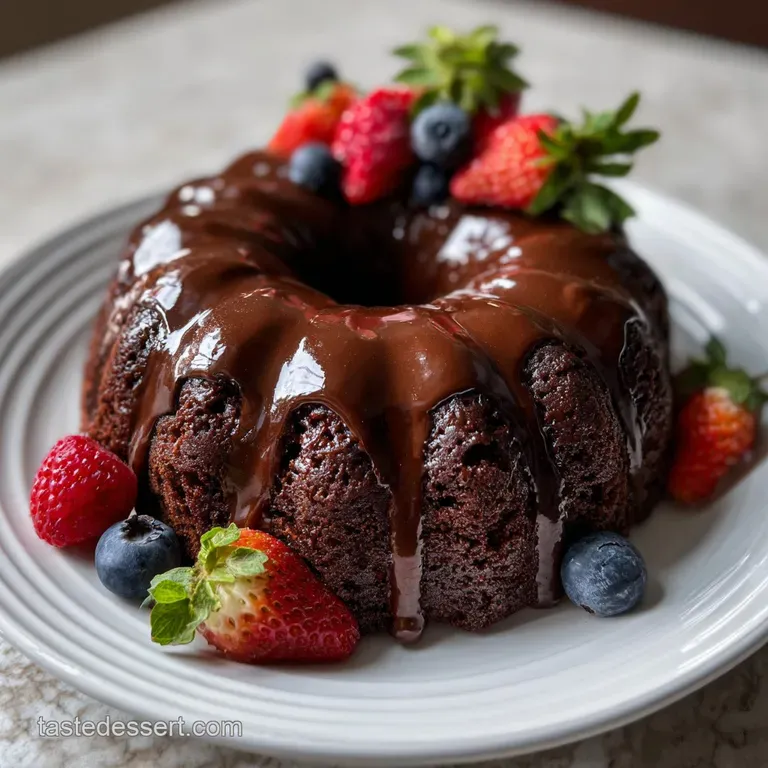
When you are ready to glaze, place the cooled cake on a wire rack set over a piece of parchment paper. Pour the ganache in a slow, steady stream over the top ridge, allowing it to flow naturally into the decorative grooves of the Bundt.
The Classic A La Mode
Serve a thick slice of this Chocolate Bundt Cake with a scoop of high fat vanilla bean ice cream. The thermal contrast between the room temperature cake and the cold cream creates a "melted chocolate" effect on the palate.
Fresh Berry Compote
If the richness feels overwhelming, a tart raspberry or blackberry compote provides the necessary acid to cut through the 23g of fat per serving. The brightness of the fruit highlights the floral notes of the vanilla extract.
This Chocolate Bundt Cake is more than just a dessert; it’s a lesson in moisture management. By respecting the "bloom," the "emulsion," and the "release," you can turn a notoriously difficult pan into your most reliable kitchen tool.
Trust the science, watch for those mahogany edges, and enjoy the most velvety slice of cake you've ever made.
Recipe FAQs
What is the required resting time for the batter before baking?
30 minutes minimum bloom time. Blooming cocoa in hot liquid maximizes flavor extraction by hydrating suspended solids fully. This step is crucial for achieving the deep, fudgy notes described in the summary.
Can I substitute the dual fat system with only whole milk?
No, substituting eliminates moisture retention. Oil provides unsaturated fat essential for lasting tenderness, while butter contributes flavor solids and structure. If you enjoyed mastering the complex fat layering here, see how the same principle of varied fat sources improves texture in our German Chocolate Cake: The Ultimate Classic Coconut Pecan Frosting Recipe.
Why does my cake stick to the intricate Bundt pan?
Pan preparation dictates release success. Failure often stems from using standard non-stick spray rather than a flour/fat paste, as particles fail to coat deep crevices adequately. The paste ensures every nook is insulated from direct contact.
- Use shortening or melted butter base
- Dust thoroughly with cocoa powder (not flour)
- Ensure complete, even coverage
Is this cake recipe suitable for cupcakes?
Yes, adjust baking time considerably. Cupcakes bake much faster, usually needing 18-22 minutes instead of 50-60 for a full Bundt. If you enjoyed the rich flavor profile here, the same technique can be adapted for our Cinnamon Roll Cupcakes Easy Homemade Swirl Recipe with Tangy Frosting.
Does chilling the ganache topping improve shine?
No, chilling dulls the surface finish. Rapid cooling sets the sugar crystals unevenly, scattering light instead of reflecting it. A glossy finish requires slow, controlled cooling at ambient room temperature.
Myth: Using boiling water guarantees a moist crumb.
Myth: Using boiling water guarantees a moist crumb. Reality: Water must be hot (near boiling) to bloom cocoa but if it is too hot when added to eggs/butter, it causes scalding and potential premature coagulation, yielding a dry result.
Is vegetable oil better than melted butter for moisture?
Vegetable oil maintains superior moisture. Oil remains liquid at room temperature, whereas butter solidifies slightly, leading to a firmer mouthfeel upon cooling. If you are interested in recipes that balance intense chocolate flavor with lightness, review our methods for Red Velvet Marble Cake Classic Recipe with Tangy Cream Cheese Frosting.
Fudgy Chocolate Bundt Cake
Ingredients:
Instructions:
Nutrition Facts:
| Calories | 462 kcal |
|---|---|
| Protein | 5 g |
| Fat | 23 g |
| Carbs | 54 g |
| Fiber | 3 g |
| Sugar | 36 g |
| Sodium | 271 mg |
