Prime Rib Side Dish with Garlic Mashed Potatoes
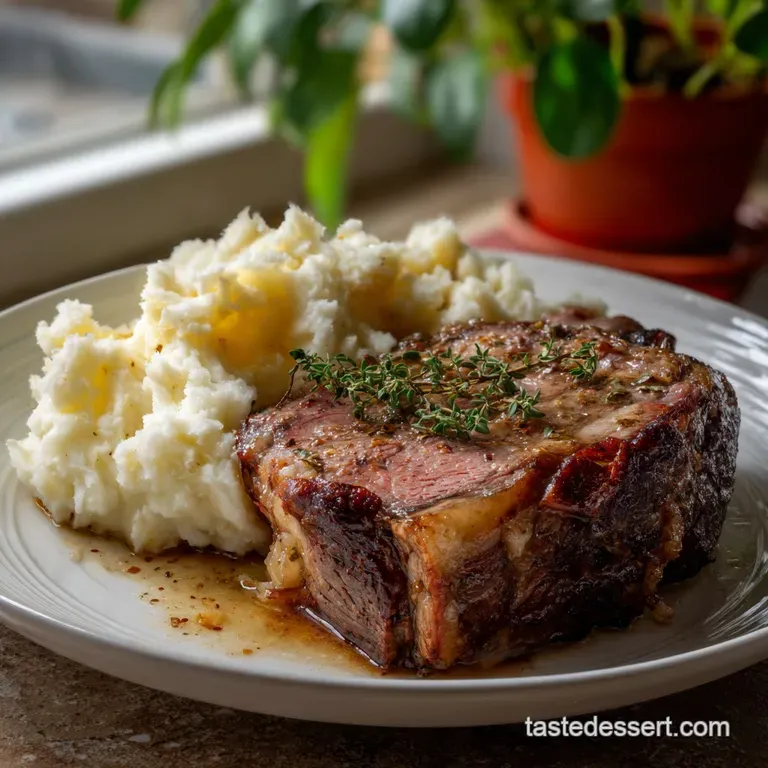
- Effort/Time: 3 hours of patient, rewarding transformation
- Flavor Hook: Herb-infused mahogany crust meets buttery, cloud-like garlic bliss
- Perfect for: High-stakes holiday feasts and milestone celebrations
- The Science of Why These Prime Rib Side Dish with Garlic Mashed Potatoes Work
- The Alchemy of Umami: Ingredient Chemistry Breakdown
- Selecting Your Elements: Prime Rib Side Dish with Garlic Mashed Potatoes Components
- Precision Engineering: Essential Kitchen Tools
- Precision Protocol: Crafting the Prime Rib Side Dish with Garlic Mashed Potatoes
- Correcting Course: Common Mistakes & Troubleshooting
- Flavor Architecture: Creative Variations & Substitutions
- ⚗️ The Scaling Lab: The Physics of Quantity
- Dispelling the Culinary Myths of the Roast
- Storage, Reheating, and the Zero Waste Philosophy
- The Ultimate Holiday Platter: Serving Suggestions
- Recipe FAQs
- 📝 Recipe Card
The Heartbreak of a $150 Gray Disaster
There is nothing more devastating than investing a week's grocery budget into a beautiful 3 bone roast only to pull it from the oven looking like boiled cardboard. I remember my first attempt at this Prime Rib side dish with Garlic Mashed Potatoes; I rushed the seasoning and ended up with a gray, flavorless slab of protein that felt like a chore to chew.
It wasn't just about the money; it was the loss of that communal joy that a perfect roast represents. That failure taught me that great cooking isn't about expensive tools, but about understanding the physics of heat and the chemistry of a simple potato.
I used to think that "creamy" potatoes just meant adding more butter until I turned a five pound bag of Yukon Golds into a bowl of gummy wallpaper paste. I was so embarrassed serving those "sticky" potatoes to my family that I almost gave up on being the holiday host altogether.
It took months of experimenting with starch temperatures to realize that I was physically bruising the cells of the potato by over working them. This Prime Rib side dish with Garlic Mashed Potatoes is the culmination of those messy lessons, turned into a foolproof masterclass for your kitchen.
The secret to this transformation lies in the alchemy of salt and time. When we allow Diamond Crystal Kosher Salt to penetrate the fibers of the roast, we aren't just seasoning; we are rearranging the protein structure to hold onto every drop of juice.
The result is a shattering, mahogany colored crust that gives way to a center so tender it practically dissolves. Paired with potatoes that feel like a warm, garlic scented silk ribbon, this meal becomes a sensory celebration of what it means to cook with love and precision.
The Science of Why These Prime Rib Side Dish with Garlic Mashed Potatoes Work
- Maillard Reaction: High heat transforms surface amino acids into hundreds of complex flavor compounds, creating that signature mahogany crust and nutty aroma.
- Starch Gelatinization: Simmering Yukon Gold potatoes at a controlled heat allows starch granules to swell and soften without rupturing, ensuring a velvety rather than gummy texture.
- Osmotic Pressure: Salt draws moisture out of the surface, creating a concentrated brine that then re-absorbs, seasoning the roast deeply to the bone.
- Emulsion Stability: Slowly incorporating high fat heavy cream into the warm starch network prevents the fats from separating, resulting in a glossy, unified finish.
The Alchemy of Umami: Ingredient Chemistry Breakdown
| Ingredient | Chemical/Physical Role (Science) | The Pro Secret (Why This Matters) |
|---|---|---|
| Standing Rib Roast | Protein denaturation & collagen hydrolysis | Choosing a 3 bone cut provides a thermal buffer, ensuring the center stays medium rare while the outside browns. |
| Yukon Gold Potatoes | High amylopectin starch structure | These tubers hold their shape during boiling but mill into a naturally buttery, non-waxy consistency. |
| Heavy Cream | Fat-in-water emulsion | Provides the lipid molecules necessary to coat starch particles, creating a luxurious mouthfeel. |
| Fresh Rosemary | Volatile oil infusion | High temperature roasting releases cineole and camphor, which cut through the richness of the roast. |
Selecting Your Elements: Prime Rib Side Dish with Garlic Mashed Potatoes Components
To achieve the ultimate Prime Rib side dish with Garlic Mashed Potatoes, every element must be chosen for its specific role in the flavor map.
- 1 Standing Rib Roast (3 bones, approx. 6.5 lbs): Why this? Bones act as insulators, slowing heat transfer for even cooking.
- 3 tbsp Diamond Crystal Kosher Salt: Why this? Large flakes allow for even coverage without over salting the exterior.
- 2 tbsp Coarsely ground black pepper: Provides the essential bite to balance the rich fat.
- 4 cloves garlic, minced: Essential for the aromatic crust transformation.
- 2 tbsp Fresh rosemary, finely chopped: Adds an earthy, woodsy top note.
- 2 tbsp Fresh thyme, finely chopped: Compliments the rosemary with a floral brightness.
- 3 tbsp Olive oil: Acts as the heat transfer medium for the herb rub.
- 5 lbs Yukon Gold potatoes, peeled and cubed: Why this? Naturally yellow flesh mimics extra butter for a visual "joy" factor.
- 8 cloves garlic, smashed and peeled: These infuse the milk and cream with a mellow, sweet fragrance.
- 1 cup Unsalted butter: Allows us to control the salt levels while adding pure milk fat.
- 1.5 cups Heavy cream: The key to a shattering yet-smooth texture.
- 1 cup Whole milk: Thins the mash slightly to prevent a "heavy" or dense finish.
- 2 tsp Sea salt: For a clean, sharp finish to the potatoes.
- 1 tsp White pepper: Provides heat without the visual "specks" of black pepper in the white mash.
- 2 tbsp Fresh chives, finely minced: A bright, onion forward pop of color and flavor.
Chef's Tip: For the potatoes, grate your cold butter using a cheese grater directly into the hot mash. This "micro fat" distribution ensures every starch molecule is coated instantly before the potatoes cool down.
Precision Engineering: Essential Kitchen Tools
For this Prime Rib side dish with Garlic Mashed Potatoes, precision is your best friend. I highly recommend using a Lodge Cast Iron Roasting Pan for the roast because its thermal mass prevents the oven temperature from dipping when you slide the roast in.
For the potatoes, skip the hand mixer which shears the starch and makes them gluey and use a Vitreous Enamel Food Mill or a ricer. This tool gently pushes the potato through small holes, creating the lightest possible crumb.
Precision Protocol: Crafting the Prime Rib Side Dish with Garlic Mashed Potatoes
1. Prepare and Roast the Prime Rib
- Pat the 6.5 lbs Standing Rib Roast completely dry with paper towels until the surface feels like parchment. Note: Moisture is the enemy of the Maillard reaction.
- Combine the 3 tbsp Kosher salt, 2 tbsp pepper, minced garlic, rosemary, thyme, and olive oil in a small bowl.
- Massage the herb paste over every inch of the roast until the fat cap is fully obscured by green and black aromatics.
- Place the roast in your roasting pan, bone side down, and let it sit at room temperature for 1 hour.
- Preheat your oven to 450°F to create an initial "heat shock" for the crust.
- Roast for 20 minutes until the herb rub begins to sizzle and the kitchen smells like a wood fired hearth.
- Reduce the oven temperature to 325°F and continue roasting until an internal thermometer hits 120°F for medium rare.
- Remove from the oven and tent loosely with foil for 30 minutes until the carryover cooking brings the internal temp to 130°F.
2. Simmer the Potatoes and Garlic Steeping
- Place the 5 lbs of cubed Yukon Gold potatoes and 8 smashed garlic cloves in a large pot of cold salted water. Note: Starting in cold water ensures the centers and outsides cook at the same rate.
- Simmer for 15 20 minutes until a fork slides into a potato cube with zero resistance.
- Warm the 1.5 cups heavy cream, 1 cup milk, and 1 cup butter in a separate saucepan over low heat until the butter is fully melted and small bubbles form at the edges.
- Drain the potatoes and garlic, then return them to the hot pot for 2 minutes until the surface moisture evaporates and the potatoes look "floury".
3. Milling and Finishing the Side Dish
- Pass the hot potatoes and garlic through a food mill or ricer into a large bowl until a mountain of fluffy, pale yellow clouds forms.
- Fold the warm cream mixture into the potatoes using a silicone spatula until the liquid is fully absorbed and the surface looks glossy.
- Season with 2 tsp sea salt and 1 tsp white pepper until the flavor pops and the garlic notes are balanced.
- Garnish with the 2 tbsp minced chives and serve immediately alongside the rested roast.
Correcting Course: Common Mistakes & Troubleshooting
Why Your Prime Rib is Gray and Dry
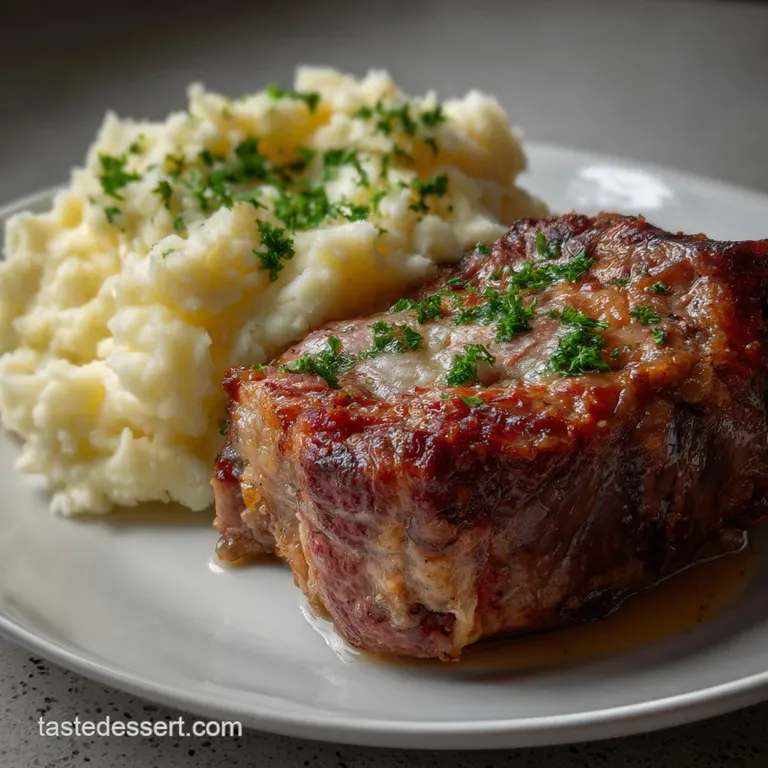
If your roast lacks a pink center, it likely suffered from a lack of "thermal rest." When you pull protein from the oven, the exterior is significantly hotter than the interior. Without a 30 minute rest, the heat continues to drive inward, overcooking the center. This is the same principle used in our BoneIn Rib Roast recipe, where resting is the most critical step.
| Problem | Root Cause | The Fix | Pro Protocol |
|---|---|---|---|
| Gummy Potatoes | Starch cell rupture | Use a ricer, never a blender. | Add fat before liquid to coat starch. |
| No Crust on Roast | Surface moisture | Pat dry and salt 24 hours early. | Use a convection fan if available. |
| Bland Mash | Under salting the water | Add 2 tbsp salt to boiling water. | Season at every stage of the process. |
Why Your Garlic Mash is "Broken" or Oily
This usually happens when the cream and milk are added cold. The temperature shock causes the fat in the butter to separate from the potato solids. Always ensure your dairy is at a gentle simmer before it touches the potatoes.
If the mix looks oily, add 2 tablespoons of warm milk and whisk vigorously for 10 seconds to re-emulsify the fats.
Flavor Architecture: Creative Variations & Substitutions
Transforming your Prime Rib side dish with Garlic Mashed Potatoes into a personalized masterpiece is half the joy of cooking. If you want a deeper, more rustic flavor, try a Roasted Garlic Twist.
Instead of boiling the garlic, roast a whole head in foil with olive oil at 400°F for 40 minutes, then squeeze the jam-like cloves directly into the mash.
| Original Ingredient | Substitute | Why It Works |
|---|---|---|
| Heavy Cream | Full fat Greek Yogurt | Adds a beautiful tang; slightly thicker finish. |
| Rosemary/Thyme | Fresh Sage | Offers a warmer, more autumnal flavor profile. |
| Yukon Gold Potatoes | Russet Potatoes | Results in a fluffier, "airier" mash but less buttery. |
If you find yourself needing a bread accompaniment for all those juices, the crumb structure of our Easy NoKnead Focaccia recipe is perfect for soaking up the herb infused fats from the roast.
⚗️ The Scaling Lab: The Physics of Quantity
When you decide to host the whole neighborhood and double this Prime Rib side dish with Garlic Mashed Potatoes, the physics of your kitchen changes.
- The Evaporation Paradox: If you double the potatoes in the same large pot, the volume of water increases, but the surface area for steam to escape stays the same. You must drain the potatoes more aggressively to avoid a watery mash.
- Thermal Mass & Thermodynamics: A 13 pound roast (two 3 bone roasts) will actually cook faster if they are in the oven together than one giant 6 bone roast. However, the oven temperature will drop more sharply when you first put them in. Increase your initial "sear" time by 10 minutes to compensate.
- Carry Over Cooking: A larger roast has more "thermal momentum." Pull a 6 bone roast at 115°F rather than 120°F, as the massive internal heat will continue to cook the center for up to 45 minutes while resting.
Dispelling the Culinary Myths of the Roast
Myth: Searing meat "locks in the juices." Truth: This is scientifically false. Searing is purely for the Maillard reaction (flavor and color). In fact, over high heat searing actually causes more moisture loss, which is why we balance it with a low and slow finish to keep the interior succulent.
Myth: You must peel potatoes after boiling for the best flavor. Truth: While the skin adds earthy notes, peeling before boiling allows the salt in the water to penetrate the starch cell directly, seasoning the potato from the inside out for a more joyful flavor profile.
Storage, Reheating, and the Zero Waste Philosophy
Storage Protocol:Fridge: Store the sliced roast and potatoes in separate airtight containers for up to 4 days. Freeze: Potatoes freeze surprisingly well for 2 months if they have high fat content (like this recipe). Thaw in the fridge overnight.
The Gentle Reheat: To preserve the "velvety" texture of the potatoes, reheat them in a double boiler with a splash of milk. For the Prime Rib, avoid the microwave!
Place slices in a baking dish with a tablespoon of broth, cover with foil, and warm at 250°F until just heated through. This prevents the "graying" of your beautiful medium rare center.
💡 ZERO WASTE TIP: Don't discard those 3 rib bones! Transform: Simmer them with onion skins and celery scraps for 6 hours to create a deeply rich beef bone broth. Science: The marrow and connective tissue release gelatin, providing a silky mouthfeel and intense umami that beats any store-bought stock. You can even use this broth to deglaze the pan for a quick jus to serve with your Pork Chops with recipe later in the week.
The Ultimate Holiday Platter: Serving Suggestions
When it comes to presenting your Prime Rib side dish with Garlic Mashed Potatoes, think about the contrast of colors. Use a large, dark toned platter to make the mahogany crust and vibrant green chives pop.
I love to serve the roast sliced thick, fanned out over a shallow bed of the garlic mash, allowing the natural juices to pool into the potatoes like a built-in sauce.
For a true "Steakhouse" experience, pair this with a bright, acidic side like a wedge salad or roasted balsamic Brussels sprouts. The acidity cuts through the heavy lipids of the cream and butter, resetting your palate for every succulent bite.
This recipe isn't just about feeding people; it's about the transformation of simple ingredients into a moment of pure, homemade delight. Enjoy the art of the creation!
Recipe FAQs
Should I let the roast rest before slicing?
Yes, always rest the roast for a full 30 minutes. The internal proteins need time to relax and redistribute the juices absorbed during cooking. Failure to rest results in juices running out immediately upon slicing, leading to a dry texture.
What potato type yields the fluffiest mash texture?
Yukon Golds provide the best balance of flavor and texture. Yukon Golds possess moderate starch levels, preventing the overly waxy stickiness of Red Bliss while offering better natural butteriness than Russets. If you enjoyed mastering the gentle incorporation of the fats here, see how the same principle of balanced structure works in our Creamy Green Bean Casserole: The Elevated Recipe with Homemade Shallots.
Is using a blender or food processor safe for the mashed potatoes?
No, blenders instantly rupture potato starch cells, causing gummy glue. The mechanical shearing action of high speed blades over agitates the amylopectin, causing it to release excessive amounts of sticky surface starch.
- Always use a ricer or food mill
- Incorporate fats before liquids
- Avoid mixing after cream is added
Can I use salted butter instead of unsalted butter?
Unsalted butter allows precise sodium control. Salted brands vary widely in sodium content (sometimes over 200mg per tablespoon), making it difficult to perfectly season the potatoes after the roast drippings are introduced.
Unsalted butter ensures your final flavor profile is intentional, not accidental.
Do I need to salt the water before boiling the potatoes?
Yes, salting the water seasons the starch from within. Potatoes absorb water during boiling; therefore, seasoning the water is the only effective way to penetrate the potato entirely before the surface moisture evaporates post draining. For a more complete meal experience, consider pairing this with our Southern Thanksgiving Menu: Classic Cornbread Dressing Recipe for the Best Sides.
Myth: I must sear the prime rib at 500°F for an hour.
Myth: High heat searing for a long duration locks in moisture. Reality: Long searing primarily causes rapid moisture evaporation and deepens the Maillard reaction unnecessarily, often leading to a dry outer layer before the center reaches temperature.
What's the best way to keep the mashed potatoes warm without drying them out?
Use a double boiler or a very low warming plate. Direct heat dries out the milk solids and causes a skin to form on the surface, leading to a heavy texture. If you need to prepare a large batch ahead of time, try incorporating an extra splash of warmed milk when reheating slowly over a bain marie.
Garlic Mashed Potatoes For Prime Rib
Ingredients:
Instructions:
Nutrition Facts:
| Calories | 1454 kcal |
|---|---|
| Protein | 69 g |
| Fat | 108 g |
| Carbs | 51 g |
| Fiber | 5 g |
| Sugar | 4 g |
| Sodium | 2825 mg |
