Champagne Reduction
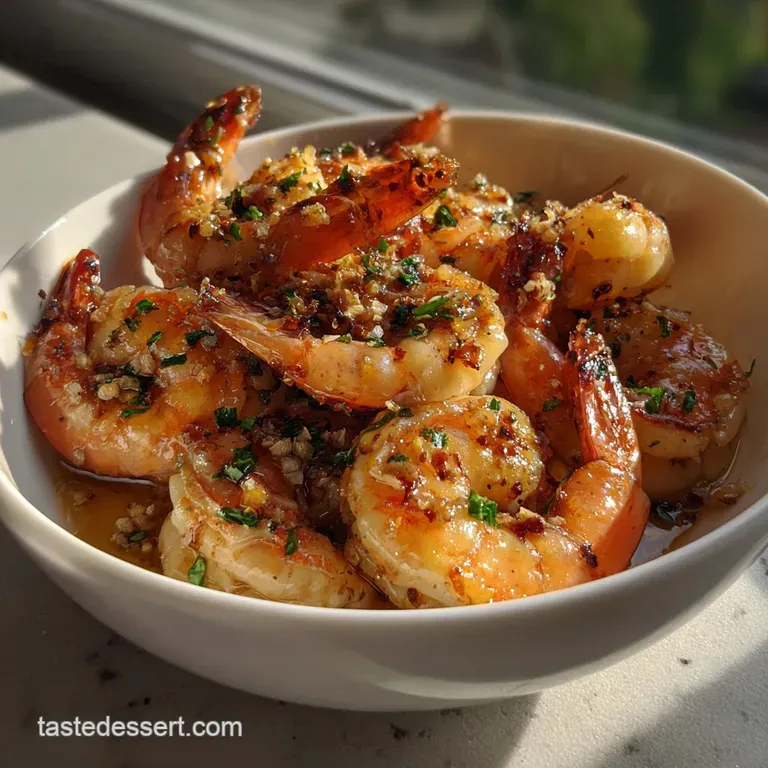
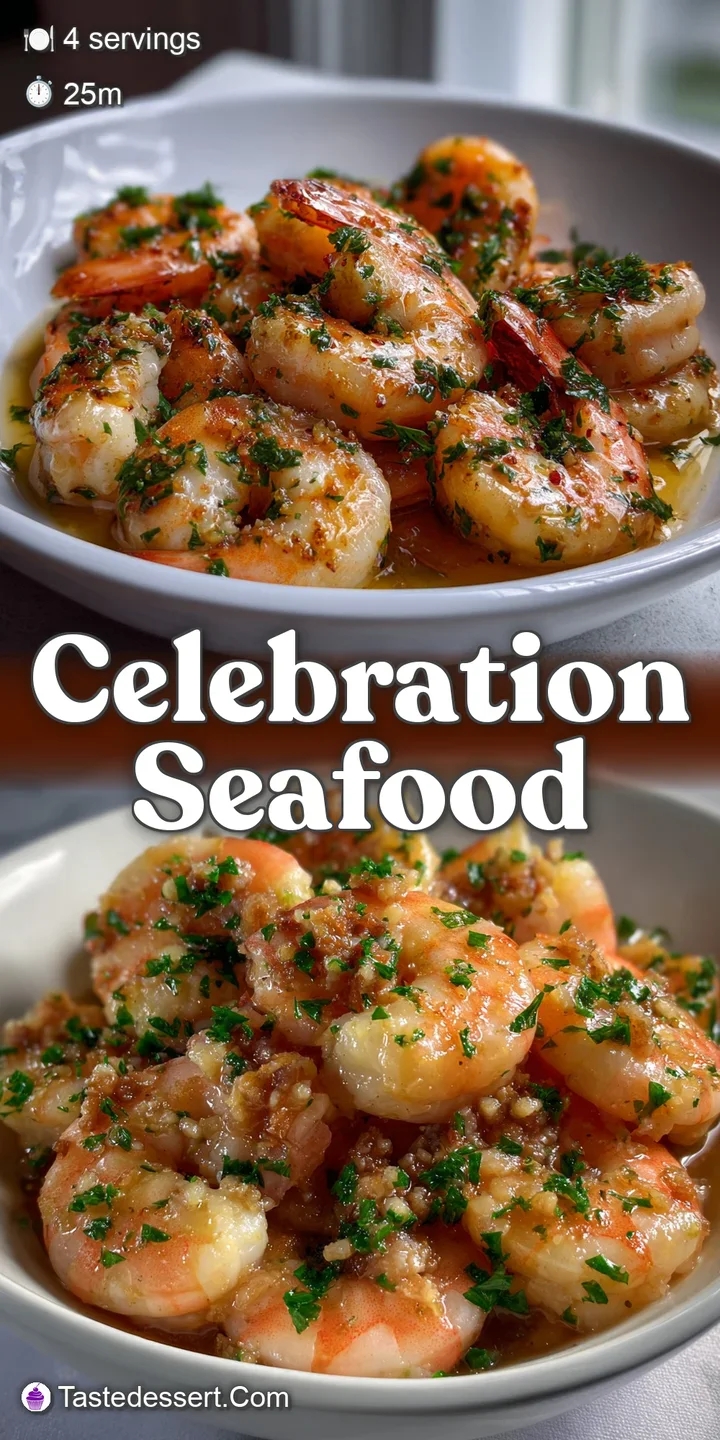
- Effort/Time: 25 minutes (High-efficiency)
- Flavor Hook: Effervescent champagne reduction meets velvety butter-garlic emulsion
- Perfect for: High-stakes NYE hosting and intimate festive gatherings
- Creating the Ultimate NYE Food Idea with Garlic Shrimp
- The Physics of Flavor: Why This Seafood Masterpiece Succeeds
- Precision Performance: Time and Yield Metrics for Success
- The Alchemy of Umami: Sourcing Your Culinary Elements
- Essential Instrumentation for Achieving the Perfect Sauté
- The Culinary Assembly Protocol: From Sizzle to Plate
- Strategic Fixes for Common Seafood Sauté Failures
- Flavor Architecture: Creative Modifications for Diverse Palates
- Preservation Physics: Maintaining Texture During Cold Storage
- The Art of Presentation: Framing Your Garlic Shrimp
- Common Myths Debunked
- Recipe FAQs
- 📝 Recipe Card
Creating the Ultimate NYE Food Idea with Garlic Shrimp
There is nothing quite as soul crushing as spending $40 on premium seafood only to serve a plate of rubbery, translucent coils that resemble erasers more than a meal. The financial sting of wasted high-quality shrimp is second only to the emotional letdown of a centerpiece that lacks that signature snap.
We have all been there staring at a pan full of grey, steaming water because the heat wasn't high enough or the pan was too crowded to allow for any meaningful transformation.
Early in my journey, I once ruined a batch of beautiful prawns by trying to sauté them directly from the freezer, thinking the heat would compensate for the ice. Instead, I created a lukewarm, mushy mess that lacked any structural integrity. It was a humbling lesson in the physics of moisture and thermal mass.
I spent years iterating on that failure, realizing that the art of the perfect shrimp isn't just about the heat it’s about the preparation and the sequence of layers that build into a joyful crescendo of flavor.
The secret to this NYE Food Idea with Garlic Shrimp lies in the Maillard reaction and the subsequent emulsification of the chilled butter into the sparkling wine reduction.
By controlling the protein denaturation through a quick, over high heat sear, we ensure a "shattering" exterior snap while the interior remains velvety and tender. The sparkling wine isn't just for show; its acidity breaks down the richness of the fats, creating a bright, balanced sauce that clings to every curve of the shrimp.
The Physics of Flavor: Why This Seafood Masterpiece Succeeds
- Surface Desiccation: Removing every trace of surface moisture allows the oil to reach the 300°F+ required for the Maillard reaction without being cooled by steam.
- Cold Fat Emulsification: Whisking chilled butter into a hot reduction creates a stable fat-in-water emulsion that provides a glossy, tongue coating mouthfeel.
- Acidic Brightening: The tartaric and malic acids in the sparkling wine act as a chemical foil to the heavy lipids in the butter, lifting the overall flavor profile.
- Carry over Thermodynamics: Pulling the shrimp when they are slightly under curled allows the internal residual heat to finish the cooking process during the sauce mounting phase.
Precision Performance: Time and Yield Metrics for Success
This recipe is engineered for speed and impact, ensuring you spend less time over the stove and more time celebrating. This NYE Food Idea with Garlic Shrimp is a true 25 minute marvel.
| Metric | Value |
|---|---|
| Total Time | 25 minutes |
| Active Cook Time | 10 minutes |
| Yield | 4 servings |
| Primary Technique | Pan-Sauté / Emulsification |
The Alchemy of Umami: Sourcing Your Culinary Elements
| Ingredient | Chemical/Physical Role (Science) | The Pro Secret (Why This Matters) |
|---|---|---|
| Large Shrimp (16 20 count) | Protein denaturation & Myosin contraction | Larger mass provides a better surface-to-volume ratio for a hard sear without overcooking the core. |
| Dry Sparkling Wine | Acidic deglazing & Ethanol solvent | Alcohol dissolves flavor compounds that water and fat cannot reach, deepening the sauce complexity. |
| Chilled Unsalted Butter | Fat-in-water emulsifier | Keeping the butter cold allows the milk solids to incorporate slowly, preventing the sauce from breaking into a greasy mess. |
| Smoked Paprika | Phenolic compound infusion | Adds a molecular hint of "char" and earthiness that mimics a wood fired grill. |
- 1.5 lbs Large Shrimp (16 20 count): Peeled and deveined, tail-on. Why this? Tail-on shrimp provide a handle for eating and release extra flavor during the sear.
- Sub: Scallops (will require a higher sear temp).
- 1/2 tsp Diamond Crystal Kosher Salt: For even seasoning.
- 1/4 tsp Smoked Paprika: Adds a vibrant mahogany hue.
- 2 tbsp Bertolli Extra Virgin Olive Oil: high-quality fat for the initial sear.
- 6 cloves Fresh Garlic: Thinly sliced. Why this? Slicing garlic instead of mincing prevents burning while providing mellow, nutty chips of flavor.
- Sub: Shallots (adds sweetness but less pungency).
- 1/2 cup Dry Sparkling Wine (Champagne or Cava): The backbone of the sauce.
- 4 tbsp Unsalted Butter: Cut into cubes and chilled. Why this? Temperature controlled fats are essential for a velvety, stable sauce emulsion.
- Sub: Ghee (yields a nuttier flavor but won't emulsify into a creamy sauce).
- 1/2 tsp Red Pepper Flakes: For a controlled thermal kick.
- 1 tbsp Fresh Lemon Juice: To tighten the proteins and add brightness.
- 1/4 cup Fresh Italian Parsley: Finely chopped for a herbaceous finish.
Essential Instrumentation for Achieving the Perfect Sauté
To master this NYE Food Idea with Garlic Shrimp, you need tools that can handle rapid temperature shifts. A Lodge Cast Iron Skillet or a heavy bottomed All-Clad Stainless Steel Pan is mandatory here. These tools have the thermal mass required to maintain heat when the cold shrimp hit the surface, preventing the dreaded "steaming effect." Similar to searing a high-quality protein, as seen in this Pork Chops with recipe, the pan's ability to retain heat determines the success of the crust.
You will also need a silicone whisk or a wooden spoon to mount the butter, ensuring you don't scratch your cookware while creating that glossy emulsion. A pair of stainless steel tongs is vital for flipping the shrimp individually, ensuring each one gets the exact amount of contact time with the heat.
The Culinary Assembly Protocol: From Sizzle to Plate
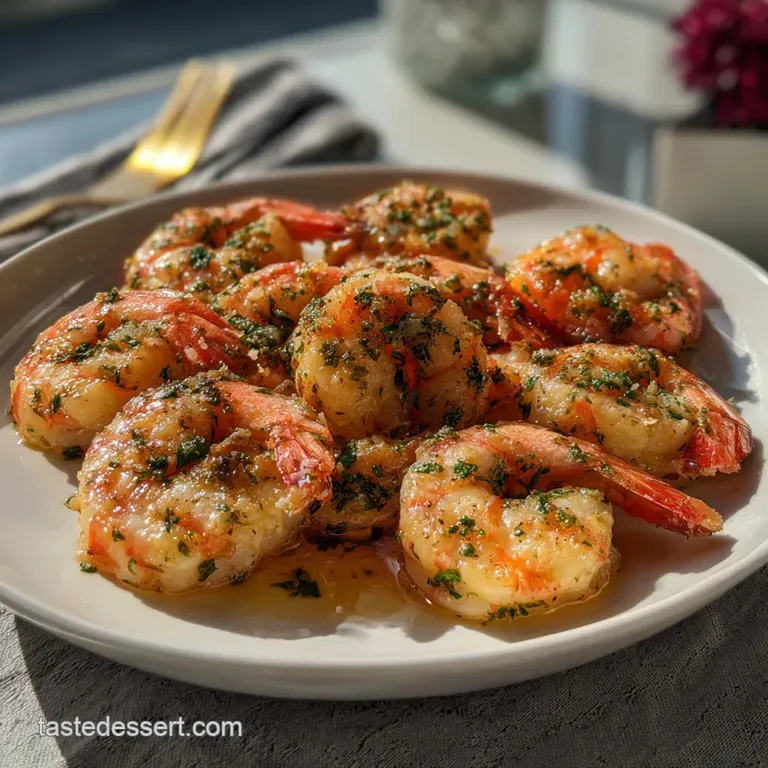
- Pat 1.5 lbs shrimp with paper towels until the surface is bone dry to the touch. Note: Moisture is the enemy of the Maillard reaction.
- Season the shrimp with 1/2 tsp Kosher Salt and 1/4 tsp Smoked Paprika until evenly coated in a light orange dust.
- Heat 2 tbsp Extra Virgin Olive Oil in a Lodge Skillet over medium high heat until the oil shimmers and faint wisps of smoke appear.
- Place shrimp in the pan in a single layer until the bottom edges turn opaque and vibrant pink (about 2 minutes).
- Flip the shrimp and sauté for 1 minute until they form a "C" shape but have not yet tightened into an "O".
- Add 6 cloves of sliced garlic and 1/2 tsp red pepper flakes until the garlic is translucent and the air smells intensely nutty.
- Deglaze by pouring in 1/2 cup Dry Sparkling Wine until the liquid boils violently and reduces by half.
- Lower the heat to low and whisk in 4 tbsp chilled butter one cube at a time until the sauce transforms into a thick, glossy pale yellow glaze.
- Drizzle 1 tbsp fresh lemon juice over the pan until the sauce looks bright and shimmering.
- Toss in 1/4 cup Italian parsley until the green flecks are evenly distributed and the aroma is fresh.
Strategic Fixes for Common Seafood Sauté Failures
Why Your Shrimp is Rubbery
When shrimp are cooked too long, the proteins tighten into a dense, coiled knot, squeezing out all internal moisture. This is a classic case of over denaturation. This challenge is often the first hurdle when preparing any successful NYE Food Idea with Garlic Shrimp.
| Problem | Root Cause | The Fix | Pro Protocol |
|---|---|---|---|
| Rubber like texture | Heat applied too long | Pull shrimp when they are "C" shaped, not "O" shaped. | Use a digital thermometer; pull at 120°F. |
| Greasy, broken sauce | Butter added to boiling liquid | Remove pan from heat before whisking in cold butter. | Use "beurre monté" technique: keep butter below 190°F. |
| Soggy, grey shrimp | Pan crowding/Moisture | Sauté in two batches to maintain pan temperature. | Dry shrimp for 15 mins in the fridge uncovered before cooking. |
Flavor Architecture: Creative Modifications for Diverse Palates
This NYE Food Idea with Garlic Shrimp is a canvas for transformation. If you are looking for a classic side to soak up that glorious champagne sauce, I highly recommend pairing this with a Cheesy Garlic Fingers Breadsticks recipe. The bread's texture is the perfect vessel for the garlic emulsion.
Mediterranean Twist
Swap the parsley for fresh basil and add 1/4 cup of halved cherry tomatoes during the garlic sauté stage. The tomatoes will burst, adding a hit of acidity and lycopene that complements the sparkling wine beautifully.
Alcohol Free Version
If you prefer to avoid the wine, substitute with 1/2 cup of high-quality seafood stock mixed with 1 tsp of white wine vinegar. This mimics the acidity and depth of the sparkling wine without the ethanol content.
Preservation Physics: Maintaining Texture During Cold Storage
Shrimp are notoriously difficult to reheat because the secondary heating process almost always leads to overcooking.
- Fridge: Store in an airtight container for up to 2 days. The garlic and wine flavors will deepen, but the shrimp will lose some of their "snap."
- Freezing: Not recommended for the finished dish. The butter emulsion will "break" upon thawing, resulting in a grainy texture.
- Reheating: Avoid the microwave. Instead, place the shrimp and sauce in a cold pan over low heat. Add a splash of water or wine and cover. Heat just until the sauce becomes liquid and the shrimp are warm to the touch (about 3 4 minutes).
Chef's Note: If you find yourself with leftover sauce but no shrimp, use it to toss with some angel hair pasta for a quick, luxurious lunch the next day.
The Art of Presentation: Framing Your Garlic Shrimp
When serving this NYE Food Idea with Garlic Shrimp, presentation is everything. Arrange the shrimp in a circular pattern on a warm platter, ensuring the tails all point in the same direction for a sense of movement.
Pour the remaining champagne butter sauce directly into the center so it pools outward, coating the base of each shrimp.
For a complete party spread, you can follow this rich dish with something whimsical and fun, like a Copycat Choco Tacos recipe for dessert. The contrast between the sophisticated garlic shrimp and the nostalgic chocolate treat creates a joyful atmosphere for your guests.
- 1. Pan Crowding
- Do not attempt to cook 3 lbs of shrimp in one skillet. You will drop the pan temperature below 212°F, causing the shrimp to boil in their own juices. Mandatory: Cook in three separate batches.
- 2. The Evaporation Paradox
- When doubling the wine, do not double the reduction time linearly. A larger volume of liquid in the same diameter pan takes longer to reduce. Check the consistency visually; the liquid should be syrupy before adding butter.
- 3. Flavor Saturation
- Scale the red pepper flakes to 1.5x only. Heat compounds accumulate aggressively in larger batches.
Common Myths Debunked
Myth: You must remove the tails before cooking for easier eating. Truth: Keeping the tails on protects the delicate end-muscle from overcooking and provides a structural anchor that prevents the shrimp from curling into a tight, tough ball.
Myth: Fresh shrimp is always better than frozen. Truth: Unless you live at the coast, "fresh" shrimp at the counter is usually just thawed frozen shrimp.
Buying "IQF" (Individually Quick Frozen) shrimp allows you to control the thawing process, ensuring the protein hasn't been sitting in a display case for days.
Zero Waste Philosophy: Don't discard those shrimp shells! Transform: Simmer the shells with a bit of water, celery scraps, and onion skins for 20 minutes to create a quick seafood stock.
Science: The shells contain chitin and residual proteins that release a deep, umami rich flavor that surpasses any store-bought broth. This NYE Food Idea with Garlic Shrimp is more than a meal; it’s a lesson in the art and joy of transformation.
Recipe FAQs
Is it safe to use frozen shrimp directly in the pan for searing?
No. Frozen shrimp release steam, preventing the necessary high heat sear. Water molecules flash boil, lowering the pan temperature below the Maillard threshold required for browning, resulting in mushy texture.
What temperature should the shrimp reach before removing them from heat?
Pull shrimp when internal temperature hits 120°F (49°C). Carry over heat will raise the temperature to the safe 145°F mark while preserving succulence. This rapid heat transfer principle applies when you are mastering searing techniques in high heat cooking.
Should I use butter or oil to start the garlic shrimp sauté?
Oil provides the necessary high smoke point for initial searing. Butter’s milk solids will burn immediately at the high heat required to achieve a crust on the shrimp. Use oil first to reach temperature, then mount with cold butter for the sauce.
Why did my champagne sauce separate into oily liquid after adding butter?
The sauce broke because the butter was too warm when incorporated. For a stable emulsion, the fat must be cold enough to incorporate slowly into the liquid base without melting instantly into a separated layer.
- Remove pan from direct heat first
- Whisk butter in one cube at a time
- Ensure liquid reduction is no longer violently boiling
Can I substitute the sparkling wine with a non-alcoholic beverage?
Yes, use high-quality stock plus acid for successful substitution. The wine's primary role is providing complex flavor and necessary acidity to cut the rich butter fat. Use 1/2 cup quality stock mixed with 1 tsp white wine vinegar to mimic this effect.
Is it better to use large shrimp or medium shrimp for this recipe?
Large (16-20 count) shrimp are superior for achieving ideal texture. Larger mass maintains heat better when introduced to the hot pan, offering a better window between a seared exterior and a perfectly cooked interior.
Myth: You must add parsley at the beginning for flavor infusion.
Myth: You must add parsley at the beginning for flavor infusion. Reality: Parsley’s delicate chlorophyll and volatile oils degrade instantly under high heat. Adding it last preserves its bright, fresh aesthetic quality and herbaceous lift.
Garlic Shrimp Nye Food Idea
Ingredients:
Instructions:
Nutrition Facts:
| Calories | 363 kcal |
|---|---|
| Protein | 34.2 g |
| Fat | 18.5 g |
| Carbs | 3.3 g |
| Fiber | 0.2 g |
| Sugar | 0.6 g |
| Sodium | 420 mg |
