German Chocolate Cheesecake
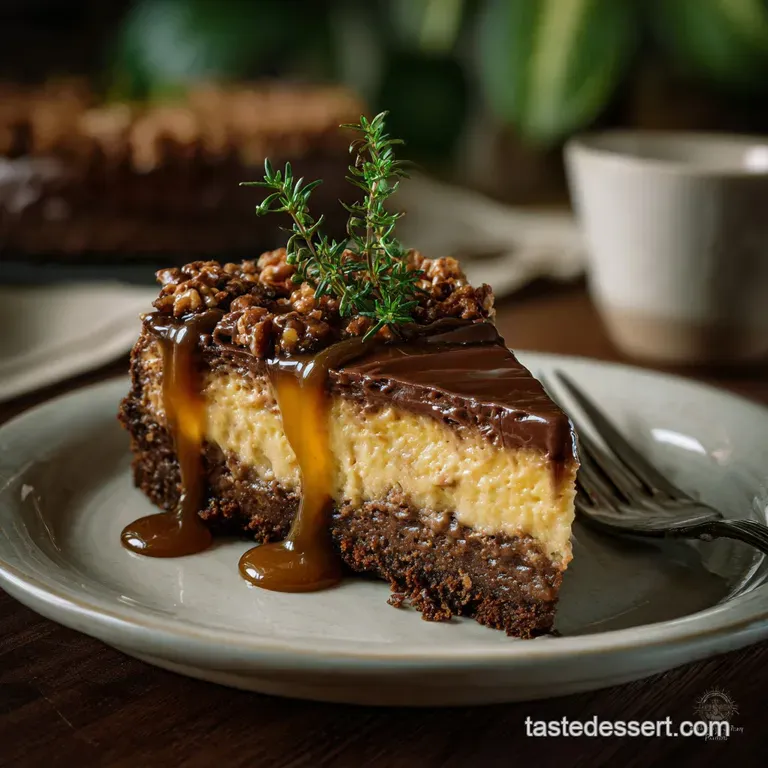
- Time: Active 30 minutes, Passive 1 hours 15 mins, Total 1 hours 45 mins
- Flavor/Texture Hook: Velvety dark chocolate meets a crunchy, buttery pecan shatter
- Perfect for: Holiday gatherings, birthday celebrations, or when you need a high impact dessert
- Master the Ultimate German Chocolate Cheesecake
- Achieving Success Through Science and Technique
- Precision Timings for Creamy Results
- Budget Friendly Ingredients for Rich Flavor
- Tools Required for Professional Results
- Executing the Multi Layer Construction
- Avoiding Common Cheesecake Structural Failures
- Customizing Your Sweet Flavor Profile
- Storage and Waste Management Guidelines
- Final Touches for Visual Impact
- German Chocolate Cheesecake FAQs
- 📝 Recipe Card
Master the Ultimate German Chocolate Cheesecake
Imagine the scent of toasted pecans drifting through your kitchen while a dark chocolate crust waits to be filled. I remember the first time I tried to make a German Chocolate Cheesecake; I rushed the cooling process and ended up with a literal soup.
It was a mess, but it taught me that the magic of this dish lies in the patience of the chill. This isn't just a dessert; it's a layered experience where the bitterness of Dutch process cocoa balances the intense sweetness of the coconut topping.
We've all been there staring at a cracked cheesecake surface that looks more like a tectonic plate shift than a gourmet treat. But here's the thing: we are going to cover that up with a thick, golden layer of coconut and pecans anyway. That’s the beauty of this specific recipe.
It is forgiving, budget smart, and has a flavor profile that feels much more expensive than the ingredients actually are.
Right then, let's get into what makes this particular version work. We aren't using three different types of expensive chocolate bars here. Instead, we are leaning on high-quality cocoa powder and a smart evaporated milk custard to keep costs down without sacrificing that decadent, silky mouthfeel you expect from a premium bakery.
Achieving Success Through Science and Technique
Understanding the "Why" behind your baking helps you pivot when things look a bit wonky. This cheesecake relies on two main pillars: stable emulsification and gentle protein denaturation.
- Protein Denaturation: The eggs act as a structural net. As they heat up, the proteins uncoil and bond together, trapping the fats from the cream cheese and sour cream into a solid but soft matrix.
- Starch Gelatinization: Using Dutch process cocoa adds starch to the batter, which helps absorb excess moisture and prevents the cheesecake from becoming overly "weepy" as it sits.
- Maillard Reaction: Toasting the pecans before adding them to the topping triggers a chemical reaction between amino acids and sugars, creating a deeper, woodier flavor that balances the sugar.
Chef Tip: Add a half teaspoon of instant espresso powder to your chocolate wafer crumbs. You won't taste the coffee, but it acts like a magnifying glass for the chocolate flavor, making it taste much darker and more intense.
| Cook Method | Time | Texture | Best For |
|---|---|---|---|
| Traditional Oven | 1 hours 15 mins | Silky and dense | Maximum flavor development |
| Springform Bars | 45 minutes | Chewy and firm | Parties and easy sharing |
| Pressure Cooker | 35 minutes | Ultra moist/mousse like | Speed and preventing cracks |
Choosing your method depends on the vibe of your event. I personally stick to the traditional oven method because the slow heat allows the custard topping to seep just a tiny bit into the top layer of the chocolate, creating a seamless transition between the two textures. If you're looking for a different chocolate project, you might also enjoy the technique used in our German Chocolate Cake recipe.
Precision Timings for Creamy Results
Cheesecake is essentially a custard, and custards are notoriously sensitive to temperature swings. You’ll want to ensure your internal temperature reaches 65°C (150°F) before you even think about turning off the heat.
This is the sweet spot where the center is set but still has a slight wobble, like Jell O.
Component Analysis
| Ingredient | Science Role | Pro Secret |
|---|---|---|
| Cream Cheese | Structural fat base | Use full fat only; the air bubbles in low-fat versions collapse under the weight of the chocolate. |
| Dutch Cocoa | Acid neutralizer | Provides a darker color and smoother flavor than natural cocoa because it has been alkalized. |
| Sour Cream | Moisture & Tang | The lactic acid softens the protein bonds in the eggs, leading to a "velvety" rather than "rubbery" bite. |
One mistake I once made was using cold cream cheese. It leaves tiny white lumps in the dark batter that no amount of whisking can fix. Trust me on this: leave your ingredients on the counter for at least 2 hours before you start.
If you’re in a hurry, you can submerge the sealed cream cheese foil packs in warm water for 15 minutes to speed things up.
Budget Friendly Ingredients for Rich Flavor
We are keeping things smart here. You don't need to buy a $15 bag of specialty chocolate. By using a combination of bittersweet chocolate and unsweetened cocoa, we get that premium depth while keeping the grocery bill manageable.
- 1.5 cups chocolate wafer crumbs: Why this? Provides a crisp, dark base that doesn't get soggy easily. (Substitute: Graham cracker crumbs with 2 tbsp cocoa)
- 24 oz full fat cream cheese: Why this? The high fat content ensures the filling remains stable and creamy. (Substitute: Neufchâtel, though it will be slightly softer)
- 0.5 cup unsweetened Dutch process cocoa powder: Why this? Delivers a deep mahogany color and mild chocolate flavor. (Substitute: Natural cocoa powder + 1/8 tsp baking soda)
- 1 cup sour cream: Why this? Adds the necessary acidity to balance the heavy sugars. (Substitute: Full fat Greek yogurt)
- 0.5 cup evaporated milk: Why this? Creates a stable, thick caramel for the topping without using expensive heavy cream. (Substitute: Half and half)
- 1 cup shredded sweetened coconut: Why this? The classic texture for a true German Chocolate finish. (Substitute: Unsweetened coconut + 1 tbsp extra sugar)
- 0.75 cup toasted pecans: Why this? Toasting releases oils that provide a "shatter" texture. (Substitute: Walnuts)
If you find yourself with extra pecans, don't throw them out. They are excellent when tossed into a batch of brownie batter, similar to the method in our The Fudge Brownie recipe.
Tools Required for Professional Results
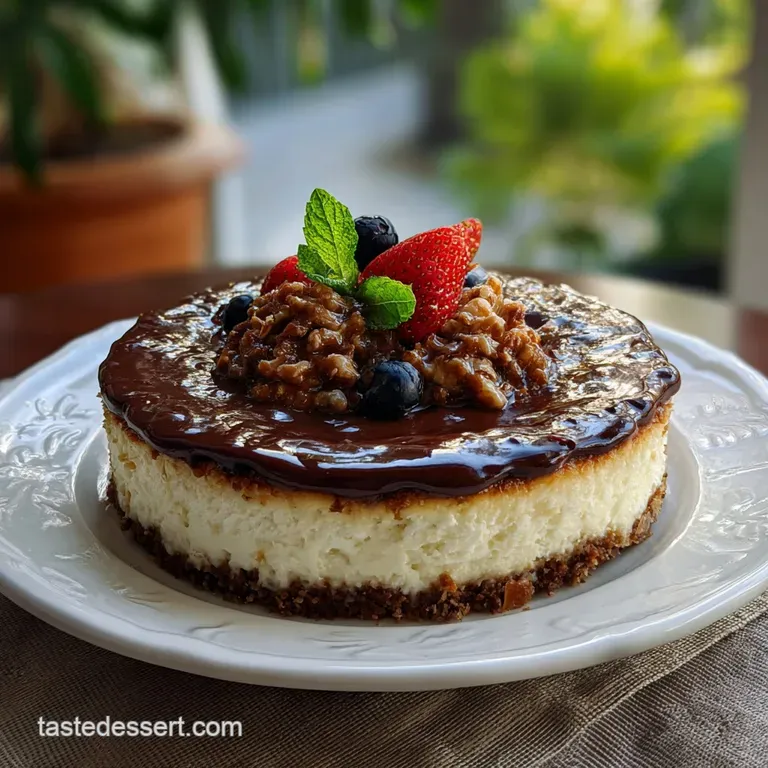
You don't need a kitchen full of gadgets, but a few specific items make the difference between a "home-made" look and a "pastry chef" finish. A 9 inch (23 cm) springform pan is non negotiable here. It allows you to release the sides without flipping the delicate cake upside down.
A stand mixer or a strong hand mixer is also vital. You need to aerate the cream cheese and sugar in the beginning, but be careful once the eggs go in. Over beating at the end is what causes those unsightly cracks because too much air is trapped, causing the cake to rise and then fall rapidly.
Finally,, grab some heavy duty aluminum foil. We are going to wrap the bottom of the pan to create a waterproof seal for the water bath. This gentle steam prevents the edges from overcooking before the center is set.
Executing the Multi Layer Construction
1. Pressing the Foundation
Combine 1.5 cups chocolate wafer crumbs, 0.25 cup chopped pecans, 4 tbsp melted butter, 1 tbsp coconut sugar, and 0.25 tsp sea salt. Press this firmly into the bottom of your springform pan. Bake for 10 minutes at 175°C (350°F) until fragrant and set.
Note: This prevents the crust from absorbing moisture from the filling.
2. Whisking the Velvet Base
Beat the 24 oz of cream cheese and 0.75 cup granulated sugar until completely smooth and airy. Add the 0.5 cup cocoa powder and 1 tsp vanilla. Scrape the sides of the bowl frequently to ensure no lumps of cheese remain.
3. Incorporating the Liquids
Stir in 1 cup sour cream and 4 oz of melted, cooled bittersweet chocolate. Add the 3 eggs one at a time, mixing on the lowest speed until just combined. Over mixing here is the enemy of a smooth surface.
4. Executing the Water Bath
Wrap the pan in two layers of foil and place it inside a larger roasting pan. Pour boiling water into the roasting pan until it reaches halfway up the sides of the springform. Bake for 1 hours 15 mins at 150°C (300°F).
5. The Gentle Cooling Phase
Turn off the oven and prop the door open with a wooden spoon. Let the cake sit inside for 1 hour. This slow temperature drop is the secret to a crack free finish. Chill in the fridge for at least 6 hours.
6. Crafting the Caramel Crown
In a small saucepan, whisk 0.5 cup evaporated milk, 0.5 cup brown sugar, and 2 egg yolks. Add 4 tbsp butter and cook over medium heat until the mixture thickens and coats the back of a spoon. This usually takes about 8 to 10 minutes.
7. The Final Inclusion
Remove from heat and fold in 1 cup shredded coconut and 0.75 cup toasted pecans. Let this mixture cool to room temperature before spreading it over the chilled cheesecake.
8. The Perfect Slice
To get those sharp, clean edges, dip a long thin knife into hot water and wipe it dry between every single cut. The heat from the metal will slice through the dense cheesecake like a hot wire through butter.
Avoiding Common Cheesecake Structural Failures
Why Your Topping Is Runny
If your coconut pecan layer is sliding off the cake, you likely didn't cook the custard long enough. The egg yolks need to reach a specific temperature to "set" the liquid.
| Problem | Root Cause | Solution |
|---|---|---|
| Surface Cracks | Temperature shock | Leave in the oven with the door propped after baking. |
| Soggy Crust | Water bath leak | Use wider foil or place the springform in a slightly larger silicone pan first. |
| Lumpy Filling | Cold ingredients | Microwaving cream cheese for 15 seconds can fix this mid process. |
The custard for the topping is a delicate balance. It's quite similar to the filling process for our Classic Homemade Éclairs recipe, where patience with the heat is your best friend.
Common Mistakes Checklist
- ✓ Never use "tub" cream cheese; the water content is too high for baking.
- ✓ Toast your pecans for exactly 6 minutes at 175°C any longer and they turn bitter.
- ✓ Do not open the oven door during the first 60 minutes of baking.
- ✓ Ensure the melted chocolate is cooled to room temperature before adding to the batter to prevent curdling the eggs.
- ✓ Tap the filled pan on the counter 5 times before baking to release trapped air bubbles.
Customizing Your Sweet Flavor Profile
If you want to shake things up, try making German Chocolate Cheesecake Bars. Simply press the crust into a 9x13 inch rectangular pan instead of a round one. Reduce the bake time by 20 minutes and cut them into squares for a portable party snack.
For a deeper, more "adult" flavor, you can swap the vanilla extract in the topping for a tablespoon of dark rum or bourbon. This cuts through the sweetness of the shredded coconut and adds a smoky finish that is honestly addictive.
| Ingredient | Substitute | Why It Works |
|---|---|---|
| Coconut Sugar | Light Brown Sugar | Adds similar molasses notes but is more budget friendly. |
| Bittersweet Chocolate | Semi sweet chips | Sweeter result; reduce the granulated sugar by 2 tbsp to compensate. |
| Evaporated Milk | Heavy Cream | Note: Result is richer but slightly more prone to separating if overcooked. |
If you are looking for a shortcut for a weeknight, you can use a pre made chocolate crust. However, the homemade version with pecans adds a "flaky" crunch that the store-bought ones just can't replicate.
Storage and Waste Management Guidelines
Cheesecake is the ultimate make-ahead dessert because the flavor actually improves after 24 hours in the fridge. The moisture redistributes, and the chocolate notes deepen. You can keep this in an airtight container for up to 5 days in the refrigerator.
For freezing, do not add the coconut pecan topping yet. Freeze the chocolate base wrapped tightly in plastic wrap and then foil for up to 2 months. When you're ready to serve, thaw it in the fridge overnight and make the fresh topping then. This keeps the coconut from getting "rubbery" during the freeze thaw cycle.
Don't let your leftover egg whites go to waste! Since this recipe uses two extra yolks for the topping, you'll have whites left over. These are perfect for a healthy morning omelet or can be whipped into a small batch of meringues.
Even the pecan dust at the bottom of the bag can be saved and stirred into oatmeal for a bit of texture.
Final Touches for Visual Impact
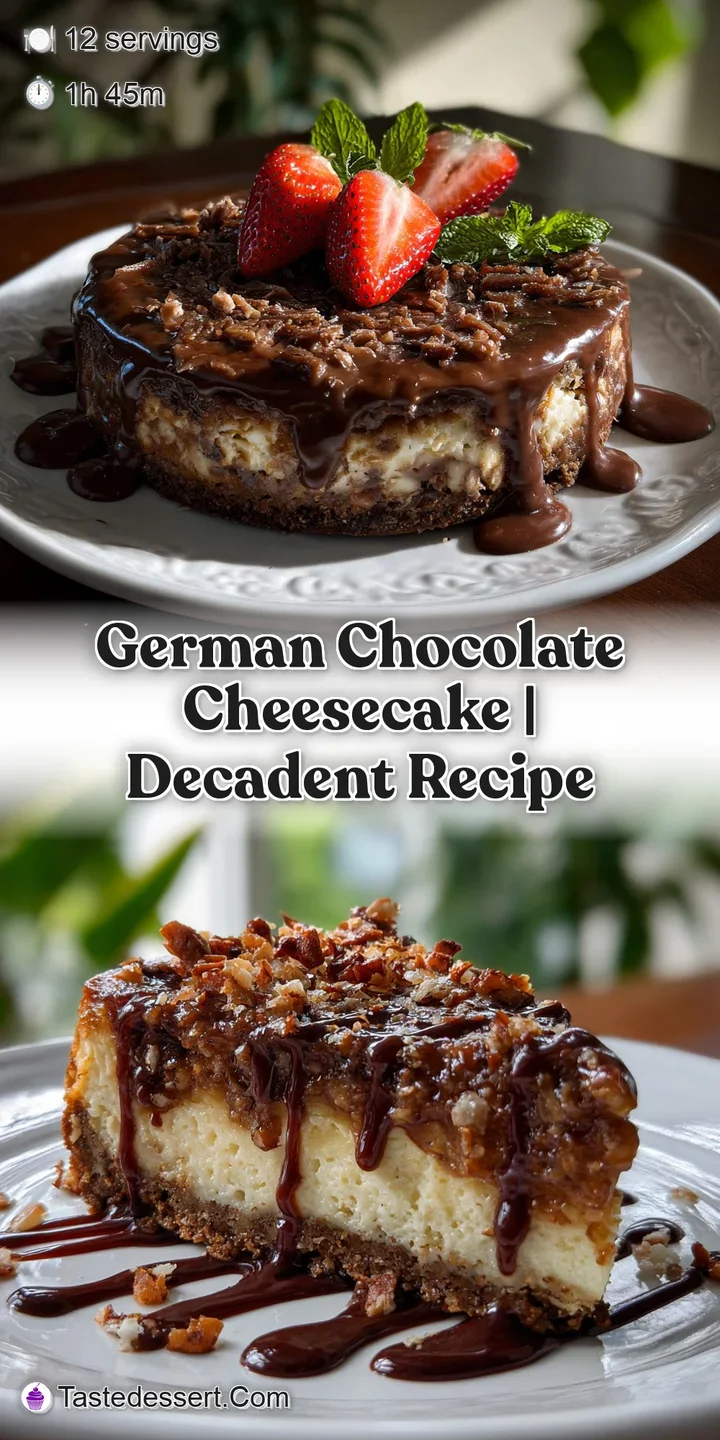
The contrast between the dark chocolate and the golden coconut is beautiful on its own, but a few extra steps can make it look like it came from a high end patisserie. Drizzle a little extra melted chocolate over the top in a zig zag pattern to frame the coconut layer.
You can also save a few whole toasted pecans and place them around the border of the cake. This gives a visual cue to the guest about what’s inside. If you're feeling really fancy, a light dusting of cocoa powder on the plate before serving adds a professional touch.
My favorite way to serve this is with a very small dollop of unsweetened whipped cream on the side. The plain cream acts as a palate cleanser between the heavy chocolate and the sweet caramel topping, making every bite feel as "silky" as the first.
Let's be real don't even bother with the low-fat whipped topping; go for the real stuff here. It's a decadent treat, so we might as well do it right!
German Chocolate Cheesecake FAQs
What is German chocolate cheesecake?
It's a cheesecake inspired by German chocolate cake. It features a rich, dark chocolate cheesecake filling topped with a traditional gooey coconut pecan frosting.
What is different about German cheesecake?
The defining characteristic is its topping. Unlike a classic cheesecake, a German chocolate version is crowned with a mixture of evaporated milk, sugar, butter, eggs, coconut, and pecans.
What makes German chocolate different from regular chocolate?
German chocolate is typically a cake with a specific topping, not a type of chocolate. The "German" refers to the surname of the American inventor of the sweet baking chocolate used in the original cake recipe, Sam German.
What cake mix to use for German chocolate cake?
You generally don't use a cake mix for authentic German chocolate cake. A traditional recipe starts with a chocolate cake batter enhanced with cocoa powder and then topped with the signature coconut pecan frosting, much like the flavor profile we've adapted for this cheesecake.
Can I substitute the cream cheese?
No, full fat cream cheese is essential for structure. Using low-fat or Neufchâtel cheese can result in a softer, less stable cheesecake that may not hold its shape. For a different texture, consider mastering the technique in our How to Bake Creamy Cheesecake Trio Delightfully: 5 Secret Tips!
What is the secret to preventing cheesecake cracks?
Slow cooling is key. After baking, turn off the oven, prop the door open slightly, and let the cheesecake cool gradually for about an hour before removing it to prevent sudden temperature changes that cause cracks.
How long does the coconut pecan topping need to cook?
Cook the topping for about 8-10 minutes. Whisk the evaporated milk, sugar, egg yolks, and butter over medium heat until it thickens and coats the back of a spoon, similar to the thickening process for the filling in Classic Homemade Éclairs recipe.
German Chocolate Cheesecake
Ingredients:
Instructions:
Nutrition Facts:
| Calories | 654 calories |
|---|---|
| Protein | 9.8g |
| Fat | 48.8g |
| Carbs | 48.2g |
| Fiber | 3.8g |
| Sugar | 37.5g |
| Sodium | 255mg |
