French Toast: the Ultimate Custardy Brioche Recipe
- Elevating the Classic: What is True Pain Perdu?
- The Science of the Silky Interior and Caramelised Crust
- Essential Components for the Ultimate Golden Toast
- The Ultimate Method: Detailed Instructions for Pain Perdu
- Troubleshooting and Expert Hacks for Flawless Results
- Preparing Ahead and Preserving Your Breakfast Masterpiece
- Elevating the Plate: Decadent Toppings and Pairings
- Recipe FAQs
- 📝 Recipe Card
Elevating the Classic: What is True Pain Perdu?
Oh my gosh, that moment when the butter hits the pan and the sugar starts to caramelize? That warm, vanilla, slightly nutty aroma is the undisputed scent of weekend comfort. If you think the perfect slice of French Toast is reserved for fancy brunch spots, you are wildly mistaken.
Honestly, this dish is a lifesaver. It’s the ultimate frugal food it literally means pain perdu or "lost bread" transforming day-old stale bread into a rich, decadent treat without any fuss or expense.
Forget those complicated breakfast recipes that require a million steps; this is fast, easy, and cheap comfort food.
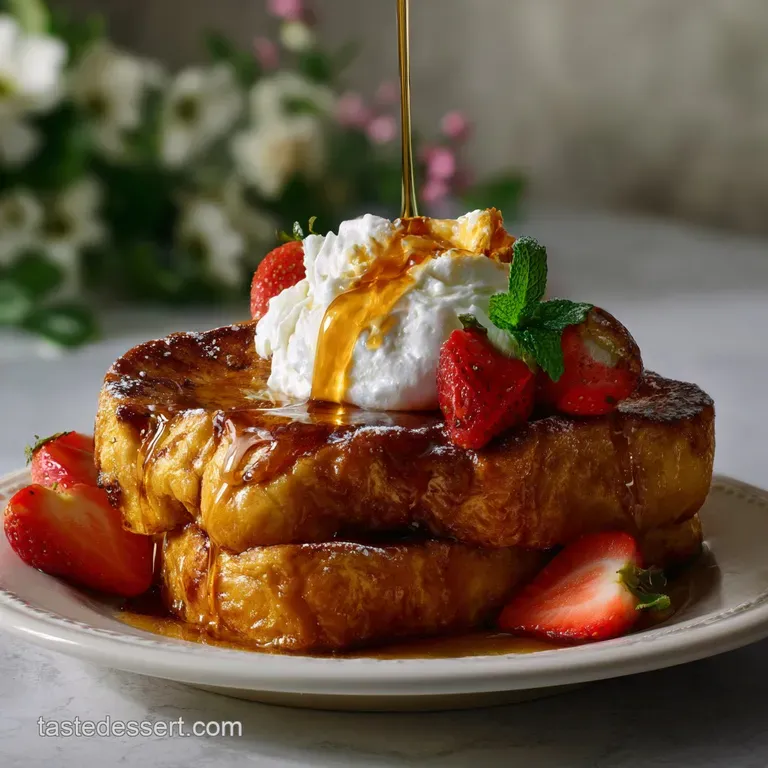
But we aren't settling for soggy bread dipped in watery milk. We are leveling up, moving from standard breakfast to Pain Perdu perfection. This is the ultimate brioche French Toast recipe, designed to give you that crisp, buttery exterior and a silky, custardy interior every single time.
The Science of the Silky Interior and Caramelised Crust
We’re going deep on texture because nobody wants floppy, pale bread. Understanding the core components of the best French Toast is how we guarantee a golden, caramelized shell that delivers that satisfying crunch every single time you bite into it.
From Frugal Dish to Breakfast Indulgence
The history of Pain Perdu is brilliant, rooted in the necessity of using up stale loaves. Today, however, we use that foundational technique the soaking but upgrade the ingredients to full cream and rich eggs.
That means moving from "just fine" to full blown indulgence; it's a difference you can absolutely taste in the final product.
Defining the Perfect Custard-to-Bread Ratio
The ratio is everything here. Too much milk means the bread collapses and steams in the pan, leading to a soggy slice. We are replacing some of that milk with heavy cream and using enough eggs to create a thick, viscous custard base.
This thicker liquid clings to the bread instead of rushing straight through it, which is the secret to super custardy French Toast .
Why Brioche is the Gold Standard for Soaking
Brioche, with its high butter and egg content, offers a resilient but porous structure. This richness prevents the bread from dissolving during the necessary soaking time, yet the holes are large enough to fully absorb the rich custard. Sturdy bread means the perfect bite, not a mushy one.
The Power of Cream and Eggs: Creating a Rich Custard Base
This is where we ignore the diet rules momentarily. The heavy cream adds fat, which ensures the final product is meltingly tender and rich, almost like a baked pudding. The eggs are the essential binder, the structure they turn the liquid into that soft, flan like texture when cooked.
Don't skimp on the cream if you want truly luxurious French Toast .
The Maillard Reaction: Achieving the Golden Exterior
The Maillard reaction is just a fancy way of saying: caramelization. The natural sugars in the bread and the added sugar in the custard brown beautifully when cooked in hot butter. This chemical process is why the crust tastes complex, nutty, and sweet.
We maintain a medium heat to maximize this browning without burning.
Thick Slices: Preventing the Soggy Middle
This is critical. If you slice your bread thin, you get instant mush, and a sad excuse for French Toast . We need slices that are at least one inch thick (2.5 cm).
This bulk guarantees that the very center of the bread remains slightly firm, giving you structural integrity and preventing the whole slice from becoming a sad, flabby mess.
Essential Components for the Ultimate Golden Toast
Choosing the Best Bread: Brioche vs. Challah Depth Analysis
Brioche is my personal favorite because of its pure buttery flavor and sweet undertones. Challah, being egg-rich but dairy-free, offers similar sturdiness and a lovely, tight crumb, making it an excellent alternative for incredible French Toast .
Both are far superior to standard sandwich bread when making truly exceptional Pain Perdu.
| Ingredient | Why it Works | Substitution Hack |
|---|---|---|
| Brioche/Challah | High fat, sturdy structure that resists collapse | Use day-old Texas Toast or sturdy sourdough (crusts cut off). |
| Large Eggs | Essential structure; sets the custard | Use 3 extra large eggs if necessary to maintain volume. |
| Heavy Cream | Crucial for the rich, silky mouthfeel | Swap for half and half or full fat canned coconut milk. |
| Full fat Milk | Thins the custard slightly while adding richness | Any whole milk works, or rich oat milk for dairy-free needs. |
| Granulated Sugar | Provides necessary caramelization and sweetness | Swap with 2 Tbsp maple syrup or honey, but dissolve fully! |
| Unsalted Butter | The only way to get that nutty, golden crust | Swap with ghee or a mix of neutral oil and butter. |
The Custard Soak: Dairy and Spice Specifications
We use whole milk because we need the fat, and heavy cream because we demand the richness for this ultimate French Toast . The salt is the secret ingredient; trust me, that tiny pinch makes the sweetness pop instead of feeling cloying or flat. The goal is depth of flavor, not just sugariness.
Achieving Purity: Vanilla Extract vs. Fresh Vanilla Bean Paste
While the recipe calls for pure vanilla extract (and please, use pure extract, not imitation!), if you want to truly upgrade your experience, splurge on vanilla bean paste.
Seeing those little black specks throughout your silky, custardy French Toast just makes it feel instantly luxurious.
Oil, Butter, or Both? Selecting the Best Cooking Fat
We are using butter, but smart butter. Butter provides that incomparable nutty flavor, but its milk solids burn quickly, which is bad for golden toast. Tip: Use fresh butter for every batch, adding it gradually.
Some cooks mix half butter and half neutral oil (like grapeseed) to raise the smoke point while retaining that buttery flavor. Either way, never skip the fat! This is essential for truly crispy French Toast .
The Ultimate Method: Detailed Instructions for Pain Perdu

Step 1: Preparing the Spiced Custard Base
Grab your shallow dish I use a small casserole dish so the bread fits snugly without wasting custard. Whisk those four large eggs vigorously until they lighten up a bit; this incorporates air and breaks down the egg strings completely.
Then pour in the milk and cream, adding the sugar, cinnamon, vanilla, and that crucial pinch of salt. Whisk hard for 30 seconds; you absolutely need to make sure the sugar has dissolved before the bread goes in.
Step 2: The Critical Soaking Time Technique
This is where most people panic and make mush. Remember, we are using thick slices!
Chef’s Note: If your bread is fresh, slice it and let it sit out uncovered for 15 minutes before soaking. This slight drying of the surface means the custard absorbs evenly and doesn’t just instantly turn the bread into sludge.
Gently lay the slice in the custard. Let it soak for 30 to 45 seconds per side . Listen to the bread it should sigh as it drinks up the liquid. When you press the middle lightly, it should still feel slightly firm, like a dense sponge.
Lift carefully and allow the excess to drizzle off before placing it on a dry plate, ready for cooking.
Step 3: Searing and Finishing: Pan vs. Oven Techniques
Heat your skillet over medium heat . When the pan is ready, add one tablespoon of unsalted butter for the first batch. Wait until the butter melts and the foam subsides before adding the bread. You should hear a satisfying, gentle sizzle.
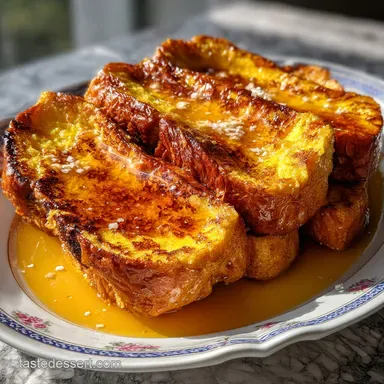
Cook for 3– 4 minutes until it’s a deep, rich brown color this is the glorious caramel crust on your French Toast .
Step 4: Ensuring Full Internal Set
Flip your slice of French Toast and cook the second side for another 3– 4 minutes. The exterior should be beautiful, but how do we know the inside is done? Gently press the center with your spatula. If liquid custard seeps out, it's not ready!
If it feels springy and firm, it's cooked through. Transfer the finished slices to a wire rack set over a baking sheet and keep them warm in a very low oven (100°C / 210°F) while you finish the remaining batches, adding fresh butter for each new round of crispy French Toast .
Troubleshooting and Expert Hacks for Flawless Results
The #1 Mistake: Dealing with Bread that is Too Fresh
Fresh bread is soft and delicious, yes, but it’s a sponge waiting to dissolve. If you only have fresh brioche, here’s the hack: slice it thick, arrange it on a baking sheet, and toast it in a 300°F (150°C) oven for about 5 minutes.
This firms up the surface dramatically and is essential for perfect, non-soggy French Toast .
Fixing a Sagging Slice: The over Low heat Finish
Did you accidentally rush the searing and now your exterior is dark but the interior is uncooked? Don't toss it! Transfer the slice to a parchment lined baking sheet and finish it in a 350°F (175°C) oven for 5 to 8 minutes.
The oven’s surrounding heat will gently set the custard without further burning the crust, saving many a weekend breakfast.
The Overnight Soak Variation (For Maximum Richness)
I absolutely love the overnight variation, though it changes the texture slightly it becomes less "toast" and more "pudding." If you’re leaning toward a decadent, pudding like richness, soak the bread for 10 minutes on each side, place it on a rack, cover, and chill overnight.
Just be warned, this will create a softer, more custardy center, but it’s phenomenal.
Preparing Ahead and Preserving Your Breakfast Masterpiece
How to Safely Store Uncooked Custard Mixture
The custard base keeps wonderfully! Whisk it all up, pour it into an airtight container, and keep it in the fridge for up to 3 days. When you’re ready to start your morning French Toast , give the mixture a quick whisk to recombine before starting your soak.
Reheating Tips for Keeping the Crispy Texture
Never use the microwave to reheat this! You’ll instantly lose the beautiful crispness of your homemade French Toast , turning it into rubber.
Best Practices for Freezing Cooked Slices
Yes, you can freeze it! Once cooked, let the slices cool completely on the wire rack. Place them in a single layer on a sheet pan to flash freeze for one hour, then transfer them to a freezer bag or container separated by parchment paper. They are good for up to 2 months. To reheat, use the oven (350°F / 175°C) or, my favorite, the air fryer (300°F / 150°C) until piping hot. This brings back the crunch beautifully, much like Air Fryer French Fries: Crispy, Golden, and Never Soggy .
Elevating the Plate: Decadent Toppings and Pairings
When you’ve gone to all this effort to make the absolute best French Toast you’ve ever tasted, you can’t just throw a few generic blueberries on it. We need toppings that truly complement the richness.
The classic choice is always Grade A Dark Robust maple syrup the darker, the better, for deep molasses flavor. But sometimes I crave something bright and acidic to cut through all that creaminess. A spoonful of rich lemon curd or a tart berry compote is sensational.
You can also totally go savory and skip the syrup, serving your perfect slices with crispy bacon, or try a bit of smoked salmon and crème fraîche for a weekend treat.
If you're hosting a massive brunch, why not serve these slices alongside a beautiful loaf of homemade Banana Nut Bread: The Easy, Super Moist Recipe with Toasted Walnuts for variety? And if you have any leftover custard mixture, you can easily turn it into an incredible French Toast bake later in the week! This ultimate golden brioche French Toast recipe proves that simple comfort food, when done right, is absolutely unbeatable. Go make some, and let me know how custardy your centers turn out! Honestly, this is the only French Toast recipe you will ever need.

Recipe FAQs
Why is the interior of my French Toast soggy, not custardy?
Sogginess usually occurs when the bread is soaked too long or the cooking heat is too high, preventing the middle from setting. Ensure your brioche slices are at least 1 inch thick to handle the custard and cook them over medium low heat for 3 4 minutes per side.
For thicker slices, finish them briefly in a 300°F (150°C) oven to set the center without burning the crust.
Can I use milk instead of heavy cream in the custard?
While you can use milk, substituting heavy cream will significantly reduce the richness and the final custardy texture. If you must use milk, opt for whole milk and add an extra egg yolk per cup of liquid to compensate for the lost butterfat and help thicken the batter.
Remember, richness is key to achieving the proper "Pain Perdu" texture.
How long should I soak the bread slices for the ultimate texture?
The ideal soak time for thick cut brioche or challah is about 30 to 60 seconds per side. The goal is deep saturation you want the custard to penetrate nearly all the way through, but the center must remain slightly dry to maintain structural integrity and prevent the slice from falling apart.
Test the bread by pressing lightly; it should feel soft but not mushy.
My French Toast is burning on the outside before the inside cooks. What is the issue?
This is a temperature issue, likely coupled with the high sugar content of the brioche caramelizing too fast. Immediately lower your heat setting to medium or medium low and ensure your pan is evenly heated before placing the slices.
Adding a teaspoon of clarified butter (ghee) or neutral oil to your pan butter can also raise the smoke point and slow the browning process.
Can I prepare the custard batter ahead of time?
Yes, the custard batter is excellent for make-ahead preparation. Whisk all ingredients together, cover the bowl tightly, and store it in the refrigerator for up to 48 hours. Ensure you whisk the mixture again briefly before dipping the bread, as the spices and extracts may settle at the bottom.
Can I make this French Toast dairy-free or vegan?
You can adapt this recipe by substituting the heavy cream with full fat coconut milk or a high-quality, unsweetened oat creamer. For a vegan version, replace the eggs using a commercial liquid vegan egg replacer or a mixture of cornstarch and plant milk, though the resulting custard texture will be slightly less rich.
Ensure your bread choice is also dairy and egg-free.
What is the best way to store and reheat cooked French Toast?
To store, cool the cooked slices completely, then stack them with parchment paper in between, storing them in the freezer for up to three months. The best method for reheating is using a toaster oven or standard oven set to 350°F (175°C) for about 5 8 minutes, which restores the crispy exterior without making the interior rubbery.
Golden Brioche French Toast Recipe
Ingredients:
Instructions:
Nutrition Facts:
| Calories | 288 kcal |
|---|---|
| Protein | 8.6 g |
| Fat | 23.5 g |
| Carbs | 10.8 g |
