Homemade Fig Newtons: Honey-Kissed and Tender
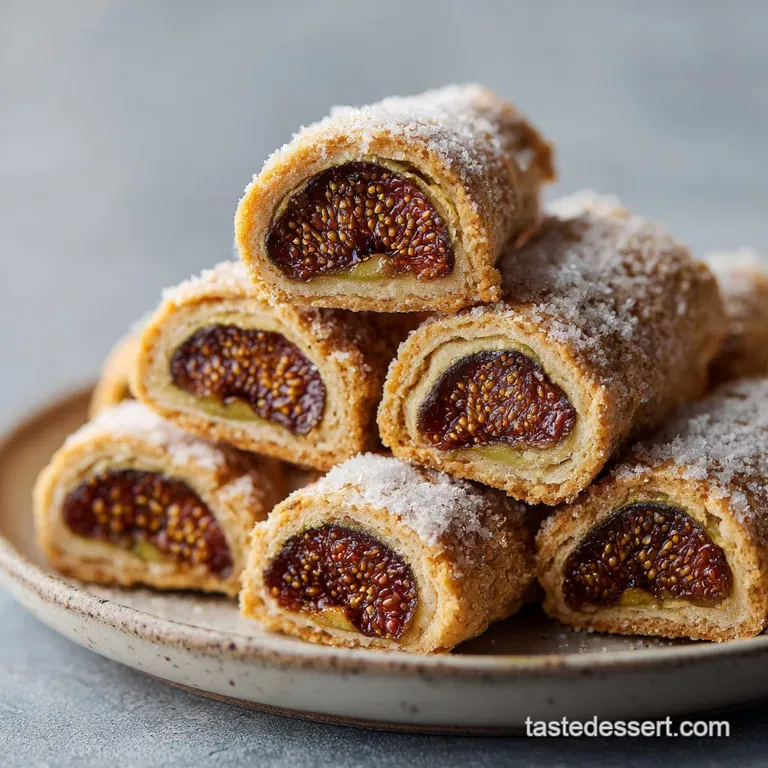
- Time: Active 150 minutes, Passive 15 minutes, Total 165 minutes
- Flavor/Texture Hook: Velvety fig centers wrapped in a soft, cakey whole wheat crust
- Perfect for: Nostalgic afternoon snacks, school lunches, or a sophisticated tea time treat
- Mastering This Timeless homemade fig newtons recipe
- Classic Specs and Timing
- The One Secret to Soft Crust
- Essential Pantry Component Analysis
- Tools for Flawless Cookies
- Precise Folding and Baking
- Troubleshooting Your Bake
- Simple Dietary Adjustments
- Keeping Your Squares Fresh
- Perfect Snacks and Pairings
- Recipe FAQs
- 📝 Recipe Card
Mastering This Timeless homemade fig newtons recipe
The first time I smelled the deep, earthy aroma of Mission figs simmering in orange juice, I was transported back to my grandmother's kitchen. She had this old tin, the kind with the floral patterns chipped at the edges, where she kept the "special" biscuits.
That crinkle of the wrapper and the specific, jammy scent of a Newton is a core memory for so many of us. But here is the thing, those store-bought ones are often a bit too sugary and the crust can feel a little chalky. This version changes all of that by leaning into the actual fruit.
We are going back to the late 1800s when Charles Roser first created this "cake roll" concept in Ohio. It is not really a cookie, is it? It is more of a tiny, handheld fruit pie. By making this homemade fig newtons recipe from scratch, you get to control the texture.
We want that filling to be thick and tacky, not runny, and the crust needs to have just enough whole wheat to give it that classic "Newton" bite without being heavy. It is about capturing that timeless, cherished flavor while using ingredients you can actually recognize in your pantry.
Classic Specs and Timing
This recipe requires a bit of patience, mostly because the dough needs to be cold enough to handle. If you try to roll it while it is warm, you will end up with a sticky mess. We are aiming for a specific balance where the fruit provides the moisture and the dough provides the structure.
It is a classic method that relies on the natural pectin in the figs to create the set.
| Thickness | Internal Temp | Rest Time | Visual Cue |
|---|---|---|---|
| 1/4 inch dough | 175°C (Oven) | 2 hours | Pale gold crust |
| 1/2 inch filling | N/A | 10 mins | Thick jammy sheen |
| 1 inch bar | N/A | 5 mins | Firm to the touch |
Giving the dough a full 150 minutes of prep and chilling time is the most important part of the process. While the oven only needs about 15 minutes to set the crust, the flavors in the filling need that cooling period to really meld together.
If you rush the cooling of the fig paste, it might soak into the dough too much, and you will lose those distinct, beautiful layers we are after.
The One Secret to Soft Crust
When we think about why this recipe works, it really comes down to the relationship between the whole wheat flour and the honey. Most cookies rely purely on sugar for structure, but this dough behaves more like a soft pastry.
- Pectin Power: Dried figs are loaded with natural pectin, which thickens the filling into a velvety paste without needing cornstarch.
- Hydration Control: Using a mix of all purpose and whole wheat flour allows the dough to absorb the moisture from the egg and butter more effectively, leading to a cakey rather than crispy texture.
- The Honey Humectant: Honey is a natural humectant, meaning it grabs onto moisture and keeps the crust from drying out, even days after baking.
- Steam Leavening: The orange juice in the filling creates a tiny amount of steam during the 15 minutes of baking, which helps the dough puff just slightly around the fruit.
| Component | Science Role | Pro Secret |
|---|---|---|
| 250g Mission Figs | Structural Base | Remove every stem for a silky finish |
| 120ml Orange Juice | Acidic Brightener | Simmer until liquid reduces by half |
| 60g Whole Wheat Flour | Texture Agent | Provides the signature "toasted" flavor |
| 2 tbsp Honey | Moisture Lock | Prevents the crust from shattering |
The orange juice does more than just add flavor, it provides the acidity needed to balance the deep, dark sweetness of the Mission figs. Without it, the filling can taste a bit one note. It is that tiny hit of citrus that makes the fruit taste "fresher" even though we are using the dried variety.
This little trick is what separates an average fig bar from a classic snack that tastes like it came from a high end bakery.
Essential Pantry Component Analysis
Choosing the right ingredients is the difference between a snack that is "fine" and one that is cherished. I always reach for Mission figs because they have that deep purple skin and a flavor that reminds me of red wine and berries.
Calimyrna figs are great too, but they are much nuttier and lighter in color, which changes the look of the final bar.
- 250g dried Mission figs, stems removedWhy this? Essential for the deep, jammy flavor and signature dark color.
- 120ml orange juiceWhy this? The acid breaks down the tough fig skins during the simmer.
- 120ml water
- 2 tablespoons honeyWhy this? Keeps the filling tacky and prevents it from becoming crumbly.
- 0.25 teaspoon ground cinnamon
- 115g unsalted butter, softened
- 100g light brown sugar, packed
- 1 large egg, room temperature
- 1 teaspoon vanilla extract
- 190g all purpose flour
- 60g whole wheat flourWhy this? Adds the traditional "bite" and color to the soft crust.
- 0.5 teaspoon baking powder
- 0.5 teaspoon salt
| Original Ingredient | Substitute | Why It Works |
|---|---|---|
| Honey (2 tbsp) | Maple Syrup (2 tbsp) | Similar viscosity. Note: Adds a slightly woodsy, autumnal flavor |
| Orange Juice (120ml) | Apple Juice (120ml) | Provides sweetness and moisture. Note: Less acidic, so the filling will be sweeter |
| Whole Wheat Flour (60g) | Oat Flour (60g) | Keeps the dough soft. Note: Adds a subtle toasted oat flavor |
If you are out of whole wheat flour, you can use all purpose for the entire recipe, but you will lose that iconic speckled look and the slightly nutty flavor that defines a Newton. I have also found that using room temperature eggs is non negotiable.
Cold eggs can cause the softened butter to seize up, and you will end up with a lumpy dough that does not roll out smoothly.
Tools for Flawless Cookies
You do not need a lot of fancy equipment for this, but a food processor is pretty much essential. Trying to chop 250g of sticky, simmered figs by hand to get a velvety paste is a task I would not wish on my worst enemy. A good food processor will turn those figs into a spreadable jam in about thirty seconds.
I also highly recommend using parchment paper. This dough is very tender because of the butter and honey, so rolling it directly on the counter is a recipe for disaster. If you roll it out on parchment, you can use the paper to help you "fold" the dough over the filling without it tearing.
It is a trick I learned after many batches of "deconstructed" fig bars that were tasty but looked like a mess.
Precise Folding and Baking
- Place 250g dried figs, 120ml orange juice, 120ml water, and 2 tablespoons honey into a medium saucepan.
- Simmer the mixture over medium heat for 10–12 minutes until the figs look plump and the liquid is syrupy.
- Let the mixture cool for 10 minutes, then transfer to a food processor with 0.25 teaspoon cinnamon.
- Pulse the figs until they form a thick, jammy, and spreadable paste. Note: Don't over process into a liquid puree; you want some texture.
- Cream 115g softened butter and 100g brown sugar in a large bowl until the mixture is pale and fluffy.
- Beat in 1 large egg and 1 teaspoon vanilla extract until the mixture is completely smooth.
- Sift 190g all purpose flour, 60g whole wheat flour, 0.5 teaspoon baking powder, and 0.5 teaspoon salt together.
- Slowly mix the dry ingredients into the butter mixture until just combined and no white streaks remain.
- Wrap the dough tightly in plastic and chill for 150 minutes (2.5 hours) until the dough feels firm and cold.
- Preheat your oven to 350°F (175°C). Roll the dough into a large rectangle on parchment paper.
- Spread the fig filling in a thick line down the center of the dough.
- Use the parchment to fold the sides of the dough over the filling until the edges overlap slightly and the seam is sealed.
- Flip the log so the seam side is down on a baking sheet and bake for 15 minutes until the edges are a very light golden brown.
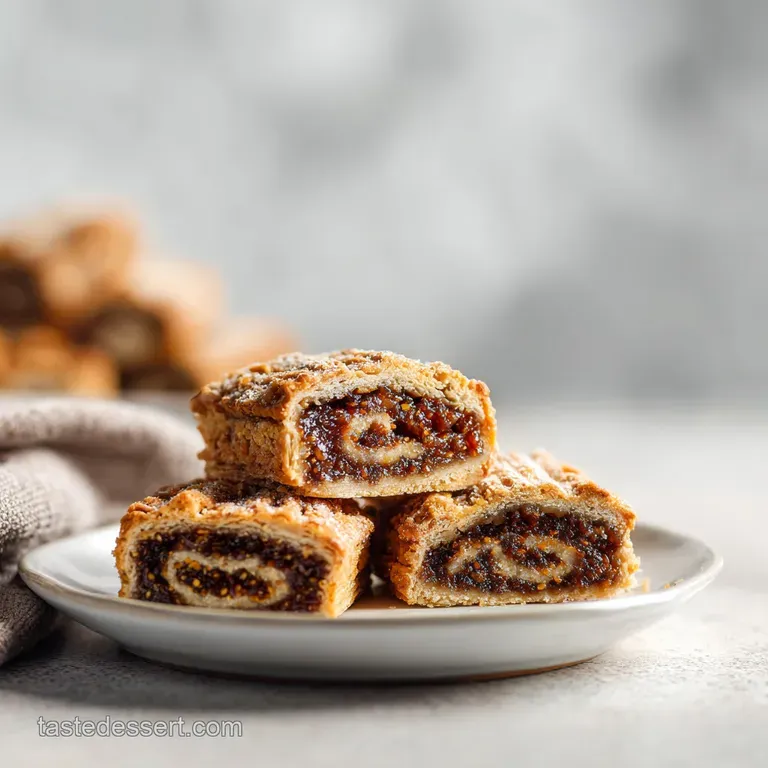
- Slice the log into 16 bars while they are still slightly warm until you see the clean, jammy cross sections.
Chef's Tip: If the dough feels too sticky while you are rolling it, place another sheet of parchment on top. This prevents the dough from clinging to your rolling pin and ensures an even 1/4 inch thickness across the whole sheet.
Troubleshooting Your Bake
One of the most common issues people face when making this homemade fig newtons recipe is the dough cracking during the folding process. This usually happens if the dough is too cold or if it was rolled too thin.
If it starts to shatter, just let it sit at room temperature for three minutes to soften the butter slightly, then use the warmth of your fingers to "patch" the cracks.
Fixing Runny Fig Filling
If your filling seems more like a sauce than a paste, it likely didn't simmer long enough. The 10–12 minutes is a guideline, but the real cue is the liquid reduction. You want that orange juice to turn into a thick syrup.
If you have already processed it and it is too thin, you can put the paste back in the saucepan and cook it over low heat for 5 minutes, stirring constantly, to cook off the excess moisture.
Correcting a Tough Crust
If your bars come out hard or "bread like" instead of soft and cakey, you might have over mixed the dough. Once you add the flour, you want to mix just until it disappears. Over mixing develops the gluten, which is great for sourdough but terrible for a soft Newton. Also, make sure you aren't over baking.
15 minutes at 350°F (175°C) is usually plenty. They should look pale; if they are dark brown, they will be crunchy.
| Problem | Root Cause | Solution |
|---|---|---|
| Filling leaks out | Seam wasn't sealed | Pinch dough edges firmly together |
| Dough is too sticky | Not chilled long enough | Return to fridge for 30 mins |
| Bottoms are burnt | Dark baking sheet | Use a light colored pan or double layer parchment |
Common Mistakes Checklist
- ✓ Ensure all stems are removed from the figs to avoid woody bits in the jam.
- ✓ Let the filling cool completely before spreading it on the dough to prevent melting the butter.
- ✓ Use the "seam side down" technique to ensure the bars don't pop open in the oven.
- ✓ Slice while warm for the cleanest edges, as the fruit becomes stickier once cold.
Simple Dietary Adjustments
If you want to make a version that fits different needs, this dough is surprisingly forgiving. For a dairy-free option, you can swap the 115g of butter for a high-quality vegan butter block.
Just make sure it is a "stick" variety and not a soft tub spread, as the tub versions have too much water and will make the dough spread too much.
For those looking for a bit more "snap," you can actually bake these for 18 minutes instead of 15. It moves away from the traditional soft texture, but it creates a lovely toasted flavor in the whole wheat. If you want a more floral note, try swapping the vanilla extract for almond extract. It pairs beautifully with the figs and gives the bars a sophisticated, artisan feel. You could even serve them with a spread like homemade honey butter for a truly decadent treat.
| Classic Version | Fast Version | Texture Difference |
|---|---|---|
| 150 min chill | 20 min freeze | Classic is much easier to roll |
| Dried Fig Simmer | store-bought Jam | Classic has more fiber and less sugar |
| Handmade Dough | Puff Pastry | Classic is cakey; Fast is flaky |
Keeping Your Squares Fresh
These bars are actually better on the second day. The moisture from the fig filling migrates into the crust, softening it into that perfect, classic texture we all remember. Store them in an airtight container at room temperature for up to 5 days.
If you find they are getting a bit too soft, you can pop them in a 300°F (150°C) oven for 3 minutes to refresh the edges.
For freezing, wrap individual bars in plastic wrap and then place them in a freezer bag. They will stay fresh for up to 3 months. When you are ready for a snack, just let them thaw on the counter for about an hour. Don't microwave them to thaw, or the filling will get lava hot and the crust will turn gummy.
Perfect Snacks and Pairings
When it comes to serving these, you have a few levels of presentation depending on the vibe you are going for. Since these are so nostalgic, I usually just stack them on a plate and call it a day, but they can be quite elegant if you dress them up.
| Level | Key Elements | Texture Focus |
|---|---|---|
| Simple | Stacked on a wooden board | Soft, cakey bite |
| Polished | Cut on a bias with a honey drizzle | Sticky, glossy jam |
| Restaurant | Served warm with vanilla bean yogurt | Temperature contrast |
If you are feeling fancy, a warm fig bar paired with a homemade pumpkin spice latte is the ultimate cozy afternoon situation. The spices in the latte bring out the cinnamon in the filling beautifully.
The Simple Stack
For a classic after school snack feel, just cut the bars into 2 inch squares and stack them in a pyramid. No garnish needed. The beauty is in the visible seeds and the contrast between the dark filling and the golden crust.
The Polished Plate
Slice the bars at a 45 degree angle (a bias cut) to show off more of that jammy interior. Place three bars in a row, slightly overlapping, and finish with a very light dusting of powdered sugar. It looks like something you would get at a local bistro.
The Restaurant Tier
Place one large bar in the center of a white plate. Add a small quenelle of Greek yogurt or creme fraiche on the side to cut through the sweetness. Finish with a tiny pinch of flaky sea salt directly on the fig jam. The salt makes the fruit flavors explode and turns a simple snack into a real dessert.
It is a timeless, cherished way to end a meal that feels both humble and incredibly refined.DONE

Recipe FAQs
Is it necessary to use both all-purpose and whole wheat flour?
Yes, the blend is essential for the authentic texture. The whole wheat flour provides a slightly nutty, hearty crumb that mimics the classic store-bought cookie, while the all-purpose flour keeps the dough tender and easy to roll.
How to prevent the dough from cracking when folding?
Allow the dough to rest at room temperature for three minutes if it shatters. This softens the butter just enough to make the dough pliable, allowing you to use your fingers to patch any cracks before baking.
Is it true the dough must be chilled for exactly two hours?
No, this is a common misconception. You must chill the dough for at least two hours to firm up the butter, but leaving it longer is perfectly fine and often makes the dough even easier to handle during the rolling process.
How to achieve the perfect jammy consistency for the fig filling?
Simmer the figs, orange juice, water, and honey until the liquid reduces by half. If you enjoyed mastering this reduction technique, see how the same principle works to intensify fruit flavors in our traditional pie filling.
Can I bake these at a higher temperature to save time?
No, stick to the 350°F (175°C) temperature. Baking at a higher heat will cause the outside to brown too quickly before the center of the log is properly set, resulting in an uneven texture.
Why is my dough tough instead of soft and tender?
You likely overmixed the dough after adding the flour. Mix only until the flour disappears to prevent excess gluten development, which is the secret to a soft cookie rather than a chewy or rubbery one.
How to store these cookies to keep them fresh?
Store them in an airtight container at room temperature. These cookies actually improve after sitting for a day, as the moisture from the fig filling migrates into the crust to soften it perfectly.
Homemade Fig Newtons
Ingredients:
Instructions:
Nutrition Facts:
| Calories | 186 kcal |
|---|---|
| Protein | 2.7 g |
| Fat | 6.5 g |
| Carbs | 30.9 g |
| Fiber | 2.3 g |
| Sugar | 17.8 g |
| Sodium | 94 mg |
