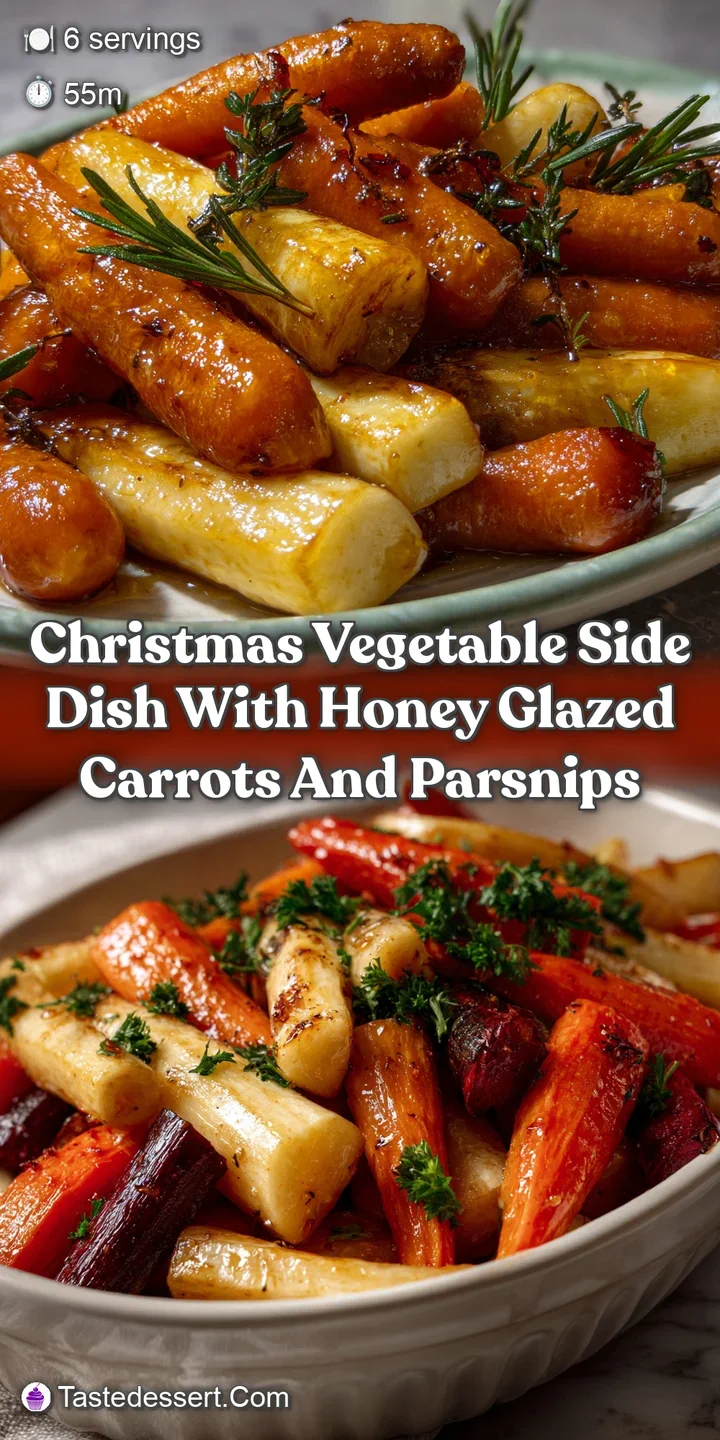
Christmas Vegetable Side Dish with Honey Glazed Carrots and Parsnips
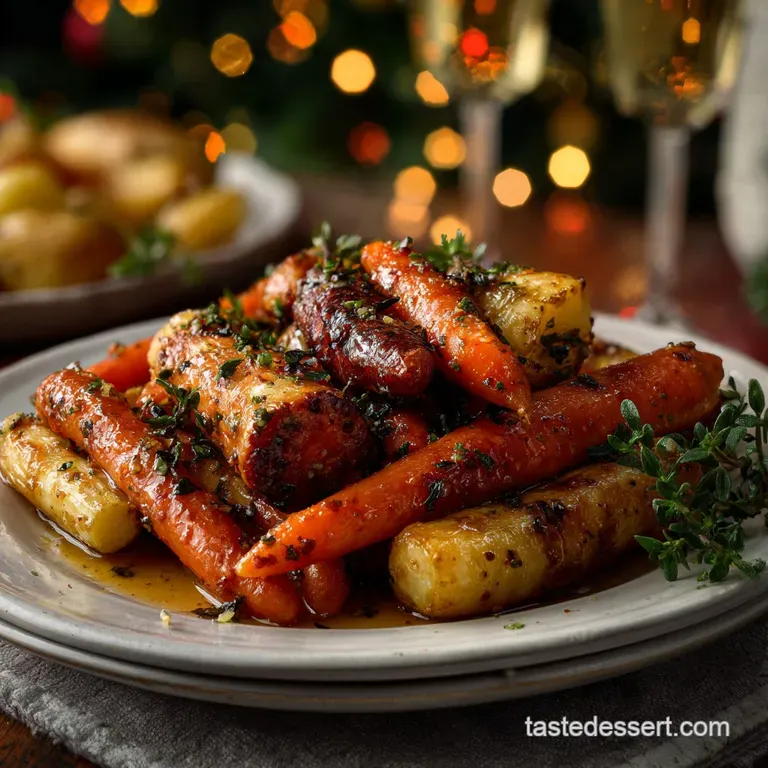
- Effort/Time: Low-effort / 55 minutes total
- Flavor Hook: Earthy sweetness met with a sharp, tangy vinegary finish
- Perfect for: Stress-free holiday hosting and cozy winter Sunday roasts
- Crafting the Ultimate Christmas Vegetable Side Dish with Honey Glazed Carrots and Parsnips
- The Joy of Transformation: Why These Roots Shine
- Precision Metrics for the Ultimate Holiday Table
- The Alchemy of Aromatics: Selecting Your Ingredients
- Essential Tools for Achieving That Glossy Finish
- Engineering the Perfect Roast: A Step-by-Step Guide
- Mastering the Heat: Solving Common Root Vegetable Issues
- Creative Flavor Adaptations for Every Festive Occasion
- ⚗️ The Scaling Lab
- Debunking Kitchen Folklore
- Zero-Waste Storage Secrets for Holiday Leftovers
- Perfect Pairings to Complement Your Festive Feast
- Mastering the Nuances of Root Vegetable Preparation
- Common Questions
- 📝 Recipe Card
Crafting the Ultimate Christmas Vegetable Side Dish with Honey Glazed Carrots and Parsnips
Discover a delicious Christmas vegetable side dish featuring honey glazed carrots and parsnips. I remember the first time I moved away from the soggy, boiled vegetables of my youth; the scent of roasting carrots hitting 200°C (400°F) changed my kitchen forever.
There is a specific, intoxicating aroma that fills the house a mix of woodsy thyme and the deep, floral sweetness of wildflower honey beginning to bubble and brown. It is the scent of a home filled with joy and the anticipation of a shared festive feast.
This Christmas Vegetable Side Dish with Honey Glazed Carrots and Parsnips is more than a simple accompaniment; it is a masterclass in texture. By treating parsnips and carrots with the respect they deserve, we move beyond the "filler" side dish into the territory of the showstopper.
We are looking for that specific mahogany colored char that signals the Maillard reaction has worked its magic, turning humble starches into complex sugars.
When you pull these from the oven, the visual is stunning vibrant orange and pale cream batons glistening under a glossy, translucent glaze. The joy of this transformation lies in its simplicity.
We take raw, dirt dusted roots and, through the alchemy of heat and honey, create something that tastes like the very essence of winter comfort. This recipe has become my go-to for every holiday because it reliably delivers that "shatter then-melt" mouthfeel everyone craves.
The Joy of Transformation: Why These Roots Shine
What makes this specific vegetable side dish with honey glazed carrots and parsnips superior to the standard boiled version is the manipulation of moisture and sugar. We aren't just cooking them; we are concentrating their flavors.
- Evaporative Concentration: over High heat roasting evaporates the water within the 500g large carrots and 500g large parsnips, intensifying their natural sweetness and creating a dense, velvety texture.
- Pectin Breakdown Control: The acid from the 1 tbsp apple cider vinegar stabilizes the pectin in the cell walls, ensuring the vegetables soften without turning into a mushy puree.
- Emulsified Gloss: Melting the 1 tbsp unsalted butter into the 3 tbsp wildflower honey and vinegar creates a stable emulsion that clings to the roots rather than sliding off into the pan.
- Caramelization Equilibrium: The sugars in honey (fructose and glucose) caramelize at different rates, providing a complex flavor profile that ranges from bright sweetness to deep, toasted notes.
Much like the balance found in our Pork Chops with recipe, the acidity here from the apple cider vinegar is critical to cut through the heavy richness of a traditional Christmas dinner.
Precision Metrics for the Ultimate Holiday Table
Engineering the perfect roast requires understanding the timeline of your oven. These checkpoints ensure your side dish with honey glazed carrots and parsnips arrives at the table with the perfect bite.
| Metric | Target Value | Purpose |
|---|---|---|
| Baton Diameter | 2 cm (approx. 3/4 inch) | Ensures even heat penetration and simultaneous doneness |
| Initial Roast Temp | 200°C (400°F) | Triggers the Maillard reaction without burning the honey |
| Internal Temp Cue | Fork tender but resistant | Indicates the starch has gelatinized but the structure remains |
The Science of the Shattering Crust
The secret to that "shatter" effect isn't just the honey; it’s the initial roast with 2 tbsp extra virgin olive oil. The oil conducts heat more efficiently than air, "frying" the surface of the roots before the honey is even added. This creates a crust that the honey can then adhere to and lacquer.
Superior Cost-to-Flavor Ratio
Root vegetables are incredibly economical, yet when treated with high-quality wildflower honey and fresh thyme leaves, they taste luxurious. You are essentially using heat to upgrade humble ingredients into a "Masterclass" level dish for pennies per serving.
Precision Temperature Control
Oven hot spots are the enemy of a good glaze. I recommend rotating your Le Creuset baking sheet 180 degrees at the 20 minute mark. This ensures the parsnips in the back corner don't carbonize while the carrots in the front remain pale.
The Alchemy of Aromatics: Selecting Your Ingredients
Selecting the right elements for this Christmas Vegetable Side Dish with Honey Glazed Carrots and Parsnips determines the depth of the final aroma.
- 500g Large Carrots: Look for firm, heavy roots. Why this? Higher water content in fresh carrots leads to better steam driven softening internally.
- 500g Large Parsnips: Choose medium sized parsnips. Why this? Very large parsnips develop a woody, fibrous core that remains tough even after roasting.
- 3 tbsp Wildflower Honey: Offers a multi floral complexity. Why this? Higher fructose content in wildflower honey allows for faster, deeper browning than clover honey.
- 1 tbsp Apple Cider Vinegar: Provides the necessary acid. Why this? ACV contains malic acid which complements the earthy sweetness of root vegetables better than white vinegar.
- 1 tsp Maldon Flaky Sea Salt: For the final crunch. Why this? Flaky salt provides bursts of salinity that contrast the smooth glaze.
Ingredient Chemistry Breakdown
| Ingredient | Chemical/Physical Role (Science) | The Pro Secret (Why This Matters) |
|---|---|---|
| Wildflower Honey | Hygroscopic sugar source | Absorbs moisture from the air to keep the glaze "tacky" and glossy rather than dry. |
| Unsalted Butter | Fat-based flavor carrier | Milk solids undergo the Maillard reaction, adding a nutty "beurre noisette" aroma to the roots. |
| Fresh Thyme | Essential oil release | Thymol oils are fat-soluble; they infuse into the oil/butter to coat every inch of the veg. |
Essential Tools for Achieving That Glossy Finish
- Le Creuset Large Rimmed Baking Sheet: Heavy gauge metal prevents warping and ensures even heat distribution across the entire surface.
- Victorinox Chef’s Knife: A sharp blade is essential for slicing through the dense starch of a raw parsnip safely.
- Stainless Steel Mixing Bowl: Provides enough space to toss the roots thoroughly in 2 tbsp extra virgin olive oil without losing half of them to the floor.
- Silicone Pastry Brush: Useful for redistributing the glaze in the final 10 minutes of cooking.
Engineering the Perfect Roast: A step-by-step Guide
Follow this protocol for a Christmas Vegetable Side Dish with Honey Glazed Carrots and Parsnips that will have guests asking for the recipe before the main course is even served.
The over High heat Prep
- Preheat your oven to 200°C (400°F). Note: High initial heat is vital for surface dehydration.
- Peel 500g large carrots and 500g large parsnips using a Y-peeler.
- Slice the vegetables into thick, uniform batons about 2cm thick. Note: Uniformity ensures all pieces reach the starch gelatinization point simultaneously.
- Core any particularly large parsnips by cutting out the woody center.
- Toss the batons in a large bowl with 2 tbsp extra virgin olive oil, 1 tsp flaky sea salt, and 1/2 tsp cracked black pepper until every surface is glistening.
The First Roast (25 Minutes)
- Spread the vegetables in a single layer on the baking sheet until no two pieces are overlapping.
- Roast for 25 minutes until the edges start to turn pale golden and the house smells earthy and toasted.
- Whisk together 3 tbsp wildflower honey, 1 tbsp melted unsalted butter, and 1 tbsp apple cider vinegar in a small ramekin.
The Glazing Phase (15 Minutes)
- Drizzle the honey mixture over the parsnips and carrots, tossing them with a spatula until they are fully lacquered.
- Roast for another 15 minutes until the glaze is bubbling, the edges are mahogany brown, and the sizzle in the pan becomes rapid and high pitched.
The Finishing Touch
- Scatter 2 tsp fresh thyme leaves over the hot vegetables immediately upon removal from the oven until the residual heat releases a piney, herbal fragrance.
Mastering the Heat: Solving Common Root Vegetable Issues
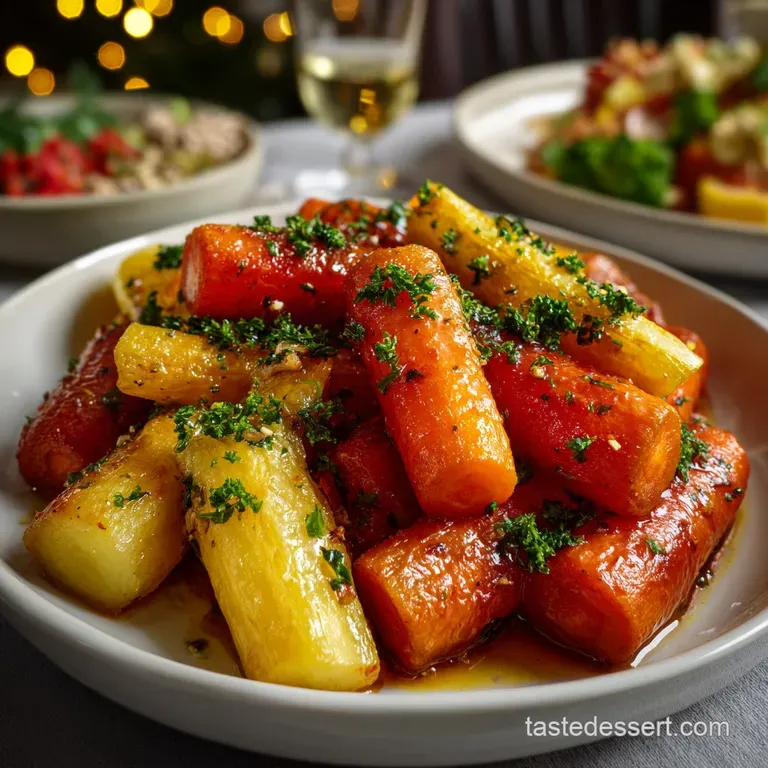
Creating a side dish with honey glazed carrots and parsnips requires a delicate touch with the oven. If your vegetables are not performing as expected, the physics of your kitchen might be the culprit.
Why Your Roots Stay Tough
If your vegetables are still firm after the full cook time, it is likely a matter of "Amylose Retrogradation" or simply a crowded pan. When roots are crowded, they release steam. Instead of roasting (dry heat), they steam (moist heat).
This prevents the temperature from rising above 100°C (212°F), which is too low to break down the tough hemicellulose in the cell walls efficiently.
Troubleshooting the Glaze
| Problem | Root Cause | The Fix | Pro Protocol |
|---|---|---|---|
| Soggy Vegetables | Overcrowding the pan | Split into two pans | Ensure 1cm of space between batons for airflow. |
| Burnt Honey | Glaze added too early | Add glaze only in final 15 mins | Watch for the "rapid bubble" stage; pull immediately after. |
| Woody Texture | Parsnip cores were too old | Remove the central core | Cut parsnips into quarters and trim away the pale, hard center. |
Chef's Tip: If your honey has crystallized in the jar, do not microwave it on high. Place the jar in a bowl of warm water for 10 minutes. This preserves the delicate volatile aromatics of the wildflower honey that would otherwise be destroyed by intense heat.
Creative Flavor Adaptations for Every Festive Occasion
While the honey glazed carrots and parsnips recipe is a classic, you can adjust the profile to suit different menus.
The Citrus Brightener
Replace the apple cider vinegar with 1 tbsp of fresh orange juice and 1 tsp of orange zest. The citric acid provides a different "lift," and the orange oils pair beautifully with the 3 tbsp wildflower honey. This version is particularly good with duck or goose.
The Vegan Alternative
Substitute the 1 tbsp unsalted butter with a high-quality vegan butter or simply increase the olive oil. Use maple syrup instead of honey. Note: Maple syrup has a lower burning point than honey, so check the oven 5 minutes earlier than the recipe suggests.
| Original Ingredient | Substitute | Why It Works |
|---|---|---|
| Wildflower Honey | Grade A Maple Syrup | Provides a woodier, thinner sweetness. Note: Caramelizes faster; watch carefully. |
| Unsalted Butter | Cold pressed Coconut Oil | Adds a subtle nuttiness and high fat mouthfeel. |
| Apple Cider Vinegar | Sherry Vinegar | Offers a deeper, oak-aged complexity. |
⚗️ The Scaling Lab
When doubling this Christmas Vegetable Side Dish with Honey Glazed Carrots and Parsnips, the laws of thermodynamics are not your friend.
- The Evaporation Paradox: If you double the vegetables but use the same pan, you effectively double the moisture release. This creates a "steam sauna" that will result in mushy vegetables. Mandatory instruction: Use two separate pans on different racks and swap them halfway through.
- Flavor Saturation: Do not double the salt immediately. Scale salt to 1.5x and taste at the end. The salt crystals interact with the honey non-linearly; you don't want to overwhelm the sweetness.
- Thermal Mass: Doubling the mass of cold vegetables will drop your oven temperature significantly. Preheat your oven for an extra 15 minutes before starting to ensure the stones/walls have enough stored energy to recover.
- Carry over Cooking: A larger pile of hot vegetables retains more internal heat energy. Pull them from the oven when they are just tender; they will continue to soften for 5 7 minutes as they sit on the tray.
Debunking Kitchen Folklore
- Myth: You must par-boil carrots and parsnips before roasting.
Truth: Boiling introduces excess water into the vegetable cells, making it impossible to achieve a truly "shatter" exterior. over High heat roasting from raw is the only way to get that concentrated flavor.
Myth: Carrots and parsnips take the same time to cook.
- Truth: Parsnips usually have a higher sugar content and lower density than carrots, meaning they soften and brown faster. Cutting parsnips slightly thicker than carrots ensures they finish at the same time.
Zero Waste Storage Secrets for Holiday Leftovers
Fridge: Store in an airtight container for up to 4 days. The honey glaze will thicken and become slightly sticky, which is actually quite pleasant. Freeze: While possible, I don't recommend it.
The freezing process creates ice crystals that rupture the cell walls of the carrots, resulting in a soft, watery texture upon thawing.
Zero Waste Philosophy:Don't discard the peels!Transform: Toss them in a little oil and salt and bake at 180°C (350°F) for 10 minutes.
Science: You’ve created "Root Vegetable Crisps." The skins contain high concentrations of flavor compounds. Don't discard parsnip cores.Transform: Simmer them with onion scraps for a quick vegetable stock.
Science: Even the woody cores contain soluble sugars and minerals that add depth to soups. Stale Thyme Stems?Transform: Throw them into your gravy as it simmers.
Science: The woody stems still hold essential oils that are released through long, slow heating.
Perfect Pairings to Complement Your Festive Feast
This vegetable side dish with honey glazed carrots and parsnips is the ultimate wingman for heavy proteins. Its brightness is the perfect foil for a rich, fatty Prime Rib or a butter basted Turkey.
This side dish pairs exceptionally with our Horseradish Sauce for recipe served alongside a roast. The heat of the horseradish and the sweetness of the honey create a "sweet and spicy" dynamic that is incredibly addictive. If you are going for a lighter, Mediterranean themed holiday, try serving these alongside our Greek Turkey Meatballs recipe.
If you want X, do Y:If you want a sticky, "toffee like" glaze: Add an extra tablespoon of honey and roast for 5 minutes longer at the very end. If you want a savory, herbal punch: Add 1 tsp of chopped fresh rosemary along with the thyme.
If you want a "spiced" holiday vibe: Toss the raw vegetables with 1/2 tsp of ground cumin before the first roast.
Mastering the Nuances of Root Vegetable Preparation
Many cooks wonder if baby carrots are a viable shortcut for a simple Christmas vegetable recipe. While they work, they lack the structural integrity of a large, sliced carrot. Baby carrots are often "milled" from larger, less flavorful carrots and contain more water, which prevents that deep caramelization we’re hunting for.
If you are prepping this Christmas honey glazed carrots and parsnips dish the day before, you can peel and slice the vegetables and keep them in a sealed bag in the fridge. Do not store them in water; this will hydrate the cells and prevent a good roast.
Simply toss them in the oil and salt just before they go into the oven.
Finally, regarding the wildflower honey yes, it truly matters. Unlike processed "clover" honey which is often just a flat sweet note, wildflower honey contains pollen from various sources, giving it a complex, slightly bitter undercurrent that makes the honey glazed carrots and parsnips taste sophisticated rather than like candy.
Enjoy the process, enjoy the aroma, and most importantly, enjoy the joy of creating something beautiful for your loved ones.
Common Questions
Can I prepare the vegetables ahead of time?
Yes, peel and slice them up to 24 hours ahead. Store cut vegetables in an airtight bag without water; this preserves their cell structure for optimal roasting. If you enjoyed mastering the knife work here, see how the same principle of preparation affects dough handling in our Easy NoKnead Focaccia Crispy Outside Fluffy Dough.
Why did my honey glaze turn hard and dry instead of shiny?
The glaze cooked too long or too hot without moisture. The low moisture content and high sugar concentration cause rapid crystallization, locking out the glossy sheen.
- Ensure you add the glaze only during the final 15 minutes
- Keep the oven door closed to maintain steam integrity
- Toss the vegetables thoroughly after drizzling to coat evenly
Should I use maple syrup instead of honey for a vegan option?
Use maple syrup, but reduce the roasting time slightly. Maple syrup has a lower burning point than honey due to its differing sugar composition. This means it caramelizes faster, so monitor the oven near the end to prevent scorching.
Is it necessary to use high heat (400°F) for this recipe?
Yes, high heat drives crucial water evaporation. Roasting at 400°F triggers the Maillard reaction on the root surfaces before the interior turns mushy. Lower heat results in steamed vegetables rather than caramelized, textured ones.
What is the difference between using salted versus unsalted butter?
Unsalted butter allows for precision salt control. Salted butter brands vary widely in sodium content, making it impossible to accurately balance the 1 tsp of flaky sea salt required for the finish. Unsalted butter keeps your flavor profile dependent only on the added seasoning.
Myth: You must par-boil the vegetables before roasting for tenderness.
Myth: You must par-boil carrots and parsnips before roasting for tenderness. Reality: Boiling introduces excess water into the cell structure, inhibiting the dry-heat evaporation required for a proper roast texture.
Why does my parsnip core remain woody even when the outside is tender?
Woodiness occurs in oversized parsnips with dense central fibers. To combat this, always select medium sized roots or physically core the large ones before slicing into uniform batons. This ensures that the tough cellulose in the center breaks down at the same rate as the outer flesh.
Honey Glazed Carrots And Parsnips
Ingredients:
Instructions:
Nutrition Facts:
| Calories | 185 kcal |
|---|---|
| Protein | 1.8 g |
| Fat | 6.3 g |
| Carbs | 31.7 g |
| Fiber | 6.3 g |
| Sugar | 16.5 g |
| Sodium | 383 mg |
