Honey Sriracha Salmon: Quick Baked Dinner with the Best Glaze
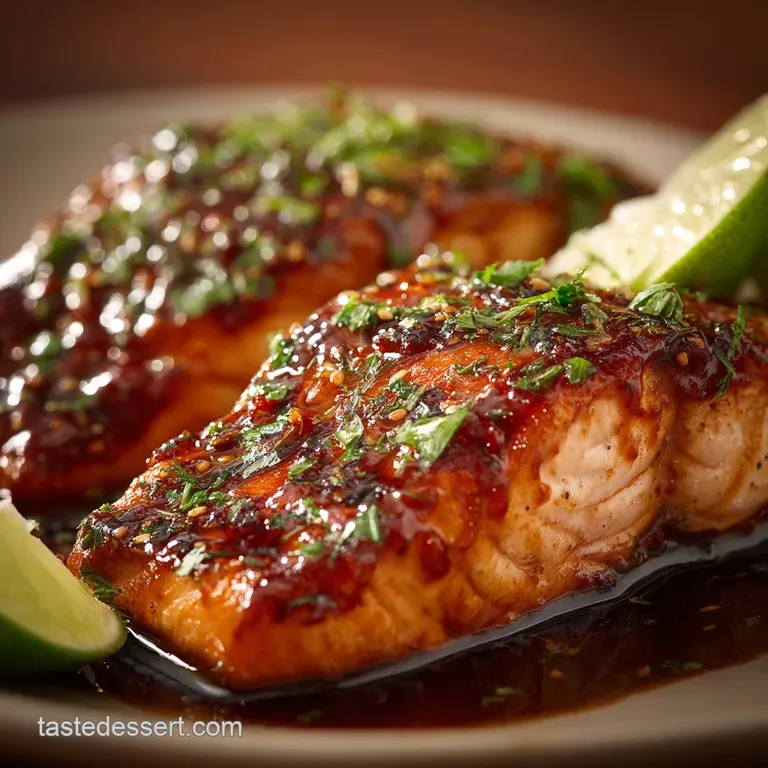
- Baked Honey Sriracha Salmon: The Ultimate 20 Minute Weeknight Dinner
- The Science Behind the Flaky Texture and Addictive Glaze
- Essential Ingredients for the Best Honey Sriracha Salmon
- Baking Perfect Honey Sriracha Salmon: A Step-by-Step Guide
- Troubleshooting and Chef's Secrets for Honey Sriracha Salmon
- What to Serve with Your Glazed Salmon (Perfect Pairings)
- Meal Prepping and Safe Storage Guidelines
- Recipe FAQs
- 📝 Recipe Card
Baked Honey Sriracha Salmon: The Ultimate 20 Minute Weeknight Dinner
Seriously, the smell of this baking is unfair. When the honey hits the heat and mixes with that bright, tangy Sriracha, it caramelizes into this thick, sticky, mahogany colored glaze.
It's impossible not to peek through the oven door every 30 seconds, watching that beautiful transformation happen right before your eyes.
I get it, weeknights are chaotic, and you need dinner now . This Honey Sriracha Salmon recipe is my total lifesaver because it takes barely 10 minutes of prep work. You mix a few pantry staples, slap it on the salmon, and the oven does the rest of the heavy lifting.
Fast, cheap, and unbelievably tasty.
Forget those complicated, multi step recipes that require twenty different pots and a culinary degree. We are keeping this brutally simple, focusing only on the techniques that guarantee flaky, perfect salmon every single time. Ready to ditch the takeout menu and master this sticky fingered delight? Let's crack on.
The Science Behind the Flaky Texture and Addictive Glaze
The Flavor Profile Breakdown: Sweet, Spicy, Umami
The magic here is all about balance. We're pairing the simple, deep sweetness of honey with the upfront, fiery kick of Sriracha. Crucially, the soy sauce brings the necessary savory umami depth, which prevents the dish from tasting like just sugary candy.
The final, non-negotiable touch of fresh lime cuts through the richness, making the whole thing taste bright and incredibly exciting.
Why We Choose the Oven (Vs. Frying)
Baking is the superior method for managing this high sugar glaze, hands down. Unlike pan-frying, where the honey can burn quickly before the fish is cooked through, the oven provides gentle, pervasive heat.
This allows the sticky glaze to slowly thicken and caramelize evenly over the entire surface of the salmon without scorching.
Difficulty Level and Prep Time Overview
This recipe is truly beginner friendly; if you can whisk a few ingredients in a bowl, you can master this dish effortlessly. Total active prep time is around ten minutes, which is exactly why it’s earned its spot in my frequent weeknight rotation. The low effort-to-high reward ratio here is unmatched.
Achieving Perfect Flakiness: Internal Temperature Matters
Nobody wants dry, rubbery salmon; that is simply a culinary tragedy. Perfect flakiness is all about hitting the right internal temperature, which is precisely 145°F (63°C). Always use a thermometer ; it is the only way to guarantee a tender, melt-in-your mouth result, every single time.
The Maillard Reaction on Glazed Salmon
When we bake the salmon at 400°F (200°C), the sugars in the honey start to brown that is the Maillard reaction doing its important work! This process creates that beautiful, slightly blistered crust that holds all the sticky, concentrated flavor.
We achieve that addictive, sweet and savory caramelized edge without having to watch it constantly.
Balancing Acidity and Sugar for Maximum Stickiness
The glaze absolutely needs acidity to keep it from tasting heavy or cloying. That tablespoon of fresh lime juice doesn't just add flavor; it helps stabilize the glaze composition during the high heat.
This balance ensures the sauce reduces into that beautiful, glossy, maximum stickiness we crave, sticking perfectly to the fish and not running off the plate.
Essential Ingredients for the Best Honey Sriracha Salmon
Choosing Your Cut of Salmon: Skin-On vs. Skin Off
I usually go for thicker, center cut fillets, about six ounces each. Skin-on is always preferred in my kitchen because the skin acts as a fantastic protective barrier, keeping the flesh incredibly moist during baking. Just make absolutely sure the tiny pin bones are removed before you start; nobody likes a surprise toothpick in their dinner! If you are thinking of grilling instead, my recipe for Salmon Tacos: Pan-Seared Fillets with Zesty Mango Salsa uses pan-seared skinless fillets.
Grading Your Heat: Sriracha Variations and Alternatives
Two tablespoons of Sriracha gives you a warm, pleasant heat that is totally family friendly for most households. If you like to really feel the spicy heat, go ahead and bump that up to three tablespoons in the mixture!
For a deeper, smoky heat, you could try using Chili Garlic Sauce instead of standard Sriracha, which also adds a nice chunky texture.
Umami Boosters: Soy Sauce and Fresh Ginger Notes
Soy sauce is our essential umami bomb; it grounds the sweetness perfectly. Do not skip the fresh ginger and garlic, seriously; they provide a sharp, aromatic foundation that powdered versions simply cannot replicate.
Use a microplane to get the ginger super fine so it disperses beautifully into the syrupy glaze.
Quick Substitutions for Common Pantry Items
This recipe is super flexible if you are missing one or two things. Don't panic, there's usually a swap nearby! I often substitute the honey when I'm running low, and it still works like a charm.
| Ingredient | Substitution Idea | Notes |
|---|---|---|
| Honey | Maple Syrup or Agave Nectar | Use 1/3 cup to keep the necessary sticky viscosity. |
| Sriracha | Sambal Oelek | This raw chili paste provides pure heat without added sweetness. |
| Soy Sauce | Tamari or Coconut Aminos | Tamari is gluten-free; Aminos are lower sodium and slightly sweeter. |
| Lime Juice | Rice Vinegar or Lemon Juice | Lemon works perfectly; vinegar provides the necessary tang, but use slightly less. |
Baking Perfect Honey Sriracha Salmon: A step-by-step Guide
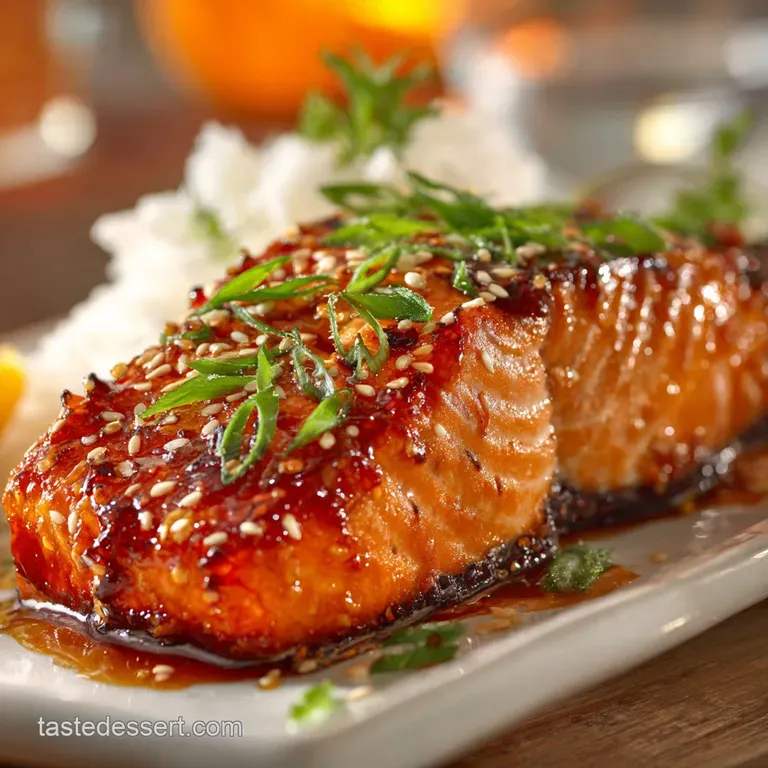
Preparing the Sticky Sweet Marinade
Preheat the oven to 400°F (200°C), please. Whisk all the glaze ingredients together until everything is fully incorporated you should see those little speckles of fresh ginger throughout the mixture. Crucially, measure out two tablespoons of this raw glaze right now and set it aside.
This raw reserve ensures your final drizzle is safe, thick, and perfectly glossy for serving.
The Ideal Marination Time (And Why You Shouldn't Overdo It)
You do not need hours for this flavor; 10 to 15 minutes is absolutely perfect to let the flavors start mingling with the fish. Avoid marinating for longer than 30 minutes, especially because the lime juice and soy sauce can start to 'cook' or cure the delicate salmon proteins, which results in a weird, mushy texture.
Pat the fish dry first, then brush it liberally with half the prepared glaze.
Oven Temperature and Timing for Optimal Results
We are using a hot oven to get that lovely exterior caramelization very quickly. Place the salmon toward the center of the oven, skin side down on parchment paper, if using skin-on fillets. Bake for the first 8 minutes before the second glazing.
Final Glaze Reduction and Broiling Finish
After the initial bake, remove the tray and brush the remaining glaze evenly over the fillets, then return them to the oven for the final 4– 7 minutes. While the salmon rests once cooked, quickly reduce the two tablespoons of reserved raw glaze.
Simmer it rapidly in a tiny saucepan for about 45 seconds until it looks distinctly thick and syrupy. This intensified concentration of flavor is exactly what makes the final dish special!
Troubleshooting and Chef's Secrets for Honey Sriracha Salmon
Mistake 1: Overcooking the Salmon
The biggest sin in cooking any fish is sadly overcooking it. Dry salmon is a waste of a beautiful fillet! If you don't own a thermometer, check by inserting a fork into the thickest part; it should flake easily but still look slightly opaque (not wet or translucent) in the very center.
When you are in doubt, pull the fish out a minute early, as residual heat will always continue cooking it once it is resting on the counter.
Pro Tip: Utilizing the Residual Sauce
Do not throw out the delicious, sticky liquid left behind on your parchment paper! That cooked sauce is absolutely liquid gold. Mix it with the reduced, fresh glaze before drizzling over rice, or use it to quickly dress your side vegetables for a deep, concentrated flavor bomb.
Adapting the Recipe: Pan-Seared and Air Fryer Variations
This Honey Sriracha glaze is so incredibly versatile, meaning it works well on other proteins, too. If you prefer a faster cook, try it on the stovetop by searing the fish, then adding the glaze right at the end (a similar technique to my Honey Mustard Air Fryer Pork Chops: The Easiest Weeknight Dinner ). For air fryer magic, cook the fillets at 380°F (195°C) for 8– 10 minutes, making sure to brush the glaze halfway through the cook time.
What to Serve with Your Glazed Salmon (Perfect Pairings)
Fresh Side Dishes to Cut the Sweetness
Because the salmon is naturally very sweet and sticky, you need something fresh and crunchy to provide balance. A simple cucumber and radish salad tossed lightly in rice wine vinegar works brilliantly to cut through the richness.
Steamed broccolini or lightly blanched green beans also provide great color and textural contrast.
Best Starches for Sopping Up the Sauce
Jasmine rice is hands down the classic choice; its gentle fluffiness soaks up every drop of that delicious Sriracha honey sauce perfectly. If you want a quick, filling base, brown rice or even my favorite, plain white quinoa, are perfect alternatives that add nutritional value.
Don't let a single drop of that glaze go to waste!
Presentation Tips: Garnishing for Impact
Garnishing is seriously key to making this simple dish feel gourmet and restaurant worthy. Don't skip the step of toasting the sesame seeds slightly before sprinkling them over the top. The bright green and white of the thinly sliced green onions provides a lovely visual pop against the deep mahogany glaze.
Meal Prepping and Safe Storage Guidelines
Chef's Note: Salmon tends to dry out severely when reheated, so if you are meal prepping, slightly undercook the fish initially (pull it when the center hits 140°F / 60°C).
Storage & Reheating
Leftover Honey Sriracha Salmon should be stored in an airtight container in the fridge for up to 3 days safely. To reheat, the microwave is usually too aggressive and ruins the beautiful flaky texture.
Instead, place the fillets on a small baking sheet and heat them gently in a 300°F (150°C) oven for about 8 minutes, or until just warmed through. You could also flake it cold over a big salad the next day it’s excellent that way!
Freezing cooked salmon is technically possible, but I find the texture suffers too much, so I generally don't recommend it for this particular recipe.
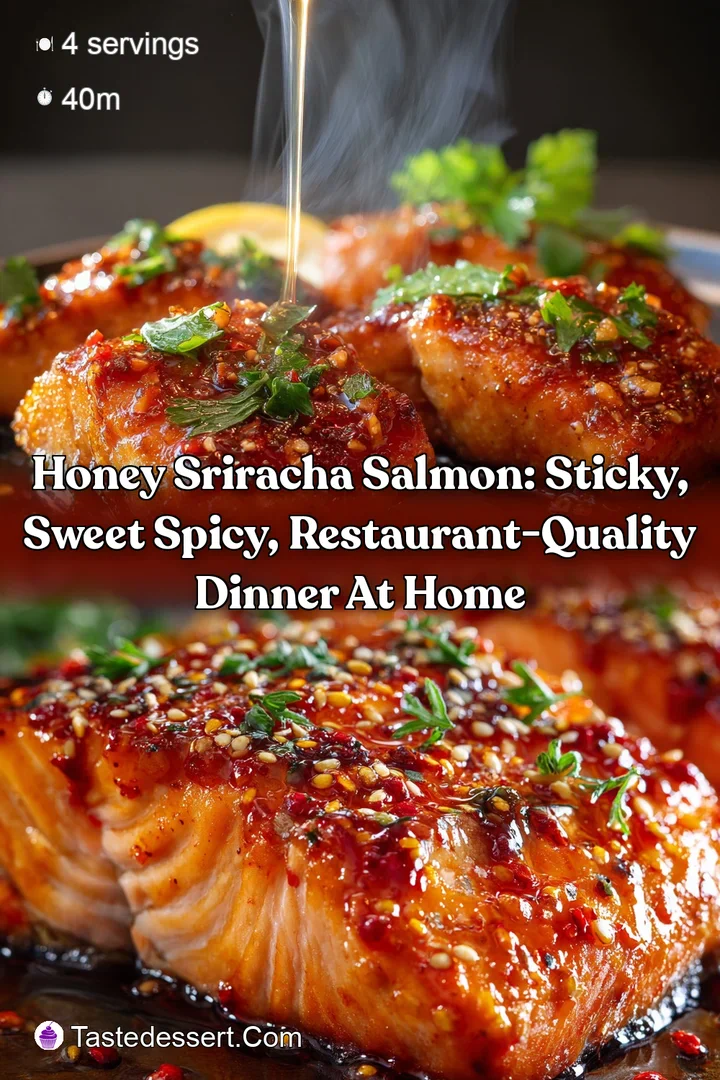
Recipe FAQs
How do I know when my Honey Sriracha Salmon is perfectly cooked?
The safest way to ensure perfect doneness is to use an instant read thermometer, aiming for an internal temperature of 145°F (63°C) at the thickest part. Visually, the salmon should flake easily when gently prodded with a fork and appear opaque throughout the fillet.
My salmon turned out dry. What went wrong, and how can I prevent it next time?
Dryness is almost always a result of overcooking, as salmon is quite lean. Ensure your oven temperature is accurate and try to pull the fish immediately once it hits 145°F. Using fillets with the skin on, baked skin side down, provides a natural barrier against the oven’s direct heat, helping retain moisture.
Can I adjust the heat level of the Sriracha glaze?
Absolutely. To reduce the heat significantly, substitute half of the Sriracha with sweet chili sauce, which maintains the sticky texture but reduces the spice. If you prefer a hotter salmon, introduce a pinch of cayenne pepper or finely diced fresh red chili into the glaze mixture.
My glaze burned before the salmon was fully cooked. How do I fix this?
The high sugar content in honey causes rapid caramelization and potential burning. To prevent this, only apply about two-thirds of the glaze before baking. Brush the remaining reserved glaze onto the salmon during the final 3 to 5 minutes of cooking, allowing it to fully caramelize without scorching.
Can I use a different cut of fish or protein with this Honey Sriracha recipe?
Yes, this versatile glaze works excellently on chicken thighs, cod, or pork tenderloin. Be sure to adjust the cooking time significantly based on the protein chosen; chicken will need around 20-25 minutes at the same temperature to reach 165°F (74°C).
What are the best side dishes to serve with Honey Sriracha Salmon?
The rich, savory sweet flavor profile pairs wonderfully with plain, steamed white rice or brown rice, which helps soak up the extra sauce. Compliment the richness with a fresh, acidic component like a quick cucumber and rice vinegar salad or blanched green beans.
How long can I store leftover cooked salmon, and is it safe to freeze it?
Leftover cooked salmon should be stored in an airtight container in the refrigerator for up to 3 days. While freezing cooked salmon is technically safe, it is not recommended by chefs as the freezing and thawing process tends to drastically degrade the texture, making it overly mushy.
Honey Sriracha Salmon Baked Recipe
Ingredients:
Instructions:
Nutrition Facts:
| Calories | 430 kcal |
|---|---|
| Fat | 24 g |
| Fiber | 1 g |
