Key Lime Pie Cupcakes: Zesty with Graham Cracker Crust
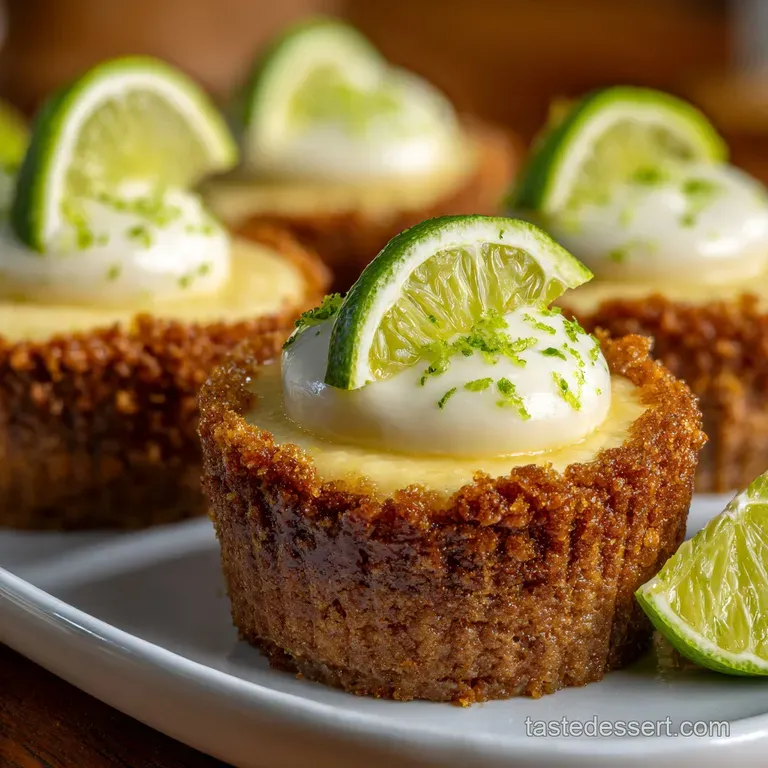
- Time: Active 30 minutes, Passive 20 minutes, Total 50 minutes
- Flavor/Texture Hook: Zesty, tangy lime centers with a buttery, shatter crisp crust
- Perfect for: Summer garden parties, coastal themed birthdays, or when you need a bright pick me-up
- Creating Authentically Tangy Key Lime Pie Cupcakes
- The Secret to Success
- Understanding Component Roles
- Gathering Your Essentials
- Equipment Needed
- Step-by-Step Instructions
- Troubleshooting Common Baking Obstacles
- Flexible Scaling Guidelines
- Debunking Common Citrus Myths
- Storage and Zero Waste
- Presenting Your Floral Masterpiece
- Recipe FAQs
- 📝 Recipe Card
Creating Authentically Tangy Key Lime Pie Cupcakes
Imagine sitting on a weathered wooden porch in Key West, the humidity hanging heavy like a wet blanket while a salt tinged breeze kicks up from the Gulf. That's where the story of the key lime truly lives. This isn't just a citrus fruit, it's a cultural icon born from necessity.
Back in the late 1800s, before the Overseas Highway connected the islands to the mainland, fresh milk was a luxury the sailors and "Conchs" couldn't afford. They relied on canned condensed milk, which reacted beautifully with the acidic juice of the tiny, yellow, wild growing limes.
That chemical reaction is the heartbeat of this dessert.
Whenever I peel back the liner of one of these, I think about Aunt Sally, the legendary cook for ship chandler William Curry, who many believe created the first lime pie. The aroma of these cupcakes is almost intoxicating, a sharp, floral scent that travels through the house the second the oven door cracks open.
We aren't just making a cake here, we're building layers of history, starting with that sandy graham cracker foundation that echoes the shores of the Florida coast. It's a delightful way of bringing the sunshine into your kitchen, regardless of the weather outside.
I've learned through a few soggy bottomed disasters that the secret isn't just in the lime itself, but in how you treat the sugar. If you just toss the zest into the batter, you're missing half the magic.
By rubbing the zest into the sugar crystals, you're physically bruising the citrus cells and releasing the oils that would otherwise stay trapped. This is the difference between a cupcake that tastes "a bit like lime" and one that truly sings.
You'll see the sugar turn a pale, beautiful green and feel it become damp like beach sand. That's when you know you're ready to bake.
The Secret to Success
The architecture of this dessert relies on three distinct layers working in harmony. We start with a base that provides a structural crunch, followed by a crumb that is light but sturdy enough to hold a surprise filling.
Most people forget that the filling needs to be a concentrated burst of flavor to cut through the richness of the frosting.
- Zest Essential Oils: Rubbing 1 tablespoon of lime zest into 200g of granulated sugar breaks the oil sacs, saturating the batter with aroma rather than just acidity.
- Starch Gelatinization: Pre baking the 100g of graham cracker crumbs for 5 minutes creates a moisture barrier, ensuring the base stays crisp even after the batter is added.
- Acidic Leavening: The reaction between 120ml of full fat buttermilk and the baking soda creates immediate carbon dioxide bubbles for a tender, airy lift.
- Fat to Acid Ratio: Using 113g of unsalted butter alongside 60ml of lime juice ensures the cake remains moist without becoming dense or rubbery from the citrus acid.
| Cook Method | Time | Texture | Best For |
|---|---|---|---|
| Standard Oven | 20 minutes | Classic, even rise | Reliable batch baking |
| Convection Oven | 17 minutes | Thinner, crispier edges | Getting a golden crust |
| Mini Cheesecake Style | 15 minutes | Dense, creamy, and rich | Low carb or crust focused treats |
Choosing the right path for your bake depends on your goal. If you want that traditional "cakey" feel, the standard oven is your best friend. However, if you're looking for something that mimics a Mini Cheesecake, you might reduce the flour slightly and bake at a lower temperature for a denser, more custard like result. It's all about how you want the textures to play together.
Understanding Component Roles
To get that velvety mouthfeel we're after, we have to look at the ingredients as more than just a list. Each part of the 12 cupcakes we're making has a specific job to do in the structural integrity of the final product.
| Component | Role | Pro Secret |
|---|---|---|
| Key Lime Zest | Flavor delivery | Use a microplane for the finest texture to avoid bitter white pith. |
| Full fat Buttermilk | Tenderizer | Room temperature is non negotiable to prevent the butter from seizing. |
| Cream Cheese | Frosting stability | Use cold, brick style cheese for a pipeable, stiff peak finish. |
| Graham Crackers | Structural base | Grind them fine to create a tight "seal" against the batter. |
The buttermilk is especially clever here. Because key lime juice is so acidic, it can sometimes toughen the gluten in the 190g of all purpose flour if mixed too aggressively. The buttermilk acts as a buffer, keeping things soft. If you find yourself enjoying the science of how these components interact, you'll see similar principles in a Cherry Cheesecake Lush, where layering is everything.
Gathering Your Essentials
When you head to the store, don't just grab any lime. Key limes are tiny, about the size of a golf ball, and they turn yellow when they're actually ripe. If you see bright green ones, they're technically underripe, but they'll still work.
- Graham Cracker Crumbs (100g): Use plain or honey flavored. Why this? Provides the signature pie crust flavor and essential base crunch.
- Granulated Sugar (225g total): Split between the crust and the batter. Why this? Pure sweetness that doesn't compete with the floral lime notes.
- Unsalted Butter (268g total): You'll need it melted, softened, and slightly softened. Why this? Controls the moisture and provides the velvety crumb structure.
- Key Lime Juice (75ml total): Fresh is always better than bottled if you can find them. Why this? Contains higher acidity and floral aromatics than standard Persian limes.
- All purpose Flour (190g): The structural backbone of the cake. Why this? Provides enough protein for structure without being "bread like."
- Key Lime Curd (120ml): For that hidden surprise center. Why this? Adds a concentrated pop of tartness in the middle.
- Cream Cheese (225g): Full fat brick style only. Why this? Provides the tang and stability needed for the tall frosting swirl.
- Buttermilk (120ml): Ensure it's room temperature. Why this? The acid reacts with baking soda for a perfect rise.
| Original Ingredient | Substitute | Why It Works |
|---|---|---|
| Key Lime Juice | Persian Lime + Lemon | 50/50 mix mimics the high acidity and floral notes. |
| Graham Crackers | Digestive Biscuits | Same sandy texture but slightly less sweet. |
| Buttermilk | Milk + 1 tsp Vinegar | Mimics the acidity needed to trigger the baking soda. |
Equipment Needed
You don't need a professional pastry kitchen, but a few specific tools will make your life much easier. First, a standard 12 cup muffin tin. I'm a huge fan of the light colored aluminum ones because they distribute heat more evenly than the dark, non stick versions.
A microplane zester is also vital. Those tiny limes are hard to zest with a box grater, and you really want to avoid the white pith, which is incredibly bitter. For the filling, a cupcake corer is a fun gadget, but a simple paring knife works just as well.
And finally, a stand mixer or a sturdy hand mixer is necessary for the frosting. Creaming 113g of butter with 500g of powdered sugar by hand is a workout no one needs.
step-by-step Instructions
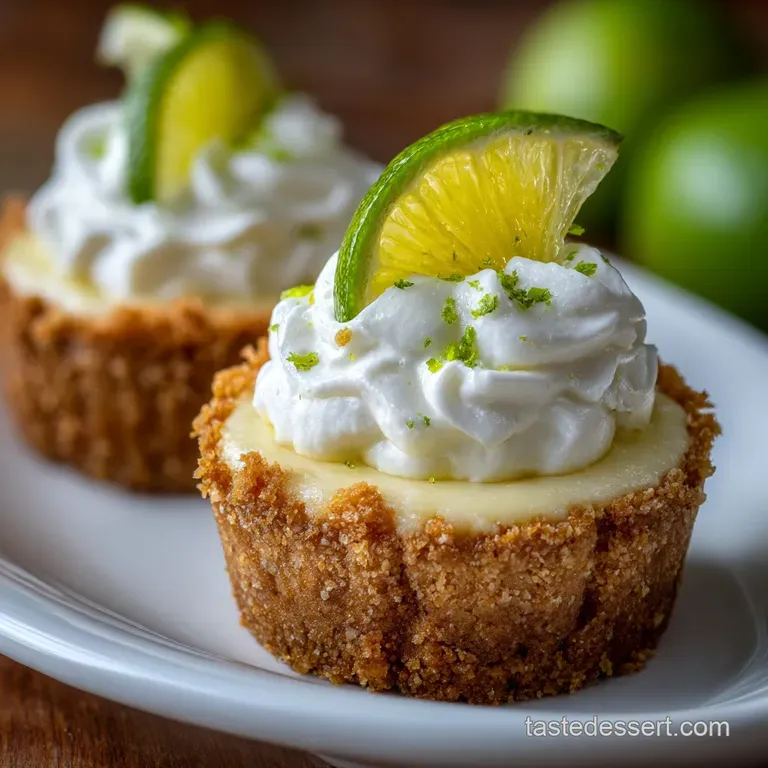
Follow these steps closely, especially the temperature cues. Baking is a game of thermodynamics, and we want to keep those emulsions stable.
- Prep the environment: Preheat your oven to 175°C (350°F) and line your 12 cup tin. This ensures the oven is fully stabilized before the cakes go in.
- Construct the base: Mix 100g graham crumbs, 25g sugar, a pinch of salt, and 42g melted butter. Press 1 tablespoon into each liner. Note: Use the bottom of a spice jar to press them down firmly for a flat surface.
- Set the crust: Bake the crusts for 5 minutes. Remove them and let them sit while you prep the batter. This "par baking" prevents the bottom from getting soggy.
- Extract the aromatics: In a large bowl, rub 1 tablespoon of zest into 200g of sugar with your fingertips until the sugar feels like damp sand.
- Cream the fats: Add 113g softened butter to the lime sugar. Beat until light and fluffy. Add the 2 room temperature eggs one-by-one, then stir in 60ml of lime juice.
- Mix the dry and wet: Whisk 190g flour, 1 tsp baking powder, 0.25 tsp soda, and 0.5 tsp salt. Alternately add the dry mix and 120ml buttermilk to the butter. Stop as soon as the last streak of flour disappears.
- The final bake: Divide batter into the liners. Bake for 18-20 minutes until a toothpick comes out with just a few moist crumbs. Cool them completely on a wire rack.
- The surprise center: Use a corer to remove the center of each cupcake. Spoon in 1-2 teaspoons of lime curd. Note: Don't throw away the cake cores; they're great for a quick snack!
- Whip the topping: Beat 225g cold cream cheese and 113g butter until smooth. Slowly add 500g sifted powdered sugar, 1 tbsp juice, and zest. Beat on high until it looks like a thick, glossy cloud.
- The finish: Pipe the frosting using a star tip, making sure to cover the curd hole entirely.
Troubleshooting Common Baking Obstacles
Baking with citrus can be tricky because the acid levels vary so much from fruit to fruit. If your batter looks curdled after adding the lime juice, don't panic. It's usually just the fat and acid separating because the temperatures weren't perfectly matched.
Why Your Frosting Melts
This is the most common heartbreak. Usually, it happens because the butter was too soft or the cream cheese was room temperature. Unlike buttercream, cream cheese frosting needs a cold base. If you beat it too long, the friction from the mixer blades actually generates heat, which melts the fat.
If it feels soft, put the whole bowl in the fridge for 20 minutes before trying to pipe.
The Sunken Center Issue
If your cupcakes look like little craters, you likely overbeat the eggs or the batter. When you whip too much air into the 2 eggs, the cakes rise too fast in the oven and then collapse because the structure can't support the weight. Another culprit is opening the oven door too early.
The rush of cold air at the 10 minute mark can shock the rising cakes.
| Problem | Root Cause | Solution |
|---|---|---|
| Greasy Base | Butter was too hot | Let melted butter cool for 5 mins before mixing with crumbs. |
| Bitter Aftertaste | Zested too deep | Only take the green/yellow skin; avoid the white pith. |
| Dry Cake | Overbaked | Check 2 minutes before the timer ends; use a toothpick. |
- ✓ Use room temperature eggs to ensure a smooth emulsion.
- ✓ Sift your powdered sugar to avoid tiny white lumps in your frosting.
- ✓ Don't overfill the liners; 2/3 full is the sweet spot for a flat top.
- ✓ Always wait for cupcakes to be stone cold before filling with curd.
- ✓ Use brick style cream cheese, never the spreadable tub version.
Flexible Scaling Guidelines
Sometimes a dozen just isn't enough, especially for a summer wedding or a large family reunion. Scaling this recipe requires a little bit of math, but it's totally doable if you follow a few rules.
Scaling Up (Double or Triple): If you're making 24 or 36 cupcakes, you can double the ingredients exactly, but be careful with the leavening agents. For a double batch, I usually use slightly less baking powder (about 1.75x rather than 2x) to prevent the cakes from tasting metallic.
When baking multiple trays, rotate them halfway through to ensure the heat reaches the center of the oven evenly.
Scaling Down (Half Batch): To make just 6 cupcakes, use 1 large egg and half of all other ingredients. Since 113g of butter is exactly one stick in the US, using half (56.5g) is very easy. Use a smaller mixing bowl so the beaters can actually reach the ingredients.
Your bake time will likely be about 2-3 minutes shorter, so start checking at 16 minutes.
Debunking Common Citrus Myths
One big myth is that "Key Lime juice must be green." In reality, true Key Lime juice is a pale, cloudy yellow. If you see bright green juice in a bottle, it's likely colored with dyes. The flavor is also far more floral and less "sharp" than a standard lime, so don't be afraid of that yellow hue.
Another misconception is that you can't use bottled juice. While fresh is superior, high-quality bottled juice (like Nellie & Joe's) is a perfectly acceptable shortcut if you can't find the tiny fruits.
Just make sure it's 100% juice without added sugar or preservatives, as those will mess with the chemistry of the buttermilk reaction.
Storage and Zero Waste
These cupcakes are best stored in the refrigerator because of the cream cheese frosting and the curd filling. They will stay fresh and moist for up to 4 days if kept in an airtight container. The cold actually helps the lime flavors meld together, often making them taste even better on day two.
If you need to freeze them, do it without the frosting. Wrap the filled cakes tightly in plastic wrap and they'll last for 2 months. Thaw them in the fridge overnight before frosting.
To minimize waste, use the leftover lime husks to make a quick citrus cleaner or toss them into a pot of simmering water with a cinnamon stick for a natural home scent. If you have leftover graham cracker crumbs, save them in a jar; they're a great topping for yogurt or vanilla ice cream.
Even the cake cores you removed can be crumbled up and mixed into a bit of leftover frosting to make "cake truffles" for the baker's snack!
Presenting Your Floral Masterpiece
When it comes to the final look, we want to focus on color balance and garnish strategy to make these look professional. The pale frosting is a blank canvas that needs a bit of pop.
- Deep Forest Green: Use a microplane to shower fresh lime zest over the top just before serving. This provides the first hit of aroma and a vibrant color contrast against the white frosting.
- Golden Sand: Sprinkle a tiny pinch of extra graham cracker crumbs on one side of the frosting swirl. This hints at the hidden crust inside and adds a third color dimension.
- The Curd Drop: For a "wow" factor, place a small, neon yellow drop of the remaining lime curd right in the center of the frosting swirl. It looks like a little jewel.
These pair beautifully with a Homemade Chai Latte if you're serving them on a cooler evening. The warm spices of the tea act as a perfect foil to the sharp, cold citrus of the cake. If you're looking for a "If you want X, do Y" guide:
- If you want a crunchier base, use 125g of crumbs and press them up the sides of the liner.
- If you want a tarter cake, increase the lime juice to 80ml and reduce the buttermilk by 20ml.
- If you want a sturdier frosting, replace 2 tablespoons of the powdered sugar with cornstarch.
Baking these is a process of transforming simple pantry staples into something that feels like a vacation. Enjoy the process, don't rush the creaming stage, and definitely don't skip the zest sugar rub! Happy baking, my friend!
Recipe FAQs
Is it true I must bake the crust separately before adding the batter?
Yes, this step is essential for texture. Baking the crust for 5 minutes at 350°F (175°C) prevents the graham cracker base from becoming soggy under the weight of the cupcake batter.
How to prevent the batter from curdling when adding lime juice?
Ensure your butter, eggs, and buttermilk are all at room temperature before mixing. If you enjoyed mastering this stable emulsion technique, you will find it creates a uniform, silky batter that avoids separation.
Should I store these cupcakes at room temperature?
No, the refrigerator is mandatory. Because the filling is lime curd and the frosting uses cream cheese, they must be kept chilled to maintain safety and structure.
How to get the perfect citrus flavor without it being too sharp?
Rub the lime zest directly into the 200g of granulated sugar first. This releases the aromatic citrus oils into the sugar before you add any liquid, creating a deeper, more balanced flavor profile throughout the entire crumb.
Can I freeze the finished cupcakes with the frosting?
No, freezing them with frosting will ruin the texture of the cream cheese topping. It is best to freeze only the filled, unfrosted cupcakes, then thaw them in the refrigerator and apply a fresh batch of frosting before serving.
How to tell when the cupcakes are fully baked?
Insert a toothpick into the center of the cake; it should come out clean. Since the cupcakes contain curd and citrus, ensure they bake for the full 18-20 minutes at 350°F (175°C) to set the crumb properly.
How to fill the centers neatly?
Use a dedicated cupcake corer once the cakes have cooled completely. This creates a uniform cavity that holds 1-2 teaspoons of lime curd securely, which can then be sealed off easily with your cream cheese frosting.
Key Lime Pie Cupcakes 2
Ingredients:
Instructions:
Nutrition Facts:
| Calories | 596 kcal |
|---|---|
| Protein | 4.8 g |
| Fat | 26.2 g |
| Carbs | 86.5 g |
| Fiber | 0.7 g |
| Sugar | 66.8 g |
| Sodium | 284 mg |
