Lemon Asparagus Couscous Salad with Tomatoes: Zesty Feta Summer Side
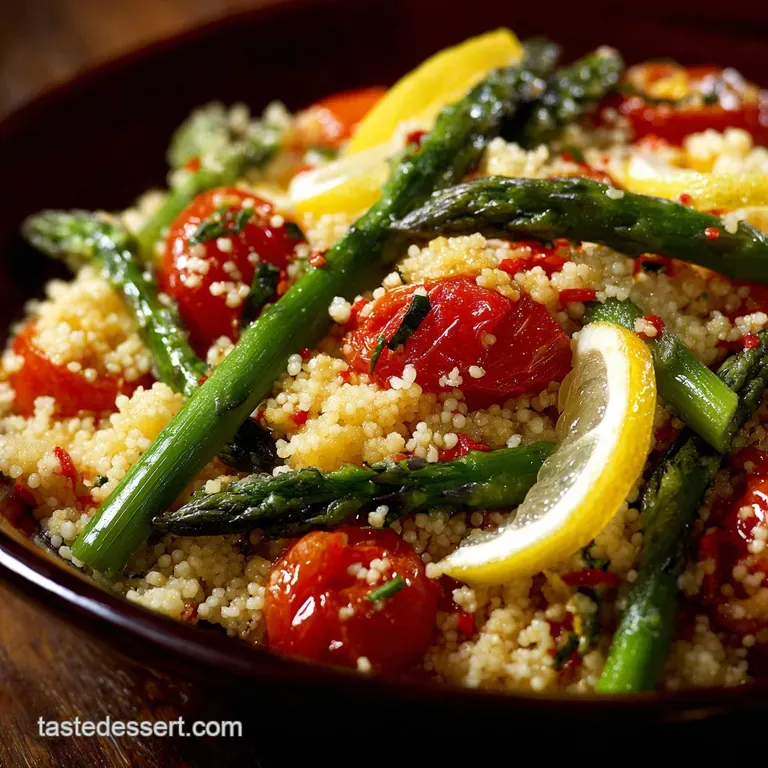
- The Ultimate Summer Side Dish: Lemon Asparagus Couscous Salad with Tomatoes
- Understanding the Balance: Why This Lemon Asparagus Couscous Salad Tastes So Bright
- Essential Ingredients and Smart Swaps
- How to Make Lemon Asparagus Couscous Salad with Tomatoes (Step-by-Step Guide)
- Troubleshooting and Expert Tips for a Perfect Salad
- Make Ahead, Storage, and Shelf Life
- What to Serve Alongside Your Zesty Salad
- Recipe FAQs
- 📝 Recipe Card
The Ultimate Summer Side Dish: Lemon Asparagus Couscous Salad with Tomatoes
Have you ever found yourself craving something incredibly bright and zesty when the weather warms up? The simple scent of fresh lemon and sweet basil just hits differently, right? This Lemon Asparagus Couscous Salad delivers that perfect mix of satisfyingly fluffy couscous, the incredible snap of crisp asparagus, and sweet burst cherry tomatoes.
Honestly, this quick side dish is a total lifesaver for busy weeknights or unexpected potlucks because it takes barely fifteen minutes of active effort to pull together. It’s cheap, incredibly cheerful, and easily doubles when you need to feed a crowd without turning on the oven.
Forget boring, heavy potato salad; this light, spring couscous salad is the new standard.
I've made every mistake with bland, mushy grain salads over the years, but I finally nailed the texture and flavour ratios here. Trust me, once you master the simple vinaigrette and the asparagus blanch, you'll be making this Lemon Asparagus Couscous Salad every single week.
Let's crack on and get this vibrant goodness prepped.
Quick Prep, Maximum Flavour: Why We Love This Salad
This salad is absolute proof that simple ingredients, handled correctly, can deliver huge, impactful flavour. We are maximizing the brightness by using both the zest and the juice of the lemon, which prevents the salad from tasting heavy or oily.
It’s light but deeply satisfying and tastes like pure Mediterranean sunshine.
Is Couscous Salad Healthy? Nutritional Highlights
Compared to heavy pasta or rice salads drowning in creamy mayo, this Lemon Asparagus Couscous Salad is incredibly light and nutrient dense. It’s packed with healthy monounsaturated fats from the olive oil, essential fibre from the asparagus, and a solid dose of vitamins C and K.
It truly makes a fantastic, energizing lunch.
Perfect for Picnics and British Barbecues
The best part? This salad travels like a dream. Because there is no dairy in the dressing (until we fold in the Feta right at the end), you don't have to stress about it spoiling in the heat at a picnic or a proper British barbecue. In fact, it actually tastes better after resting for an hour or two, allowing the flavours to fully deepen. Just remember to pack the rest of your spread, perhaps including my incredibly moist Banana Nut Bread: The Easy, Super Moist Recipe with Toasted Walnuts for dessert!
Understanding the Balance: Why This Lemon Asparagus Couscous Salad Tastes So Bright
The magic of this recipe lies entirely in the textural contrast. We are using fine grain Moroccan couscous, which is delicate and fluffy, against the satisfying snap of perfectly blanched asparagus.
The high acid content from the fresh lemon juice is essential; it cuts straight through the richness of the olive oil and the wonderful saltiness of the Feta. It’s all about hitting those sweet, salty, and sour notes simultaneously for a balanced bite.
Essential Ingredients and Smart Swaps
The Texture Contrast: Fluffy Couscous Meets Crisp Asparagus
We want the asparagus to retain a serious crunch in this couscous and asparagus salad; if it’s mushy, the whole dish fails, trust me. The couscous provides a neutral, fluffy canvas that quickly absorbs the zesty dressing beautifully without becoming heavy or gloopy.
The Power of Feta: Achieving Salty and Tangy Umami
Feta is non-negotiable for that necessary salty, creamy punch this lemon couscous salad recipe needs. If you absolutely can't do Feta, perhaps due to preference, small cubes of good quality goat cheese or lightly fried halloumi work well as substitutes.
Pro Tip: Always look for Feta that’s packed in brine, as it stays significantly moister and tastes far better than the dry, pre-crumbled varieties.
Mastering the Vinaigrette: The Essential Lemon Zing
Never skip the lemon zest in the dressing, people. The oil in the zest is where the real depth of flavour lives; the juice is merely acid and brightness. I once only used bottled lemon juice, and the resulting salad tasted flat and sad.
Use fresh lemon, and make sure to whisk in that Dijon mustard; it helps the dressing stay together, which is the technical way of saying it "emulsifies."
Choosing the Right Couscous (Moroccan vs. Pearl)
We are using Moroccan (fine grain) couscous for speed and lightness here, which only requires a quick soak in boiling liquid. Pearl couscous, also known as Israeli couscous, is larger and chewier and will require boiling for about 10 minutes.
If you use the pearl variety, ensure you double the chilling time so the dressing has enough chance to soak in properly.
Prepping Your Asparagus: Snapping the Woody Ends
Hold the asparagus spear near the bottom, about an inch from the end, and bend it gently; it will naturally snap where the tough, woody part meets the tender stem. Don't waste time trying to gauge where to cut it with a knife.
Also, remember that quick dip in the ice bath we are aiming for bright, shiny green asparagus, not dull military green.
Ingredient Spotlight: Cherry Tomatoes and Feta Cheese
Using cherry or grape tomatoes is key because they hold their shape and their flavour is concentratedly sweet. Halving them releases just enough of their inner juice to mingle with the lemon vinaigrette beautifully.
Don't forget the red onion; soaking the diced onion in a bit of cold water for 10 minutes helps take that sharp, sulfurous bite right out, leaving you with just the crisp texture.
| Ingredient To Swap | Recommended Alternative |
|---|---|
| Couscous | Small pasta shapes like orzo or acini di pepe. |
| Feta Cheese | Lightly grilled Halloumi or high-quality goat cheese. |
| Asparagus | Blanched green beans or chopped, roasted courgette (zucchini). |
| Red Onion | A few finely chopped spring onions (scallions) for a much milder taste. |
How to Make Lemon Asparagus Couscous Salad with Tomatoes (step-by-step Guide)
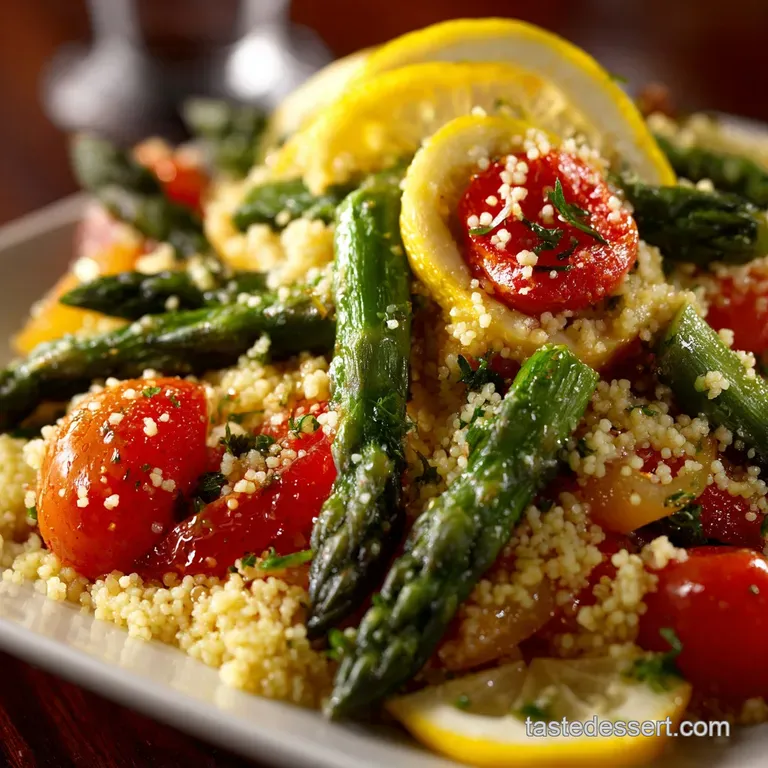
Preparing the Base: Perfecting the Fluffy Couscous
Always use stock, not water, to cook the couscous; this simple swap adds so much foundational flavour without extra work. Bring the stock and salt to a rolling boil, stir in that tablespoon of olive oil, then immediately pour in the couscous. Cover it instantly and let it stand undisturbed for five minutes.
After it rests, uncover and use a fork— never a spoon —to fluff it thoroughly before spreading it out onto a tray to cool quickly.
Blanching the Asparagus for Crispness and Colour
Bring a large pot of heavily salted water to a rolling boil, then drop the trimmed asparagus in for two to three minutes max. When it looks almost highlighter green, it’s done. Immediately transfer it to the ice bath.
This crucial step stops residual heat from turning your beautiful asparagus into limp, overcooked sadness. Drain it very well before chopping it up.
Mixing the Potent Lemon Vinaigrette Dressing
Get your minced garlic, Dijon, salt, pepper, lemon juice, and zest into a small bowl. Whisk it hard until everything is combined. While still whisking, slowly stream in the ⅓ cup of olive oil. This is how you achieve that gorgeous, slightly thick texture instead of a watery, separated mess.
Taste, taste, taste! Does it need more salt? More zing? Adjust it now.
Assembly and Tossing: Bringing the Salad Together
Combine the cooled couscous, the chopped asparagus pieces, the halved tomatoes, and the red onion in your largest mixing bowl. Pour the prepared vinaigrette over the top and toss very gently until every grain looks evenly coated and happy.
Then, lightly fold in your crumbled Feta and the chopped fresh herbs, like parsley and mint.
Crucial Chef’s Note: The biggest mistake people make is dressing the salad right before serving. The flavours need time to marry! Please cover and refrigerate this for at least 30 minutes, or even better, an hour.
It truly makes all the difference in the world.
Troubleshooting and Expert Tips for a Perfect Salad
How to Prevent Soggy Couscous
The enemy of fluffy couscous is heat and excess liquid. Cook the couscous using the exact ratio (1:1.5 grain to liquid), and crucially, cool it down fast before adding the dressing. If you mix the vinaigrette into hot couscous, the grains absorb too much oil and water and become gluey and heavy very quickly.
Achieving Vibrant Green, Not Mushy, Asparagus
Shocking the asparagus in the ice bath is completely non-negotiable for maximum colour and crunch. Also, make sure you don't crowd the blanching pot. If you're cooking a huge amount of asparagus, do it in batches, otherwise, the water temperature will drop too fast and the stalks will steam instead of blanching.
Adjusting Acidity: Boosting the Lemon Flavour
If your finished lemon asparagus couscous salad tastes flat, it almost always needs more acidity or salt. Add a tiny splash more fresh lemon juice, or sprinkle a pinch of flaky sea salt right before serving. Sometimes, just a final, generous grind of black pepper is all the wake-up call the salad needs.
make-ahead, Storage, and Shelf Life
Storing Leftovers: How Long Does Couscous Salad Last?
This salad holds up incredibly well. Stored in an airtight container in the fridge, it’s absolutely safe and delicious for 3 to 4 days. The couscous will actually absorb more of the dressing overnight, making the flavour even deeper and more satisfying. Just give it a gentle fork fluff before serving again.
Meal Prep Strategy: Keeping the Dressing Separate
If you are prepping this more than 24 hours in advance, my advice is to assemble all the dry components (couscous, asparagus, tomatoes, Feta, onion) and keep the potent vinaigrette in a separate jar. Dress the salad about an hour before you plan to eat.
This ensures the tomatoes don't weep too much moisture into the grain before serving.
Can I Freeze This Salad? (Spoiler: Why you shouldn't.)
Can you freeze it? Technically, yes, but please, for the love of fresh food, don't do it. Couscous handles freezing badly, turning soft and spongy upon thawing. Worse yet, the juicy tomatoes and delicate herbs will become watery mush. This salad is built for maximum freshness and chilling, not for the deep freeze.
What to Serve Alongside Your Zesty Salad
This bright Lemon Asparagus Couscous Salad is the perfect partner for almost any grilled or baked protein you can imagine. It is phenomenal next to grilled seafood or a lighter baked recipe, like my easy Greek Turkey Meatballs: Easy Baked Recipe with Feta and Tzatziki Sauce ; the lemon ties it all together beautifully.
If you wanted a more decadent pairing, you could also serve it alongside some incredibly crispy Fried Catfish: Proper Crispy Southern Fillets with Masterclass Crunch . The zesty, light salad provides a fantastic counterpoint to that heavy crunch, creating a fully balanced plate. It is also excellent simply stuffed into pita bread for a quick, substantial veggie wrap.

Recipe FAQs
Why is my couscous dry and crunchy after cooking?
This issue often arises from an improper liquid-to-couscous ratio or insufficient steaming time. Ensure you are using exactly a 1:1 ratio of boiling liquid (water or broth) to couscous, and cover the bowl tightly immediately after adding the liquid.
Let it sit undisturbed for the full 5 minutes before fluffing; if it is still dry, sprinkle in a tablespoon or two of warm liquid and cover for another minute.
How long can this salad be stored in the refrigerator?
The salad can be stored in an airtight container in the refrigerator for up to 3 days. Be aware that the couscous will continue to absorb the dressing, which may reduce the overall liquid content and soften the texture of the asparagus.
If necessary, refresh the salad just before serving with an extra drizzle of olive oil or lemon juice.
Can I make this Lemon Asparagus Salad dairy-free or vegan?
Absolutely. The only non-vegan component is the Feta cheese. Substitute the Feta with either cubed, marinated firm tofu for a similar salty texture, or use a high-quality almond or coconut based vegan Feta alternative. Always ensure that the stock used to cook the couscous is vegetable based.
I don't have asparagus. What is a good vegetable substitute?
Blanched green beans (haricots verts) are an excellent substitution, as they require similar cooking time and offer a delightful crisp snap. You could also use lightly steamed broccoli florets or, for an uncooked option, finely diced English cucumber to maintain a fresh crunch.
Is this salad best served warm, cold, or at room temperature?
This couscous salad is designed to be served chilled or at room temperature, making it perfect for picnics, potlucks, and buffet tables. Serving it cold allows the refreshing lemon vinaigrette and the crisp texture of the asparagus to shine through.
Avoid serving it warm, as the Feta cheese may become overly soft and oily.
My lemon vinaigrette tastes too sharp or sour. How do I balance the acidity?
If the lemon flavor is overpowering, the acidity simply needs a touch of sweetness to balance it out. Whisk in a teaspoon of honey, maple syrup, or granulated sugar until dissolved into the dressing. Ensure you have also added sufficient salt, as proper seasoning helps to round out the sharp edges of citrus.
Can I prepare the components of this salad ahead of time?
Yes, you can easily prep the couscous and blanch the asparagus up to a day in advance and store them separately in the refrigerator. However, for the best texture, wait to dice and add the tomatoes, and do not dress the salad until about 1-2 hours before serving. This prevents the salad from becoming soggy.
Lemon Asparagus Couscous Salad With Feta
Ingredients:
Instructions:
Nutrition Facts:
| Calories | 374 kcal |
|---|---|
| Protein | 8.8 g |
| Fat | 28.2 g |
| Carbs | 22.0 g |
